Buy the Life, Then Check the Title: France's Notaire Playbook
Fall for France’s markets and streets—but pair that romance with local due diligence: notaire checks, diagnostics and copropriété scrutiny backed by INSEE and Notaires data.

Imagine starting your day with a boulangerie run in Le Marais, then taking calls from a sunlit terrace in Aix‑en‑Provence. France smells of coffee, sea salt and fresh bread—and yes, you can buy into that life. But falling in love with a street doesn’t replace legal homework: title checks, the notaire’s role and local quirks decide whether that dream actually becomes yours. Recent market analysis shows pockets of price resilience across the country while transaction patterns shift—so pair romance with rigor.
Living the France lifestyle: senses, seasons, streets
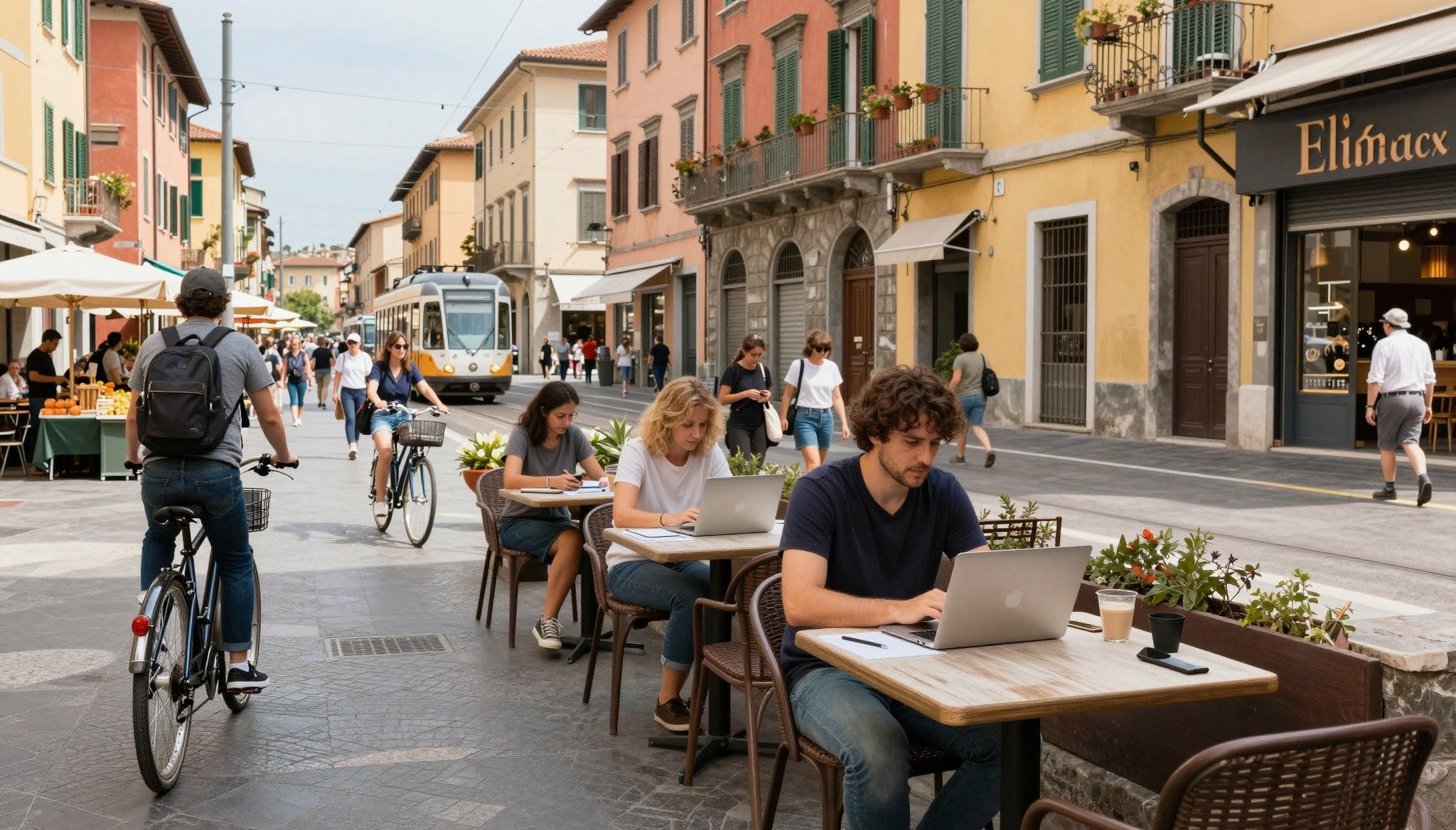
France is a patchwork: the sunlit terraces of Nice; compact, bikeable Rennes; village markets in Dordogne; and sleek coworking in Lyon. Coastal towns hum differently from provincial squares. National statistics confirm what locals feel—after a wobble, prices and transactions show pockets of recovery, meaning opportunity remains for buyers who prepare.
Paris & Île‑de‑France: rhythm and tradeoffs
Paris still seduces with culture and short commutes—but expect higher per‑m² and stiff competition. Recent regional notaire reports show transaction volumes steadying even as buyers reprice expectations. For nomads, that means prioritise walkability, fast internet and proximity to coworking over an extra room you’ll rarely use.
Provence, Riviera & smaller cities: light, land and lifestyle
From Aix to Antibes, you buy atmosphere—lavender markets, cliffside walks, and long lunches. Notaire indices reveal modest regional price rises in places like Provence‑Alpes‑Côte d’Azur, so timing and local due diligence matter: a cheap coastal find may have complex zoning or rental rules.
- Lifestyle highlights: local favorites and hidden gems
- Morning croissant at Café de Flore (Paris) — early meetings before the metro rush
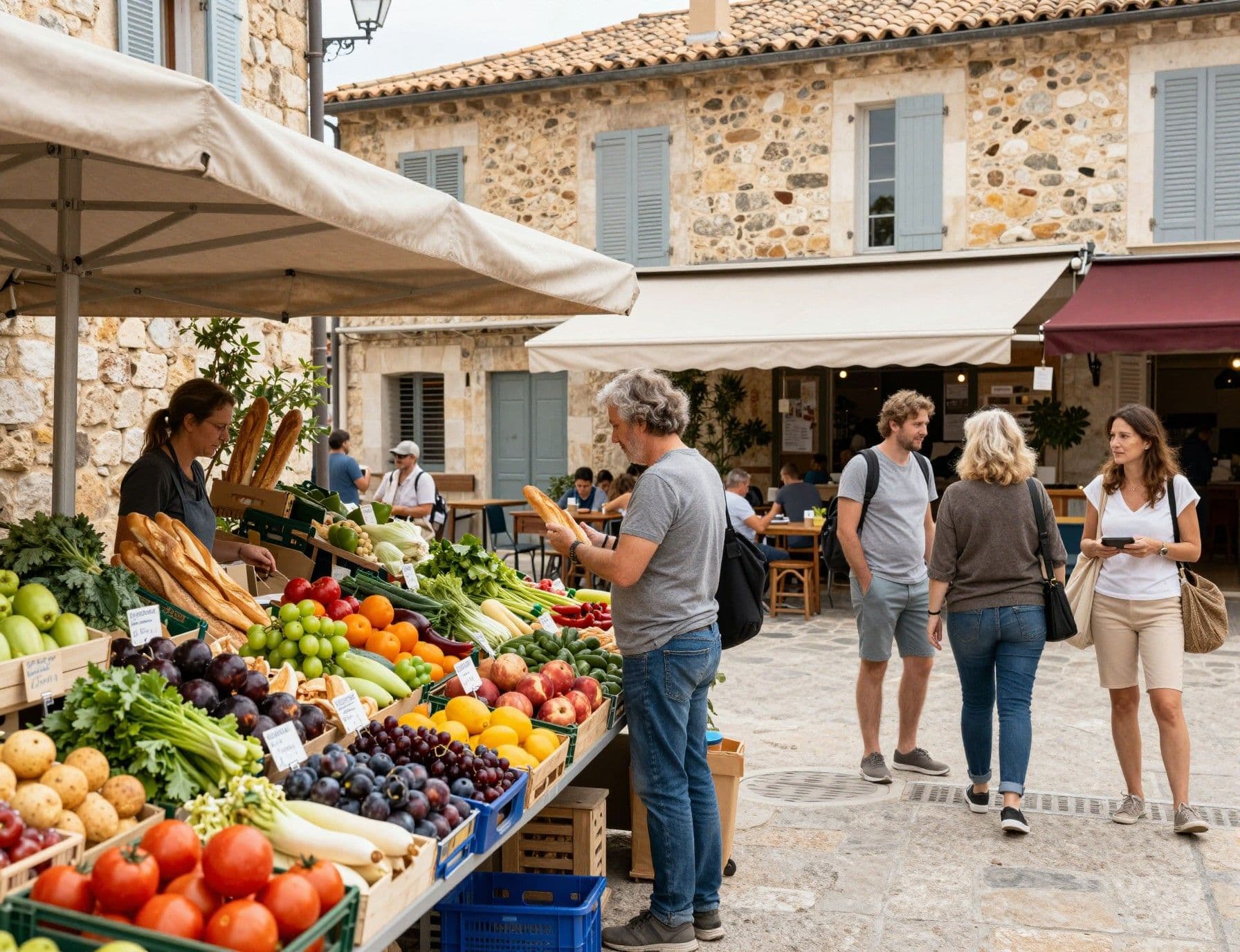
- Saturday market at Place des Lices (Saint‑Tropez) — source local produce for dinner parties
- Coworking sunset session at La Friche (Marseille) — vibrant creative community and sea breeze
Making the move: practical steps that protect the lifestyle

Once you’ve pinned down the vibe you want, legal steps shape the deal. In France the notaire (a public, impartial lawyer) handles title checks, publication and the final acte de vente—usually months after the initial compromis. That three‑month window is your due diligence runway: check title, servitudes, copropriété rules and rental registrations before signing.
Property styles and how they affect daily life
A stone farmhouse in Dordogne gives outdoor space and slow mornings—but higher maintenance and plumbing differences. A Haussmann flat in Paris is compact, elegant and great for culture access, but think storage, heating and condo rules. Match property type to how you actually work, entertain and travel.
Working with local experts who protect your dream
- Hire a bilingual notaire or an English‑speaking notaire to explain deeds and taxes.
- Commission a aeti (diagnostics) reports: termite, lead, asbestos, energy performance—these save thousands on surprises.
- Ask your agent for the last three procès‑verbaux of copropriété meetings to spot repair levies or disputes.
- Confirm cadastral plans and servitudes at the service de publicité foncière—don’t rely only on seller info.
- Budget for notaire fees (~7–8% for older properties), registration and potential renovation; get quotes early.
Insider knowledge: expat reality checks and red flags
Expats often underestimate three things: local maintenance rhythms (siesta‑timed craftsmen), the slow cadence of French bureaucracy, and the communal power of copropriété boards. Market data underline regional variability—so a national headline won’t tell you if a specific neighbourhood is overheated or undervalued.
Cultural integration and everyday community life
Spend weekends in local cafés, join a marché or a pétanque club. Learning just enough French opens doors—neighbors will trade renovation tips, baker recommendations and the best artisan plumbers. Integration makes living easier and protects your investment because local networks often detect building issues before they appear on paper.
Long‑term considerations for sustainable France living
- Check energy performance (DPE) for future renovation costs and resale value.
- Confirm local rental regulations if you plan to short‑term let during travel months.
- Plan for inheritance law quirks (forced heirship) which affect long‑term ownership plans.
France offers a life full of ritual—unhurried lunches, lively markets and beautiful public spaces. Protect that life with local expertise: an English‑friendly notaire, a diligent agent who knows municipal rules, and a translator for technical documents.
Ready to move from daydream to deed? Start by narrowing the neighbourhoods that match your daily rhythm, ask an agent for specific copropriété documents, book diagnostic reports and engage a notaire early. With lifestyle vision and legal checks aligned, France becomes not just a fantasy but a place you can truly call home.
British expat who moved from Manchester to Mallorca in 2017. Specializes in market analysis and helping fellow Brit navigate local regulations.