Italy’s Neighbourhood Rhythm: Buy for the Life, Not the Label
Italy’s charm is lived in neighbourhood routines — match daily rhythms to property choice, verify address-level broadband and permits, and work with agents who sell lifestyle, not just square metres.
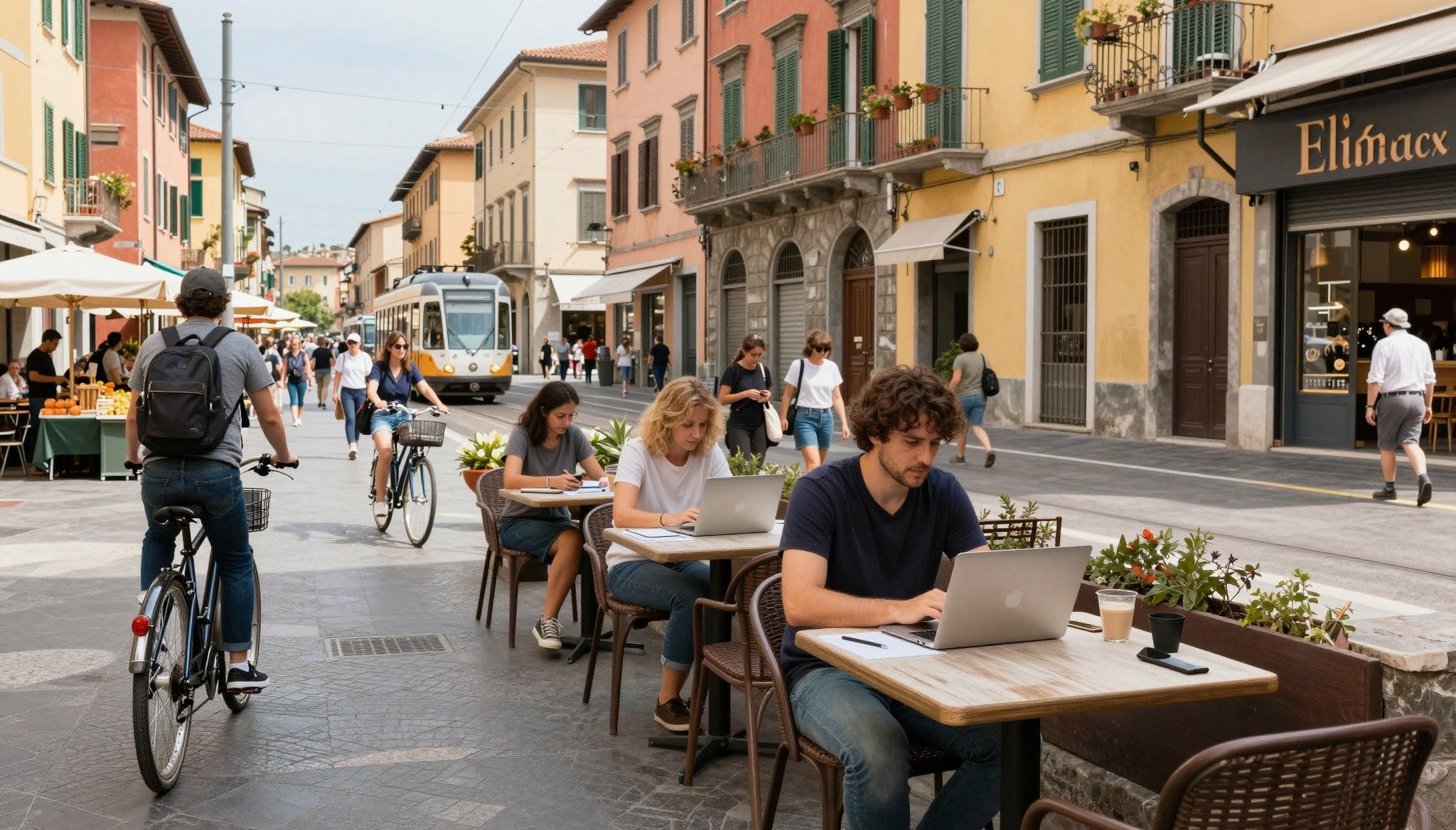
Imagine sipping an espresso on a sun-warmed stepside in Trastevere, then jumping on a train to a hilltop village for weekend market finds. Italy moves at two speeds: languid, ritual-rich days and a surprising modern pulse in cities like Milan and Bologna. For nomads and remote workers, that split is the gift — you can code at a coworking space in Porta Nuova and still learn the ritual of aperitivo in a piazza. But the dreamy lifestyle hides real estate subtleties that change where you should actually buy.
Living the Italy life: rhythm, food, and neighborhoods
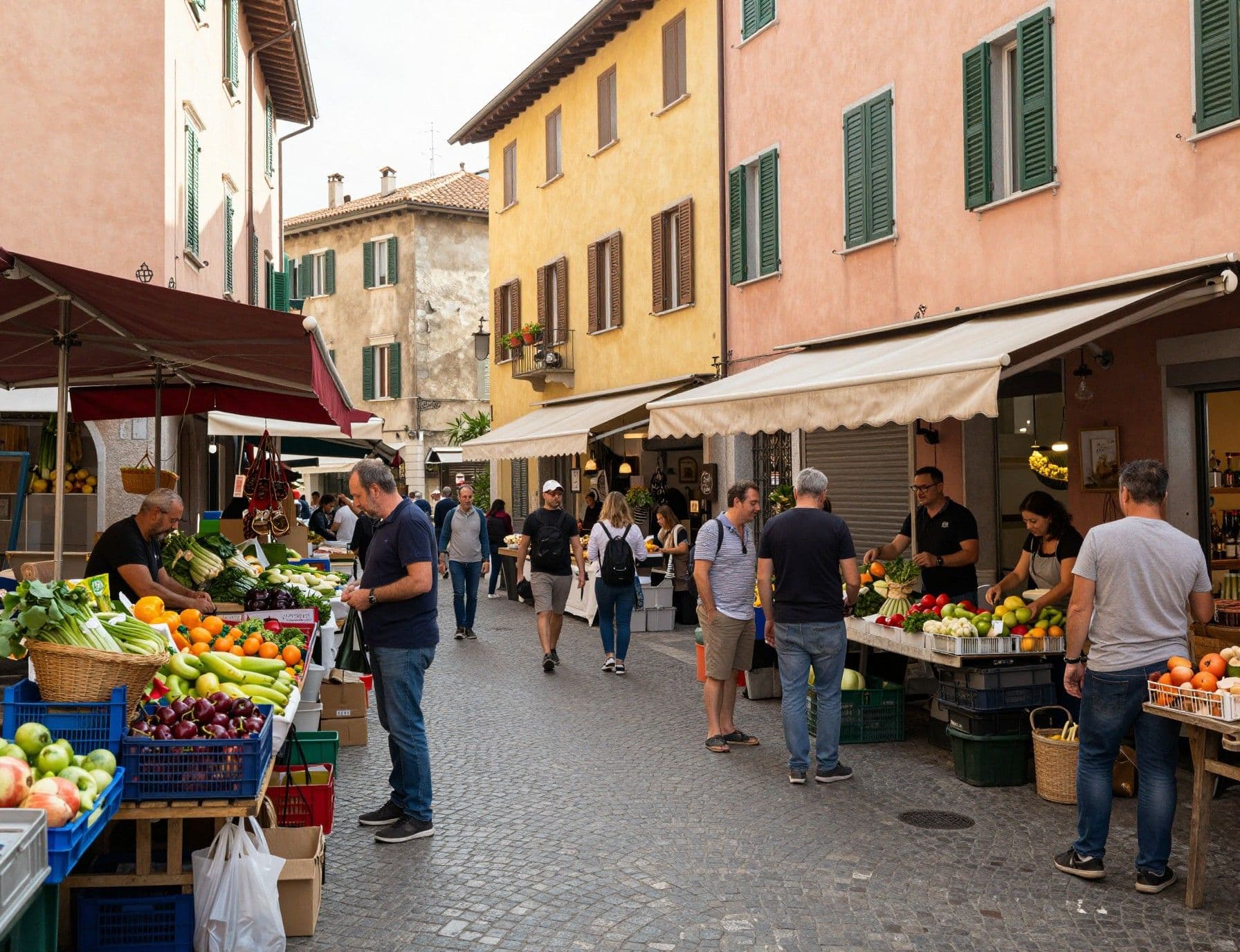
Life in Italy is sensory—cicchetti at a bar in Venice, espresso shots at dawn, the sound of church bells in hill towns, and afternoon siestas in summer heat. Streets are social rooms: balconies, corner cafes, and markets create micro-neighborhood communities where you’ll quickly learn names and rhythms. That social architecture shapes how you use space: small kitchens get swapped for patios and neighborhood camaraderie replaces big living rooms. For buyers this means choosing a property that matches how you want to spend time, not just how many square metres it offers.
Rome: micro-neighborhood romance (Trastevere, Prati, Pigneto)
In Rome you can have ancient layers and lively street life within a ten-minute walk. Trastevere feels postcard-Italian with cobbles and trattorie, Prati offers quieter streets and better day-to-day services, while Pigneto is younger, buzzy, and full of creative energy. As a buyer, weigh walkability and daily conveniences: a minutes-to-market flat keeps you living like a local. Expect smaller interiors in historic cores and higher renovation complexity — but exceptional lifestyle payoffs.
Coastal and countryside choices: Cinque Terre to Tuscany’s Val d’Orcia
Coastal towns like Amalfi, Positano and the Cinque Terre are cinematic but seasonal; winter quiet can feel like owning a private postcard. Tuscany’s Val d’Orcia or the Langhe provide rolling vineyards, slow markets, and a villa lifestyle that rewards long stays and entertaining. If you crave outdoor life, check local microclimates: a south-facing terrace in Liguria gives year-round mild weather, while hilltop Tuscany can be surprisingly cold in January. Properties here often come with land or storage — perfect for slow-food living or a small olive grove.
- Daily-life highlights to look for when choosing a neighbourhood
- Morning espresso spots and late-afternoon aperitivo bars within a 5–10 minute walk
- Open-air markets (mercato) frequency — weekly or daily markets reshape shopping habits
- Coworking and reliable broadband options (check fibre availability by address)
- Access to trains or regional flights for weekend escapes
Making the move: lifestyle-first property choices that work
Dreams meet paperwork sooner than you think. Recent market data shows steady nationwide price growth and stronger rental demand in 2025–2026, so a lifestyle purchase can also make sense as a medium-term investment. Use market reports to time offers in cities versus countryside — cities often tighten faster. Work with agents who sell the neighbourhood as much as the flat: they’ll know where fibre is already installed, which building has rental potential, and what renovation permits really take.
Property types and how they match nomad life
Historic apartment in a centro storico gives daily theatre and walkable life but often means stairs, single-glazing, and renovation permits. A modern apartment near Porta Nuova in Milan offers fast internet, elevators, and easy coworking access. Country villas reward entertaining and outdoor living but can isolate you in winter unless you budget for utilities and transport. Think in terms of 'how do I want to spend weekdays' not just 'how many rooms do I need'.
How to work with local experts who get nomad priorities
Good local agents act like cultural translators: they know which documents matter to non-residents, where to find certified translators, and which notaries move quickly. Ask agencies for references from recent international buyers and for examples of properties they helped ready for short-term renting. Also check if they coordinate with internet installers and property managers — these small services make remote ownership painless. Pick an agency that frames property search around lifestyle cues (cafes, coworking, weekend routes), not just photos.
- Steps to match lifestyle with a purchase (practical, with flavour)
- Map three day-in-the-life routes: morning, work, evening — test them on a week visit
- Verify broadband at the exact address (ask provider and look for fibre street cabinets)
- Ask an agent about seasonal rental demand if you plan to rent when away
- Budget for renovation permits, especially in historic centres — expect longer timelines
Insider knowledge: what expats wish someone told them
Here’s the real talk: prices rose across Italy through 2025 and early 2026, but gains are uneven — Milan and Florence move faster than hinterland villages. Official statistics from Istat confirm steady house price increases year-on-year, and industry reports show rental demand pushing returns in many mid-size cities. That means your timing and micro-location matter more than your country-level assumption. Buying in the right street of the right town often beats buying anywhere in the right region.
Cultural cues that change how you live in Italy
Sundays are for family and markets; small businesses may close midday for pausa in many towns. Learning a handful of Italian phrases opens doors — and shopkeepers remember faces. Neighbourhood norms matter: in some places you’re expected to recycle religiously, in others you’ll bond at the bar over calcio results. These habits shape whether you’ll feel at home quickly and influence where you’ll want to buy.
Long-term surprises buyers report (and how to avoid them)
Buyers often underestimate renovation timelines in protected zones and the cost of upgrading heating or installing double glazing in old stone buildings. Others forget seasonal accessibility: mountain roads close in heavy snow and ferry schedules control island life. Solve these by asking for past utility bills, speaking to neighbours, and checking municipal building rules before offering. A quick year-in-the-life check avoids a lot of 'should-have-known' regret.
- Common red flags (listen to locals)
- Long-unresolved building disputes or unclear condominium minutes
- Properties with patchwork, un-permitted works or missing compliance certificates
- Addresses without reliable broadband or poor mobile coverage
Conclusion: fall in love, then test the rhythm and act with local partners. Italy rewards long weekends, market friendships, and neighbourhood loyalty — but it also rewards careful local research. Start with lifestyle scouting trips, require address-level checks (internet, transport, market frequency), and hire an agent who thinks in routines, not just rooms. If you want help matching lifestyle days to actual streets, agencies that specialise in expat transitions will save you months of trial-and-error and bring the best corners of Italy within reach.
Danish investor and relocation advisor focusing on Portugal and the Algarve; loves coworking culture and expat networks.