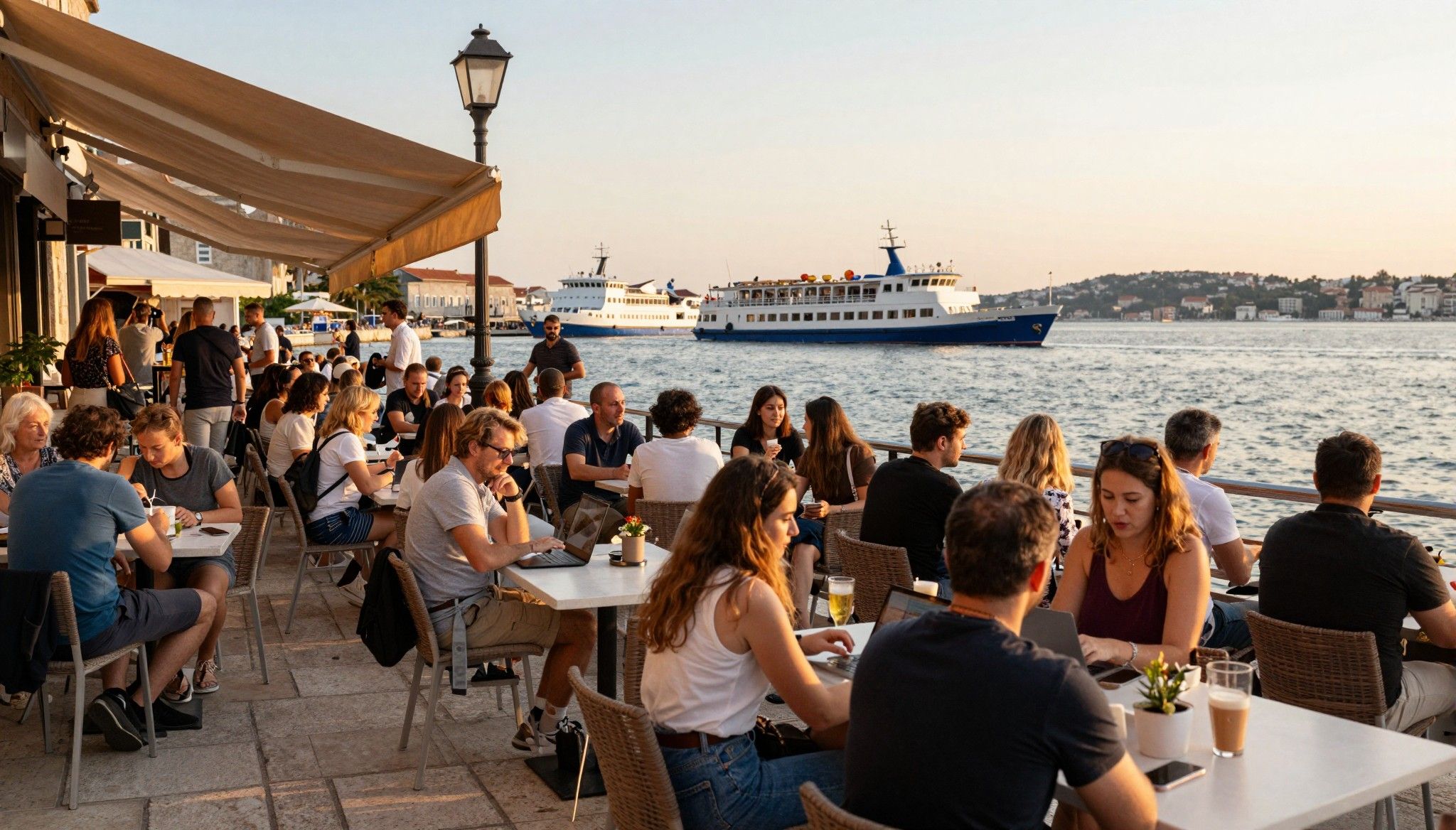
Greece: Match Your Day‑to‑Day, Not the Postcard
A lifestyle‑first look at buying in Greece: match neighborhoods to your workday, check internet and title, and use local experts to turn dreamy terraces into practical homes.
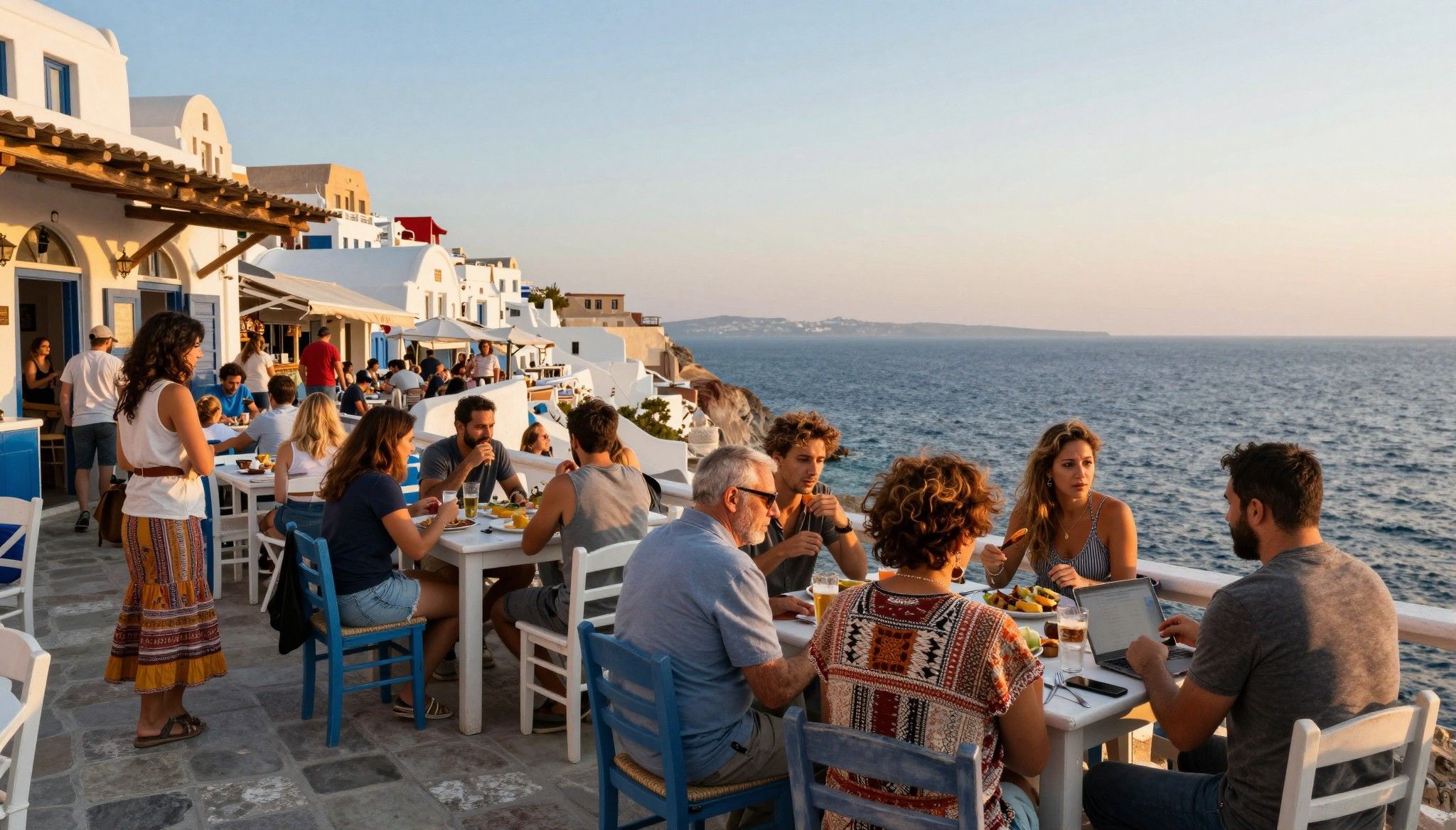
Imagine sipping a late‑morning espresso on a sunlit table in Koukaki, laptop open, Acropolis framed by bougainvillea — then hopping on a tram for a weekend boat trip to Aegina. Greece moves at two speeds: slow, communal mornings and a surprisingly efficient digital‑era worklife. For international buyers drawn by that rhythm, the question isn’t whether Greece is beautiful — it’s which version of Greek life fits your day‑to‑day. Recent market analysis shows foreign demand is reshaping pockets of Athens and the islands, so lifestyle choices and local market realities must align before you buy.
Living the Greece lifestyle
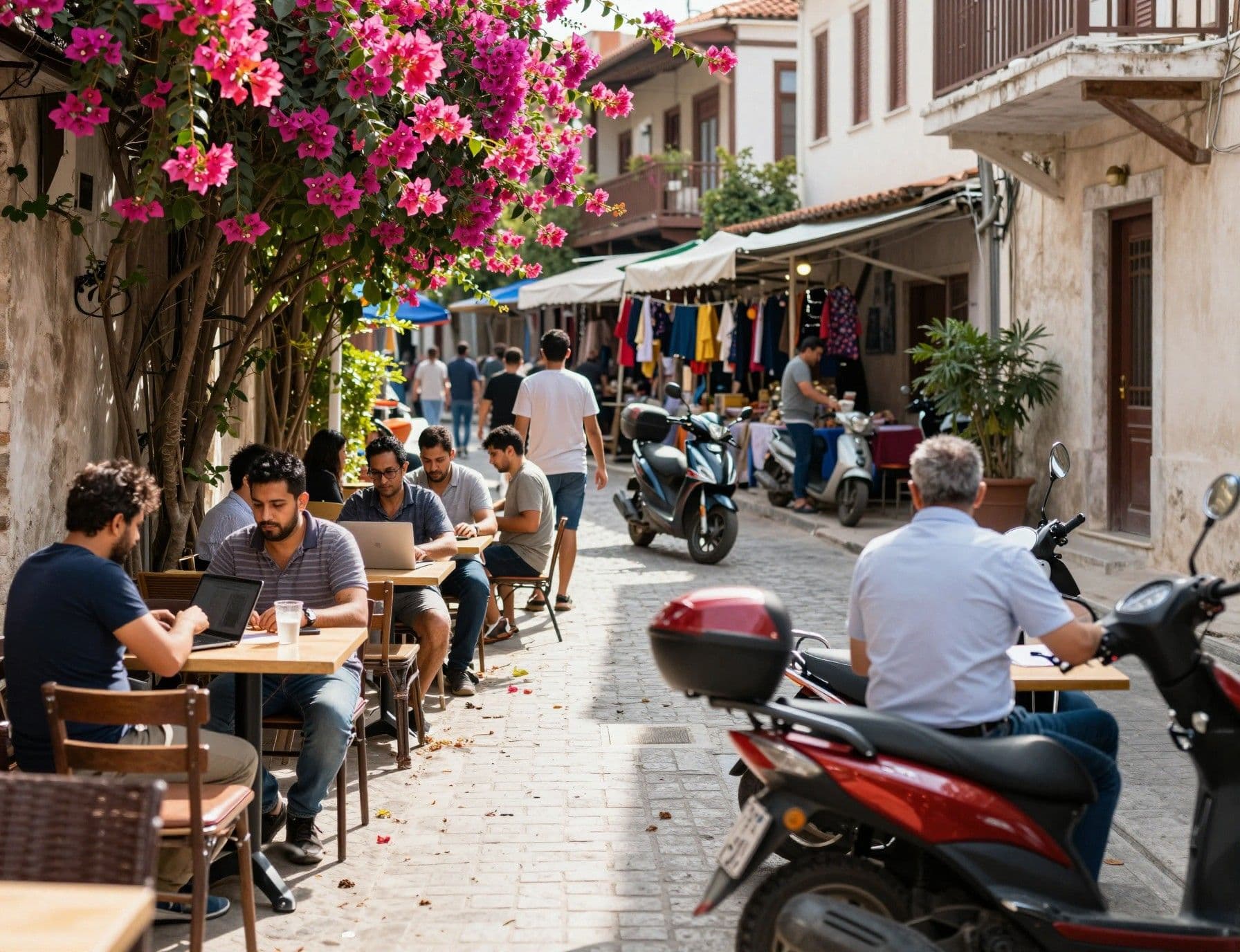
Greece is stitched from contrasts: Athens’ lively squares and hip cafés, Cyclades whitewash and narrow lanes, Crete’s olive‑scented villages and pine‑lined coves. Daily life centers on outdoor cafés, fresh markets, and a late evening social tempo that keeps terraces full. Neighborhoods matter here — they define your morning coffee ritual, how often you’ll use a car, and whether your broadband is reliable enough for client calls. Pick places where the rhythm matches your workday and social life, from Koukaki and Pangrati in Athens to Glyfada’s sea breeze and Chania’s walkable old town.
Koukaki & Pangrati: Athens’ working‑week neighborhoods
Koukaki is compact and neighborly — espresso bars, small bistros, and coworking spots nestle under the Acropolis. Pangrati is a step more local‑everyday: parks, bakeries, and a rhythm that suits families and remote workers who want quick metro access. Both are walkable, café‑friendly and offer a balance of tranquility and social life — perfect if you want a city base that still feels residential. Expect older apartments with high ceilings; many are ideal for light renovations to add a home office and AC for hot summers.
Islands & coastal towns: the seasonal tradeoff
Buying on an island like Paros, Naxos or Crete offers sea views and village life but accepts seasonality in exchange. Summers hum with tourists and vibrant social calendars; winters quiet down and some services contract. For remote workers, that means planning for off‑season community (schools, healthcare, coworking) and checking connectivity. Many expats split time between Athens and an island to balance year‑round services with summer magic.
- Lifestyle highlights to scout during a house‑hunt:
- Morning espresso spots: Falirou Street cafés in Koukaki and the Pangrati market bakery
- Coworking & meetups: Check Campus Athens or local hubs in Glyfada for networking events
- Weekend escapes: ferries to Aegina or a 2‑hour drive to Peloponnese beaches
- Markets & fresh food: Varvakios Market in Athens and island weekly markets for produce
Making the move: practical considerations

Lifestyle dreams must be matched to legal steps and local market patterns. Greece’s process requires a tax number, a notary and payment of a property transfer tax (generally 3% as a baseline), plus registration in the land registry. Working with a local lawyer and an agent who knows the neighborhood will save time and prevent cultural misreads. Practical checks — title clarity, water and seismic certificates, and internet speed tests — should be routine on every viewing.
Property styles and how you'll live in them
Older Athens flats tend to have generous rooms, tall windows and minimal built‑in storage; that’s perfect for creative renovation and adding dedicated work nooks. Newer builds on the coast offer terraces, AC and modern insulation that reduce summer discomfort but may cost more per square meter. If you plan to rent through platforms, prioritize properties with outdoor space and separate sleeping areas — those yield stronger seasonal and mid‑term returns.
Working with local experts who know the lifestyle
- Steps to match lifestyle to property (practical + feel):
- Book a living‑in visit: spend a week in your target neighborhood to test morning routines, noise levels, and local shops.
- Get a local internet speed and mobile‑coverage check to confirm remote work reliability.
- Hire a bilingual lawyer and an agent who specializes in expat clients and the micro‑area you love.
- Factor in seasonal costs: higher cleaning, property management and utilities in summer months if you plan short‑term rentals.
Insider knowledge: what expats wish they'd known
Expats tell the same truths: the social warmth is real, but services can be uneven outside Athens. Mid‑market homes are now the bulk of foreign purchases, not just luxury villas, so expect competition for well‑located, ready‑to‑live properties. Plan for bureaucracy and slow administrative timelines; patience and local contacts convert stress into smooth closings. Also — don’t assume every island is a year‑round community: some slow dramatically in winter.
Culture, language and finding your people
Greek friendliness is genuine; learn a few phrases and you’ll be welcomed. Many expats form circles around language cafés, international schools, and coworking hubs. Attend local festivals, church fairs and farmers’ markets to meet neighbors — these are where real community forms. Language isn’t a barrier to daily life but matters for bureaucracy; a bilingual lawyer or fixer is invaluable.
Long‑term lifestyle sustainability
Think beyond the purchase: maintenance, seasonal letting rules and local property management shape whether your Greek life is easy or exhausting. If you aim to rent, hire a local manager familiar with tourist licensing and cleaning cycles. If you want community, choose neighborhoods with year‑round services and a mix of residents rather than only holiday homes. Over time, you’ll trade some spontaneity for a dependable routine that keeps the romance alive.
- Red flags to watch for on viewings:
- No clear title or missing cadastral registration (ask your lawyer).
- Unexplained water damage or wiring that needs full replacement — factor heavy renovation costs.
- No documented internet speed — test in person or with a neighbor’s provider account.
Conclusion: Greece as a lifestyle investment
Greece rewards buyers who prioritize lifestyle alignment over status. Choose a neighborhood that fits your weekly rhythm, confirm practical details (taxes, title, internet), and lean on local experts to bridge cultural and administrative gaps. Start with a living‑in week, hire a bilingual lawyer, and treat property management as part of your budget. Do that, and you’ll not just own a property — you’ll inherit a life of sea‑facing dinners, market mornings and a community that makes the move feel like coming home.
Dutch investment strategist guiding buyers to Greece and Spain; practical financing, tax, and portfolio diversification.