How France’s Lifestyle Shapes Smart Financing Moves
Fall in love with France’s rhythms — then make the purchase smart: pre‑approve, plan for 7–8% acquisition costs, use euro FX strategies, and test neighbourhood life.
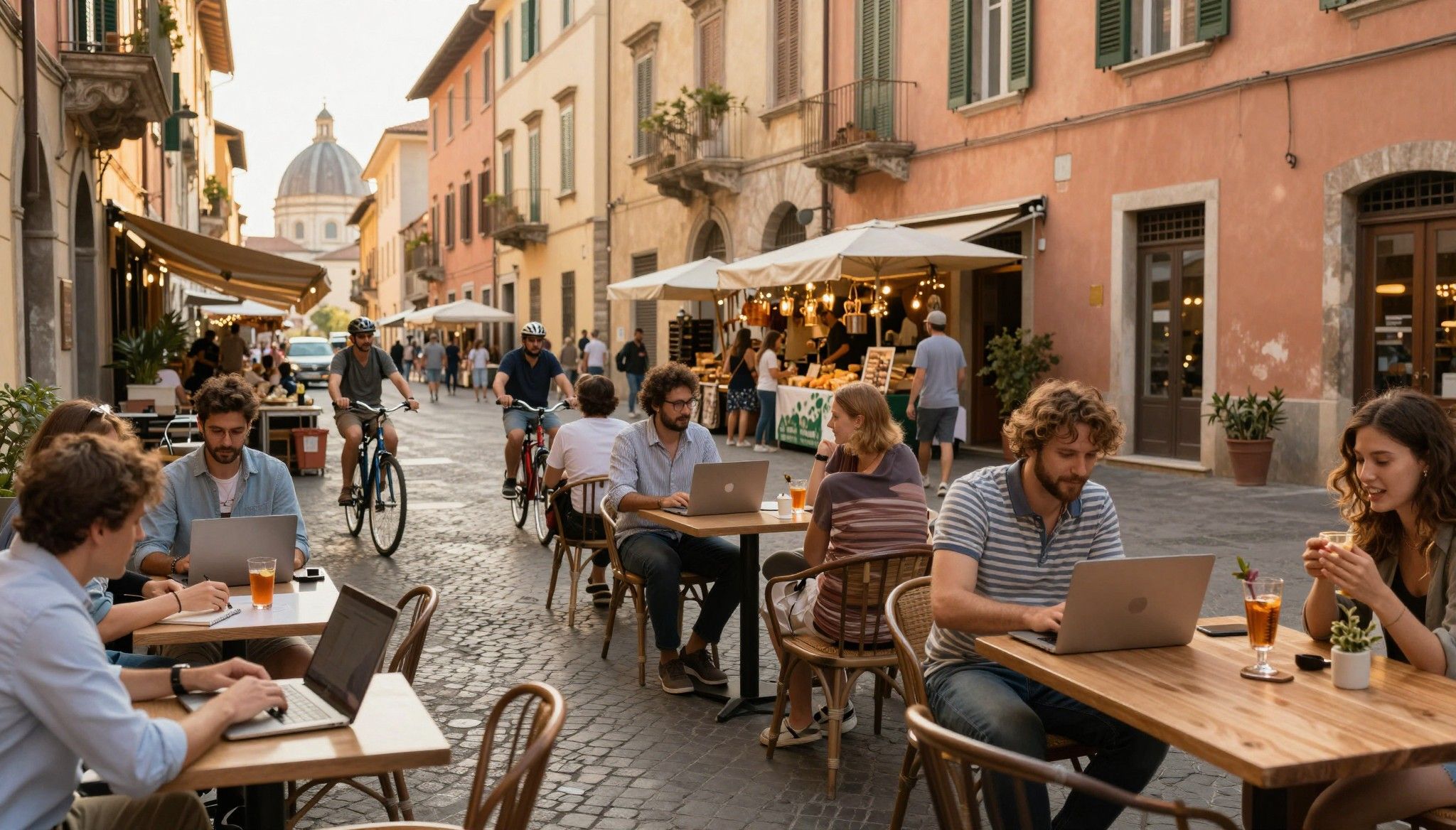
Imagine starting your morning with a café crema on Rue Montorgueil, then switching to a 90-minute deep‑work session in a bright coworking space before a late-afternoon stroll along the Seine. That easy rhythm — work, market run, aperitif — is why so many nomads and international buyers fall for France. But the romance meets numbers: mortgage rules, notaire fees, currency timing and non‑resident lending paint a very practical picture. This guide mixes the smell of fresh croissants with the exact financial moves that make a French purchase smart and sustainable.
Living the France life: streets, seasons, and real rhythms
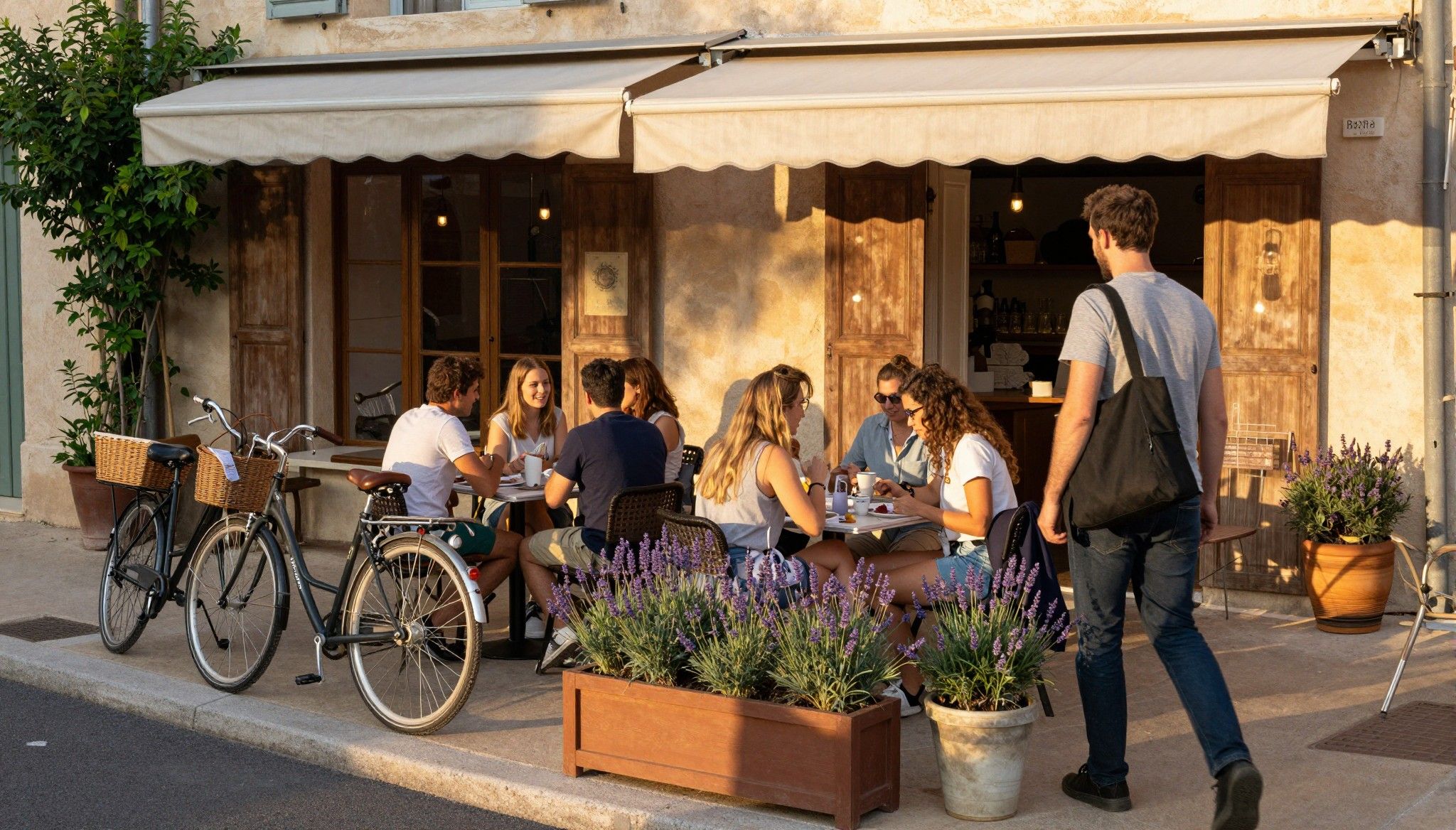
France is many lives at once: pastel Biarritz mornings, Provencal lavender summers, crisp autumn markets in Lyon, and slow, cosy winters in Brittany. Streets dictate your day — boulangeries open at dawn, marchés cluster on Thursdays and Sundays, and cafés double as freelance offices. Choose a neighbourhood and you choose a tempo: lively, late-night 11th‑arrondissement Paris; sunlit, café-lined Cours Mirabeau in Aix; or the drawn-out seaside pace of Saint‑Nazaire.
Neighbourhood spotlights: where lifestyle meets property
Want street-level life? Walkable arrondissements in Paris (Canal Saint‑Martin, Oberkampf) offer cafes that double as desks and tiny local markets that make weeknight cooking joyful. If you dream of Mediterranean terraces and morning swims, look along the Côte d’Azur — cities like Nice and Toulon have neighbourhoods where the sea sets the pace. For vineyards and quieter restoration projects, towns around Bordeaux and the Luberon deliver rustic charm and renovation potential.
Food, festivals and everyday joys that shape where you buy
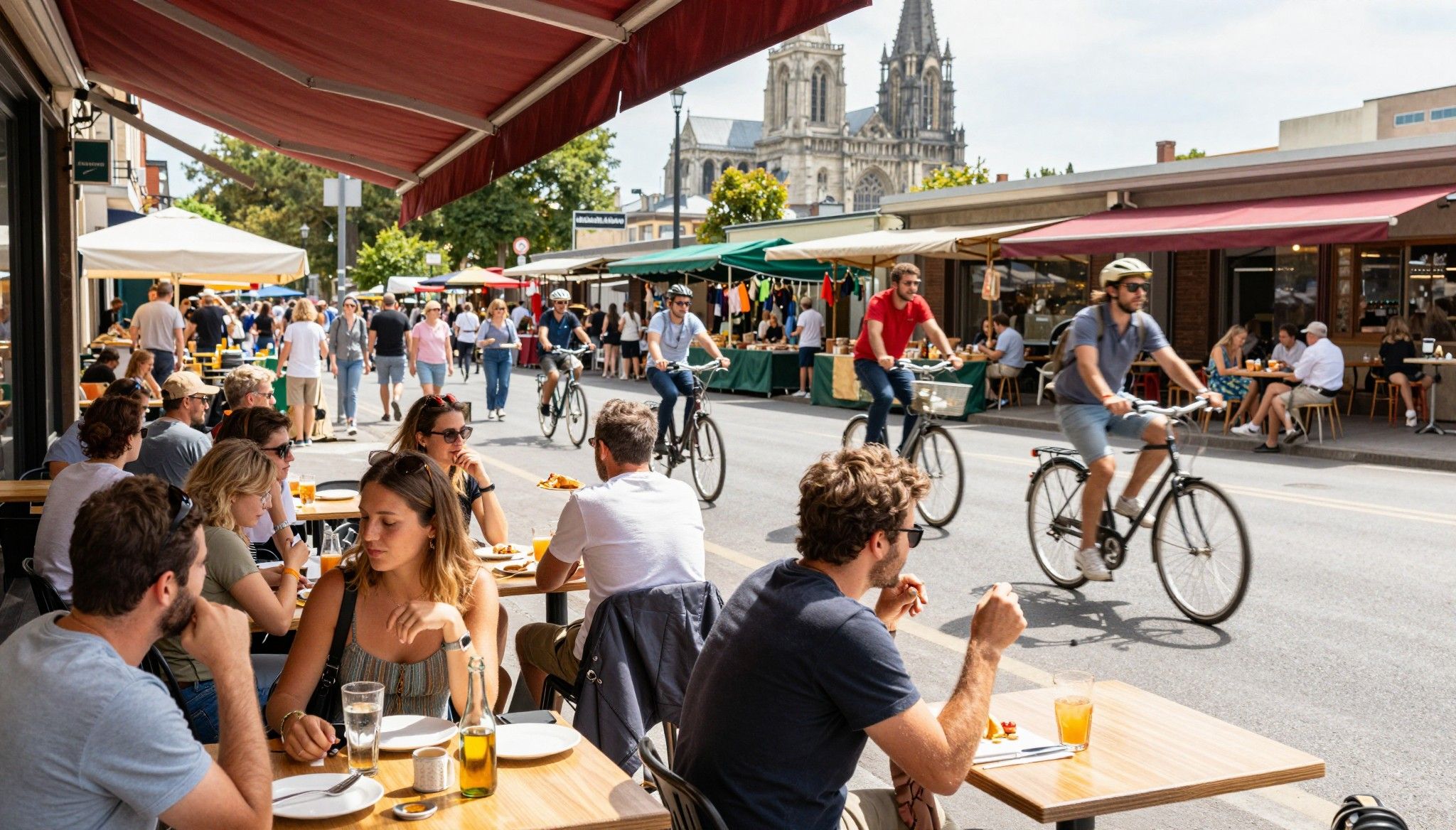
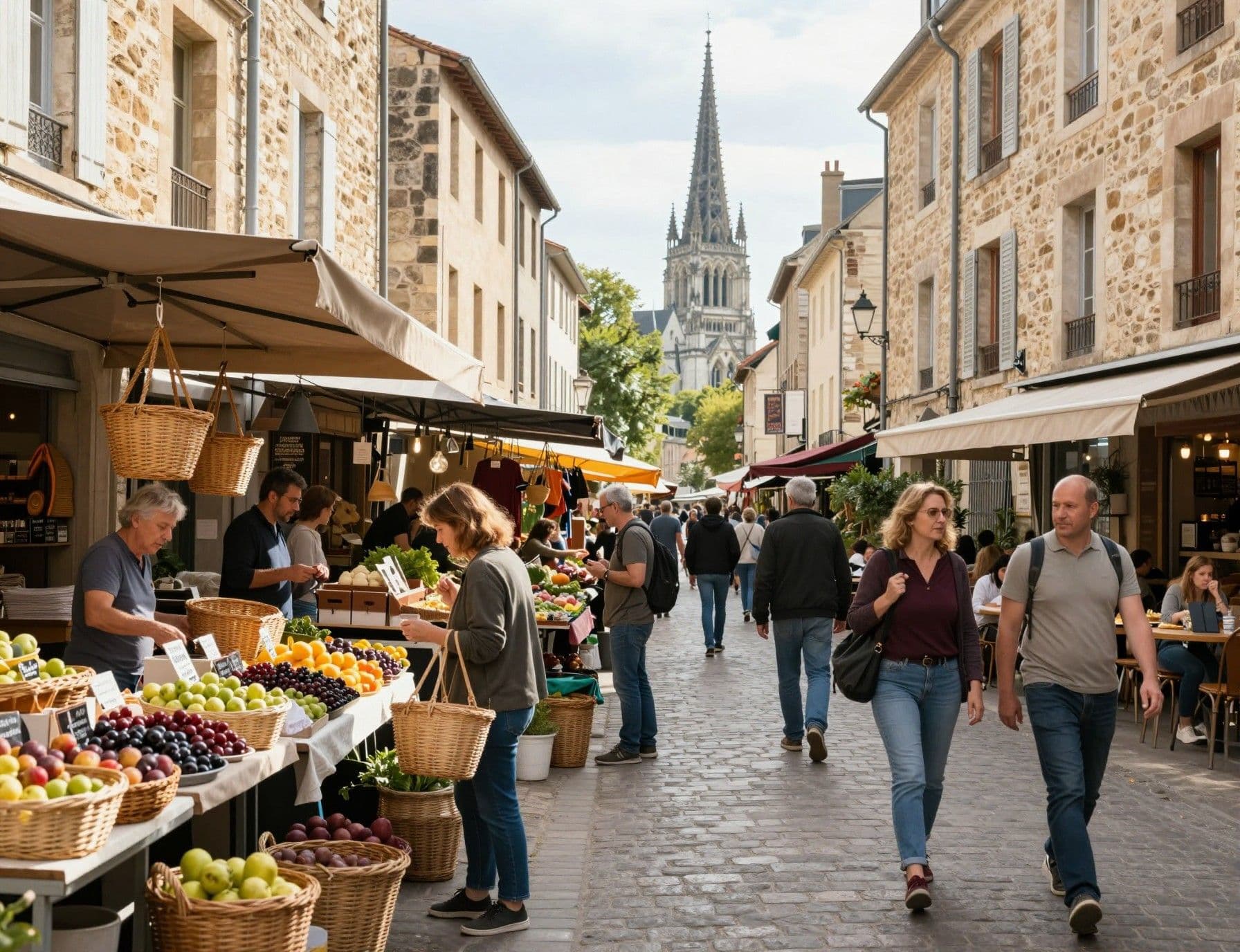
Markets and seasonal rituals matter. Picture Thursday marché stalls at Place de la Madeleine, weekend oyster runs in Cancale, or October truffle markets in Périgord. These rhythms influence property choices: apartments near weekly markets mean you actually cook, village houses near harvest festivals connect you faster to community, and coastal flats are rented seasonally when festivals spike short‑stay demand.
- Lifestyle highlights to scout before you make an offer: • Morning café + 4G/fiber signal for remote work (e.g., Canal Saint‑Martin cafés). • Weekly marché within a 10-minute walk. • Evening dining options and a lively local bar scene. • Nearby coworking hub or library with reliable sockets and outlets. • Easy rail link (TGV/TER) for weekend escapes.
Making the move: how money, banks and timing shape your dream

The smell of fresh paint is lovely until you factor in transaction costs. For older properties, acquisition costs (commonly called 'frais de notaire') now typically sit around 7–8% of the purchase price, while new-builds are closer to 2–3%, though local departmental surcharges can nudge totals higher. Knowing this early changes budgets and offer strategy: a €300,000 Paris flat with 7% acquisition costs needs a very different down payment than a rural renovation project.
Property types and finance fit: match the loan to your life
French mortgages differ by lender and by whether you’re a resident. Many French banks lend to non‑residents but ask for larger down payments (often 20–30%) and proof of stable income. For renovation-heavy purchases, consider a split financing approach: a standard mortgage plus a short-term personal loan or renovation credit to cover immediate improvements. Always check the bank’s terms for insurance and early‑repayment penalties.
- Practical financing steps to take (mixing life + numbers): 1. Get pre‑approval from a French bank or international lender before house‑hunting. 2. Lock an exchange‑rate partner if you don’t hold euros — timing can save thousands. 3. Add 7–8% (old property) to your offer for acquisition costs; 2–3% for new builds. 4. Ask about non‑resident tax representation and rental tax rules if you plan to let the home. 5. Bring clear proof of income, three months of bank statements, and ID; lenders move faster with complete dossiers.
Insider knowledge: what expats wish they'd known about living and banking
Real buyers tell the same three confessions: they underestimated notaire fees, they ignored local seasonality in pricing, and they treated exchange rates like an afterthought. In 2025–2026 many cities saw renewed price growth, so fleeing to the countryside for 'value' isn’t always guaranteed. The smartest expats blend a lifestyle checklist with market data and keep one foot in local reality: visit outside high season, ask neighbours about year‑round life, and test commute times.
Cultural and banking tips that save time and stress
Open a local account early — it’s useful for paying utilities, the notaire, and for mortgage disbursements. Use a regulated currency partner for transfers to avoid poor bank FX rates and consider euro‑hedging if your earnings are in a fluctuating currency. Learn a few banking phrases in French and bring certified translations of key documents; this speeds up dossier acceptance with lenders and notaries.
Longer-term thinking: taxes, rentals and maintenance
If you plan to rent, know local short‑stay rules: many communes restrict holiday lets and require registration. Property tax (taxe foncière) and local residency taxes vary by commune and should be budgeted annually. Factor in property management costs if you’ll be remote: a trusted local agent who handles rentals, cleaning, and emergency fixes is often worth the fee for peace of mind.
- Red flags and quick checks before you sign: • No proof of recent renovations — plumbing/electrics may be old. • Vague boundaries in the cadastre — ask the notaire for clarity. • No fiber or mobile signal advertised — test at different times of day. • Unusually low price in an active market — there may be hidden legal or structural issues.
Ready to fall in love for real? Start with lifestyle reconnaissance: spend a week living the neighbourhood’s rhythm, check coworking access, test transport, and eat your way through local markets. Then lock the financial pieces: pre‑approval, exchange‑rate plan, and a notaire you trust. An agency that understands nomads — fast fiber, workspace layouts, and rental potential — will turn that dream street into a signed acte de vente without losing the joy in the journey.
Danish investor and relocation advisor focusing on Portugal and the Algarve; loves coworking culture and expat networks.