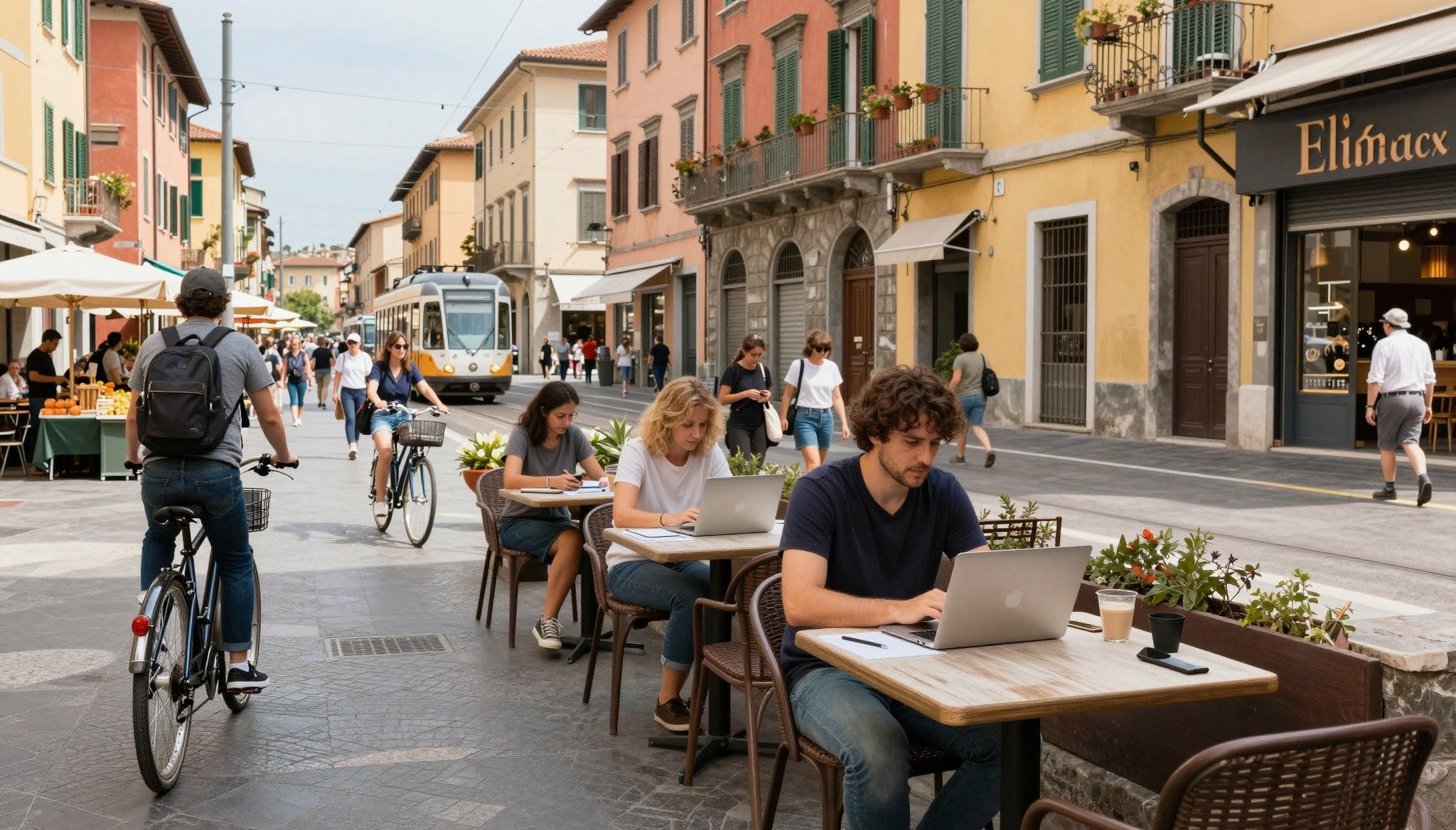
Budgeting for the France life: real costs, hidden rules
Fall for France’s markets, then budget like a local: factor departmental registration taxes (DMTO), notaire fees (~7–8% old stock), and lifestyle costs before you sign.
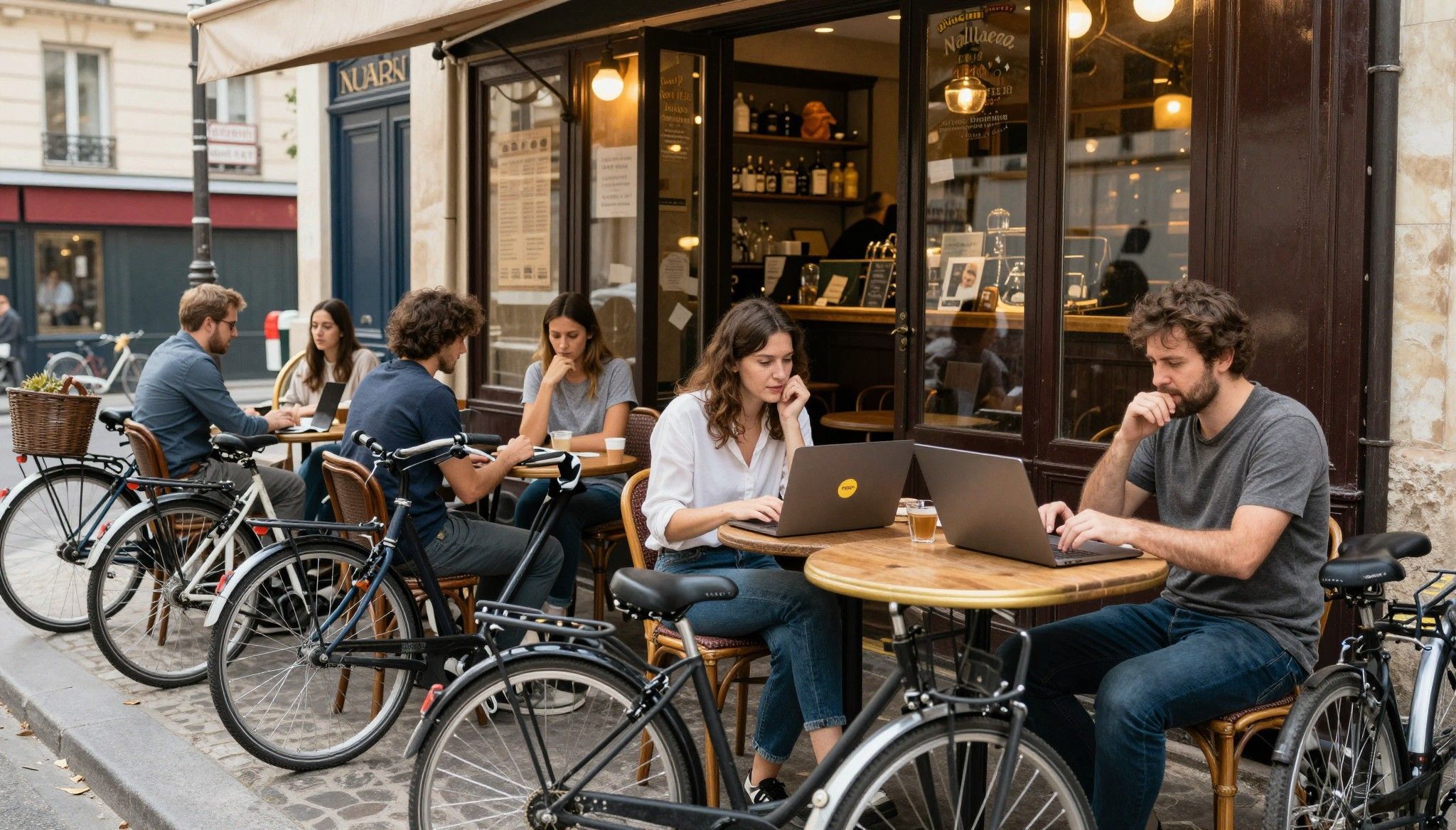
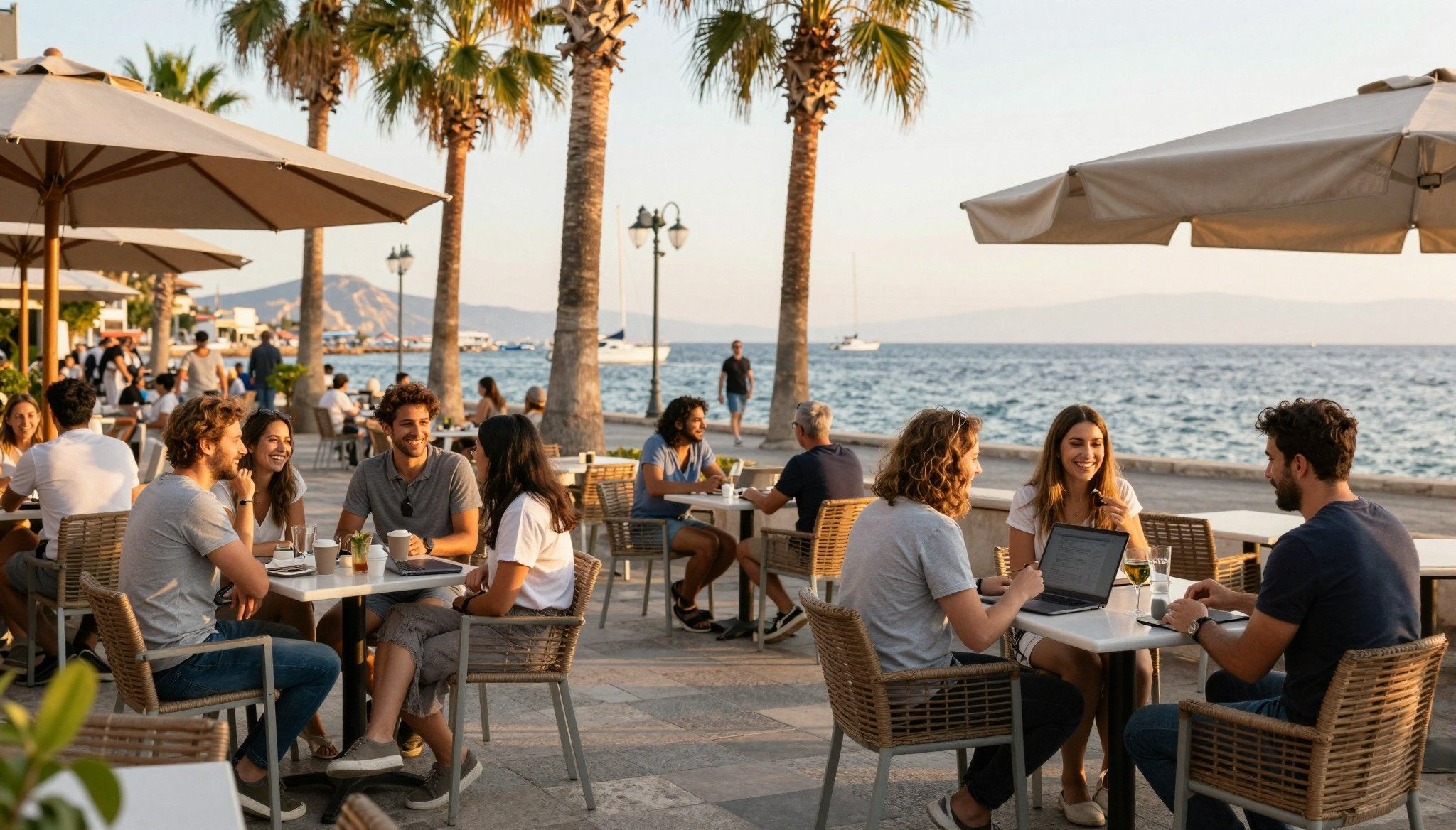
Imagine sipping an espresso on Rue des Rosiers in Paris, then hopping a regional train to a sunlit terrace in Aix‑en‑Provence the same weekend. France moves at multiple rhythms: sharp, elegant city mornings, lazy market afternoons in small towns, and long coastal evenings where dinner runs late and life tastes of olive oil and sea air. That dreamy contrast is why you’re here — but don’t let romance outpace the numbers. A smart international buyer plans a budget that fits the lifestyle first and the legal reality second, and that’s what we’ll do together.
Living the French life — what actually feels like home
Living in France is sensory. In Lyon, mornings smell of warm brioche and coffee; in Biarritz waves punctuate your work breaks; in Montpellier, electric bike lanes braid through plazas where friends gather for apéro. Streets change character block by block: grand Haussmann avenues give way to intimate courtyards, and seaside promenades open into sleepy fishing harbors. If you picture your life here, think small rituals—weekly marché runs, a favourite café table, an after‑work pétanque game—and then connect those rituals to postcode reality when you budget.
Neighbourhoods that match different nomad moods
Want a fast‑paced city base with coworking and late cafés? Look at Le Marais (Paris) or Croix‑Rousse (Lyon). Craving coastal weekends and surf culture? Consider Biarritz or Hossegor. Prefer provincial charm with markets and a slower tempo? Saint‑Rémy‑de‑Provence or the Dordogne villages will do. Each choice changes your budget: proximity to TGV lines, a terrace, and reliable internet are lifestyle essentials with a price tag.
Food, markets and rhythm — why neighborhood choice shapes monthly life
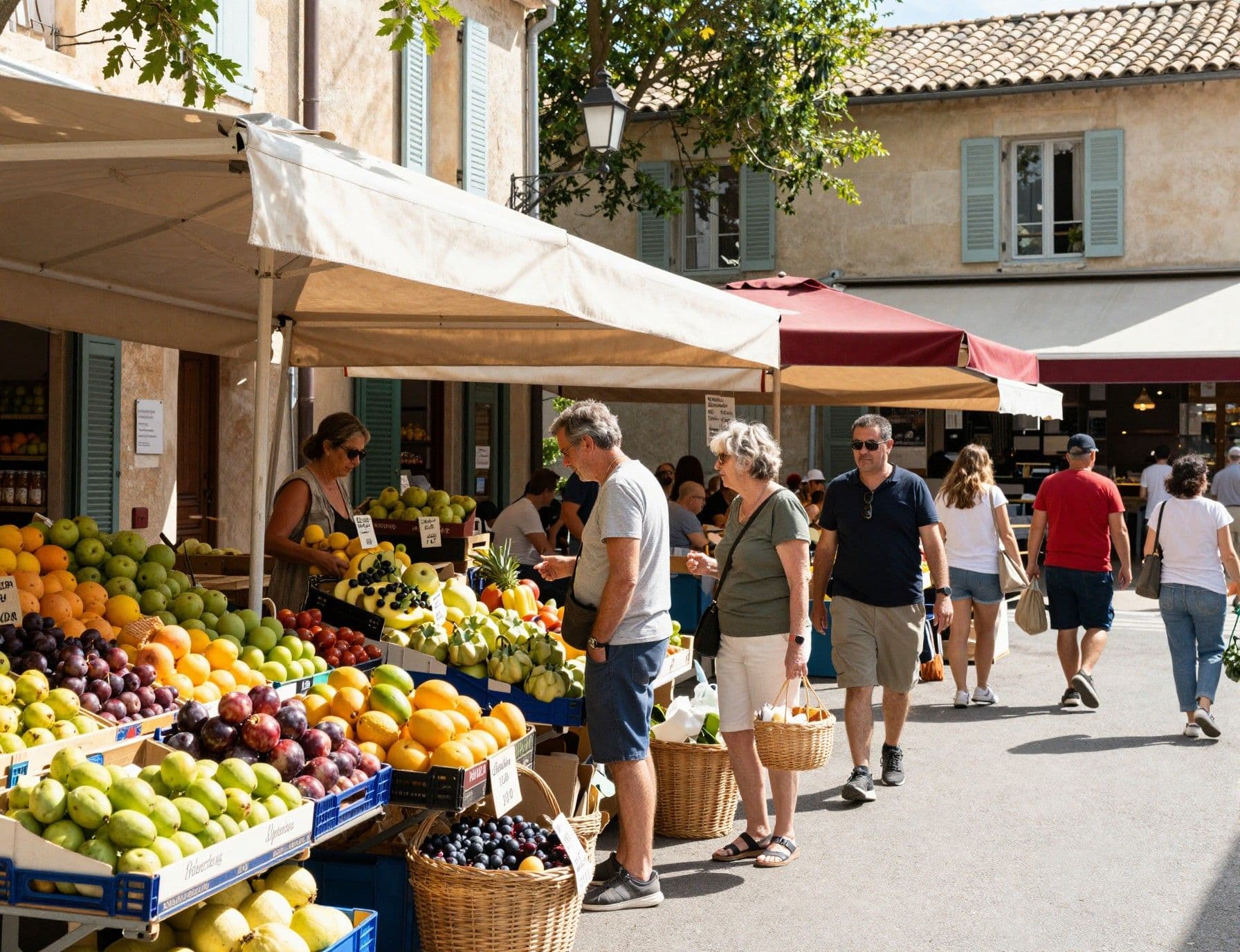
Markets are the social backbone. Buying in Avignon means Saturday stalls where you’ll shop for vegetables and gossip; in Nice you’ll choose fish for tonight’s salade niçoise; in Paris you’ll rotate between two favoured boucheries. That affects storage needs, kitchen size, and whether you rent a car for weekend escapes. When you budget, factor in not just mortgage and utilities but how you want to live: daily market trips, a kitchen made for cooking, or a compact pied‑à‑terre and dinners out.
Making the move: practical costs that shape the dream

Here’s the hard truth: the purchase price is only the opening line. Typical acquisition costs (commonly called 'frais de notaire') for older properties average roughly 7–8% of the price, and lower (around 2–4%) for new builds, because most are taxes passed to the state rather than pure legal fees. Since 2025 some departments have raised their registration tax up to around 5% for second‑hand purchases, so where you buy in France matters almost as much as what you buy. Build these rates into your initial budget and you won’t be surprised at signing time.
Property styles and what they cost to own
A renovated village house in the Dordogne will likely come with higher maintenance (roof, drains, insulation) than a modern apartment in Bordeaux. Coastal villas add storm‑proofing and insurance considerations; historic apartments may be in copropriété with monthly charges for shared staircases and lifts. When I budget, I add 1–1.5% of purchase price annually for maintenance on older properties and an extra 0.5–1% for insurance and local taxes in exposed coastal zones.
- Quick budgeting steps (numbered)
1) Set a lifestyle number first: how much do you want to spend monthly living (rent/mortgage, food, transport, social life)? 2) Add one‑off purchase costs: 7–8% (old) or 2–4% (new) for acquisition taxes and notaire fees. 3) Add mortgage setup and bank guarantees (~1–2% of loan) and any currency transfer fees. 4) Reserve 3–6 months of living costs in an accessible account and a renovation contingency (5–15% of renovation budget). 5) Check local DMTO (registration tax) for the department you’re eyeing — it can change the acquisition figure by hundreds or thousands of euros.
Insider knowledge: mistakes expats make and how to avoid them
Here’s what I see again and again: buyers fall in love with a home before checking the local registration tax, forget to confirm strong internet for remote work, or underestimate copropriété (condo) charges in historic buildings. Another common trap: assuming Paris-level prices everywhere — regional France often offers more space and better value, but commuting and connectivity tradeoffs matter. The fix is simple: list your non‑negotiables (internet speed, commuting tolerance, outdoor space) and ask your agent to cost them into the budget upfront.
- Red flags to spot early
• No recent diagnostics (DPE, plomb, termites) — demand copies before visits. • Unclear copropriété accounts — ask for last three years of charges and work reserves. • Vague boundary descriptions or missing cadastre references — have a notaire check titles. • Weak mobile/internet coverage — test on site at peak hours. • Sudden departmental tax increases — verify DMTO for the commune on service-public.fr.
Working with local experts — how they protect the lifestyle you want
A local agent who knows the market is more than a fixer; they’re a translator of lifestyle into numbers. Ask them for: neighbourhood walking tours that show morning routines, a rundown of typical utility and copro charges, and introductions to local notaires and architects. For nomads, a bilingual agent who understands remote‑work needs (fast fibre, coworking, easy travel links) will save you weeks of costly trial‑and‑error.
- Checklist to use with any French agent (numbered)
1) Confirm which costs the agent’s fee covers and whether it’s buyer or seller paid. 2) Request recent examples of closed deals in your target area (prices and timelines). 3) Ask for local DMTO rate and typical notaire cost breakdown. 4) Verify average time from offer to signature (compromis to acte définitif). 5) Get written confirmation of fibre or 4G/5G speeds at the property.
What expats wish they’d known — real stories, real savings
An American friend bought in Montpellier and discovered a hidden annual taxe foncière spike because the house’s land classification changed — a €1,200 surprise that could have been avoided with a land‑use check. A British couple learned that their dream village house had an expensive communal well repair scheduled; a quick question to the mairie revealed the upcoming levy. Real people, simple questions, major budget implications. Always ask the local mairie, the syndic, and the notaire early.
- Long‑term thinking: budget beyond the sale
• Plan renovation phasing and get local contractor quotes before bidding. • Estimate annual taxe foncière and taxe d’habitation (if applicable) into yearly costs. • Consider energy upgrades — insulation and heat pumps cut long‑term bills and add resale value. • Factor property management fees if you plan to rent or are not always present.
If you came here wanting both the French dream and the balance sheet to match, you now have a concrete start point: choose neighbourhoods that fit daily life first, then layer in the real costs — acquisition taxes, notaire fees, local DMTO rates, maintenance and internet. Book a local agent who understands nomads, get pre‑approval from a French bank or international lender, and ask for the specific departmental tax rate before making an offer. Fall in love — but budget like you’ll live here for years.
Norwegian who has helped 200+ families relocate from Oslo to Spain; expert in relocation services and community integration.