How France’s Seasonal Market Traps Your Budget
A lifestyle-first look at financing in France: how seasons, neighbourhoods and local banking rules affect rates, budgets and negotiation tactics.

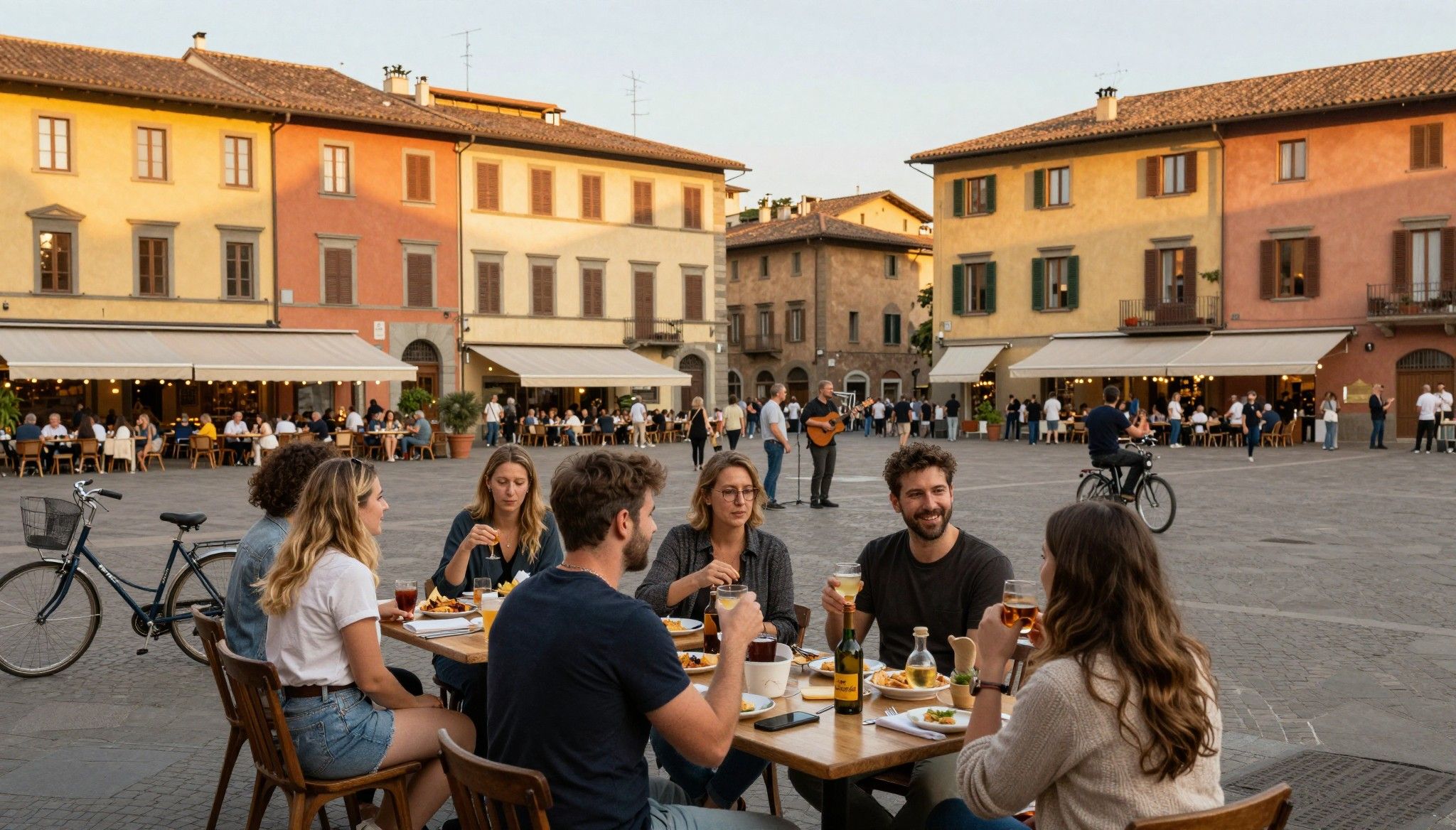
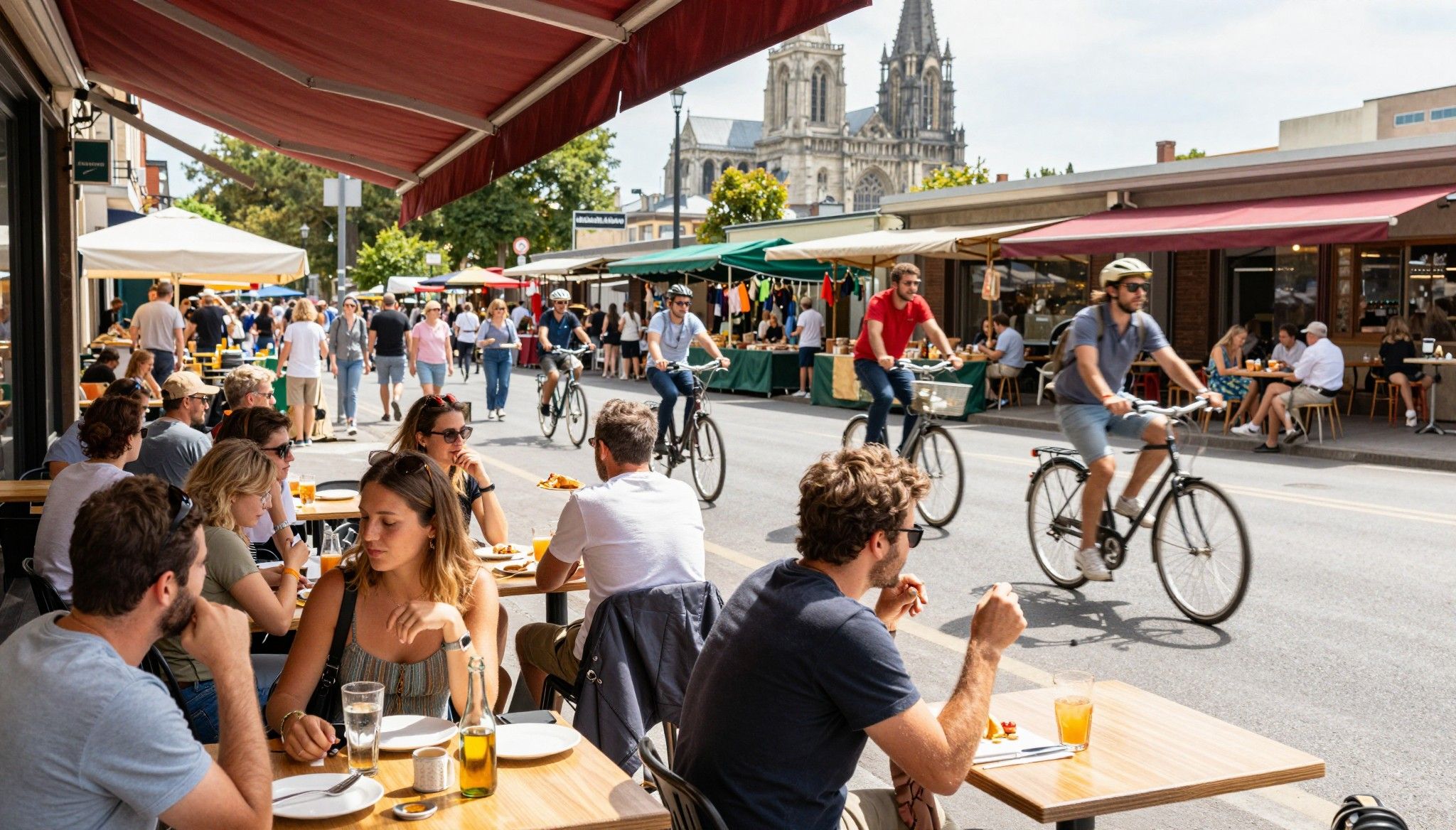
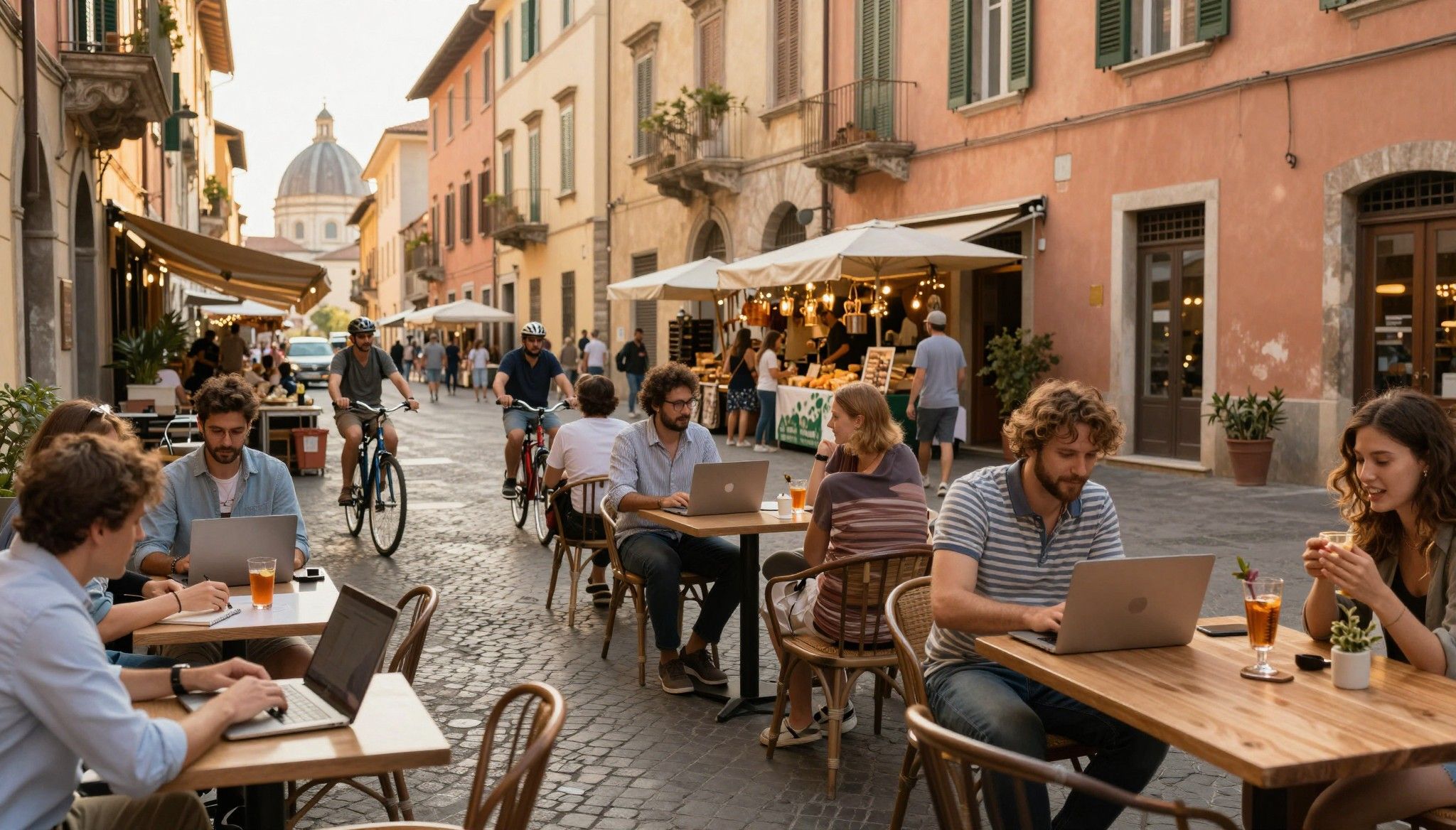
Imagine a cool morning in Aix-en-Provence: a boulangerie fills the square with warm brioche, cyclists thread narrow streets, and a freelancer opens their laptop at Café Les Deux Garçons with fibre that actually works. France feels like a cinematic string of neighbourhood moments — marché hustle, aperitifs by the Seine, lazy coastal mornings in Biarritz — and those moments shape how and where you buy. But the seasonal rhythms, local lending rules, and market quirks quietly change what a property will cost you. Here’s a lifestyle-forward take on financing in France that turns myths into clear steps and saves you money while you fall in love.
Living the France Life: How place shapes payment
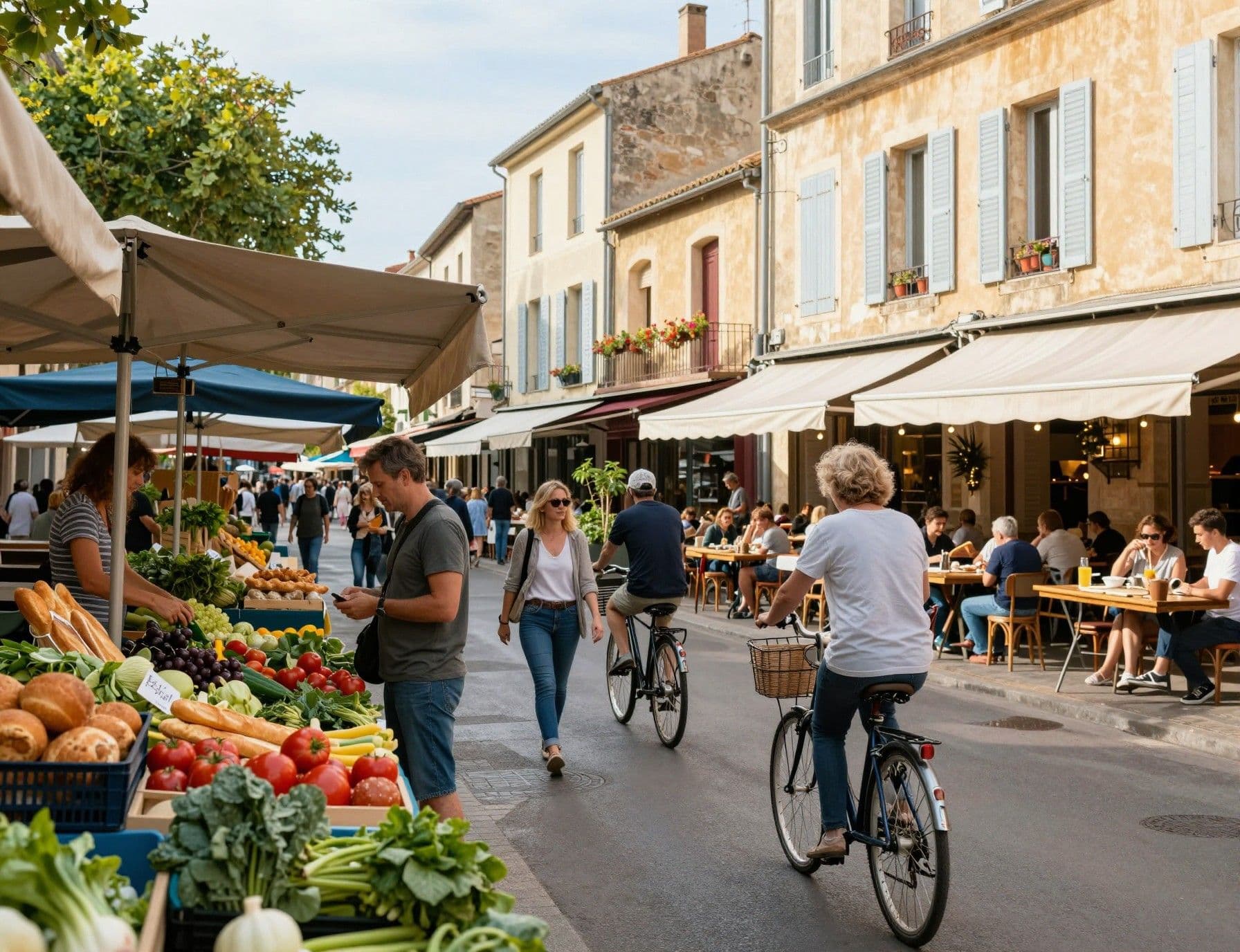
Daily life in France — cafe-lined streets in Le Marais, sunset swims on the Côte d’Azur, farmers’ markets in Lyon — isn’t a backdrop to buying; it changes the money math. Prices in 2025–2026 have been near-stable in many regions according to national statistics, meaning timing and financing spread the difference between a good deal and buyer’s remorse. Lifestyle choices (walkable centre vs. rural vineyard), seasonal demand (summer tourists, winter calm), and local supply affect how lenders view risk — and how much you’ll pay for the same view.
Neighbourhood spotlight: Paris arrondissements vs. provincial towns
Paris feels electric, but that electricity comes with tighter lending, bigger deposits, and stiffer competition — lenders factor density, rental demand, and regulatory moves into offers. By contrast, Bordeaux or Montpellier often still reward cash buyers or those with flexible financing with more negotiating room and lower effective monthly carrying costs. The lifestyle tradeoff is clear: pay a premium for central convenience, or opt for more space and calmer seasons elsewhere and use smarter financing to bridge the gap.
Food, festivals and finance: the seasonal affordability trap
Hunting in summer feels great — open houses, vibrant streets, easy flights — but it can hide mortgage timing traps. Sellers and agents list properties at peak-season sentiments; banks price risk with the calendar too. A property that looks affordable in July might cost more in interest if you lock financing during a seasonal rate swing. Instead, match the rhythm: use summer to fall in love, and winter to negotiate numbers.
- Lifestyle highlights to think about before you borrow: - Morning markets: Rue Cler (Paris) or Cours Mirabeau (Aix) influence daily routines and commute choices - Coworking pulse: Station F (Paris), La Cordée (Lyon) and seaside hubs affect rental potential - Weekend escapes: Dordogne river towns vs. Côte d’Azur beaches — each alters property upkeep costs - Seasonal tourism: Know festival months (Cannes, Avignon) and short‑let demand - Local services: Proximity to a reliable notaire, banque, and builder shortens timelines
Making the move: practical financing & banking steps

You’ll want to translate lifestyle preferences into numbers: deposit size, loan length, fixed vs. variable rates, and cross‑border banking logistics. French mortgages are mostly fixed-rate and lenders follow national ceilings (taux d’usure), so shop multiple banks and use a local mortgage broker to compare offers. International buyers often think currency is a side issue — but exchange-rate strategy and where you hold deposits change your effective cost over a 15–25 year horizon.
Property types and how lenders see them
A rustic stone house in Dordogne may charm you, but lenders price renovation risk and seasonal rental potential differently than for a Paris apartment. New build (VEFA) projects often come with developer guarantees that banks like; historic properties can need larger down payments or renovation escrow accounts. Align your loan structure with the property’s reality: include renovation contingencies, ask about mortgage portability, and confirm insurance availability for coastal or older buildings.
Steps to lock financing in France (practical, in order)
- 1. Get a soft pre-approval with local brokers to understand max loan-to-value and monthly cost. 2. Open a French account and move initial funds early to avoid FX slippage and show transaction history. 3. Gather dossier items: three months’ bank statements, proof of income, passport, residence papers (if any). 4. Compare fixed-rate offers and check the current taux d’usure; lock a rate when comfortable. 5. Agree the compromis de vente with clear conditions suspensives (financing clause) before committing.
Insider knowledge: what expats wish they'd known
Real expats say the surprises aren’t legalese but timing and tiny fees: a notaire’s disbursements, local taxe foncière quirks, and the quarterly rhythm of mortgage offers. Buyers who lined up a broker and local account months before the search closed saved thousands. Also: rate windows matter — a 0.5% swing on a 20-year loan changes monthly life more than one extra bedroom. Use local data and a human agent who knows festival calendars, municipal plans, and who speaks your language — that local intel converts romance into realistic budgets.
Cultural banking tips that save money
- Quick wins from experienced expats: - Show three months of French account activity to get better rates. - Use a forward contract for large currency transfers to lock rates. - Negotiate mortgage terms through a broker — banks often improve offers by 0.1–0.3% to win dossiers. - Ask for a clause allowing early repayment without excessive penalties if rates dip. - Consider a French life insurance (« assurance décès-invalidité ») quote early — it’s mandatory for many lenders.
Long-term lifestyle realities
Owning in France often shifts how you live: more time at local cafes, weekend market runs, and involvement in neighborhood life. These lifestyle gains come with responsibilities — upkeep for older French stone houses, stricter co-ownership rules in apartment buildings, and seasonal maintenance for coastal properties. Plan an annual maintenance budget (5–10% of rental value), and factor in local property taxes and communal charges when calculating long-term affordability.
- Red flags that should pause your offer: - Vague condominium (copropriété) accounts or rising charges - Missing building diagnostics (amiante, plomb, performance énergétique) - Seller pressure on quick closings without a financing clause - Unexplained high vacancy rates in neighbourhood (could indicate regulatory change) - Unclear access rights to shared gardens or private beaches
In France, love the lifestyle first but build an ironclad financing plan second. Start with a local broker, open a French account early, and time your rate lock to more than just the market mood — think season, festivals, and the notaire’s calendar. When you match romantic vision with banking reality, you don’t just buy property: you buy a life you can actually afford and enjoy. Ready for the next step? Put together your dossier, schedule a broker call, and use low‑season negotiations to turn summer dreams into winter savings.
Swedish, relocated to Marbella in 2018 to chase sun and property freedom. Focus on legal navigation and tax for Nordic buyers.