Don't House‑Hunt in Italian Summer — Do This Instead
Summer viewings in Italy disguise true neighbourhood life and price seasonality; visit off‑peak and pair lifestyle priorities with technical checks for smarter buys.
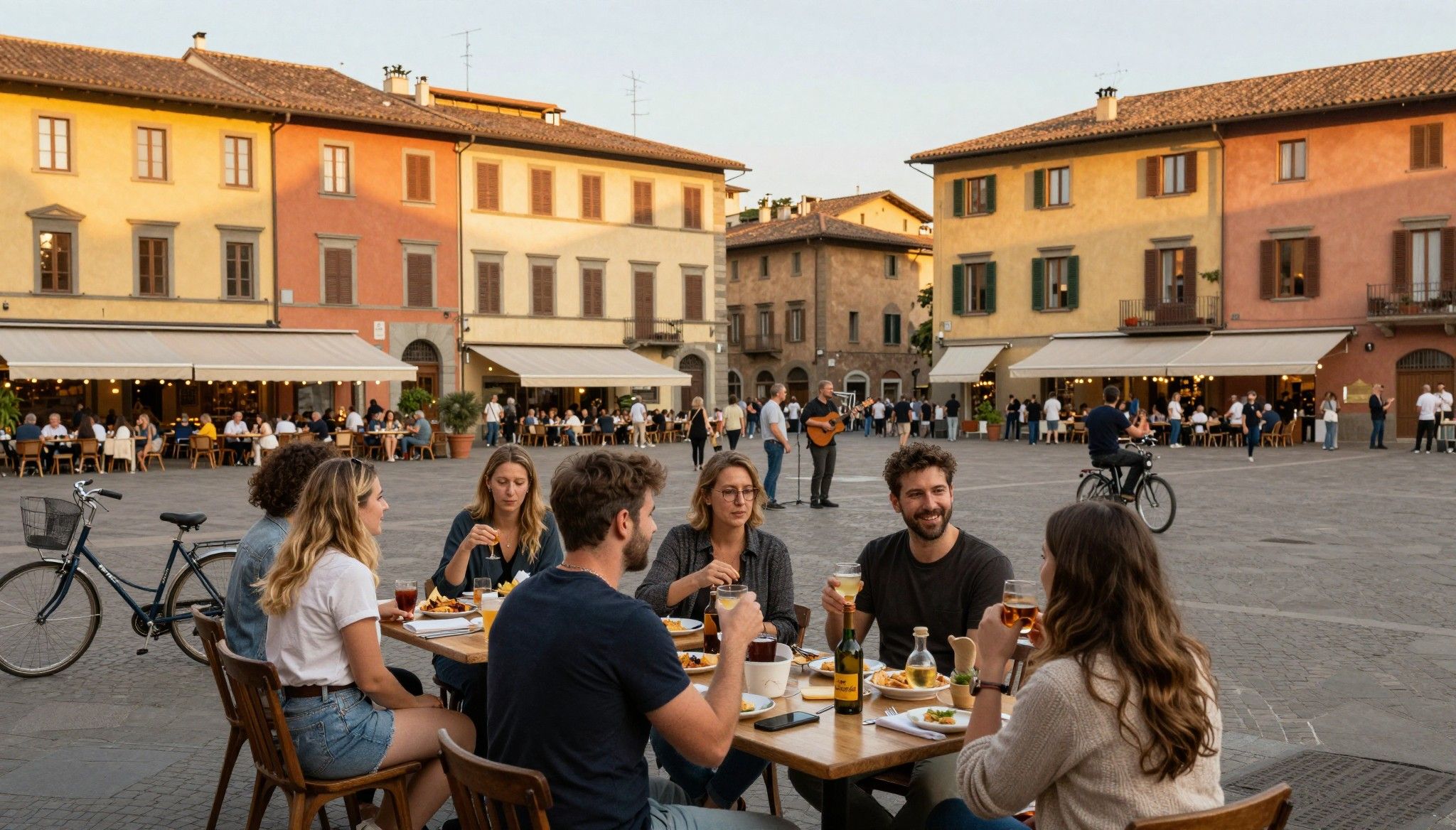
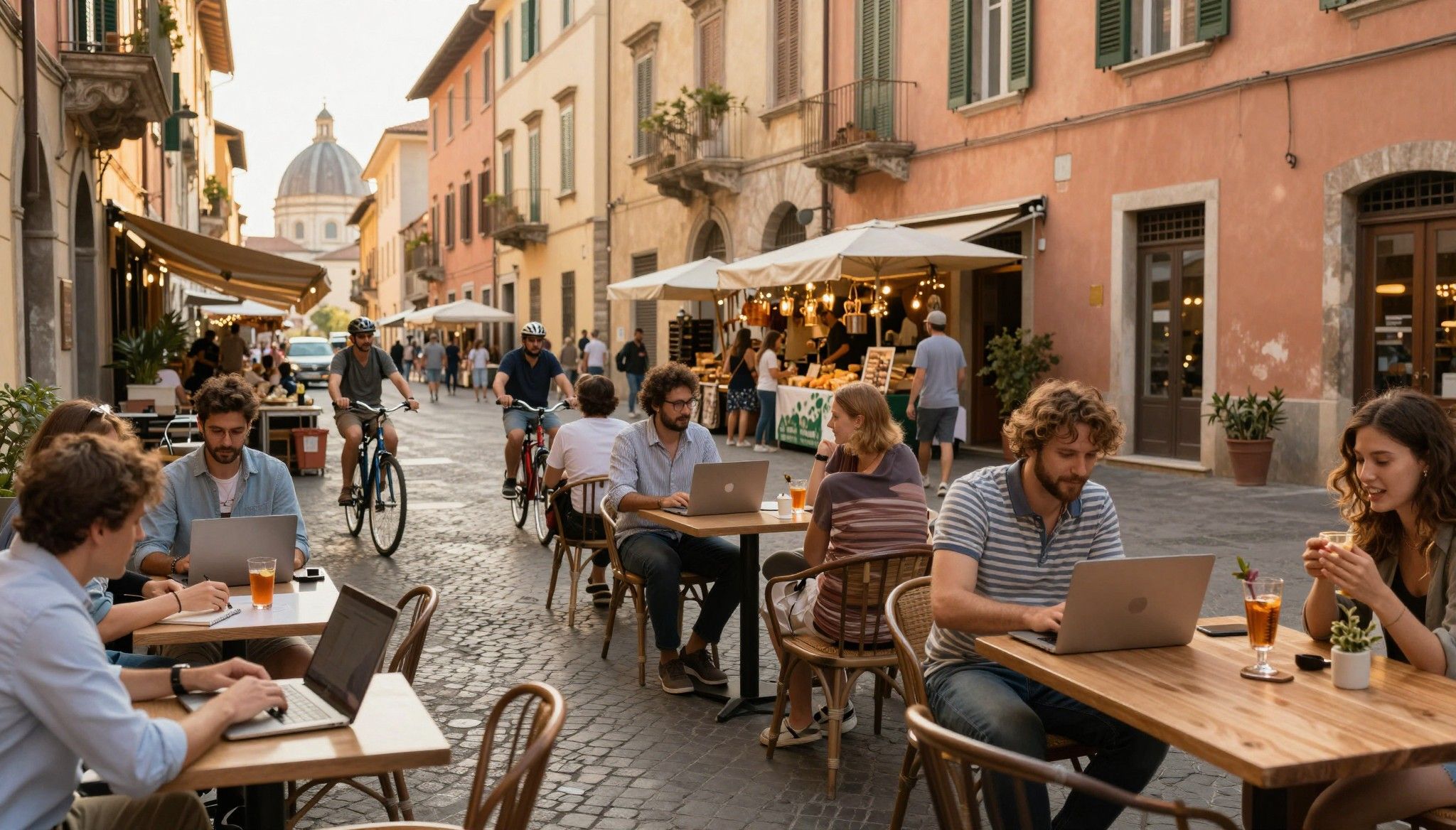
Imagine sitting at a tiny marble table in Trastevere, espresso steaming, cobblestones warm underfoot and a real estate agent promising you the “perfect” summer viewing schedule. It feels cinematic — until you realise most owners only show in July and August, prices look inflated, and the town feels like a postcard, not the place you’ll live in October. Buying in Italy is as seasonal as its food. Timing shapes price, inventory, and—most importantly—how a neighbourhood actually feels.
Living the Italy lifestyle: half‑market, half‑siesta
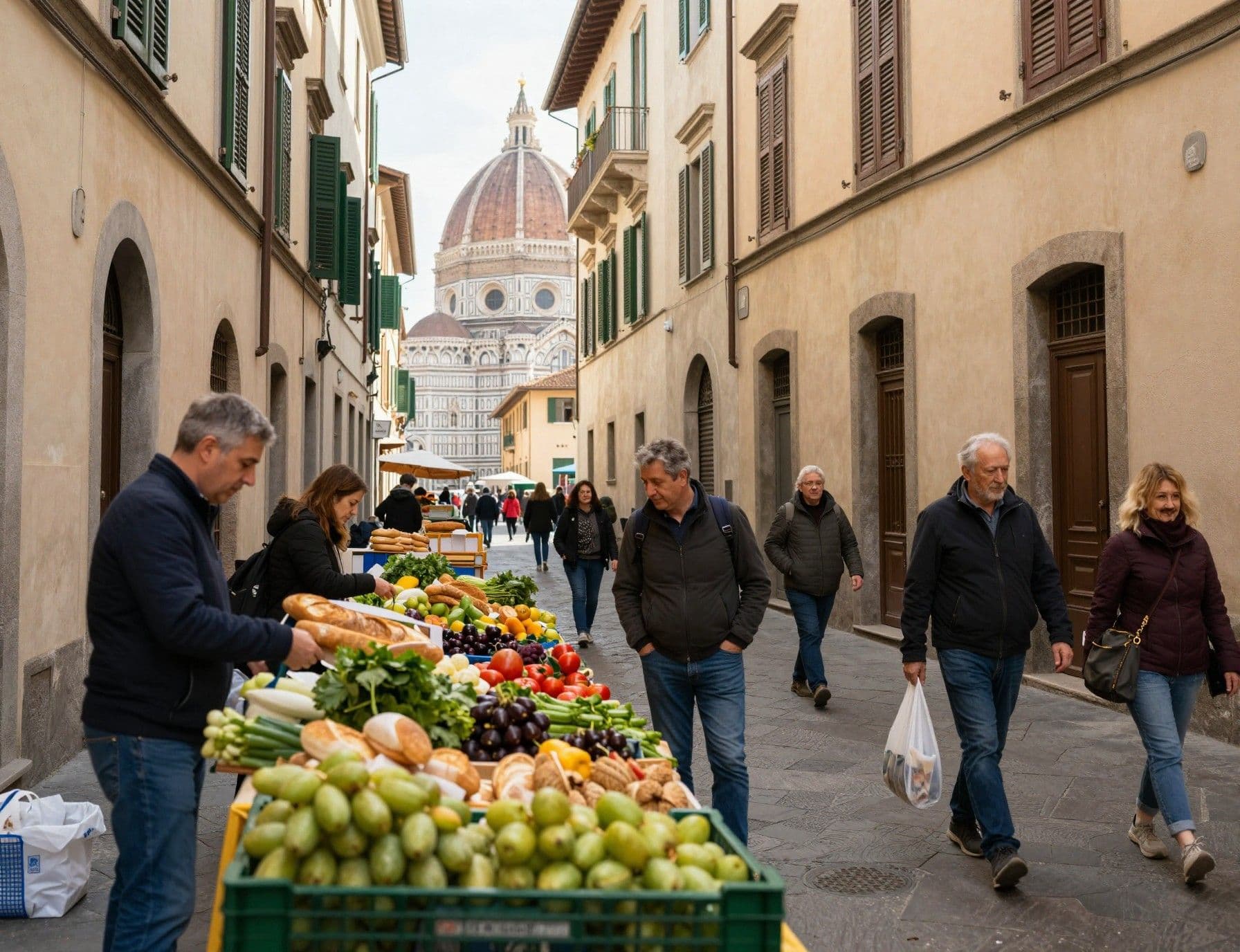
Italy’s daily rhythm is tactile: morning markets, long lunches, aperitivo hour that lingers into night. Cities like Milan pulse differently than fishing towns in Puglia or vineyard roads in Chianti. You’re not buying a house so much as a tempo — the way bakeries open at dawn, how squares refill after a summer lull, and how festivals reweave neighborhoods each season.
Rome: morning espresso, evening passeggiata
Walk Trastevere before noon and you’ll meet grandmothers queueing for bread, kids on scooters and baristas who recognise your name. At night it’s convivial and loud. That means a central apartment gives unbeatable life‑access — little terraces, narrow streets, and cafes — but expect noise and higher demand from tourists in summer months.
Tuscany’s hill towns and the wine country pulse
In Greve, Panzano or Montalcino, life orbits vineyards and markets. Winters are intimate; summers are festival season. Properties here reward outdoor living — loggias, olive groves, cellars — but also demand seasonal maintenance and awareness of tourist‑driven pricing spikes during harvest and festival weekends.
Lifestyle highlights: what you’ll love
Morning market runs in Campo de’ Fiori (Rome); espresso at Bar Luce in Milan; aperitivo under the Arno bridges (Florence); seafood lunches in Alghero’s old port; Sunday passeggiate in Bologna’s porticoes.
Making the move: practical considerations (but lifestyle first)
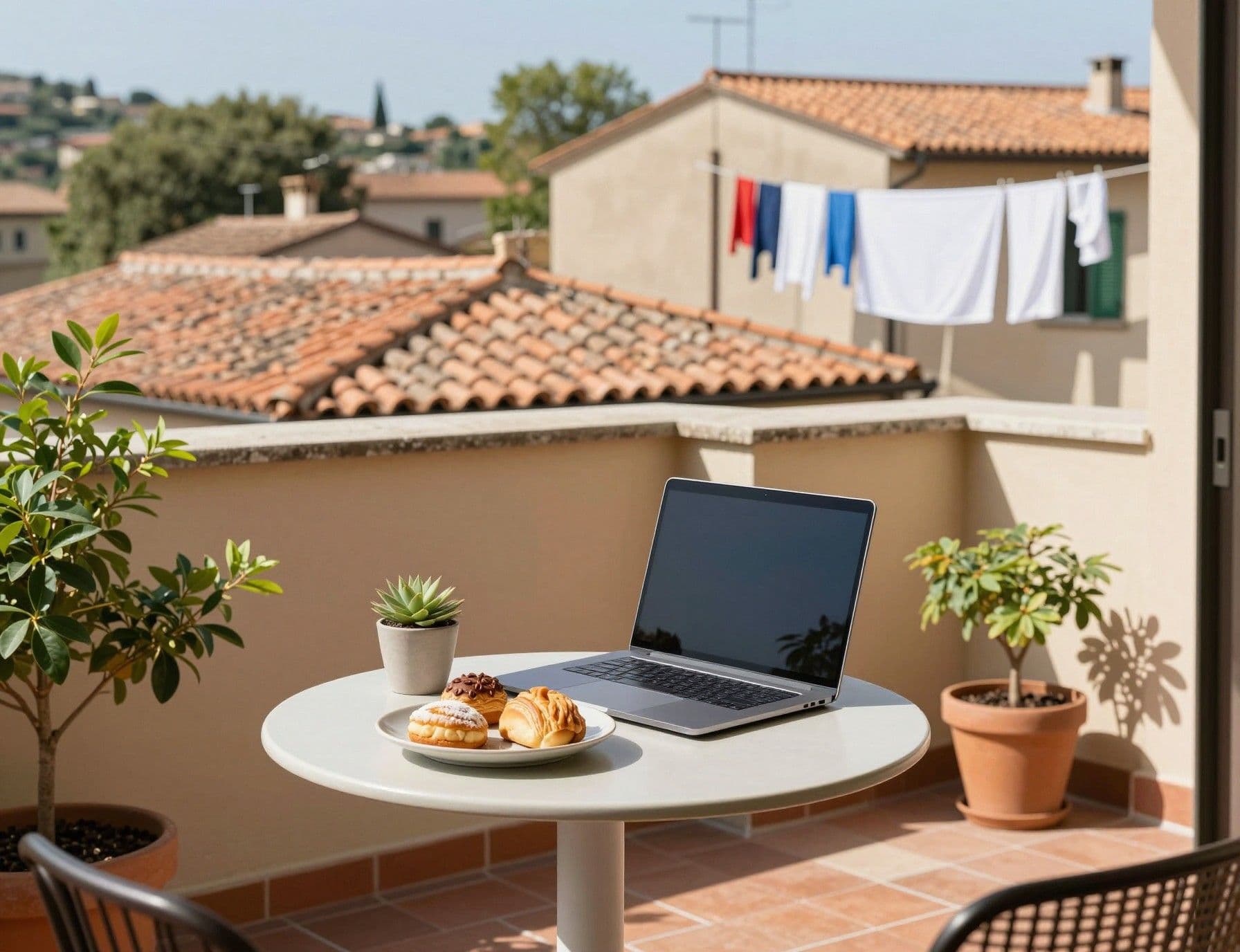
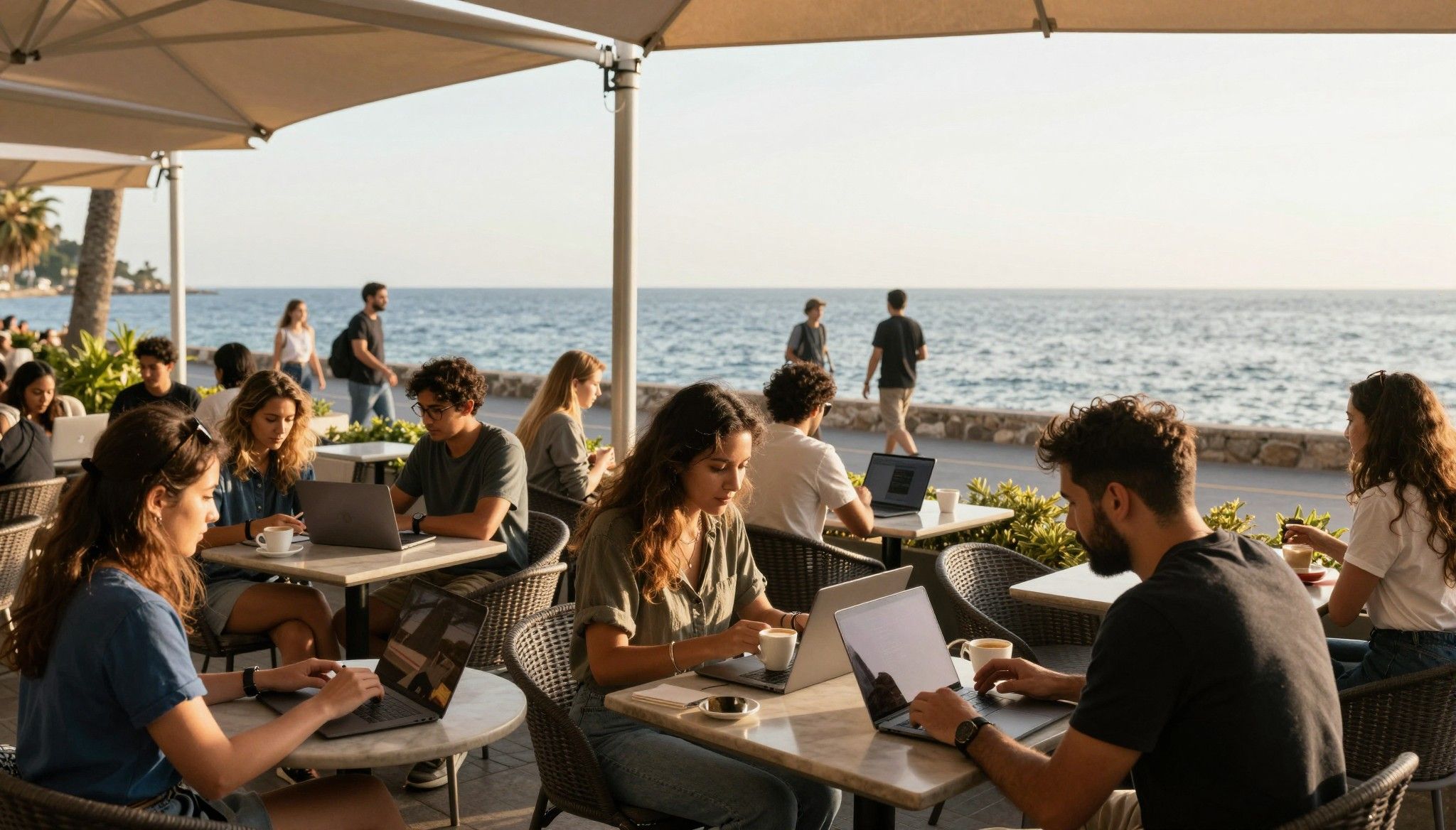
Your dream apartment must survive reality: utility setups, broadband speed for remote work, seasonal noise, and municipality taxes. Italy’s official buying guidance explains tax breaks and the notary’s role — essential reading — but translate that into neighborhood questions: when does rubbish get collected, where’s the nearest coworking spot, and what’s the winter commute like?
Property types: how architecture affects daily life
A medieval centro storico flat offers character and walkability, but often lacks air conditioning, parking, or lift access. Newer builds in periferia deliver sunlight, storage and coworking‑friendly layouts. Think practically: will you rent in summer? Need a workspace? Prefer terrace lunches or central convenience?
Working with local experts who live the lifestyle
Agencies and local notaries don’t just handle paperwork — the best tell you which piazzas quiet after August, where fibre is reliable, and which landlords prefer long‑term tenants. Use experts to map lifestyle priorities (coworking proximity, child‑friendly parks, market days) to property features that support remote or hybrid work.
Practical steps that mix life and logistics: 1) Visit outside peak tourist months to feel the real rhythm; 2) Check live internet speed and mobile coverage at different times of day; 3) Ask neighbours about noise, garbage, and winter heating costs; 4) Confirm municipal IMU and waste tax rates; 5) Request recent energy and building maintenance records.
Insider knowledge: what expats wish they’d known
Expats often discover the mismatch between a summer visit and year‑round living. Streets empty in September, heating bills rise in December, and a beloved seaside trattoria can close for three months. Local customs — like the centrality of neighbourhood associations (condominio rules) or the importance of festival calendars — change how you experience a place and what property features matter.
Language, community and making it home
You don’t have to be fluent, but learning basic Italian changes everything: neighbours open up, tradespeople call back, and you can read a condomino notice. Join language exchanges, local food markets and expat meetups to feel grounded faster. A bilingual agent or sworn translator at the notary saves expensive misunderstandings.
Long‑term life: seasonal costs and resale realities
Italy’s national market shows modest growth: price momentum varies by region and segment. Nomisma forecasts slower growth into 2026 while transaction volumes normalise after a busy 2024–25. That means buying with lifestyle clarity — not FOMO from a summer showing — often leads to better value and lower post‑purchase regret.
Red flags to spot during viewings: sellers who only show during peak weeks, missing maintenance records, no proof of energy certificate (APE), unclear condominium minutes, and broadband that drops at peak hours.
A quick step plan to buy smarter in Italy: 1) Scout remotely — use virtual tours then schedule an off‑peak visit (Oct–May); 2) Pre‑check broadband, APE and IMU info with an agent; 3) Ask for a notary‑recommended title check before offer; 4) Negotiate with seasonality in mind — owners may accept lower offers outside summer festival dates; 5) Reserve funds for immediate winterisation or AC installation depending on region.
Conclusion: If you want Italy for living, not a postcard, ditch the summer‑only rush. Visit when the place breathes, find an agent who understands your working life, and weigh seasonality into price and lifestyle tradeoffs. Do that, and your first aperitivo in your own piazza will feel inevitable — and sustainable.
Swedish, relocated to Marbella in 2018 to chase sun and property freedom. Focus on legal navigation and tax for Nordic buyers.