Why Greece’s ‘Cheap Coast’ Myth Misleads Nomads
Greece’s charm hides local market pressure — prioritise neighbourhood rituals, fibre, and seasonal realities over headline ‘cheap coast’ myths for smarter, happier buys.
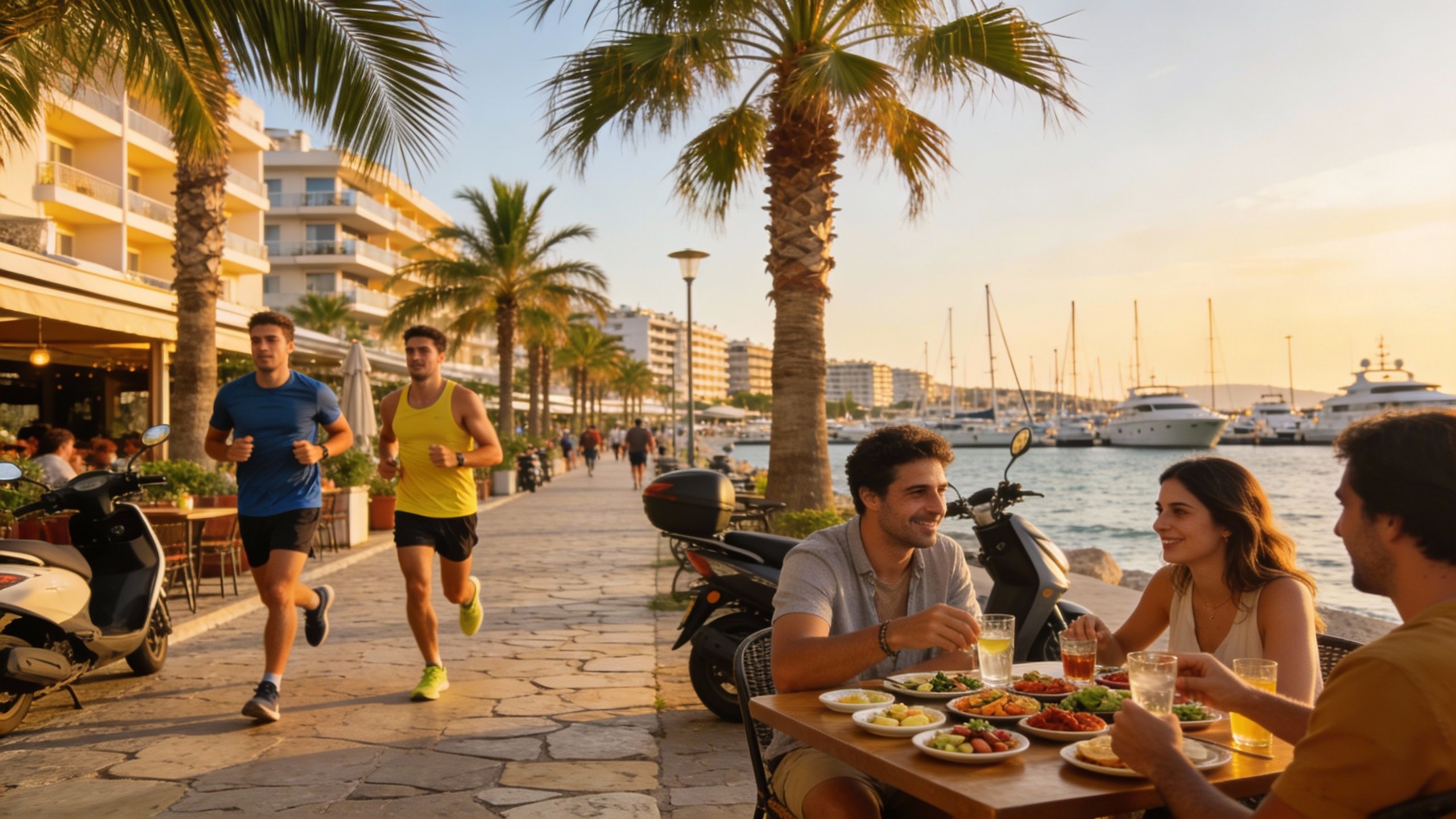
Imagine sipping an espresso at Koukaki’s tiny corner café as scooters hum past and the Acropolis glows at golden hour. Picture weekend swims off Agios Georgios beach in Serifos, then a sunset group dinner on a rooftop in Glyfada — life in Greece moves between ancient ritual and easy coastal rhythm. But here’s the rub: the notion that Greece is uniformly cheap — “buy a seaside bargain” — is a myth that trips up nomads and remote workers hunting for great internet and community. Recent Bank of Greece inflows show rising foreign demand and localized price pressure, especially in Athens and the islands.
Living the Greece lifestyle — sensory, social, real
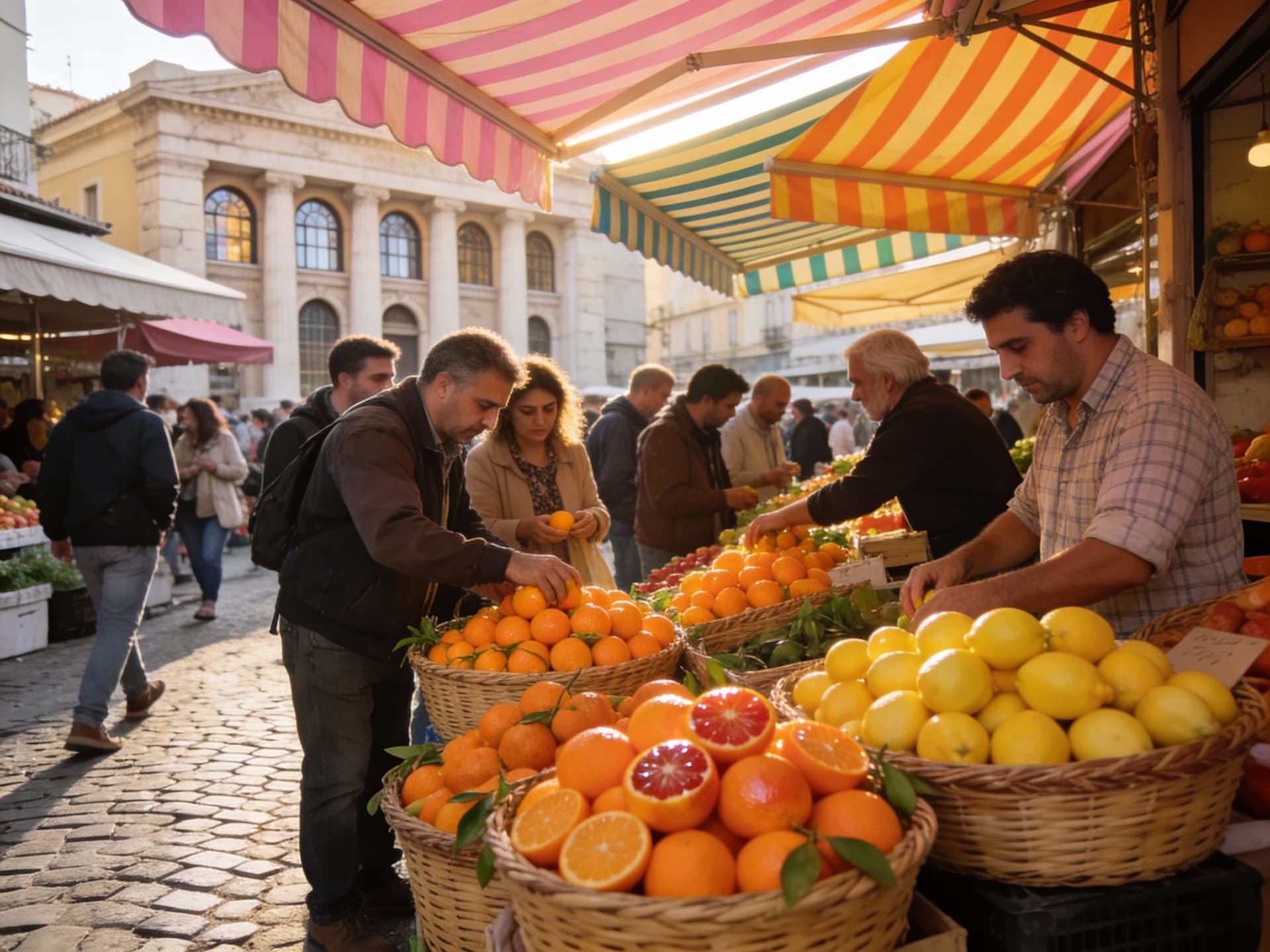
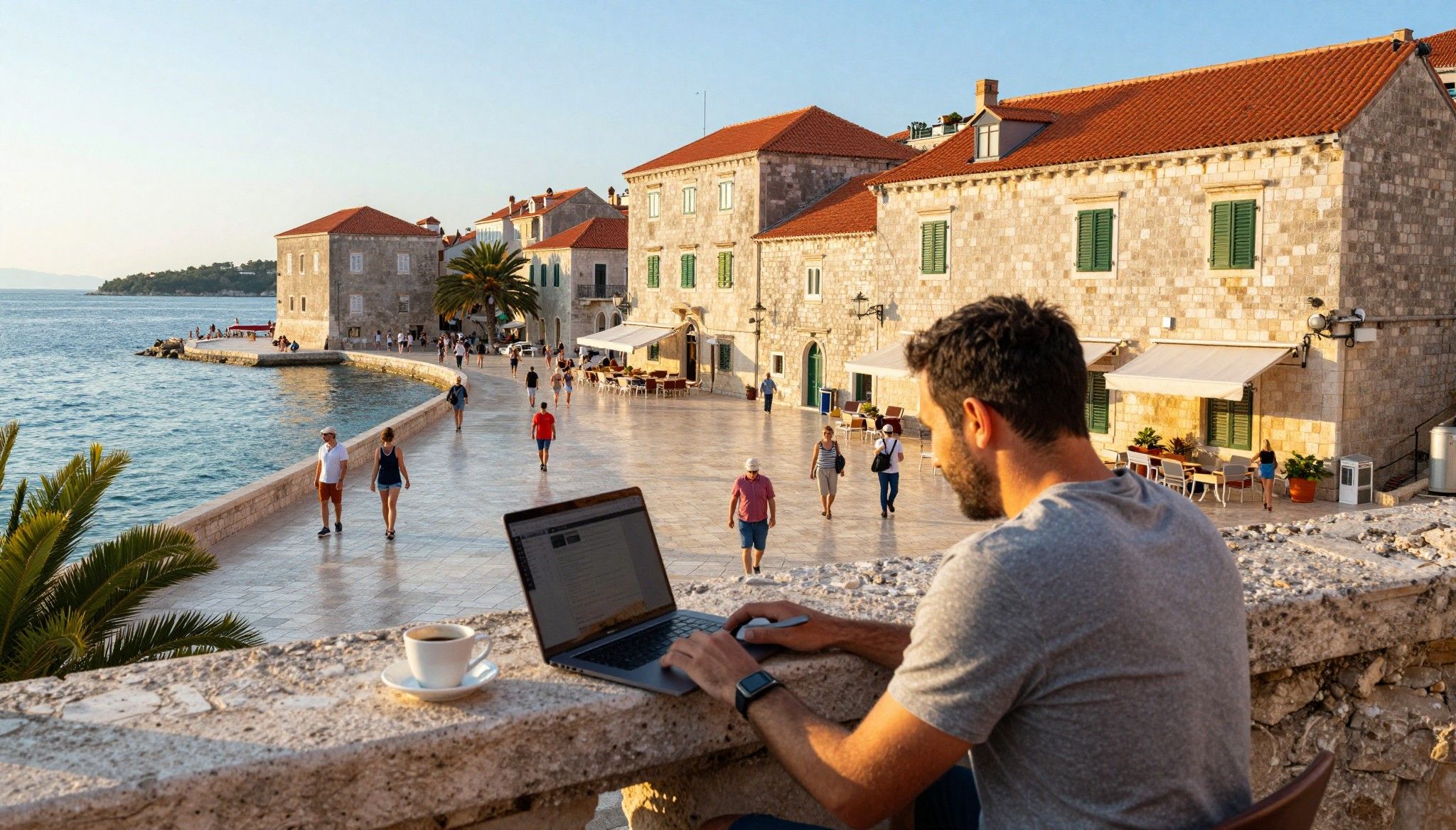
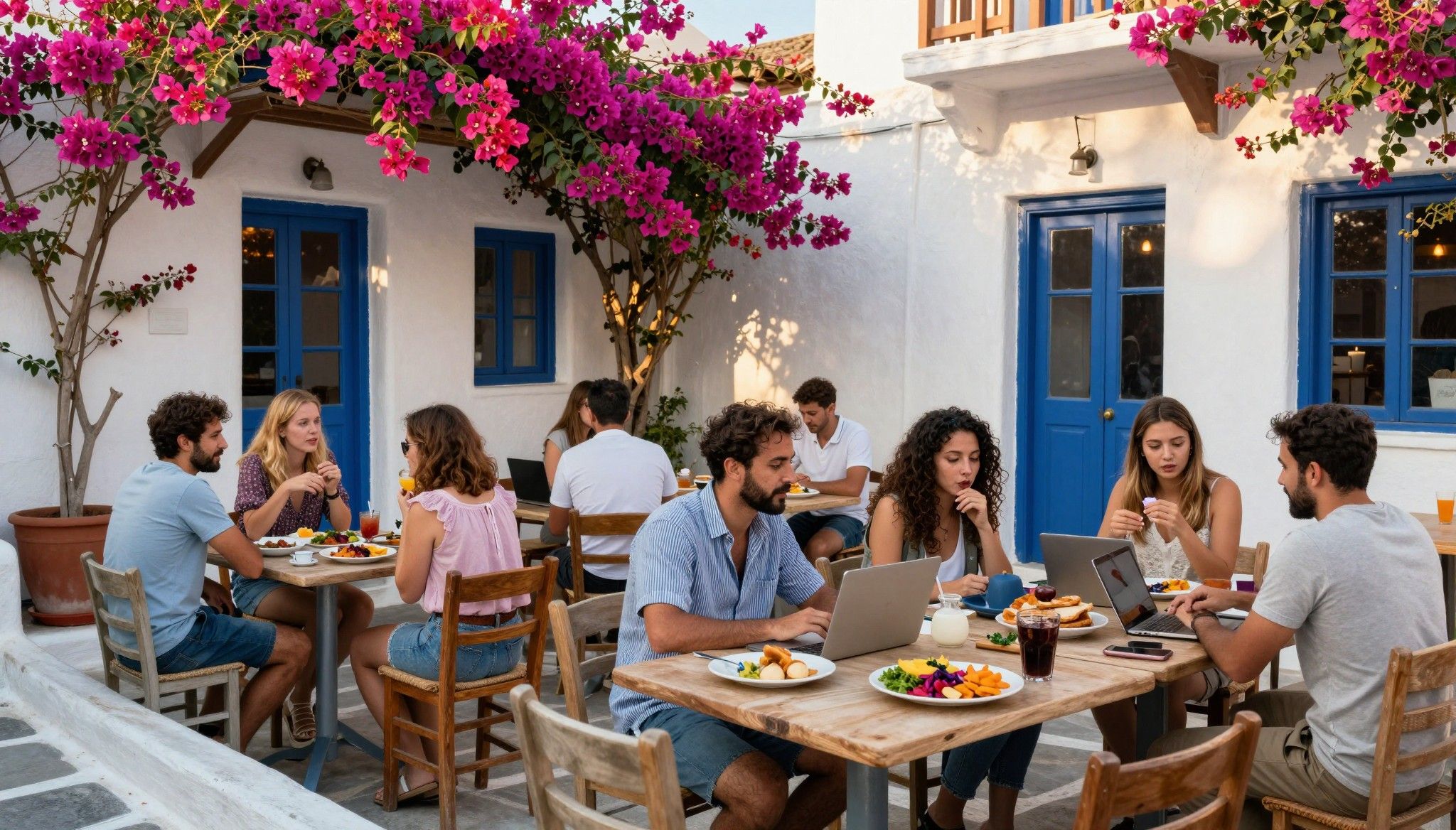
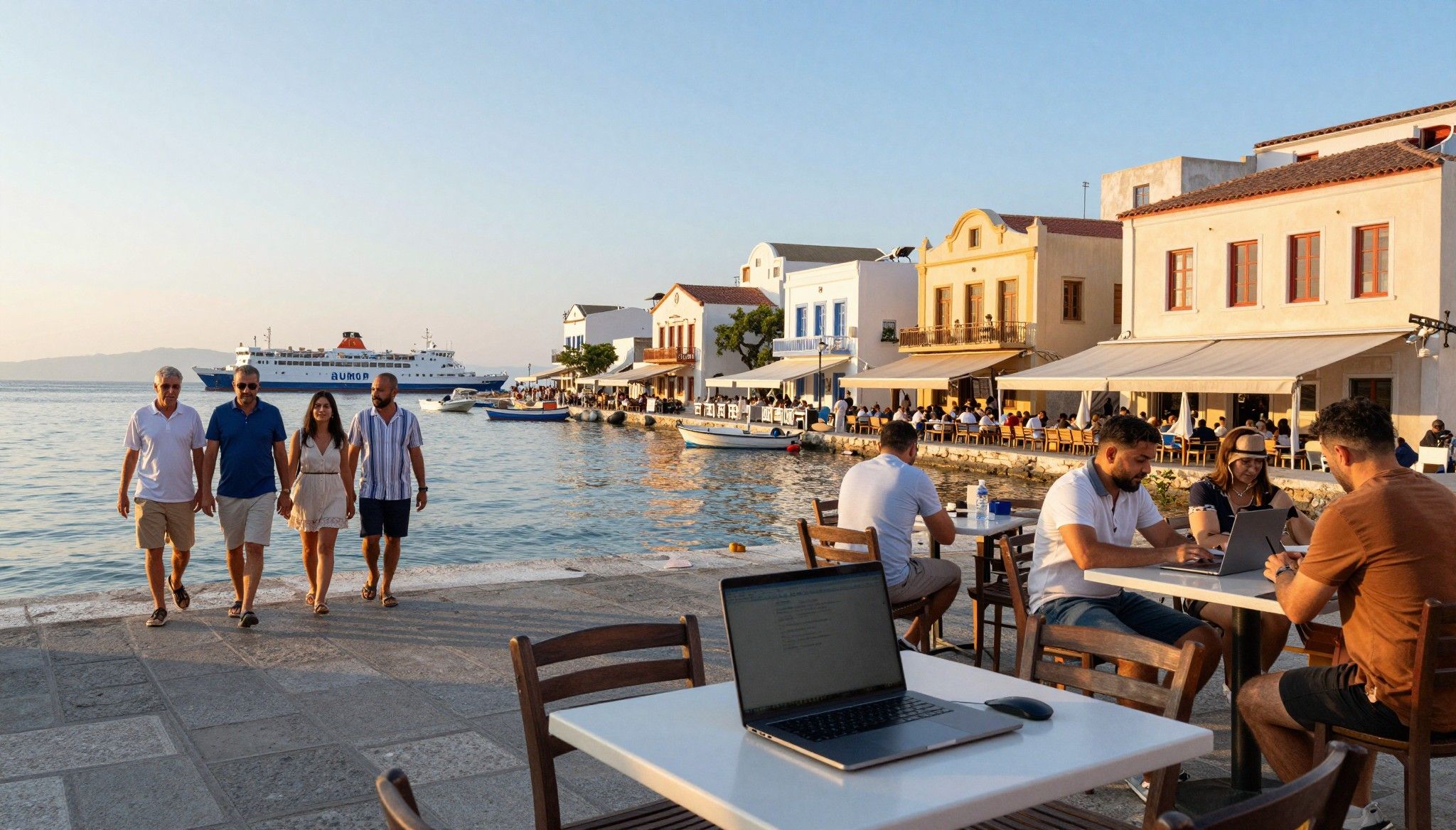
Greece greets you with small, sensory rituals: morning markets full of citrus and herbs, the hiss of espresso machines at neighbourhood kafeneia, and the late-evening buzz of tavernas spilling onto cobbled streets. Life here is tethered to outdoors — plazas, promenades and kafeneia are where relationships form. For a nomad, that translates to easy social life, alfresco work mornings, and a calendar built around festivals, sea-swims, and slow meals.
Neighbourhood spotlight: Athens — Koukaki, Pangrati, and the Riviera
Walk Koukaki for boutique cafés (try Yiasemi on Falirou), wander Pangrati’s weekend market, then drive to the Athens Riviera for wind-swept beaches and modern marinas. These pockets each deliver distinct day-to-day experiences: Koukaki is villagey and walkable, Pangrati hums with local nightlife, while Glyfada and Voula on the Riviera blend seaside leisure with newer luxury developments — projects like Ellinikon are reshaping the southern coast. Choosing between them isn’t just price — it’s choosing how often you’ll trade a lazy beach afternoon for an urban espresso and coworking session.
Food, markets and slow Saturdays
The food scene anchors life in Greece. Morning markets like Varvakios in Athens or the weekly farmer stalls in Chania set the rhythm: you shop, you chat, you cook together. Small tavernas run by families can become weekly rituals; neighbourhoods are defined by where locals buy bread and where the best grilled octopus is ordered. For buyers, proximity to markets and a lively street scene often matter more than square footage — they’re the real ROI in everyday wellbeing.
Making the move: lifestyle-first property thinking
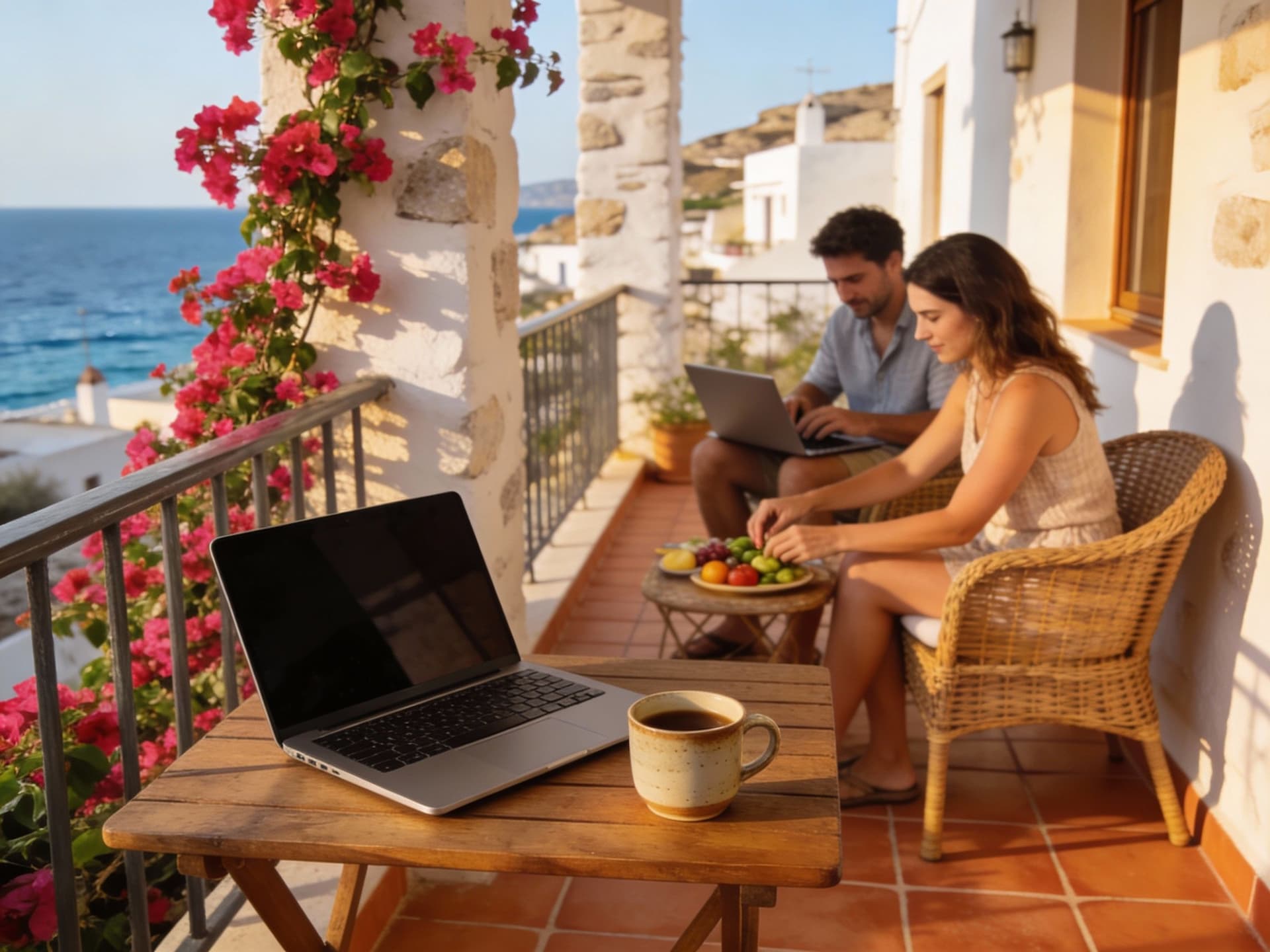
Dreams of sunrise swims and village cafes should guide where you look — but pair them with market reality. Foreign demand is concentrated and rising in hotspots; the Bank of Greece and recent industry reports show non-resident purchases are a major driver of price growth in islands and Athens suburbs. That means your neighbourhood choice affects both lifestyle and long-term value: an apartment next to a buzzing market may be pricier now, but it’s also where community and rental demand stay strong.
Property types that match nomad life
For remote workers, the sweet spot is compact, bright apartments with reliable fibre, a balcony for outdoor work breaks, and a neighbourhood with cafes that double as casual coworking spots. In Athens and Thessaloniki, renovated neo-classical flats give character and centrality; on islands, modest maisonettes or converted stone houses give that Mediterranean dream. Prioritise buildings with good ventilation and outdoor space — heat and humidity can be real in summer, and terraces become second offices.
Working with local experts who get nomads
Pick agents who live the lifestyle you want. Good local agencies know which streets have fast fibre, which neighbourhood cafés tolerate laptops, and where landlords accept short-term remote-worker rentals. They’ll also flag practicalities — flooding risk near some coasts, seasonal access on tiny islands, or condo rules that limit Airbnb. Ask agents for examples: properties they sold to remote workers and how those buyers now use the space.
Insider knowledge: what expats wish they’d known
Here’s the real-talk: many buyers chase sea views and find seasons — summer crowds, higher short-term rental rules, and island logistics — change the dream. Data shows foreign buyers often prefer resale apartments in the €100k–€300k bands, suggesting a market driven by practical, compact homes rather than sprawling villas. Expats often tell us they underestimated how seasonal island life is for groceries, healthcare access and community continuity; mainland suburban life can feel more stable year-round.
Cultural cues that change your day-to-day
Learn a few Greek phrases, accept a slower pace for some services, and be ready for neighbourly involvement — Greeks value relationships and community presence. Expect bureaucracy to be personable but occasionally slow; having a bilingual lawyer or fixer saves hours. For social life, join a local athletic club, a cooking class, or a language exchange; those regular rituals are how expats anchor themselves.
Step-by-step lifestyle + buying checklist
1) Spend a month living in your target neighbourhood to test coffee shops, co-working options, and internet reliability. 2) Ask agents for recent utility bills and proof of fibre speeds; test mobile signal at the exact apartment. 3) Insist on an energy performance certificate and flood/erosion history if coastal. 4) Talk with neighbours or local shop owners about seasonal rhythms and community life. 5) Use a local attorney to review titles and community regulations; avoid any verbal-only promises.
Conclusion: fall for the life, then lock the details
Greece gives you a life framed by sea, sun and social tables — that’s the part you move for. But treat property decisions like planning a long-term sabbatical: prioritise neighbourhood rituals, digital infrastructure, and seasonal realities over headline price tags. Work with agencies who understand nomads: they’ll match the life you imagine with the apartment that supports it, not just the view. Ready to taste the espresso? Step one: book a month in either Koukaki, Glyfada or Chania and compare how you actually live in each place.
Dutch investment strategist guiding buyers to Greece and Spain; practical financing, tax, and portfolio diversification.