Offers That Close in Croatia: Timing, Tactics, Truths
How to write offers that actually close in Croatia: timing, title checks, and culturally smart tactics backed by recent housing data.
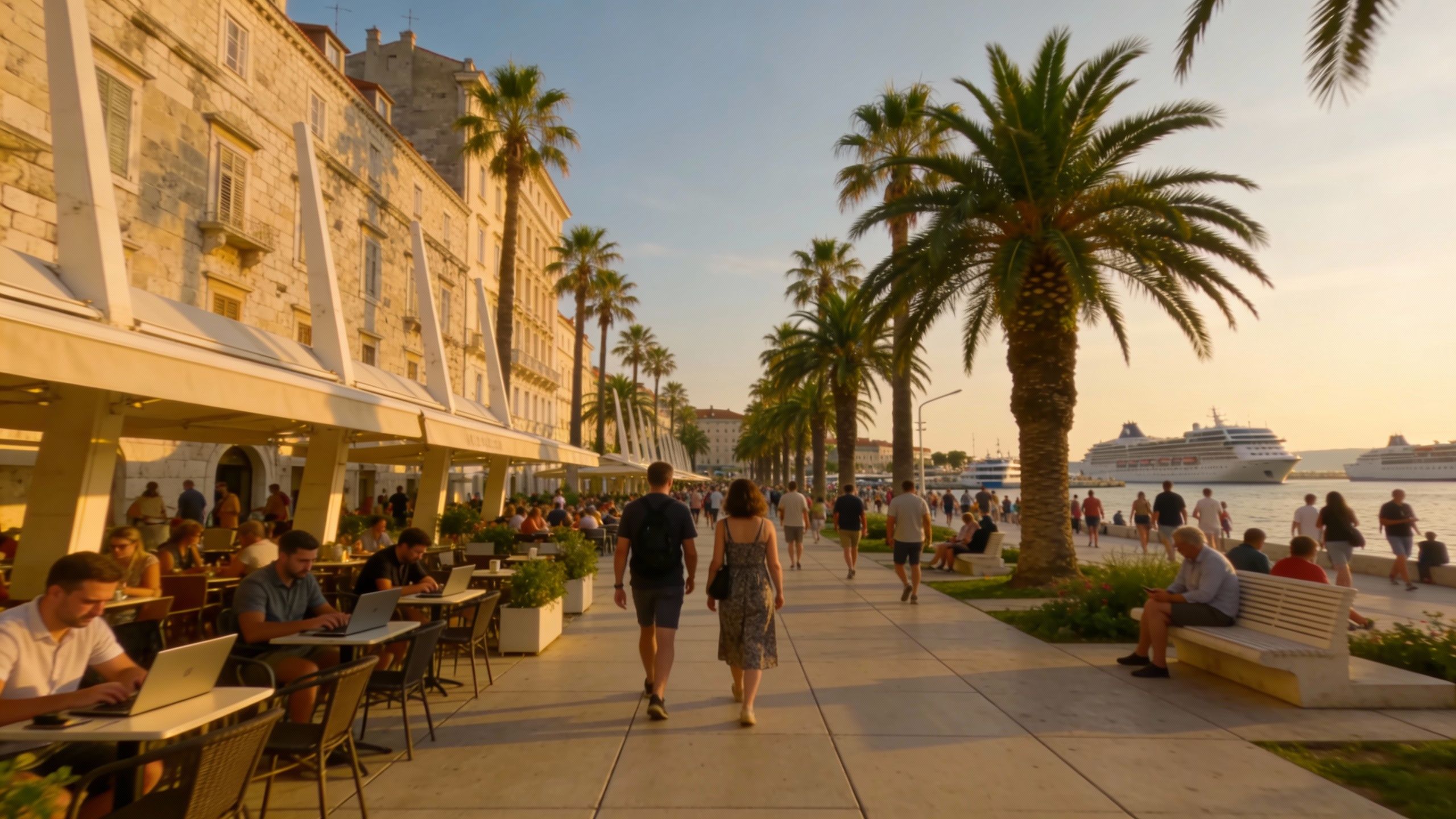
Imagine stepping out of a café on Split’s Riva at 8am with a laptop under your arm, the salt air and church bells mixing with barista steam — and knowing you just put an offer on the third‑floor apartment across the square. That mix of instant romance and very real contract pressure is the Croatia offer-and-closing moment in a nutshell: stunning lifestyle, fast-moving coastal markets, and a few legal and tactical rules that decide whether your dream becomes a home or just a holiday story. Recent house‑price data show rapid gains in city and coastal markets, which changes how sellers behave and how offers should be written. If you want to make offers that actually close, you need a plan that protects your life-change impulse with smart steps.
Living the Croatia life — and what that means for offers
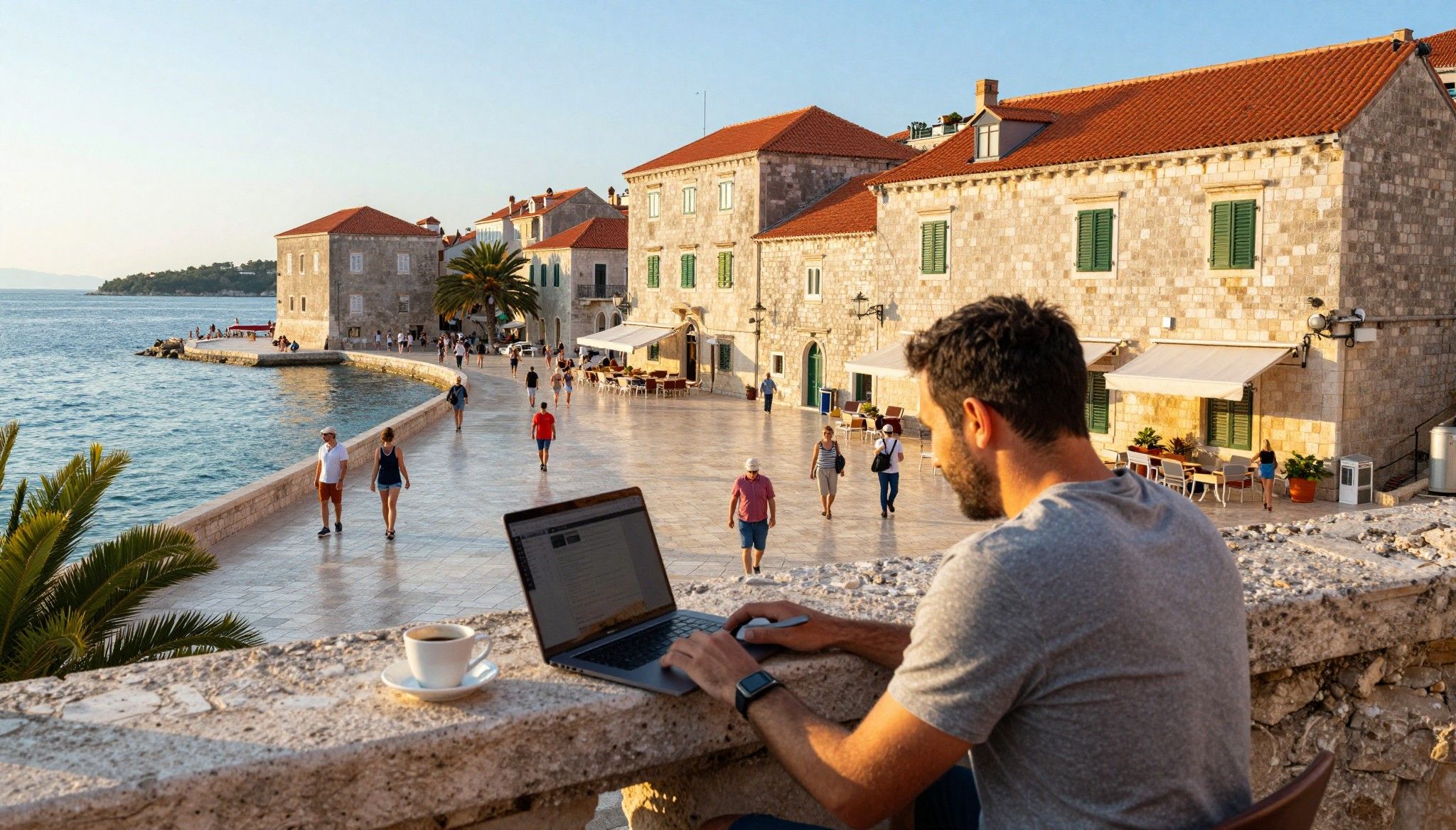
Croatia is a study in contrasts: Zagreb’s tram-side cafés and coworking hubs, coastal towns where narrow stone streets lead to pebble beaches, and islands where life slows but demand surges in summer. That seasonal intensity affects supply — many coastal sellers prefer quick, summer‑heated closings while inland properties move slower and often at better value. For buyers this means your offer strategy must be location-aware: a straightforward cash offer might win you a Dalmatian stone house, while a carefully conditional offer will protect you when buying in Zagreb or smaller coastal towns with complex title histories.
Split & Dalmatian coast: quick moves, emotional listings
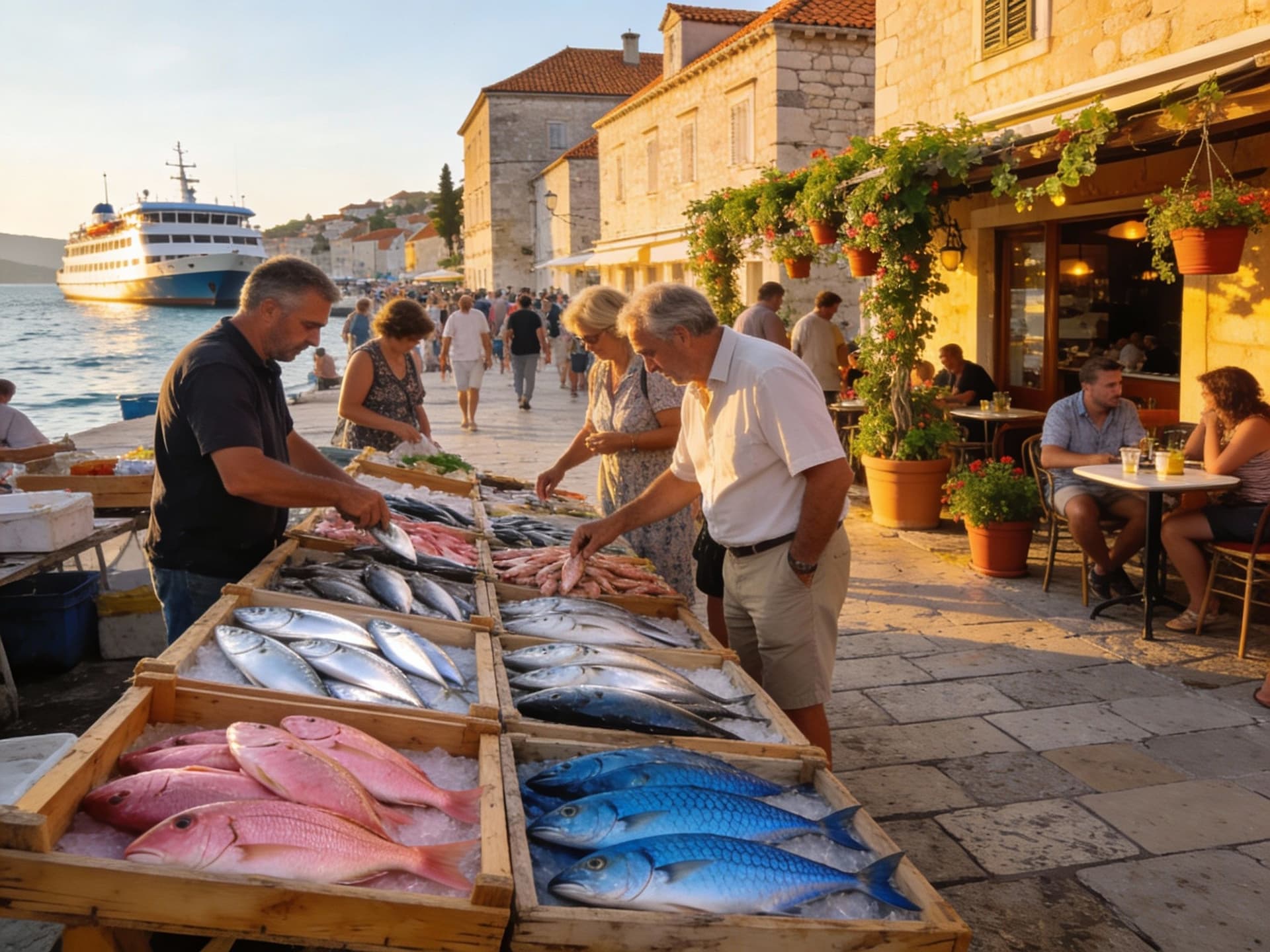
On the coast — Split, Trogir, Hvar, Zadar — listings often arrive in spring and sell fast into early autumn. Expect emotional listing copy (‘family home’ or ‘stone jewel’) and multiple walk‑throughs in a week. That means inspection windows should be short, deposits clear, and any contingencies tightly worded. Work with an agent who times visits around local rhythms (fishermen’s market mornings, ferry days) and knows when the seller’s returning tourists will make decisions.
Zagreb & inland towns: steadier markets, paperwork matters
Zagreb and inland markets move with more routine: slower viewings, fewer seasonal spikes, but heavier importance on clear title and municipal permits. That’s where formal due diligence and correctly drafted purchase contracts win deals. Croatia’s real‑estate transfer tax is 3% when VAT doesn’t apply, a line item buyers must budget for and factor into offer ceilings. Close attention to paperwork — sales contract, proof of seller’s ownership, and building permits — prevents late‑stage collapses.
Making the move: offer structures that work in Croatia

With national prices rising (annual HPI increases above 10% in recent quarters), sellers often expect decisive offers. But haste without structure is high‑risk. Use layered offers: start with a clean headline price, then add conditional benefits (short inspection window, certified deposit, or flexible closing date). That combination feels compelling to sellers and preserves buyer protection. The statistics on rising prices mean timing and clarity — not wild overbidding — often win.
Practical offer components (what to include)
Every solid offer in Croatia should include: a clear offer amount; a proposed closing date; deposit terms (who holds the deposit and how much); any financing or subject‑to‑mortgage clauses; and a clause covering utilities and fixtures. Use a notary‑review clause to confirm the seller’s title is clean before final payment. Naming who pays transfer tax — typically buyer — and including a timeline for the notary appointment avoids last‑minute budget surprises.
Key lifestyle‑aware offer tactics
- Offer a realistic but firm deposit to show seriousness without overcommitting funds. - Shorten inspection windows in coastal markets where competition is high but keep a notary/title contingency. - If remote, appoint a Power of Attorney for closing — Croatian notaries accept properly notarised POAs from abroad. - Offer flexible closing dates to match seller timing (after tourist season or before winter) — this often beats higher but rigid offers. - Use a local agent who can write culturally fluent language in the offer (sellers notice respectful, precise wording).
Insider knowledge: what expats wish they’d known
Expats tell the same short story: they fell in love over espresso, then learned the paperwork and timing are where dreams are made or broken. Recent DZS data (Q3 2025) show coastal and Zagreb markets growing fast — which means due diligence must be quicker but smarter. Local customs matter too: sellers often prefer face‑to‑face negotiation, and a friendly in‑person viewing or a local agent introducing you can shift leverage your way.
Cultural & practical tips for closing smoothly
Learn a few Croatian phrases, be punctual for viewings, and understand that relationships often grease transactions here. Use a local notary and lawyer who regularly handle foreign buyers; they'll spot leasehold quirks, inheritance flags, and incomplete permits that stall closings. Expect the notary process to be formal and paper-heavy: passports, OIB (personal identification number), and verified documents must be ready to avoid delay.
Step‑by‑step closing checklist
1. Confirm property ownership and encumbrances with a lawyer and notary. 2. Agree sale terms and deposit; draft a preliminary purchase contract (predugovor) if needed. 3. Transfer deposit to escrow or according to contract; schedule notary appointment. 4. Complete final inspection, settle utilities and outstanding fees, obtain OIB if required. 5. Sign final deed before the notary, pay transfer tax (3% if VAT not due) and register title.
Before you sign: remember that rising national prices and coastal demand make quick, emotionally driven buys tempting — but the smartest offers in Croatia balance heart and structure. Use local experts for title checks and notary handling, write offers that reflect local timing and seller needs, and keep contingencies that matter (title, permits, financing). If you want, we can connect you with vetted agents who know Split, Dubrovnik and Zagreb rhythms — people who help your offer feel both irresistible and safe.
Norwegian who has helped 200+ families relocate from Oslo to Spain; expert in relocation services and community integration.