Budget the Croatia Life: 3% Transfer Tax, VAT Traps & Real Costs
Budget for the Croatia life: plan 6–9% closing costs, confirm 3% transfer tax vs 25% VAT on new builds, and pair lifestyle checks (internet, insulation) with legal due diligence.
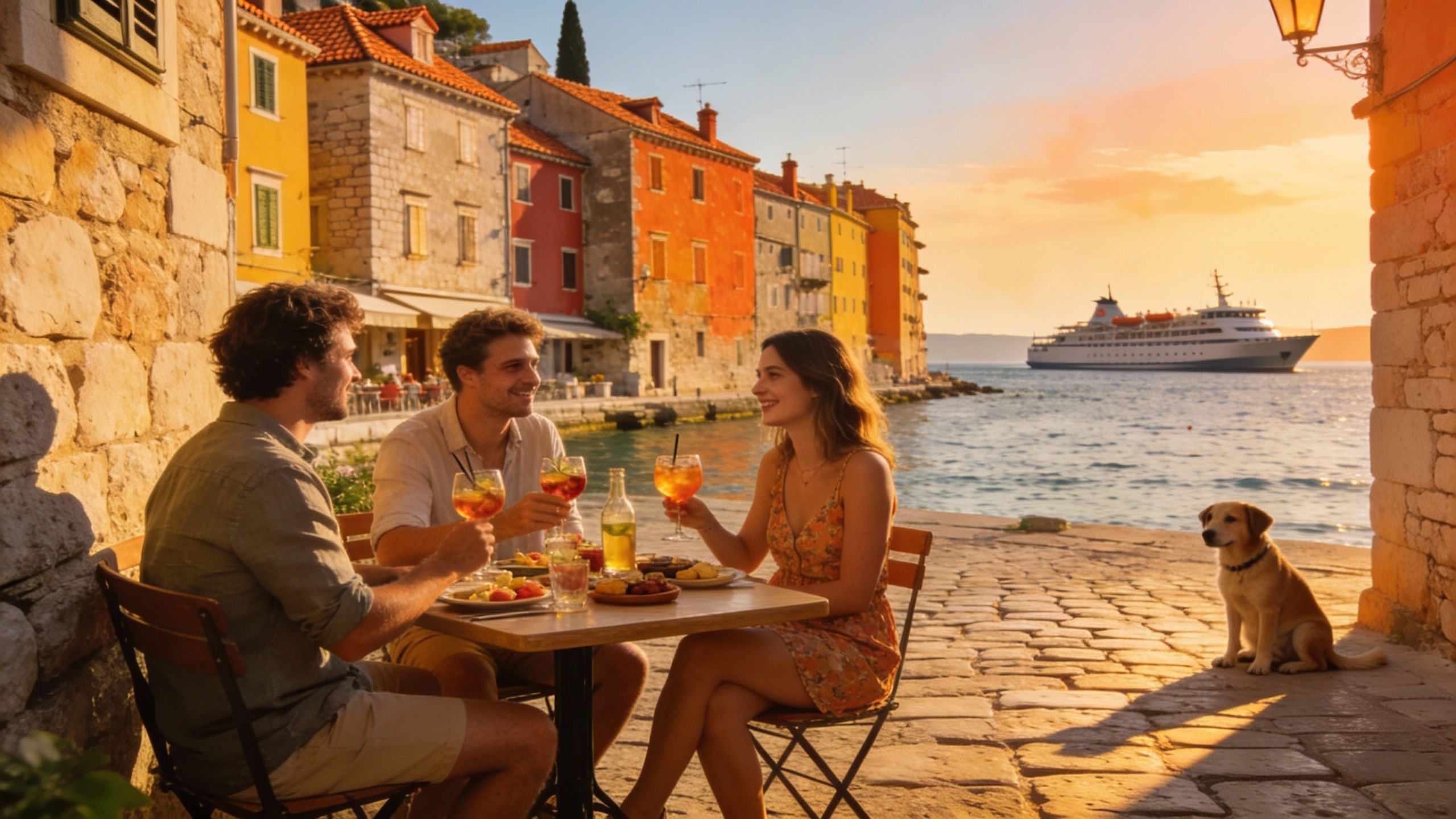
Imagine waking up to a narrow street in Split where a baker’s citrus-scented focaccia steams on the windowsill, then walking five minutes to your balcony and seeing the Adriatic glitter. That easy, sunlit rhythm is Croatia — a place where coastal cafes, stone-paved old towns and island-hopping weekends shape daily life. But before you sign for a sea-view apartment, you need a budget that covers the dream plus the small print.
Living the Croatia lifestyle
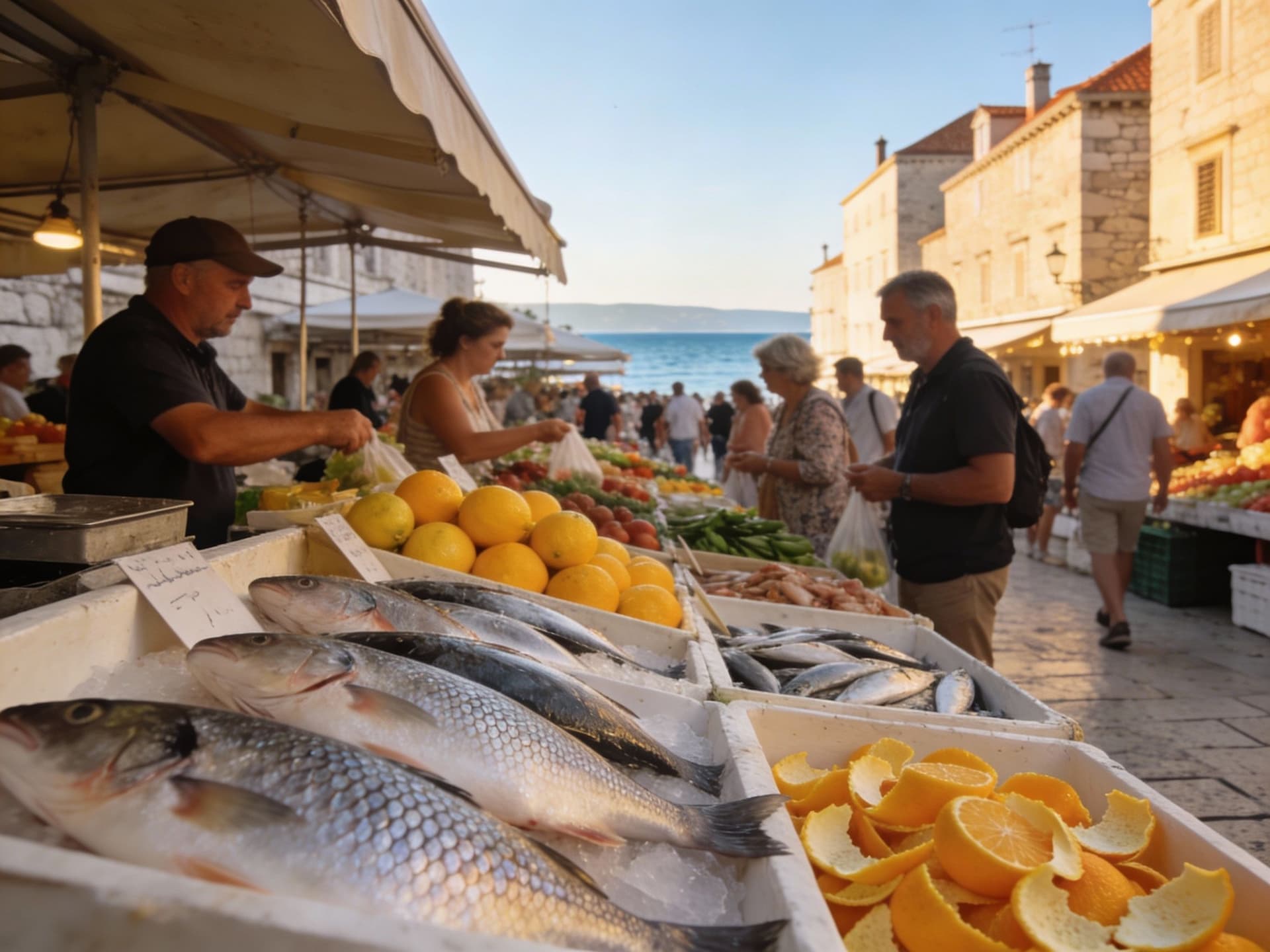
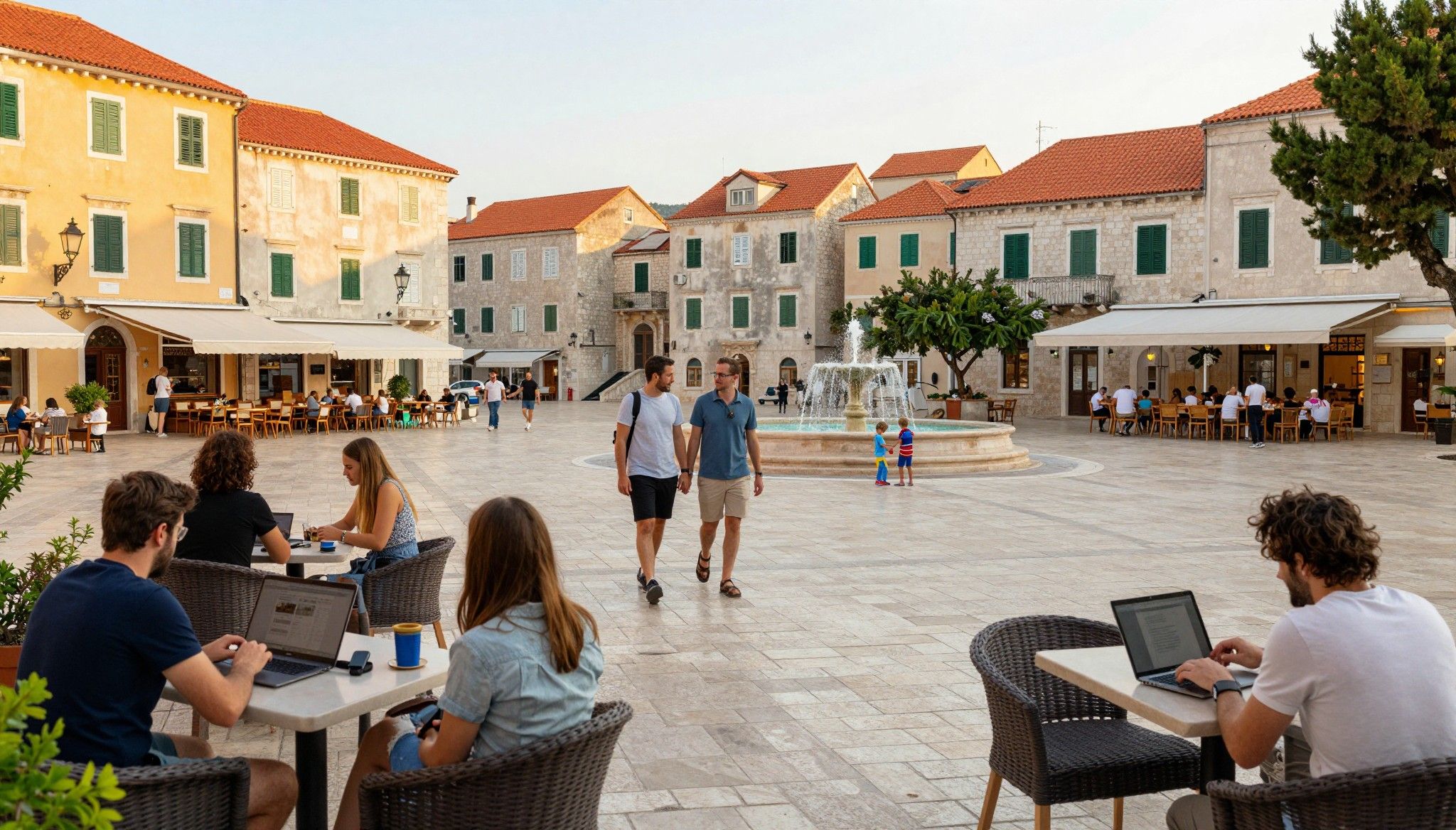
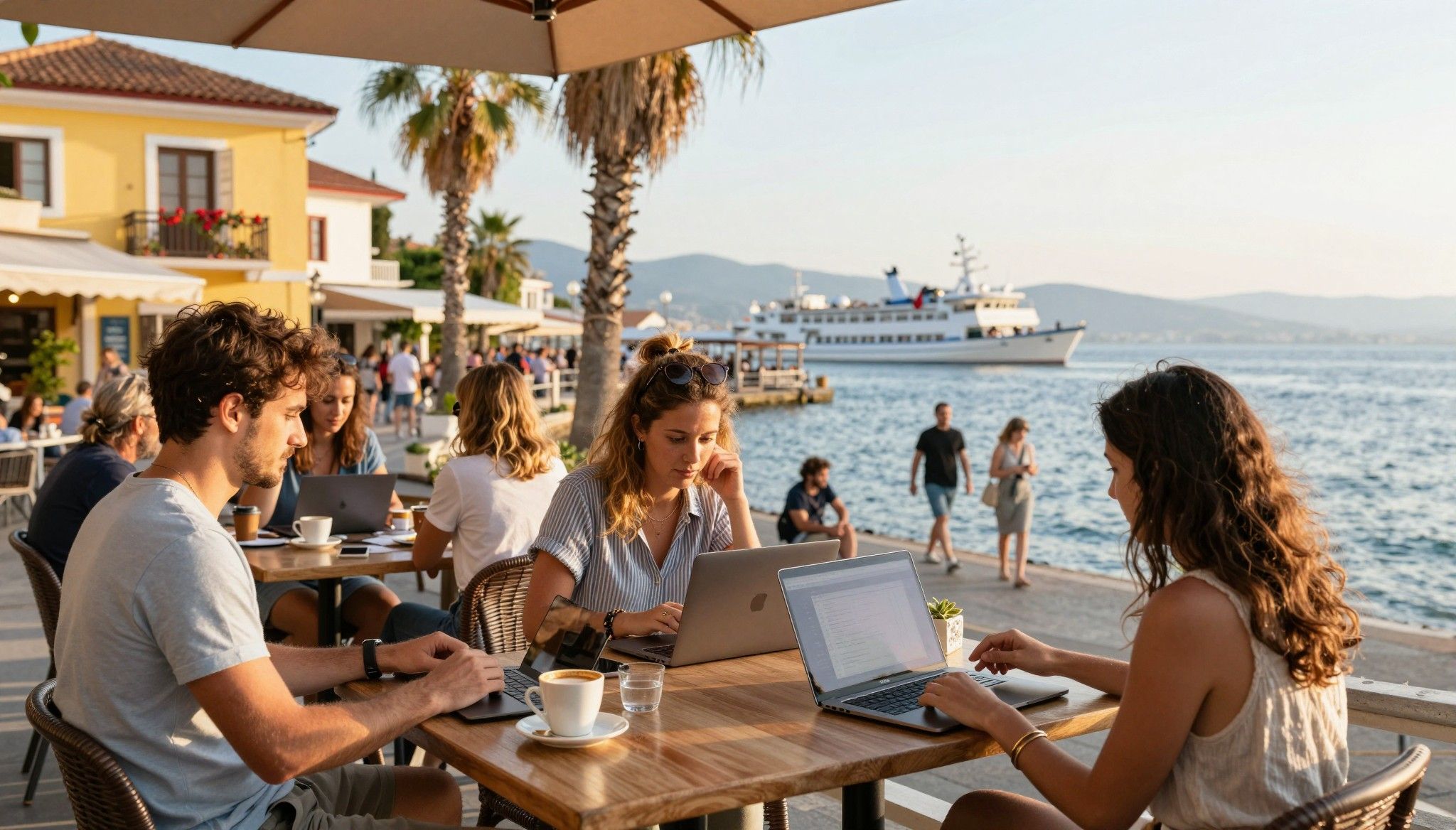
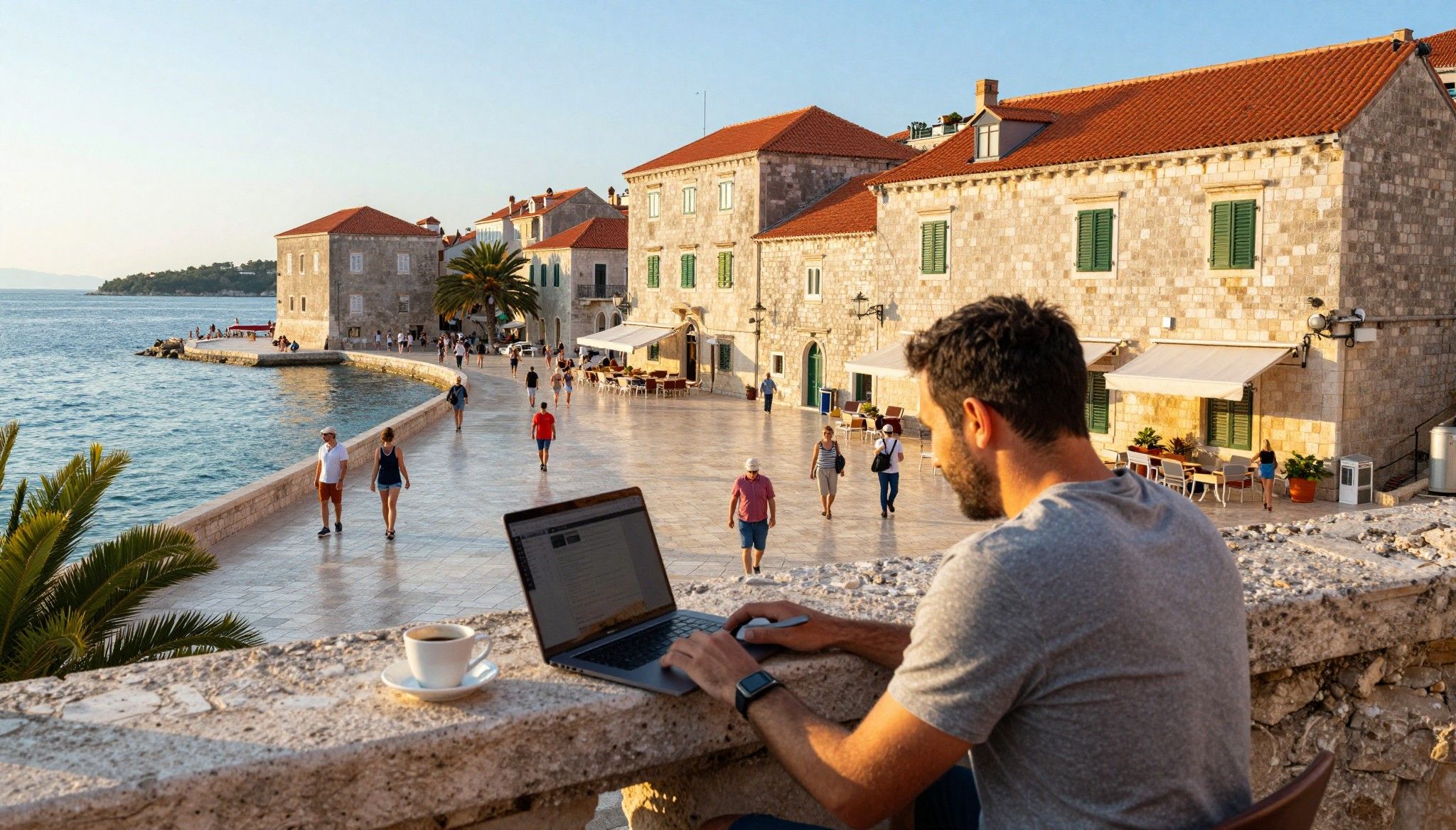
Croatia moves at two comfortable speeds: sun-drenched coastal mornings and relaxed inland afternoons. In Dubrovnik’s Old Town you hear church bells and multilingual conversations; in Istria, truffle season fills markets and small restaurants; in Zagreb, leafy avenues and lively cafés fuel a year-round urban rhythm. For nomads, the mix of strong cafe culture, growing coworking spaces and fast seasonal ferry links makes Croatia feel like work and vacation fused.
Coast & islands: seaside neighborhoods that feel alive
Picture Veli Varoš in Split: fishermen’s nets, a handful of bakeries, and morning espresso shots shared with neighbors. Or Hvar town’s compact alleys where sunsets pull everyone to the waterfront bars. These places sell an Adriatic life—fresh seafood, swims between work calls and weekends spent island-hopping. They also mean tourist season noise, seasonal rental opportunities and a premium on views and proximity to the water.
Inland & towns: quieter roots and local rhythms
Head inland to towns like Rovinj (Istria) or Korčula and you’ll find slower markets, community festivals and lower prices for larger plots. These places reward people who want garden space, longer-term neighbor relationships and lower annual costs — perfect if your work is remote and flexible but you crave authentic local life off the main tourist track.
- Lifestyle highlights: cafés, markets and small rituals
- Morning espresso at Bokeria or Charlie in Split; fresh fish stalls at Pazar in Zadar; weekend truffle hunts in Motovun (Istria); late-afternoon swims off the Zlatni Rat beach (Brač); seasonal island ferry gatherings in Hvar town
Making the move: practical considerations
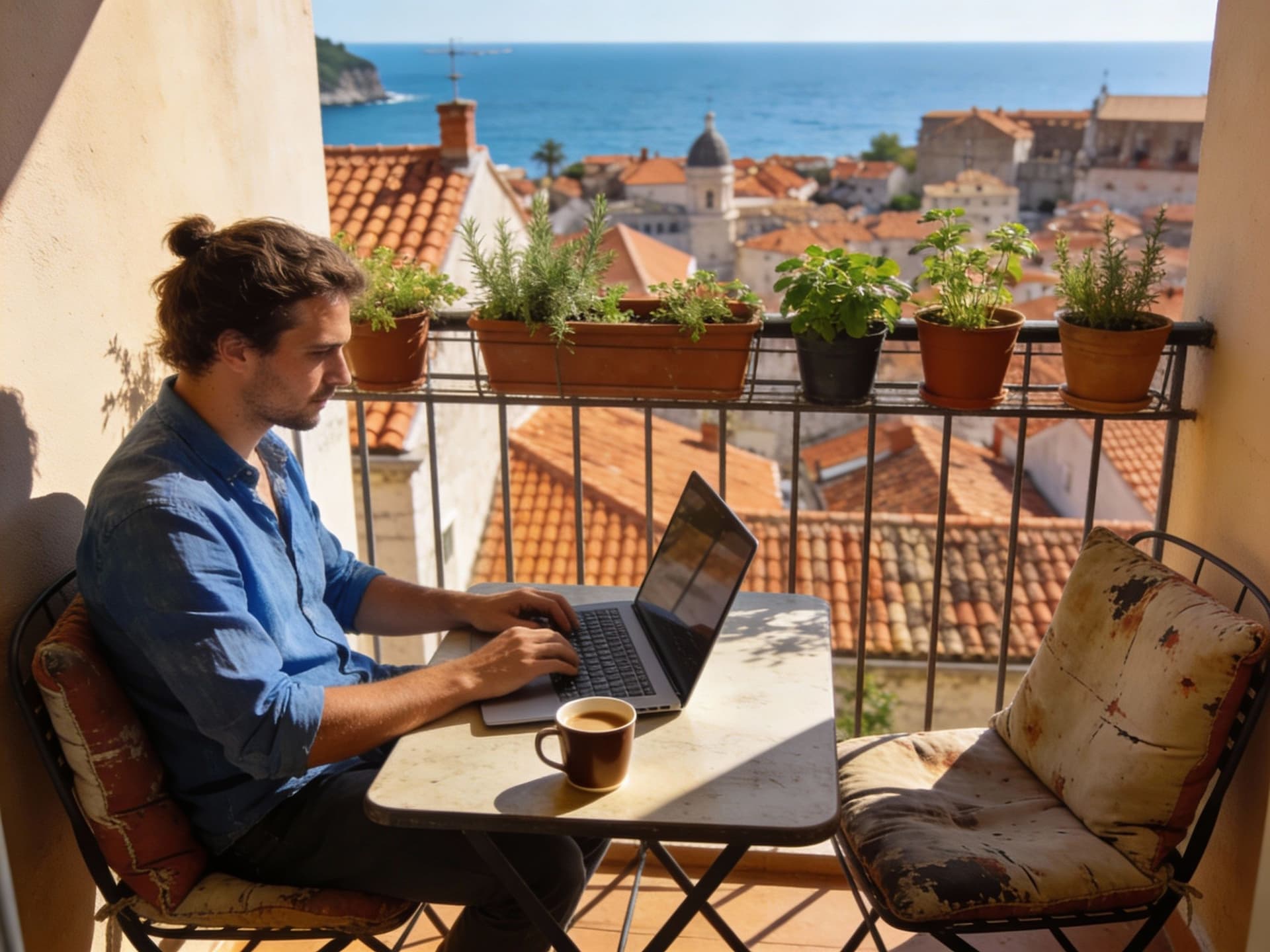
The lifestyle is magnetic, but your budget needs a reality check. Croatia joined the eurozone (€1 = 7.53450 HRK fixed conversion) on 1 January 2023, which simplifies pricing and mortgages in euros — a relief for many international buyers. Still, final costs include purchase taxes, possible VAT on new-builds and fees for notaries, lawyers and registries. Know the tax structure so you can price your budget realistically.
The headline fees — what to expect
The most common all-in closing cost rule of thumb: plan for roughly 6–9% of the purchase price to cover the 3% real estate transfer tax (where VAT does not apply), notary and registration fees, legal due diligence and typical agent or negotiation costs. New-builds from VAT-registered developers may be subject to 25% VAT instead of the 3% transfer tax, so verify which applies before you budget.
Practical steps to build your buying budget
- 1) Price ceiling: pick a max purchase price in euros and multiply by 1.09 to allow for high-end closing costs and a small renovation buffer. 2) Tax check: ask if the property is subject to 3% transfer tax or 25% VAT — if VAT applies, run the numbers again. 3) Legal cushion: allocate ~1–2% for lawyer due diligence and title checks. 4) Ongoing costs: budget municipal utility fees, local property tax and community charges into your yearly plan.
Insider knowledge: expat lessons and local quirks
I’ve chatted with nomads who learned the hard way: a dreamy sea-view fixer-upper can become a money pit if the roof and insulation are ancient, or if June-to-September tourist rental income is counted as year-round revenue. Locals often buy with long family ties and know parcel histories; as a foreign buyer you’ll want a local lawyer and an agent who knows streets by name, not just market listings.
Cultural and seasonal realities that affect budgets
Summer brings bustling rental demand — and higher maintenance needs. Winter reveals heating and insulation weaknesses. Sellers sometimes advertise properties with weak internet or limited workspace; if you’re a remote worker, check fibre availability in streets like Firule (Split) or Ploča (Dubrovnik) before falling in love with a terrace view.
- Red flags nomads should watch
- No registered OIB for seller (missing tax ID), unclear ownership entries in land registry, advertised 'sea view' that requires climbing steep public paths to access, missing energy certificate for the building, unclear VAT vs transfer-tax status
Working with a local agency that understands nomad needs — fast internet, a workspace-friendly layout, accessible coworking hubs — pays off. Ask agents for named street checks (e.g., Žnjan in Split, Gruž in Dubrovnik) and recent utility bills, and insist on a lawyer who reads Croatian property registers and can flag easements or historical servitudes.
How local experts help protect your budget
- 1) Confirm tax treatment (VAT vs transfer tax). 2) Pull land-registry extracts and encumbrance histories. 3) Translate and explain the pre-contract and final deed terms. 4) Negotiate realistic repair or inclusions (appliances, furniture) into the price.
Bottom line: budget for lifestyle and reality. The Adriatic life is achievable, but smart buyers in Croatia build a buffer for taxes, legal checks and seasonal fixes — then let the sunshine and markets do the rest.
Next steps: shortlist three neighborhoods (one coastal, one island, one inland), ask your agent to confirm VAT vs transfer-tax status for each listing, and schedule a local lawyer to pre-check the land-registry extracts before sending a deposit. That way you can book your ferry tickets with confidence and start picturing espresso mornings on your new terrace.
Norwegian who has helped 200+ families relocate from Oslo to Spain; expert in relocation services and community integration.