Why House‑Hunting in Malta During Summer Backfires
Malta’s charm is instant — but seasonality and supply make timing everything. Visit off‑peak, test fibre, and prioritise lived‑in features over showy views.

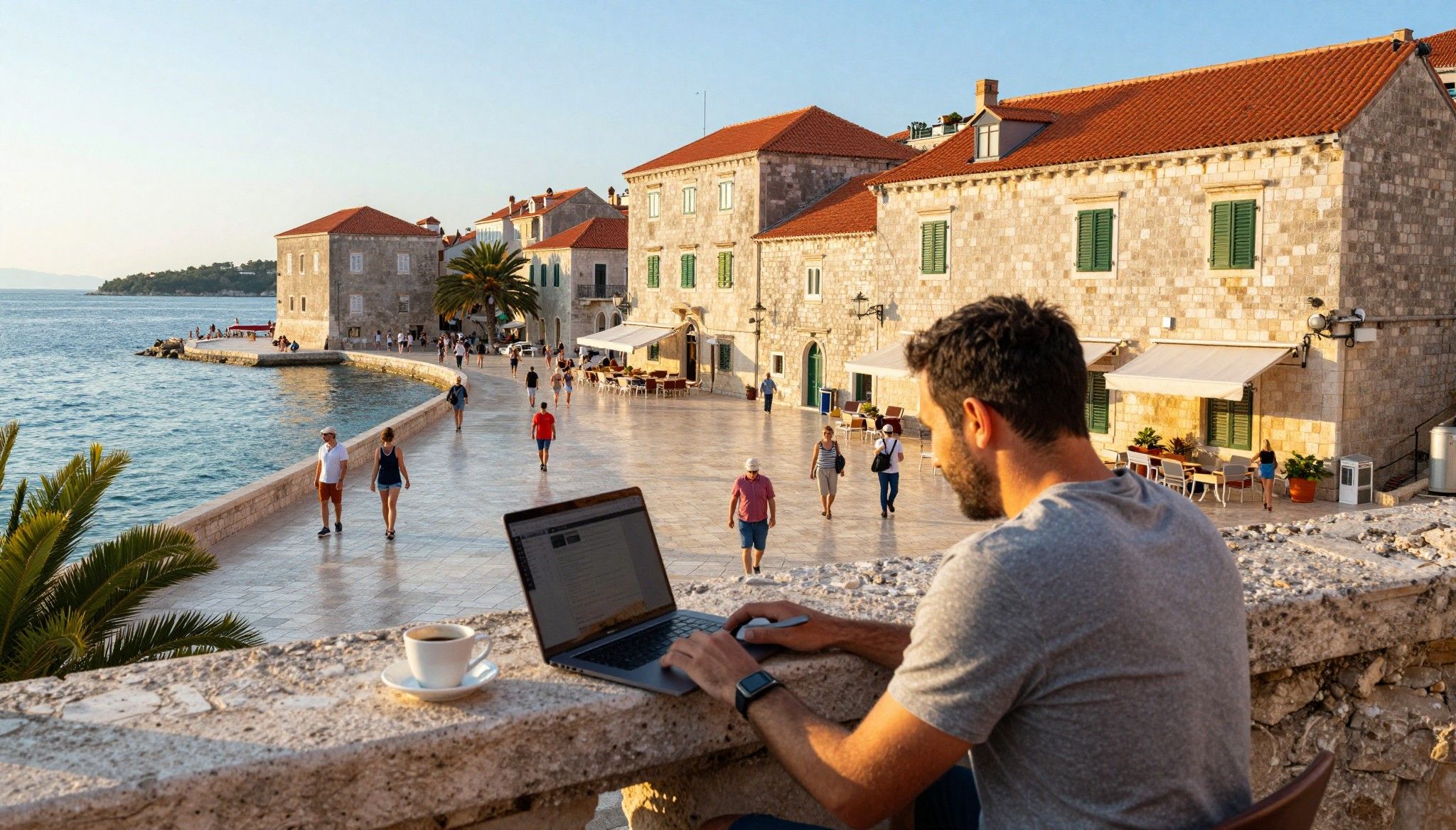
Imagine sipping an early-morning espresso on Republic Street, watching Valletta wake — delivery scooters, an elderly man sweeping limestone steps, and a coworker tapping away beside you. That compact, sun-washed rhythm is Malta: intense, social, endlessly walkable. But the island’s small size packs big property trade-offs — seasons swell demand, hidden rules shape ownership, and timing your house-hunt can be a lifestyle decision as much as a financial one. Let’s start with one contrarian take that surprises newcomers: summer isn’t the friendliest time to shop for homes here.
Living Malta: daily rhythms, small‑island charm
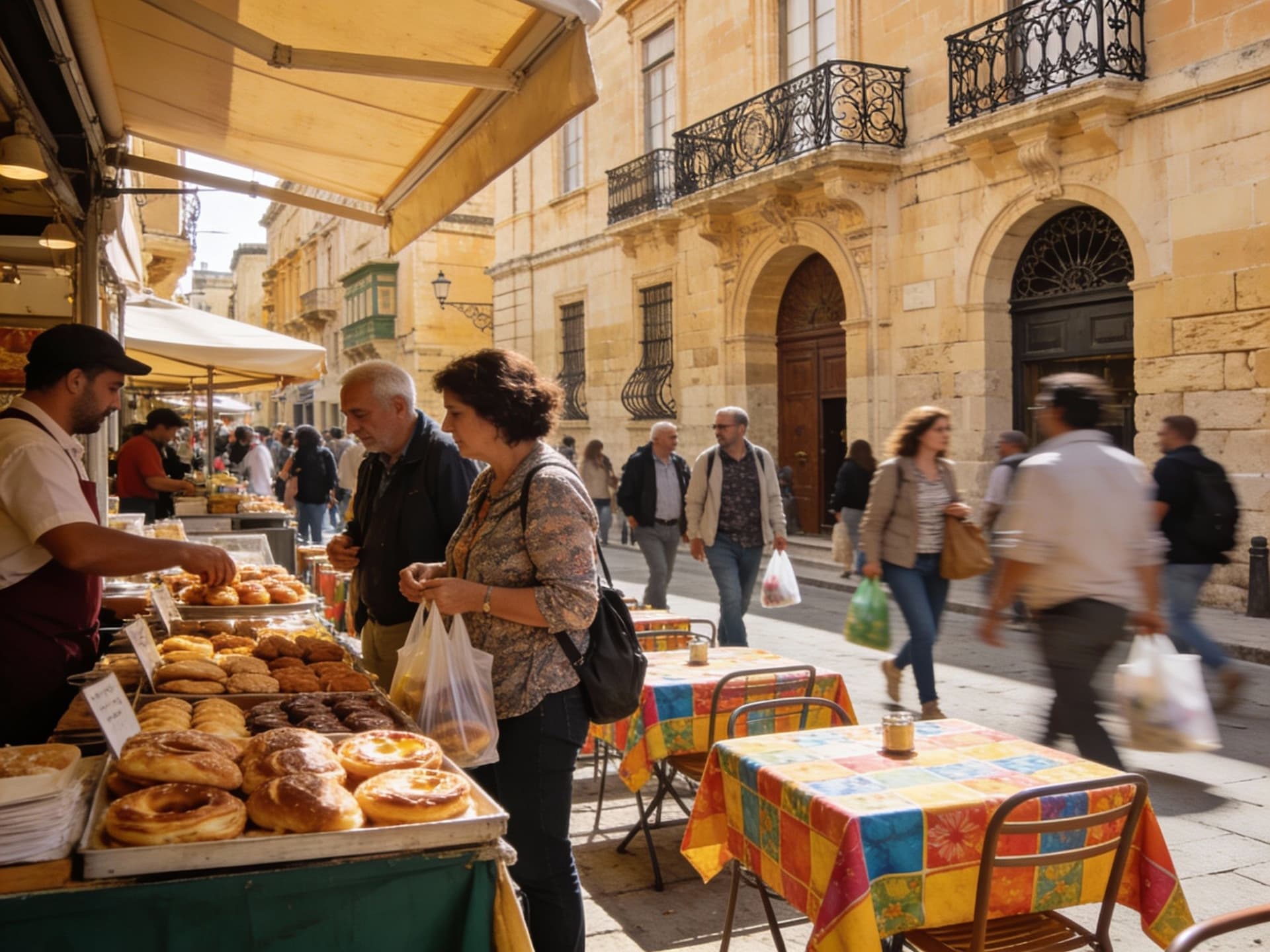
Malta’s heartbeat is both historic and hyper-social. Streets brim with cafes (Caffè Cordina in Valletta feels like living room extended), band-club festas animate summer nights, and weekending means diving off rocks at Għajn Tuffieħa or ferrying to Gozo. English is an official language, so fitting in is smoother than on many European islands — but the pace can feel fast: narrow lanes, late-night dining, and a calendar where religious feasts and sea-swimming compete with coworking meetups.
Neighborhood spotlight — Valletta & Strait Street energy
Valletta condenses history and convenience: artisan bakeries at dawn, tapas bars at dusk, and compact apartments with rooftop terraces. Walk anywhere in 20 minutes. Strait Street still hums with nightlife and young professionals — great for nomads who want an active social loop. Expect limestone facades, high ceilings in restored townhouses, and a premium for centrality that feels worth it if you prize walkability and cafe-work days.
Seaside living — Sliema, St Julian’s & quiet Mellieħa
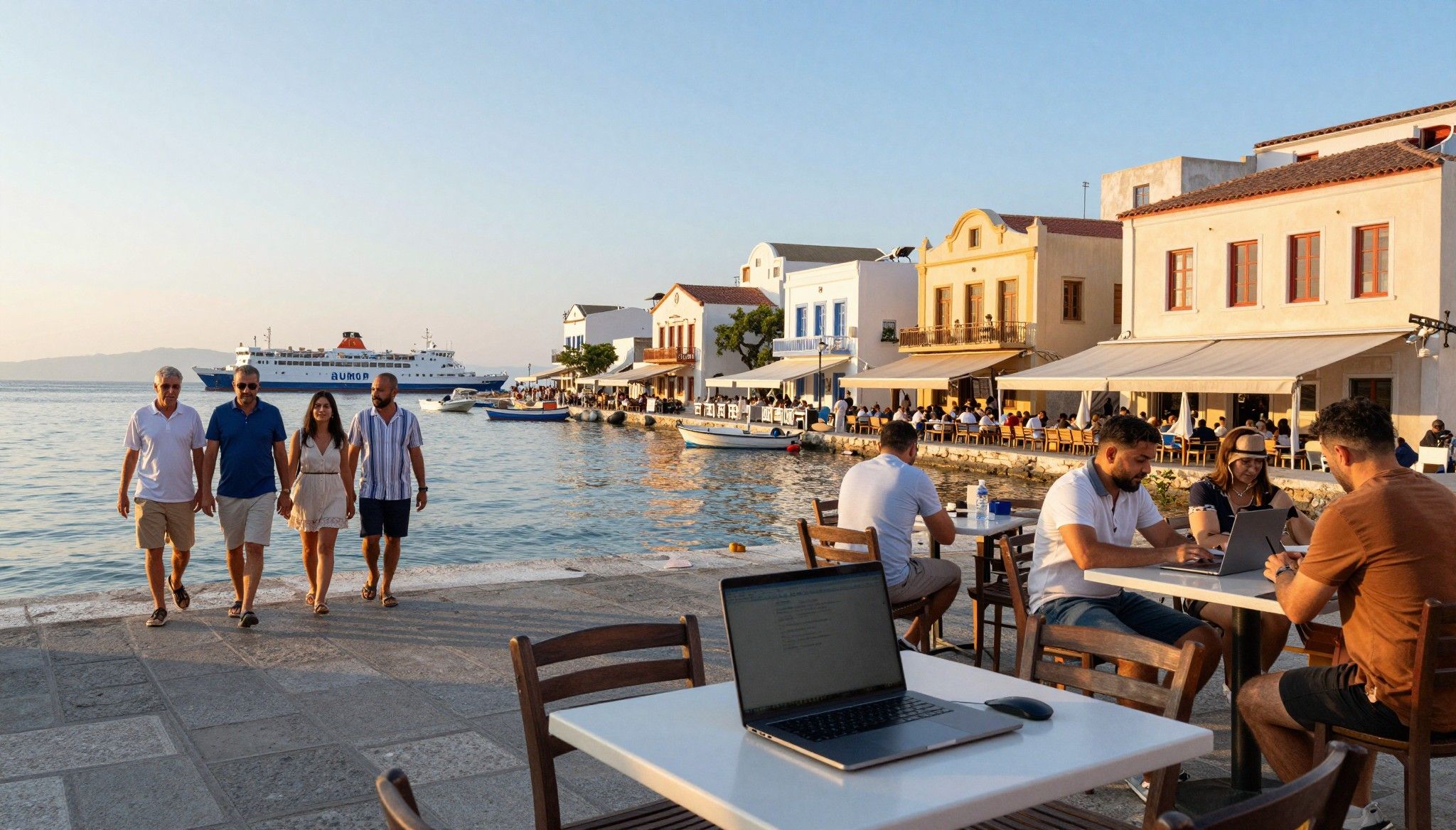
Sliema and St Julian’s are the island’s commercial and leisure hubs: long promenades, coworking spaces, and international restaurants. They pulse with expat energy and short-term rentals. Drive 20–30 minutes north and you’ll find Mellieħa’s slower tempo — sandy beaches, family-friendly streets, and bigger gardens. Each choice changes daily life: nightlife and networking versus calm mornings and space for a home office with sea views.
- Lifestyle highlights — what makes Malta sing
- Morning swims at Għajn Tuffieħa and coffee in Sliema’s promenade cafes
- Historic weekends in Valletta’s Upper Barrakka Gardens and theatre nights
- Food markets and rabbit stew nights — Maltese classics plus lively modern dining
Making the move: lifestyle dreams meet market reality
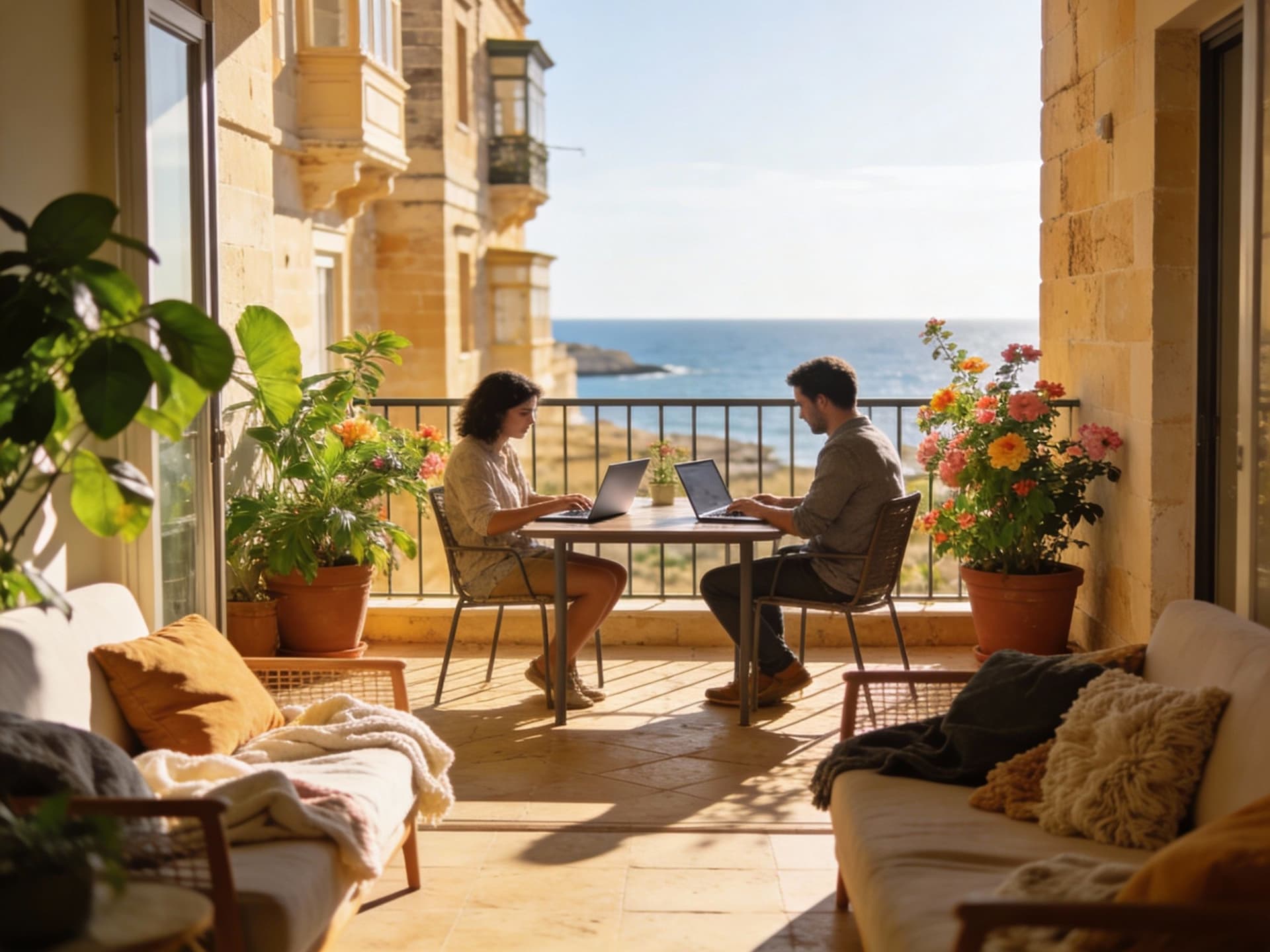
Dreams of terrace breakfasts and sunset swims meet a compact market where price moves are measurable and real. Malta’s Residential Property Price Index rose notably across 2024–2025, so timing and location matter — you can love a neighborhood but still overpay if you shop during peak demand. That’s why we flip the usual advice: avoid peak tourist season viewings and use off-peak months to negotiate from a position of calmer supply.
Property types & how you’ll use them
Styles range from compact apartments in converted palazzini to maisonettes with balconies and detached houses on Gozo. For nomads, look for reliable fibre (or easy mobile backup), a dedicated workspace area, and good natural light — tiny terraces are great, but realistic workspace matters more than a sea view when you’re billing clients at 3pm. In older buildings, expect restoration quirks: wooden beams, shared stairwells, and occasional structural quirks that need an eye for refurbishment.
Working with local experts who get the nomad life
A Maltese agent who knows coworking hubs, fibre rollout, and residency nuances will save you weeks. They can flag AP-type restrictions for non-EU buyers and suggest neighbourhoods that fit your remote rhythm — morning cafes with decent plugs, evening social groups, and practical commuting routes. Think of an agent as a cultural translator: they’ll tell you where landlords accept long-term remote workers, where parking is a nightmare, and which restorations actually increase rental yield.
- Steps to blend lifestyle with smart buying
- Visit off-peak (late autumn or winter) to test daily life and negotiate with less competition.
- Prioritise connection: confirm available fixed-fibre or reliable mobile backups (Epic leads mobile speed charts).
- Ask agents about ‘development zones’ and AP restrictions for non-residents — location can restrict purchase options.
- Factor seasonal rental demand if you plan to rent: summer tourists spike short-term yields but complicate viewings.
Insider knowledge: expat truths and the seasonality trap
Expats often arrive smitten, then trip over three island realities: (1) summer swells asking prices and hides everyday friction, (2) small-market quirks like one-off ownership rules, and (3) the restoration premium — older homes need work, and costs add up fast if you don’t budget for limestone maintenance. Recent NSO figures show price growth — proof that timing your bid can save real money.
Language, culture and making real friends
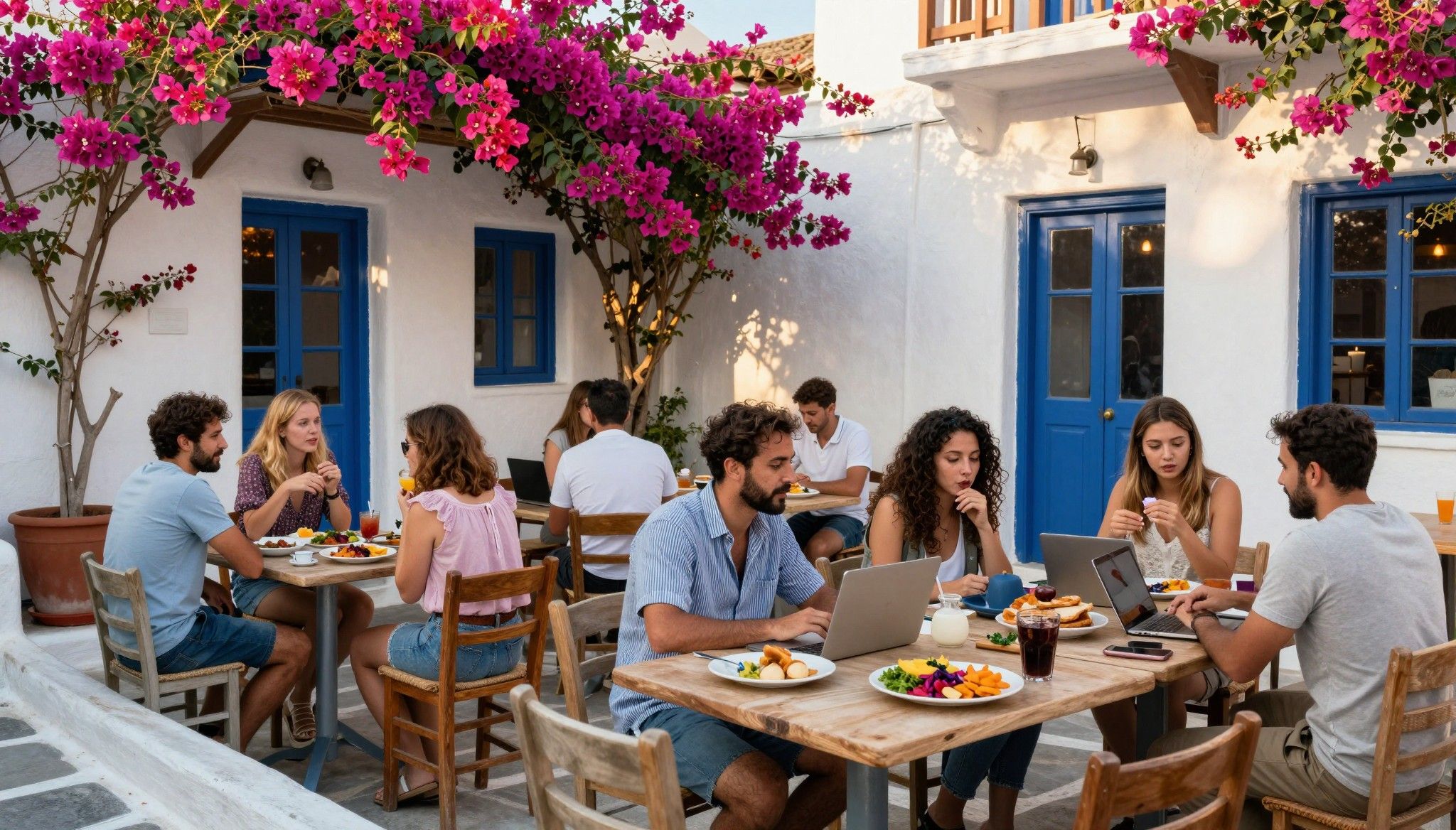
English makes settling easier, but Maltese social life values reciprocity: show up to a festa, try local food, and you’ll be invited back. Coworking spaces and language cafés are where internationals turn acquaintances into friends. Expect a mix of long-term expats, seasonal Europeans, and digital nomads — each brings different rhythms to neighbourhood life.
Long-term thinking — how life changes after you move
After a year you’ll swap excitement for local rhythm: grocery runs to the same shop, an evening sea dip becomes ritual, and you’ll value neighbours more than views. From a property perspective, that means looking for sustainable features: shady terraces for the hot months, insulation for rare cooler days, and a layout that supports both work and social life. Market data suggests modest but steady price rises — choose resilience over speculation.
- Red flags nomads miss
- No confirmed fibre or weak mobile signal in the listing — test speeds at different times of day.
- Promises of ‘easy permit’ without paperwork — always verify ownership and AP zone rules.
- Buy during high-season listings (June–August) when competition inflates offers.
Practical note: Malta’s mobile networks are strong — Epic was recognised by Ookla for top mobile speeds — but fixed-fibre availability varies by street. Test both before committing.
- A realistic short checklist before you make an offer
- Spend 48–72 hours living like a local in your target neighbourhood (cafes, groceries, commute).
- Ask your agent for recent comparable sales (3–6 months) and check RPPI trends for that district.
- Confirm residency/purchase restrictions for non-EU buyers and any AP zone implications.
- Get an independent survey — historic buildings hide costly issues beneath charming facades.
Conclusion — live first, then buy smart
Malta sells a compact dream: sunlit terraces, short commutes, and a social calendar that turns neighbours into friends. But the island’s size makes market moves feel bigger — seasonal demand and limited supply create moments where timing costs you money and lifestyle. My advice? Live the life you want here before you sign. Use off-peak months to view, insist on fibre checks and surveys, and partner with an agent who understands both festa nights and fibre rollouts. Do that and you’ll find a home that’s both joyful and sensible.
British expat who moved from Manchester to Mallorca in 2017. Specializes in market analysis and helping fellow Brit navigate local regulations.