Budget the French Life: Hidden Costs & Smart Tradeoffs
Fall in love with life in France — then budget like a local: convert markets, cafés and seasons into a realistic purchase and living-cost plan.

Imagine sipping espresso on Rue Cler, biking along the Seine at sunset, or opening your balcony onto Provence lavender fields — and knowing exactly how much that life will cost. France hands you theatre, markets and corner cafés in every region, but the true budget story isn't just the sticker price. It's the everyday tradeoffs: comfort versus renovation, city buzz versus coastal quiet, and the small recurring costs that stack up fast. This guide blends love-at-first-sight lifestyle writing with hard-headed budgeting so you buy the life you want — not a postcard.
Living the French life: more than a price tag
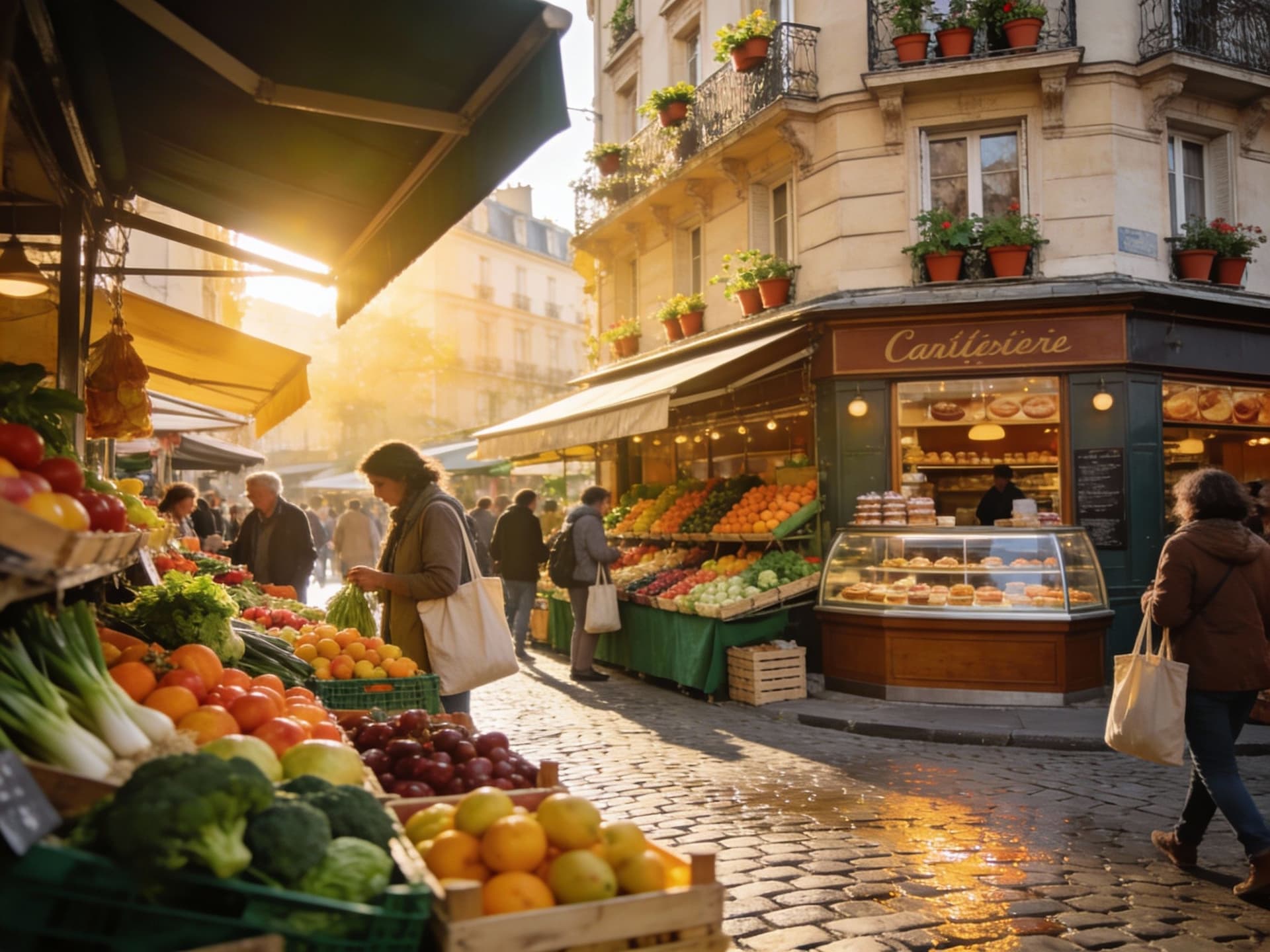
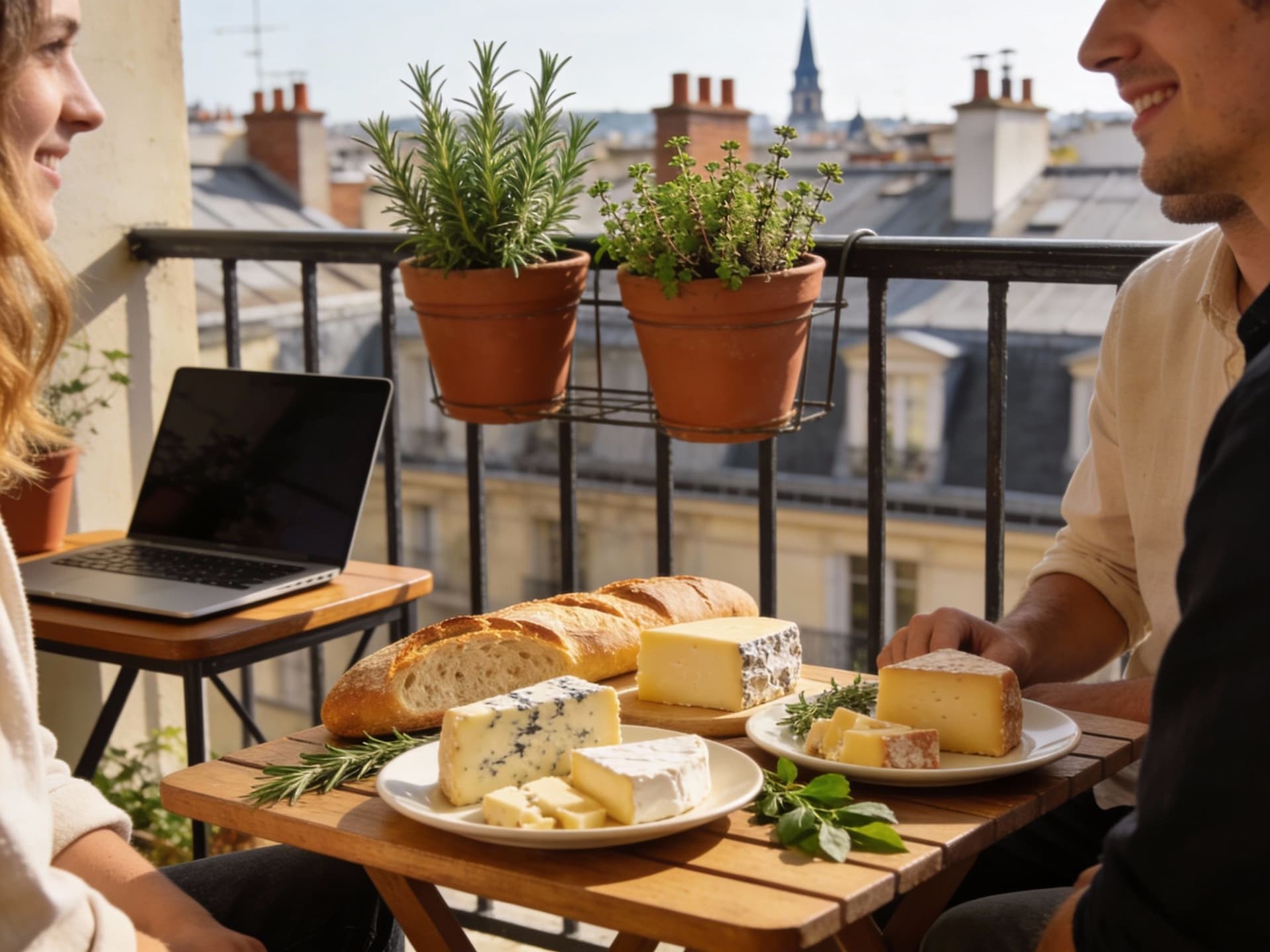
France is not one thing — it's villages with boulangeries, cities with late-night jazz, and a coastline that changes every 50 kilometres. Daily life revolves around food, markets, coffee rituals, long lunches and neighbourhood routines. For international nomads, that means housing must fit both social life and remote work: a sunny corner for a laptop, fast fibre, and a local café within walking distance for afternoon calls. When you budget, factor in the lifestyle you actually want: weekly marché runs, regular coworking membership, or occasional villa hosting for friends.
Neighbourhoods that define the vibe
Paris’s Canal Saint‑Martin hums with cafés and indie boutiques; Bordeaux’s Chartrons pairs wine bars with quiet streets; Marseille’s Cours Julien is street art, markets and cheap neighbourhood restaurants. In Nice, Promenade‑adjacent quarters feel holiday‑bright while Cimiez is gentler and residential. Choosing a district changes your monthly run rate more than the purchase price: parking, utilities, and local services vary hugely between city centre arrondissements and suburban communes. Walk the streets at different times before you budget — lifestyle costs reveal themselves in the small details.
Food, markets and weekend rituals
Weekends in France often revolve around market runs and neighbourhood cafés. Picture buying oysters in Brittany, charcuterie in Lyon, or seasonal truffles near Périgord — these habits shape kitchen size, storage needs, and local transport. If you imagine frequent farmer‑market trips, prioritise an apartment with a practical kitchen and a good fridge over an extra bedroom. Lifestyle choices like hosting dinner parties or cycling to errands should be explicit line items in your budget.
Making the move: practical considerations that match the life
Dreams need arithmetic. National data shows property values and transaction volumes vary regionally, and notary fees plus taxes typically add around 7–8% on older properties and lower for new builds. Mortgage availability for non-residents is good but depends on ties to France and your down payment size. Build a budget that lists: purchase price, tax & notary fees, renovation buffer, annual property taxes, utilities (including reliable fibre), and a contingency for administrative twists. Use official price indices and government pages when you plug numbers in so you’re not guessing.
Property styles and how they shape monthly life
A narrow Parisian duplex feels cinematic but may lack storage and outdoor space; a Dordogne farmhouse offers acreage and silence but higher maintenance. Historic apartments have charm — and cold drafts, quirks in plumbing and old wiring that mean renovation budgets climb. New builds have predictable running costs and warranties but often lack the soul of an old stone house. Match the property type to how you live: remote work needs quiet and fast internet; entertaining needs outdoor terraces and a decent kitchen.
Steps to convert lifestyle wishes into a realistic budget
1. List daily lifestyle costs: markets, cafés, transport and coworking. 2. Add one-off property costs: purchase taxes, notaire fees, agency fees, and a 10–20% renovation buffer. 3. Factor recurring costs: taxe foncière, utilities, home insurance, building charges. 4. Check financing: speak with French banks or international lenders to estimate mortgage rates and required deposit. 5. Run scenario budgets (city centre vs. commuter town vs. rural) and pick the one that matches daily routines, not just aesthetic.
Insider knowledge: what expats wish they'd known
A lot of surprises are small but costly: poorly insulated windows that spike winter heating bills, slow regional broadband that kills an afternoon of calls, or communal building rules that limit short‑term rentals. Expats often underestimate administrative timelines — getting utilities, residency paperwork, or renovation permits can take weeks. Talk to locals and agents who regularly work with internationals; they’ll flag quirks like copropriété meetings or mairie rules before contracts are signed. Small pre‑checks save big headaches later.
Cultural integration and daily routines
Learning a few phrases, joining the local marché rhythm and showing respect for small town rules opens doors fast. Neighbourhood cafés, local boulangeries and association meetings are where community life happens — not just expat meetups. If you’re aiming for long‑term life, budget time (and a small social fund) to invest in these rituals. It pays back in both friendship and practical help when you need a trusted plumber or a local recommendation.
Red flags and quick checks before you sign
Estate agents pushing quick offers without full copropriété documents. Building with unclear heating/insulation history. Promises of “off‑market” bargains that can’t be documented. Sellers asking for cash or complex workarounds—insist on transparent contracts. Unusually low price in a good area — always ask why.
Conclusion: buy the life, budget the reality. France gives you markets at dawn, art-house cinema at night, and slow Sunday afternoons. But to make that life sustainable, translate sensory wants into hard numbers: an honest renovation buffer, verified broadband, realistic taxes, and local agency support that understands the neighbourhood rhythm. If you want help turning a wishlist into a two‑column budget (dream items vs. must‑haves) and a simple timeline, reach out to a francophone-savvy agent who lives the local life. Do the small checks now, and you’ll be sipping espresso without surprise bills later.
British expat who moved from Manchester to Mallorca in 2017. Specializes in market analysis and helping fellow Brit navigate local regulations.