Italy: Lifestyle First — Visas, Value & Neighbourhood Truths
Fall in love with Italy’s lived-in neighbourhoods and match that life with visa options, market data, and agency tactics to buy smarter—season by season.
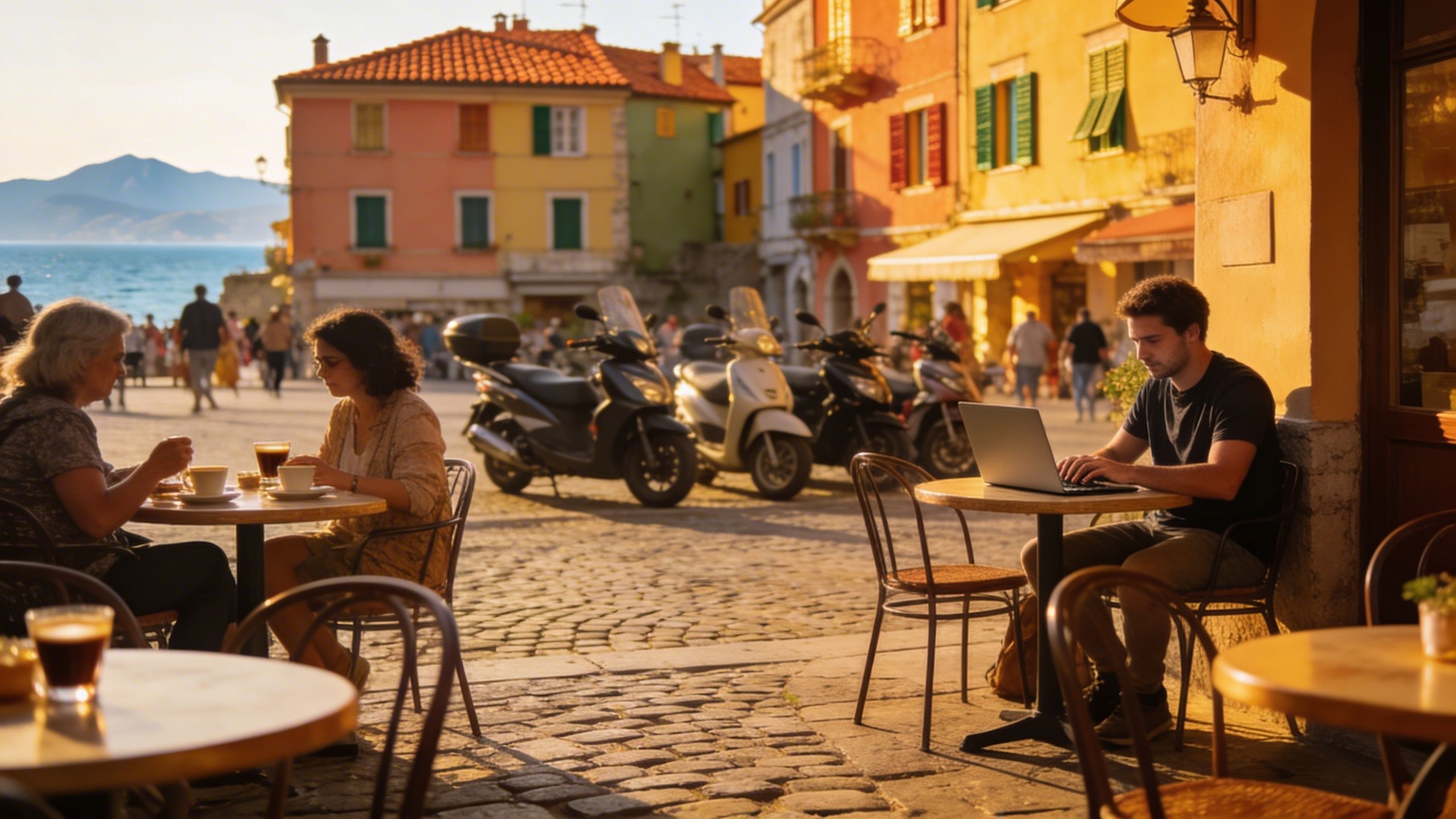
Imagine waking up to the smell of fresh espresso on a cobbled street, then opening your laptop on a sunlit terrace with the Alps—or the sea—on the horizon. Italy does that every day: dramatic landscapes, neighbourhood rituals, and a deliciously slow tempo that makes home feel like an event. But falling in love with the lifestyle is only half the story; the other half is practical. This piece marries the romance with hard facts about visas, where value lives now, and how agencies help you make the dream a stable plan.
Living the Italy life: streets, flavours, rhythms
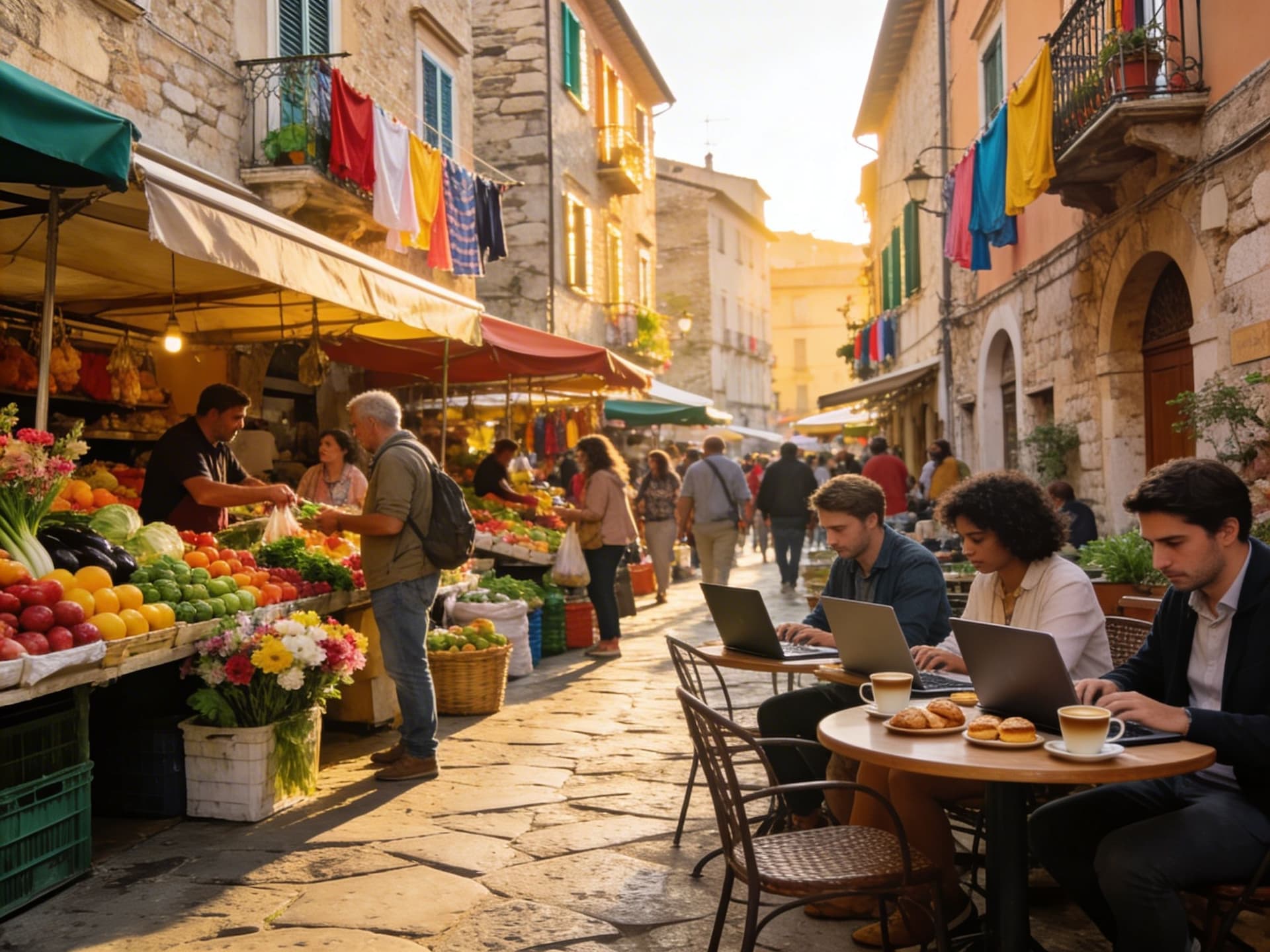
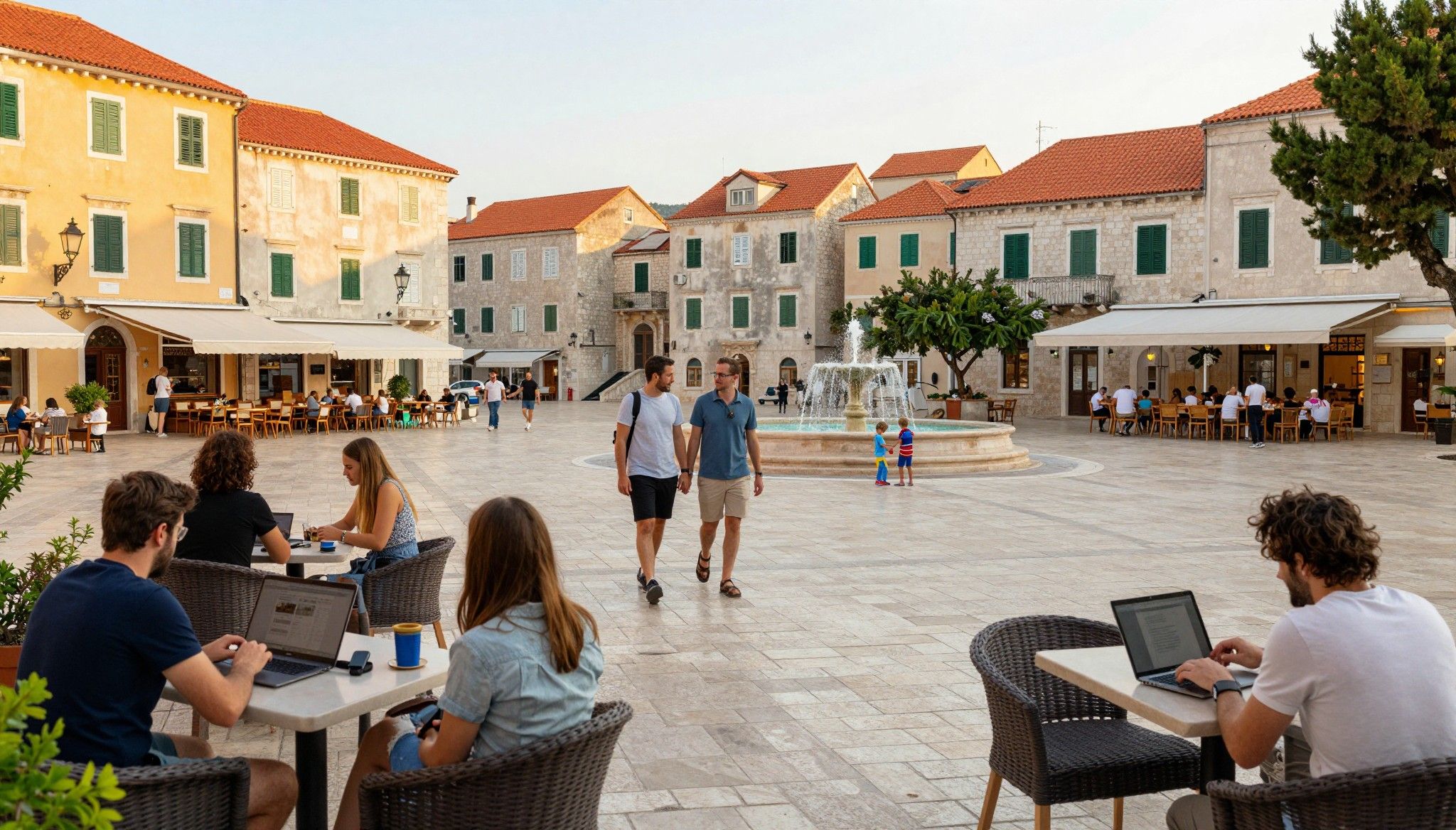
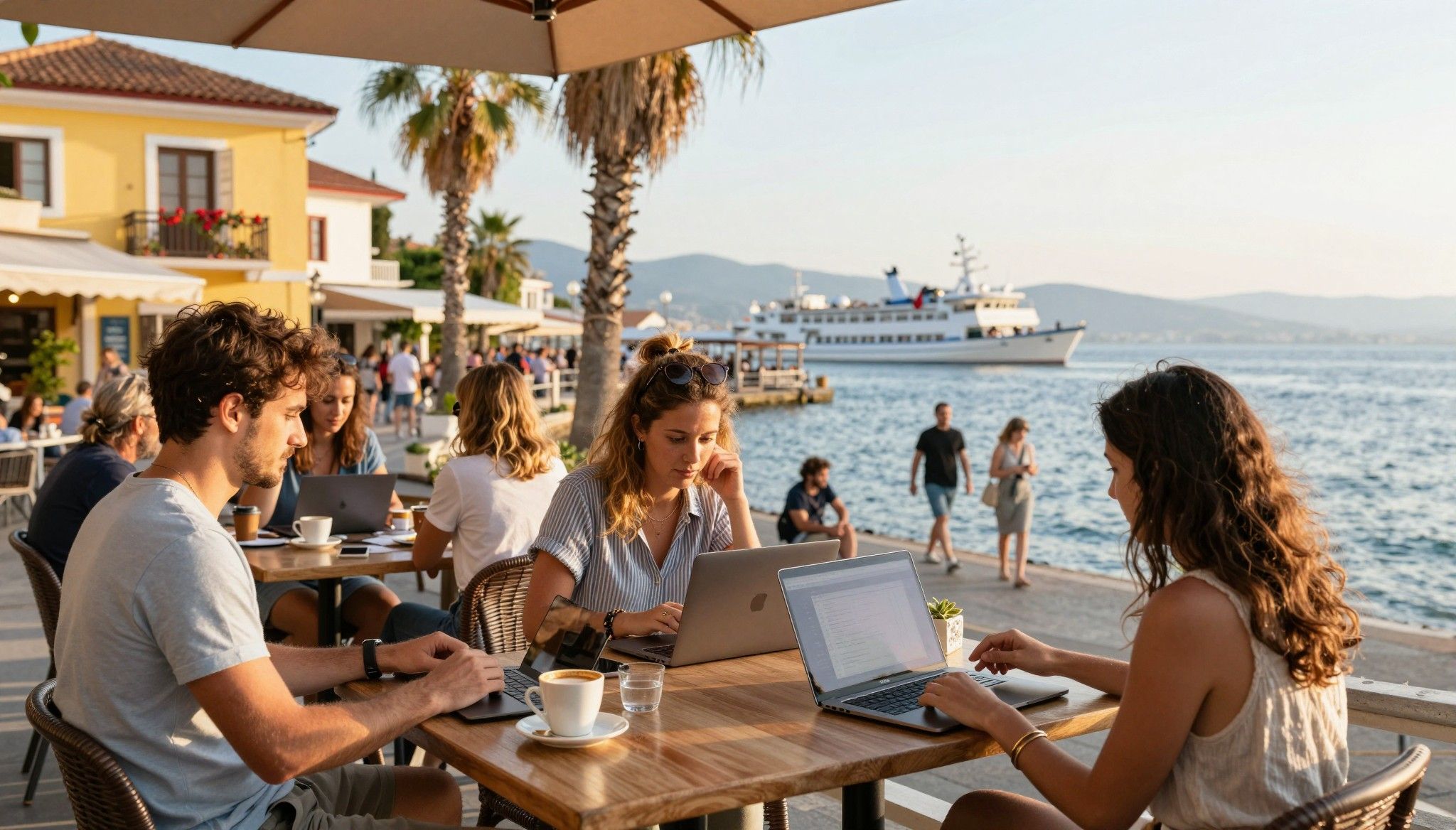
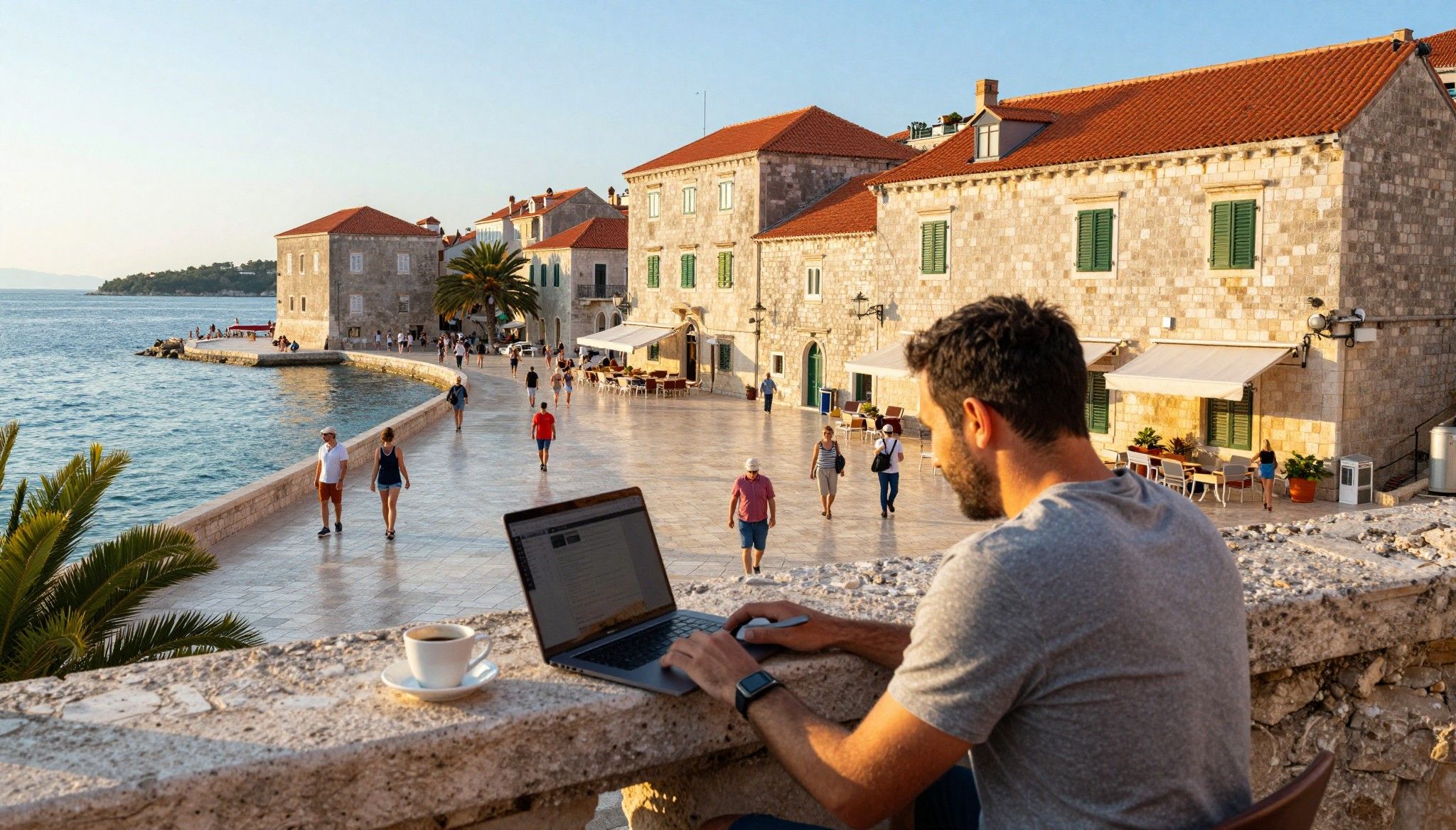
Italy’s daily rhythm is textured: mornings are market-heavy, afternoons slow into passeggiata, and evenings glow with aperitivo chatter under string lights. Whether it’s an espresso at Bar Centrale in Bologna or suppli in a Trastevere alley, life in Italy feels lived-in and delicious. For nomads, neighbourhoods matter more than cities—you’ll trade square-metre math for walkable routes to cafés, fast fibre in coworking hubs, and a piazza where people actually meet. The practical flip side? Different regions mean different price dynamics and residency routes, so where you choose affects both your days and your paperwork.
Neighbourhood spotlight: San Frediano (Florence) & Pigneto (Rome)
San Frediano feels like a slow creative workshop—street markets, tiny artisan boutiques, and trattorie that still use family recipes. Pigneto in Rome is younger and louder: street art, late-night bars, and co-living houses near metro lines that make remote work social. Both deliver strong café culture and great short-distance mobility, which is gold for digital nomads who want reliable cafés with power outlets and a 20–30 minute commute to a coworking space. Expect apartment types from high-ceiling historic flats to renovated attic studios—each with trade-offs in insulation, AC, and wiring.
Food & seasons: why timing shapes where you live
If you love markets, buy where weekly stalls overflow in spring and autumn—Emilia-Romagna and Tuscany glow then, and the harvest season turns weekends into feasts. Coastal towns like Cefalù or Polignano a Mare swell in July but are beautifully quiet and affordable in October–May. Winter in the Dolomites brings powder days and alpine village life but also heating bills and maintenance chores. Pick a season you can tolerate year-round: Italian life is seasonal, and your property’s usability (and cost) will reflect that.
Making the move: visas, value pockets and the real estate reality
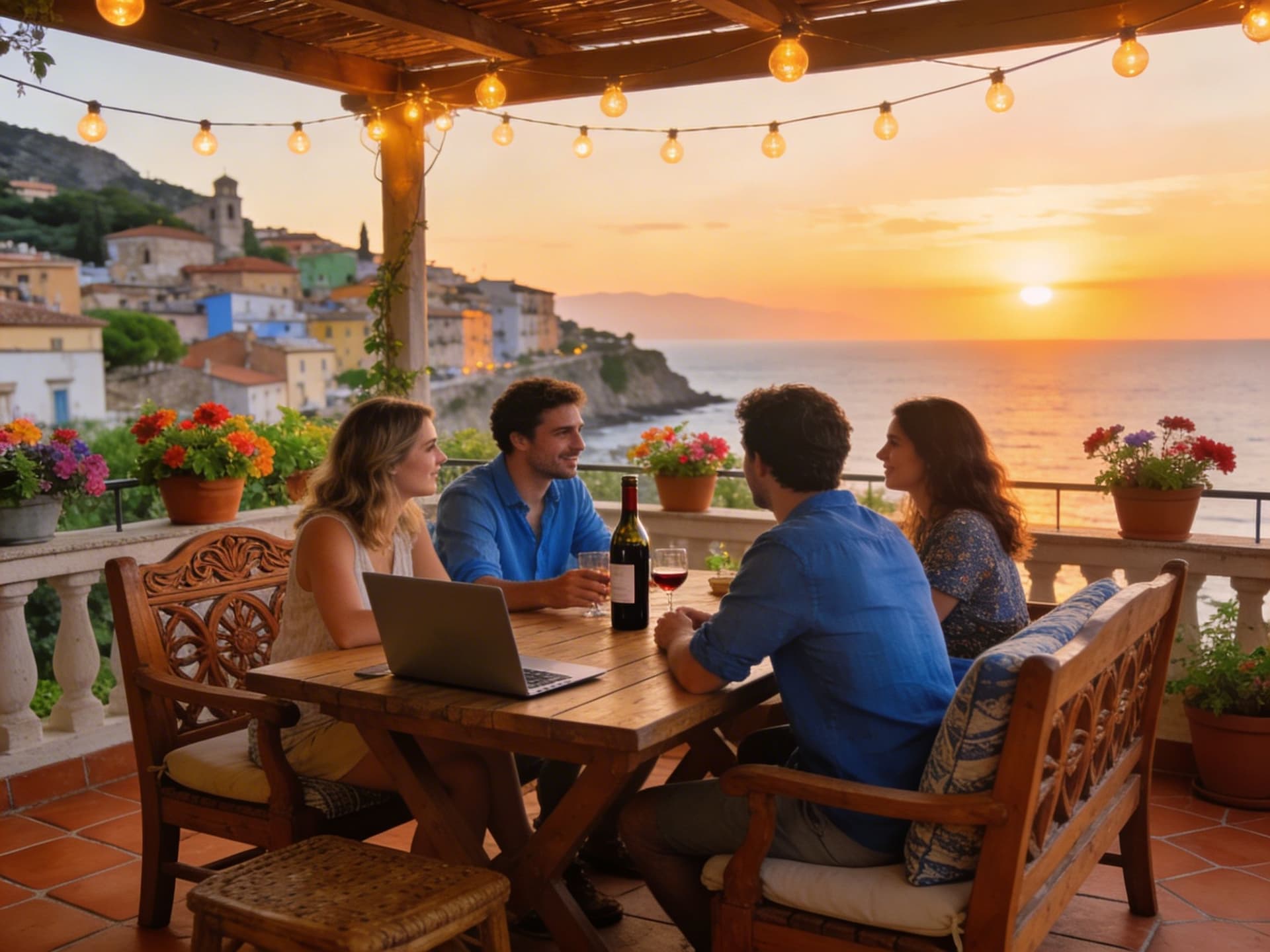
The paperwork side of Italy has softened: there’s now a clearer digital-nomad pathway and long-standing options like elective residency for self-funded retirees or remote workers. The digital nomad visa launched in 2024 gives non-EU remote workers a one-year route in, with income and experience thresholds to meet. Elective residency suits those with steady non-labour income but forbids local employment. Always check consulate pages for up-to-date eligibility and fingerprinting rules—rules change and timelines matter if you’re arranging flights around visa windows.
Property types that match the nomad life
A sunlit apartment with a balcony and good insulation will beat an oversized historic flat with poor wiring if you work from home. In cities, look for properties near fibre-enabled buildings and coworking hubs; in smaller towns, prioritise reliable mobile coverage and a comfortable workspace. Renovation projects (trulli, farmhouses, stone cottages) can be magical but often need local permits, seismic upgrades, and a steady project manager. Match property style to how you’ll spend weekdays—are you out exploring most days, or will your home double as an office?
How local agencies become lifestyle translators
Use agents who live the neighbourhood life: they’ll know which cafés have 200 Mbps lines, which streets flood in autumn, and where short-term rentals flip into year-round community. Good agencies introduce you to notaries, renovation teams, and property managers who understand non-resident needs. Beware of agencies that speak only in price per square metre—ask instead about walkability, noise after 10pm, and winter heating performance. Your ideal agent packages the lifestyle into a checklist you can test on a weekend visit.
- Practical steps to line up life and purchase
1. Visit the neighbourhood in at least two seasons to feel noise, light, and market life. 2. Confirm internet speed at the exact address and ask for recent speed-test screenshots. 3. Meet a local notary and agent to understand title history and condominium fees. 4. Budget for renovation surprises and seasonally higher utility bills. 5. Arrange interim property management if you won’t live there full-time.
Insider knowledge: what expats wish they'd known sooner
Expat buyers often underestimate regional disparity: Milan and Florence are expensive, while Puglia, Calabria and many Sicilian towns offer dramatic value for renovated homes. National averages mask that contrast—recent market analysis shows strong city price pockets alongside affordable rural opportunities. Another common surprise is bureaucracy pace: permits, building inspections and utility setup move slowly and require local persistence. Finally, community is not automatic; cultivate local friendships through food markets, language classes, and meetups.
Cultural cues that shape everyday life
Italians value relationships and rhythm—expect slower bureaucratic replies but warmer neighbourly help once you’re known. Learning even basic Italian opens doors: coffee conversations, better renovation quotes, and invitations to local sagre (festivals). Weekends are sacred: markets, family lunches, and afternoon rest mean tradespeople may be unavailable on Monday mornings. Adapting to local timing changes how you schedule deliveries, repairs, and meetings.
- Hidden practical tips from residents
• Check for historic‑building restrictions before planning a renovation. • Ask about condominium ‘condominio’ fees and reserve funds; they vary widely. • Get an energy performance certificate (APE) and factor heating costs into winter budgets. • Meet the local garbage/collection rules—sorting is serious business in many towns. • Consider short-term rental rules if you plan to let seasonally; permits differ by comune.
Numbers matter: recent data and reports show regional divergence in prices and improving mortgage availability, which benefits buyers ready to act. Major city averages are higher—Milan remains the priciest market—while southern regions offer space and narrative for lower budgets and higher renovation upside. For visas, the digital-nomad route and elective residency are legitimate paths, but each has income and documentation hurdles. Use reputable sources and local professionals to avoid surprises; they’ll save time, money, and stress.
If Italy already feels like your kind of life, start small: rent in a target neighbourhood, test internet speeds, and join local groups for a few months before signing on the dotted line. Bring the lifestyle into your property brief—prioritise a balcony, workspace light, and a friendly piazza over vanity square metres. When you’re ready to buy, partner with an agency that speaks the language of life here, not just contracts. Then sip the espresso and enjoy the view—Italy rewards those who choose it for its life, not only its ledger.
Swedish, relocated to Marbella in 2018 to chase sun and property freedom. Focus on legal navigation and tax for Nordic buyers.