Croatia: Why the ‘Coast or Nothing’ Myth Costs You
Buy where life fits: coastal views are seductive, but inland towns and secondary cities often deliver richer day‑to‑day life and clearer legal paths—know the tax, title and red flags before you sign.
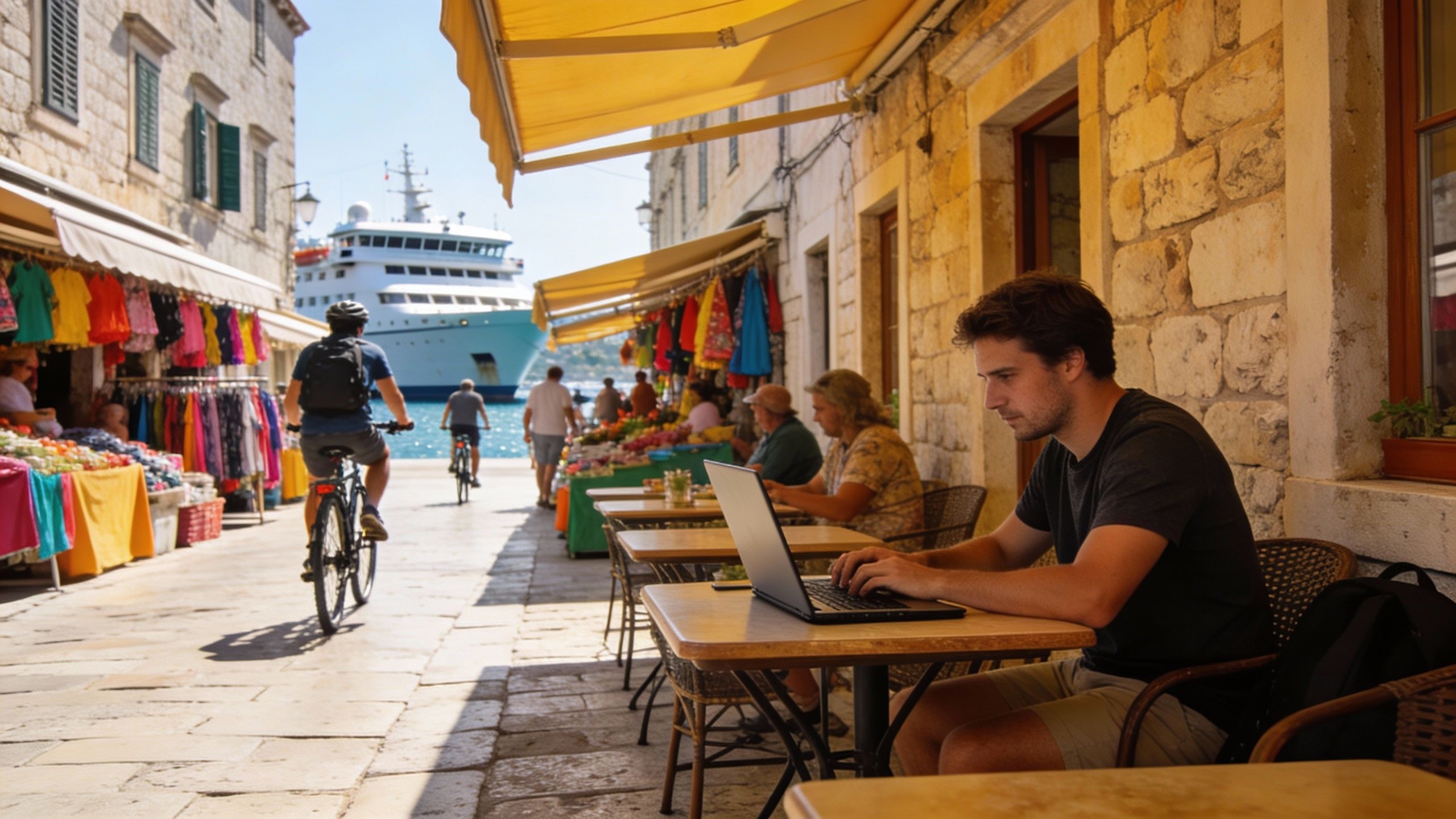
Imagine sipping an espresso on a shaded table in Split's old town at 9 a.m., then answering a call with the Adriatic as your backdrop. Croatia sells that Mediterranean life easily—cobblestones, summer festivals, island weekends. But if you arrive convinced property here must mean Dubrovnik views and coastal price tags, you’ll miss where value and everyday life really live. Recent market analysis shows strong coastal premiums—but the country’s quieter streets and inland towns offer the same rhythms, culture, and far better due‑diligence opportunities for international buyers. (We’ll show you how to protect the dream while getting more lifestyle for your euro.)
Living the Croatia lifestyle
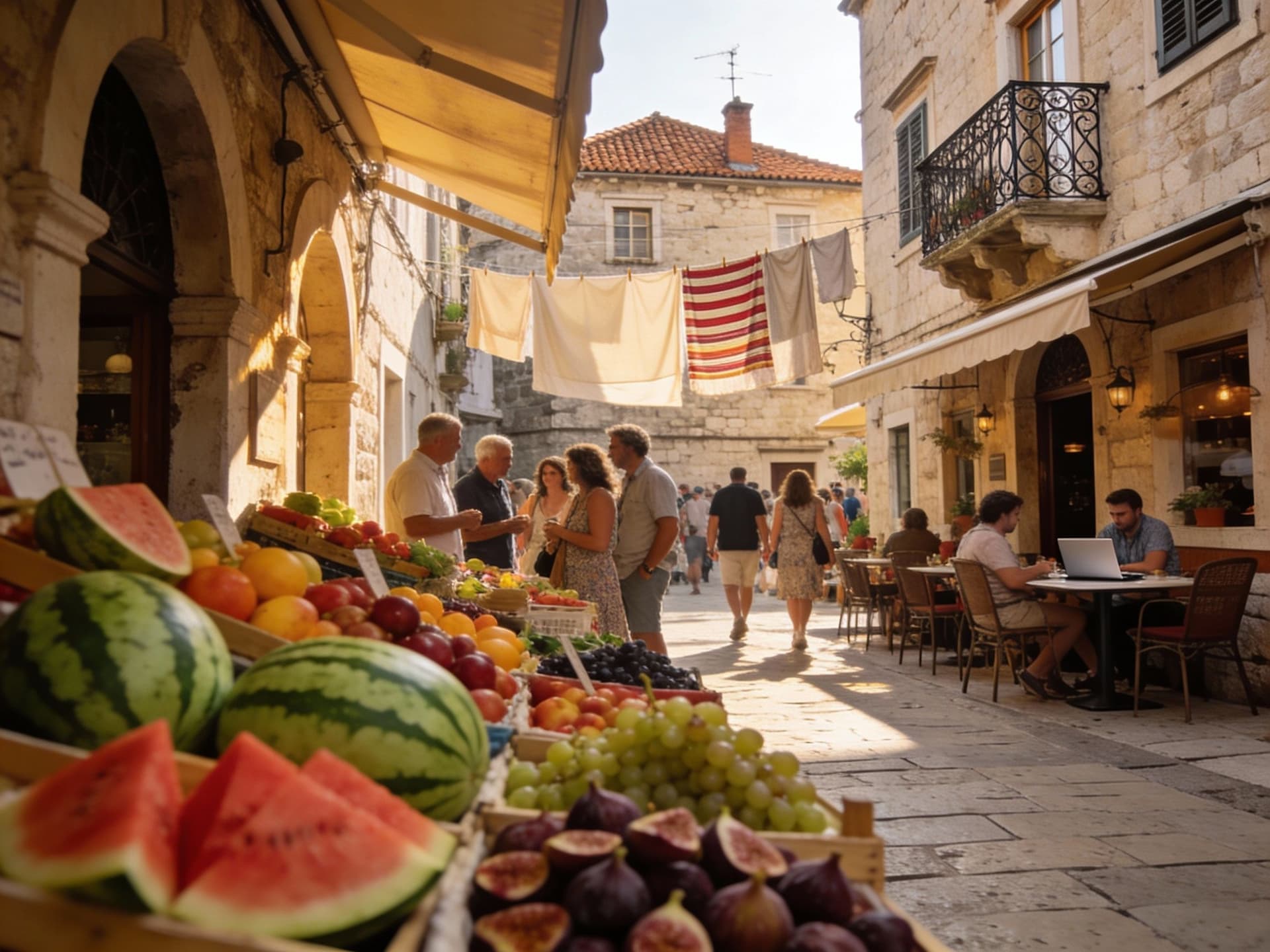
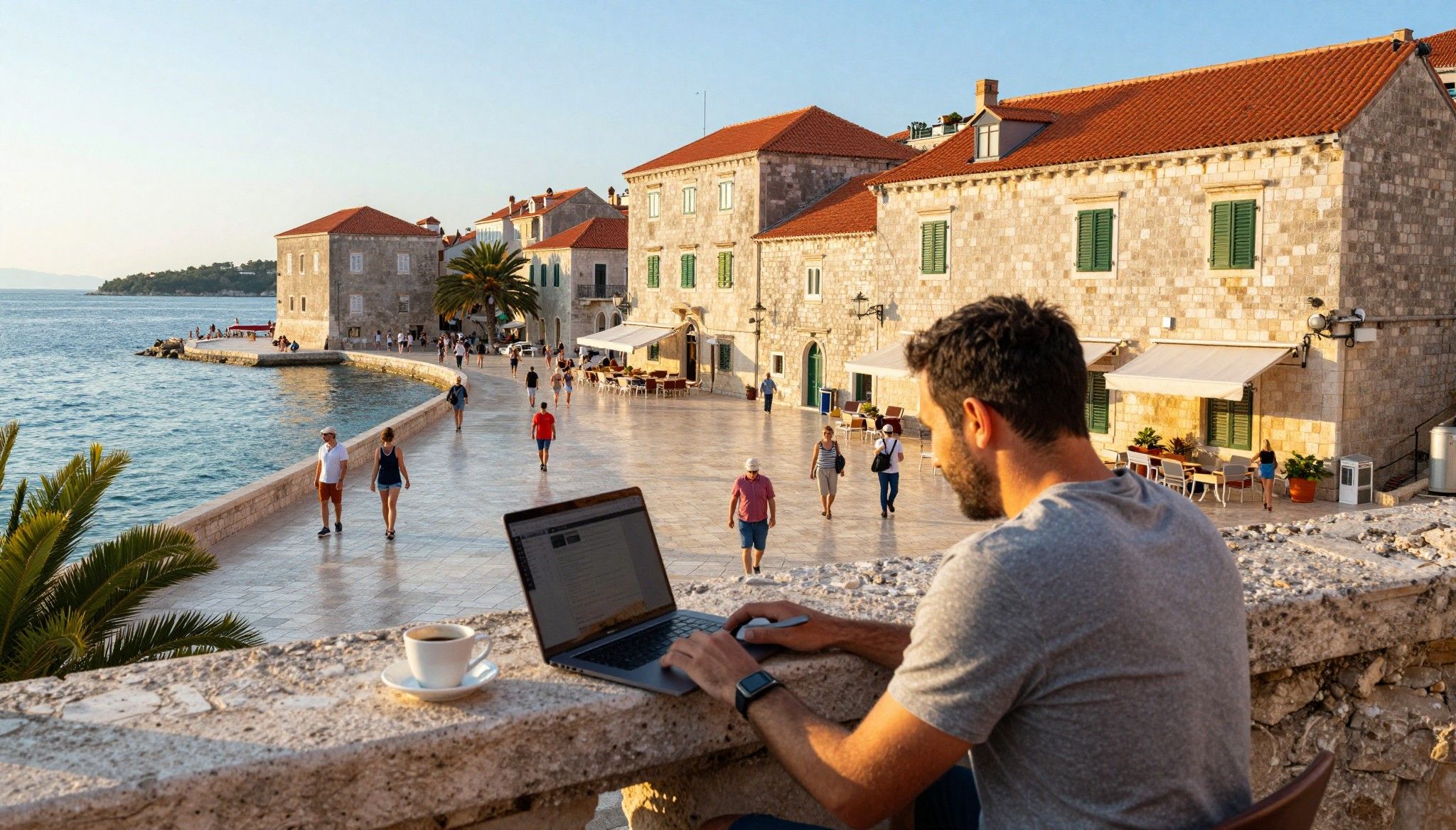
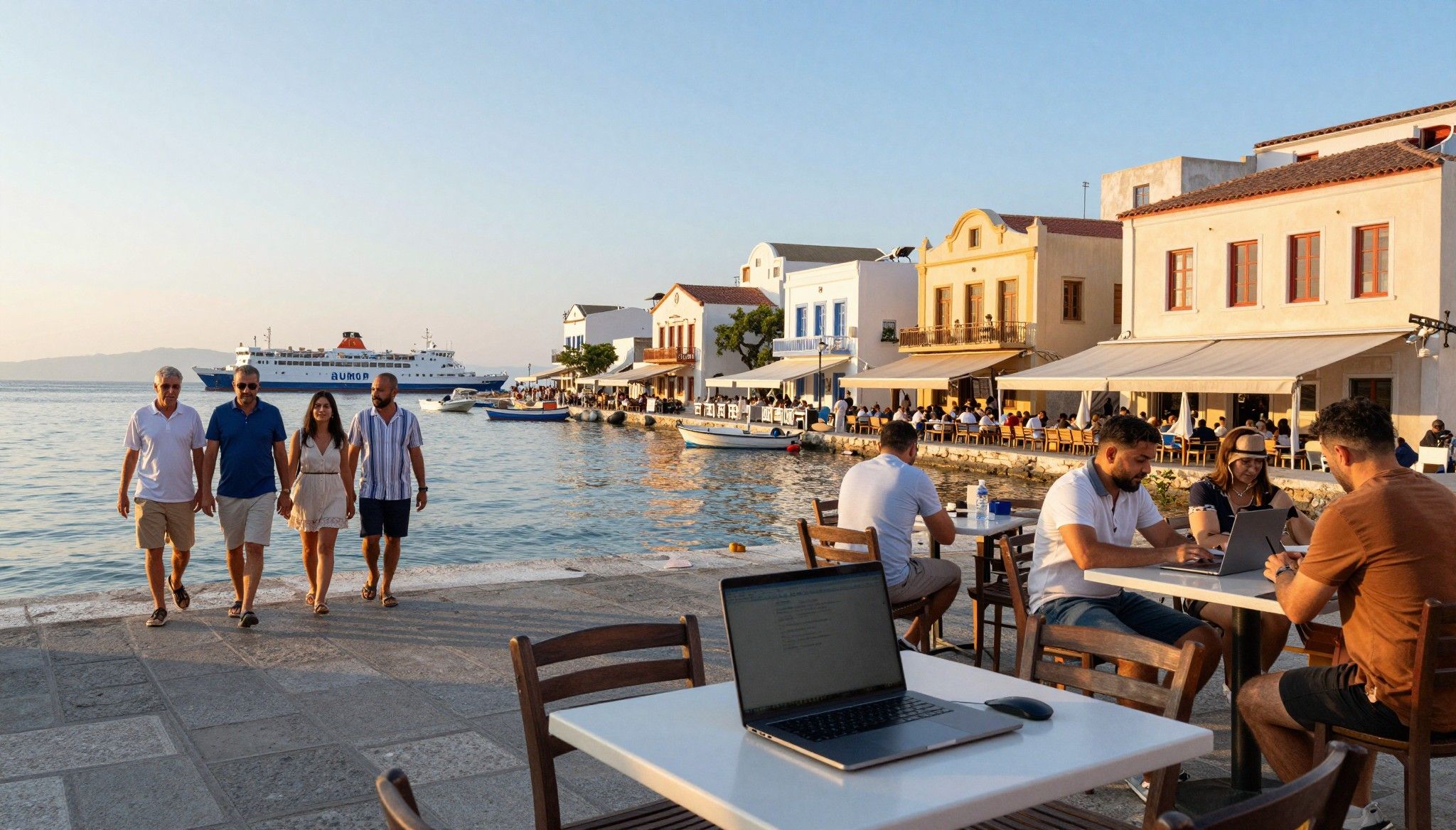
Life in Croatia is sensory: the salt air of the Adriatic, morning markets smelling of citrus and grilled fish, late afternoons when cafes fill with laptops and conversation. Cities like Zagreb hum with year‑round coworking energy; Split and Zadar pulse seasonally but offer quiet off‑season rhythm; Istria’s hill towns bring farm‑to‑table routines. For nomads, that means a mix of sunny outdoor workspots and strong local communities—if you look beyond the postcard hotspots, you’ll find neighbourhoods that feel liveable 12 months a year, not just in July.
Zagreb, Split and hidden inland corners
Zagreb’s Upper Town and Martićeva are compact, walkable, and packed with cafes and coworking hubs—perfect for winter months. Split’s Veli Varoš and Sustipan deliver beach access and local feel without the fortress crowds. But look inland: towns like Varaždin, Samobor, and Osijek have weekly markets, lower prices, and faster paths to legal clarity during purchase. These places let you live Croatian life—markets, neighbourhood bars, local football matches—while stretching your budget.
Food, festivals and seasonal tempo
Food shapes the week: fish on the Dalmatian grill, truffles and malvasia wine in Istria, hearty stews in Slavonia. Festivals—from Dubrovnik Summer Festival to local klapa nights—define summer life; off‑season Croatia reveals slower rhythms and friendlier local prices. If you plan to live year‑round, factor in how winter streets, heating needs, and community calendars affect both lifestyle and maintenance budgets.
- Lifestyle highlights to look for
- Morning market stalls (e.g., Dolac in Zagreb) that double as social hubs
- Neighbourhood coffee culture—Split’s Bačvice edges and Zagreb’s Trešnjevka corners
- Local festivals and klapa evenings that signal true community life
- Accessible outdoor work spots: promenades, sheltered terraces, small‑town libraries
Making the move: practical considerations
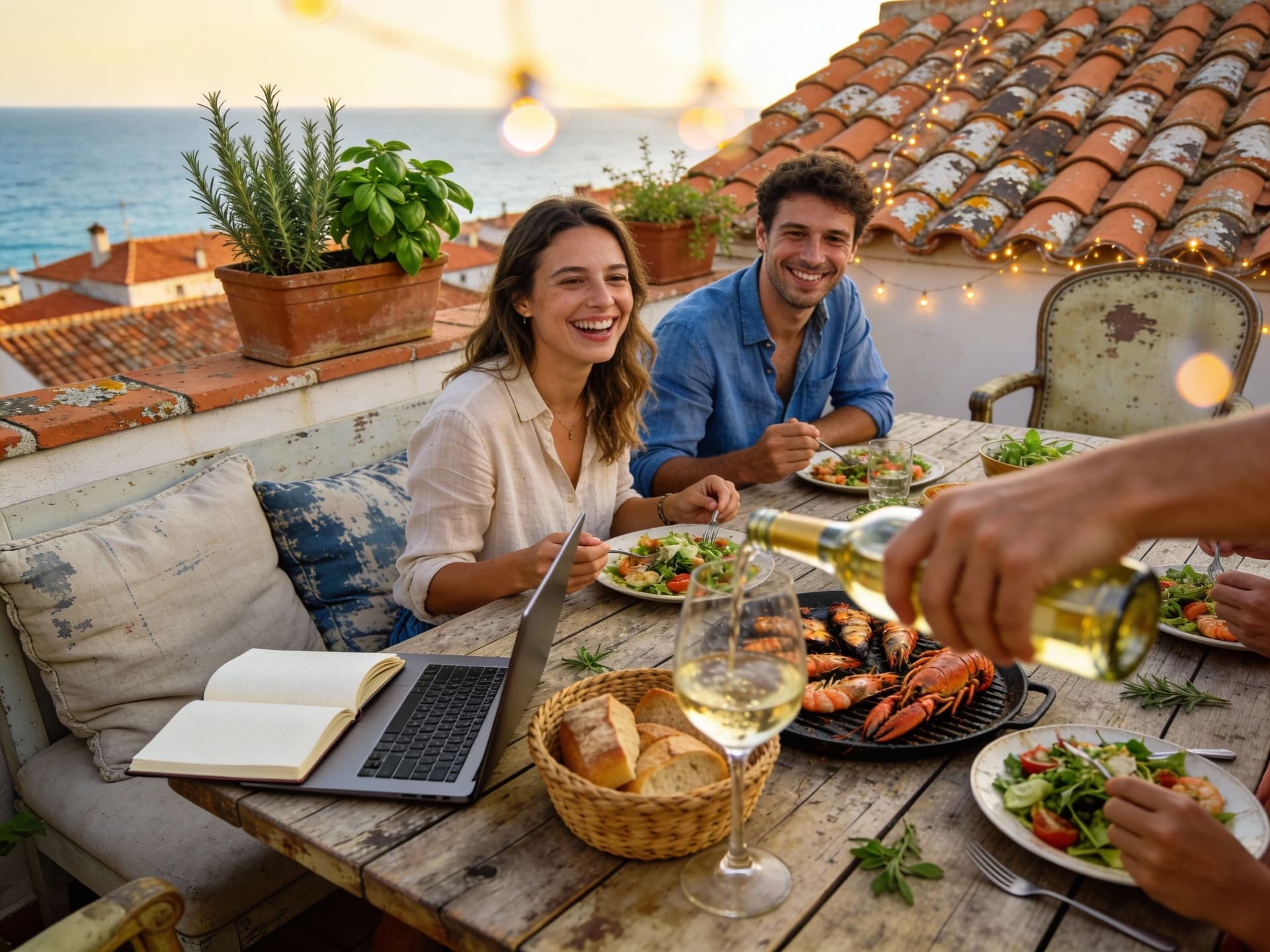
Dreams meet contracts fast in Croatia. The legal framework rewards clarity—VAT rules, a standard 3% transfer tax when VAT doesn’t apply, and straightforward registry processes—yet foreign buyers must still navigate permissions and title checks carefully. Lean on authoritative sources early: government pages explain transfer tax and tax bases, while local notaries and registrars handle the final entries. Start with the tax rules so there are no surprises at closing.
Property types and how you’ll actually live in them
New builds, restored stone houses, city apartments and rural plots all deliver different lifestyles. Coastal apartments give summer spectacle and rental potential, but inland stone houses offer gardens, lower energy bills, and calmer neighbourhoods. Market reports show coastal premiums—so ask: do you want seasonal glamour, or consistent year‑round comfort? The property style will determine maintenance, insurance, and renovation needs.
Working with local experts who know the lifestyle
A good local agent is more than a listings feeder: they’re your translator for neighbourhood life. Look for agents who show you monthly living costs, internet speeds, and coworking options—not just photos. Ask for examples: properties they recently closed where buyers now work remotely from a terrace, or where seasonal rental income covered upkeep. Local lawyers and notaries ensure title is clean and help with any permission foreign nationals may need.
- Practical step‑by‑step: from offer to keys
- 1. Reserve the property with a written deposit and clear deadline for contracts
- 2. Commission a title search and cadastral extract to confirm ownership and encumbrances
- 3. Decide if VAT applies (new build/commercial use) or the 3% transfer tax—get tax advice early
- 4. Sign a notarial contract and register title in the land registry (public entry completes the transfer)
Insider knowledge: expat lessons and legal red flags
Expats often fall for coastal listings and learn the hard way about seasonal demand, short‑term rental rules, and inflated asking prices in hotspots. Price indexes show coastal m² at a premium; inland and secondary-city bargains aren’t just cheaper—they can be steadier. Watch for these red flags in contracts and title records: disputed boundaries, undeclared easements, unregistered extensions, and properties sold through agents without notarised powers of attorney.
Cultural and bureaucratic realities that change the deal
Language matters. Official documents and land registry entries are in Croatian; translations are essential. Municipalities operate on local timelines—expect variant speeds for permits and registry updates. And socially: neighbours, municipal councils, and family inheritance patterns influence how renovations and shared building costs are handled. A neighbourhood that’s friendly to newcomers will make daily life easier than a perfectly placed but socially closed block.
Money talk: beyond the purchase price. Expect a 3% transfer tax if VAT doesn’t apply, notary and registry fees, and agency/legal fees. Annual costs include modest property taxes and utility/maintenance charges—budget for winter heating and building maintenance if you buy a stone home. These line items often change a margin of affordability into a long‑term comfortable lifestyle or into ongoing financial stress, so model them before signing.
- Red flags to act on now
- Seller can’t produce original title or cadastral extract
- Unclear access roads or shared ownership of common spaces
- Builds/extensions without permits in the local municipality records
- Promises of rental income with no documented occupancy or booking history
I once showed an English buyer a sunlit stone house inland that looked perfect—only to find a decades‑old unregistered annex. The owner had local goodwill but no permits. The fix was possible but costly. The lesson: emotional attachment before a full title check is a fast way to overpay.
Long‑term lifestyle & practical considerations
Think three to five years ahead. Will the property suit winter life? Is there reliable broadband for remote work? (Croatia’s big cities and many coastal towns now have fast connections and coworking spaces.) Are neighbours owners or short‑term rental managers? These practical elements decide whether the place becomes home or a seasonal escape.
Final thought: fall in love with the life, not just the view. Croatia gives you incredible scenes—harbour light, market mornings, island day‑trips—but the best purchases are the ones that survive weekdays, winter, and mundane maintenance. Start your search with lifestyle priorities (internet, walkability, community), then bring in lawyers and local agents to lock the title and terms. That’s how you buy a Croatian life, not just a postcard.
Dutch investment strategist guiding buyers to Greece and Spain; practical financing, tax, and portfolio diversification.