Croatia Money Moves: Euro, Mortgages & Lifestyle Wins
Croatia’s coastal charm meets euro‑area finance: learn lifestyle-led financing, reciprocity rules, mortgage realities and a pragmatic checklist for international buyers.

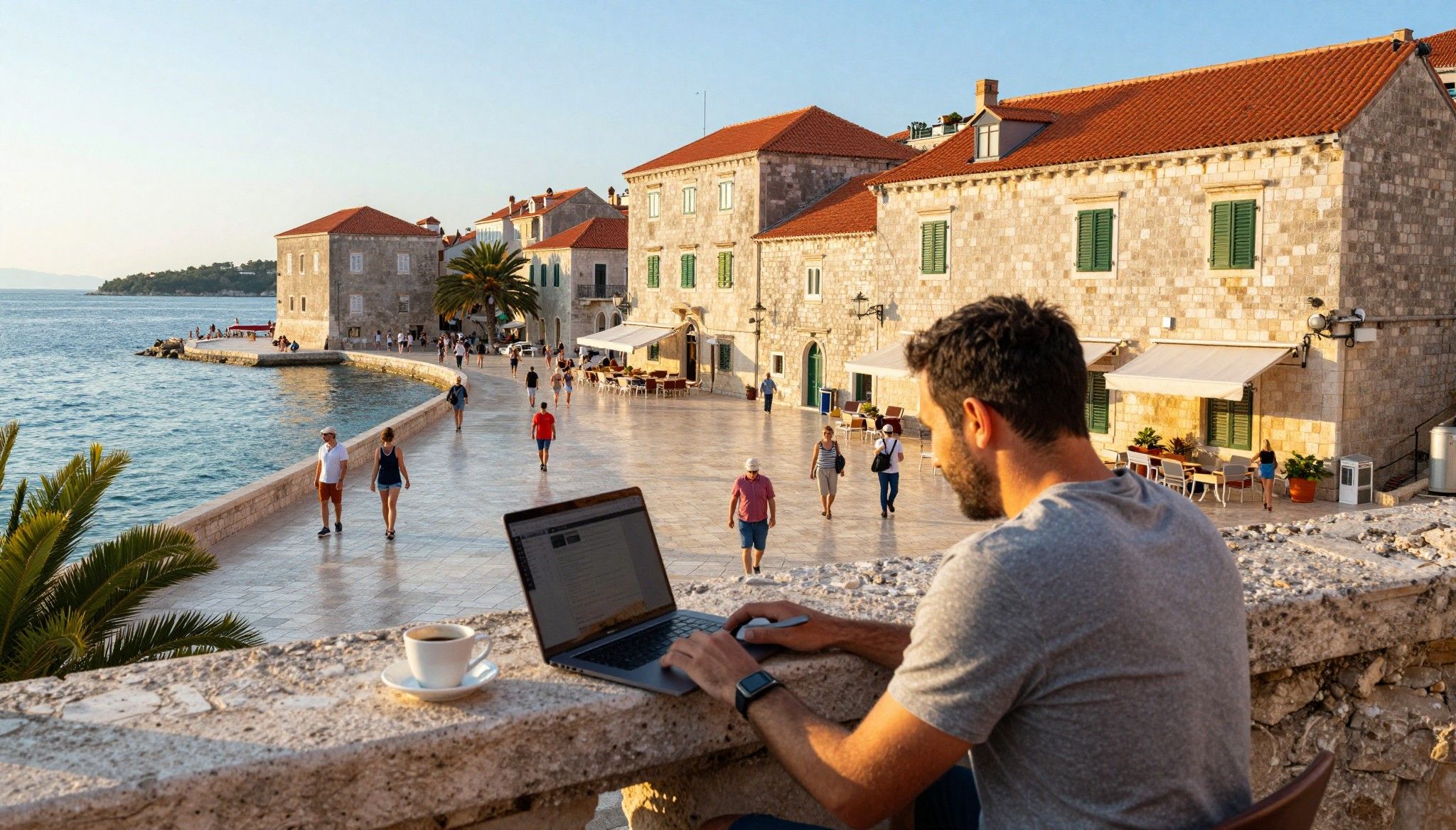
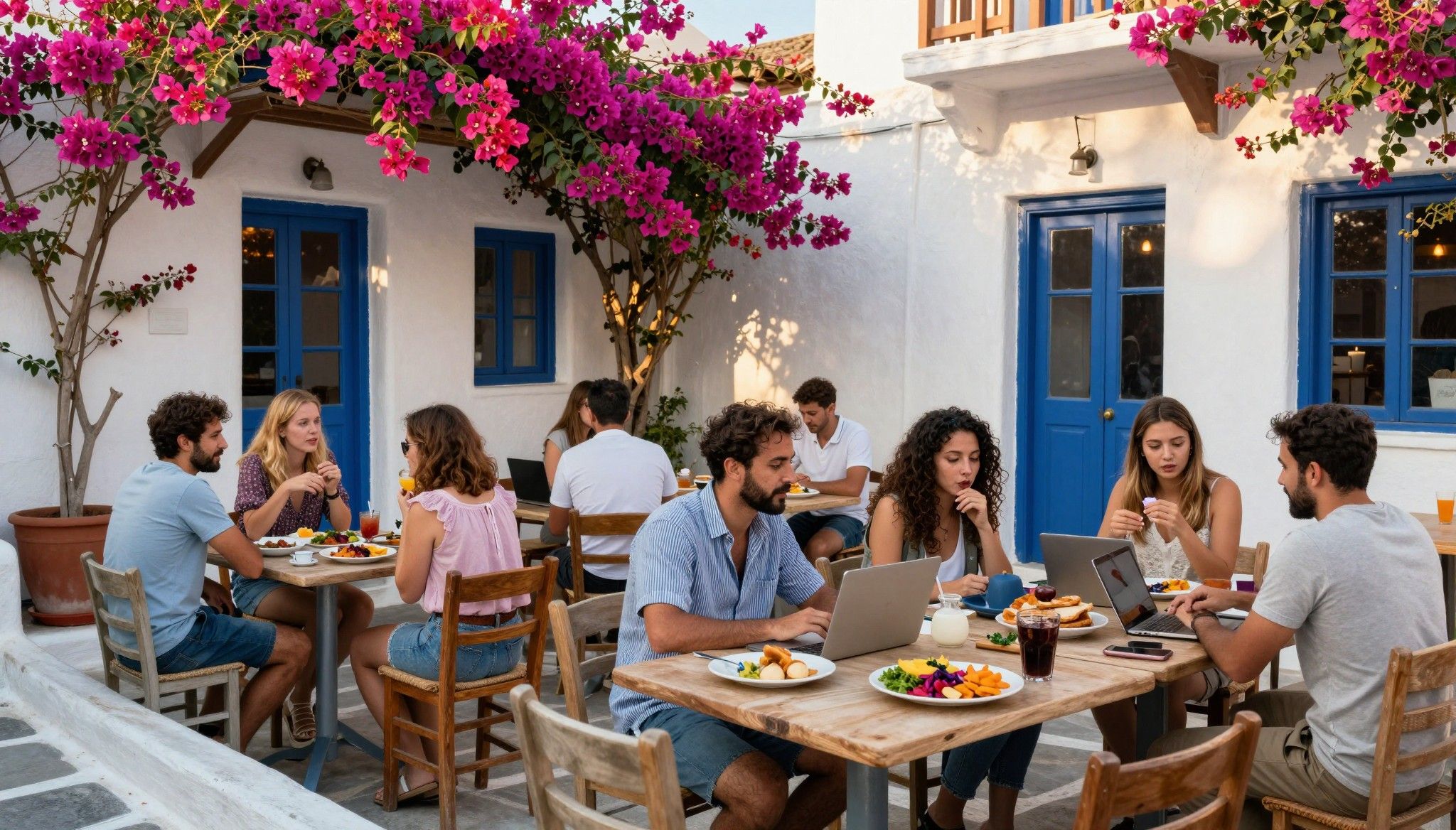
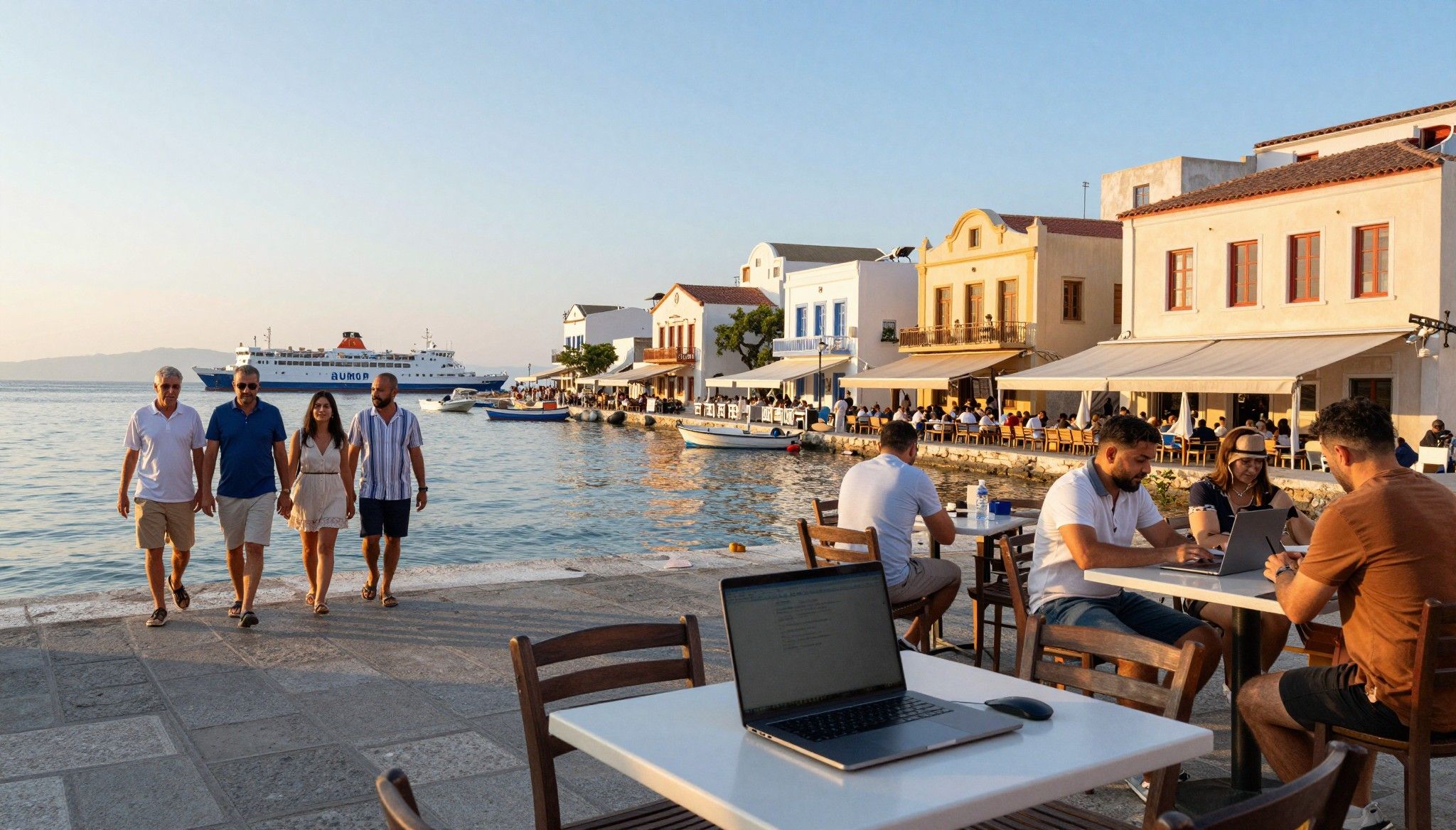
Imagine sipping espresso under plane trees on Split’s Riva, then finishing a focused afternoon at a sunlit coworking desk. Croatia feels small-town-coastal and European at once: stone streets, turquoise coves, and a surprising network of cafés where laptops are welcome. For many nomads the dream is clear — live by the sea, work remotely, and own a slice of Adriatic life. But the banking, currency and financing reality is what actually turns that dream into an address.
Living Croatian Life: more than a coastline
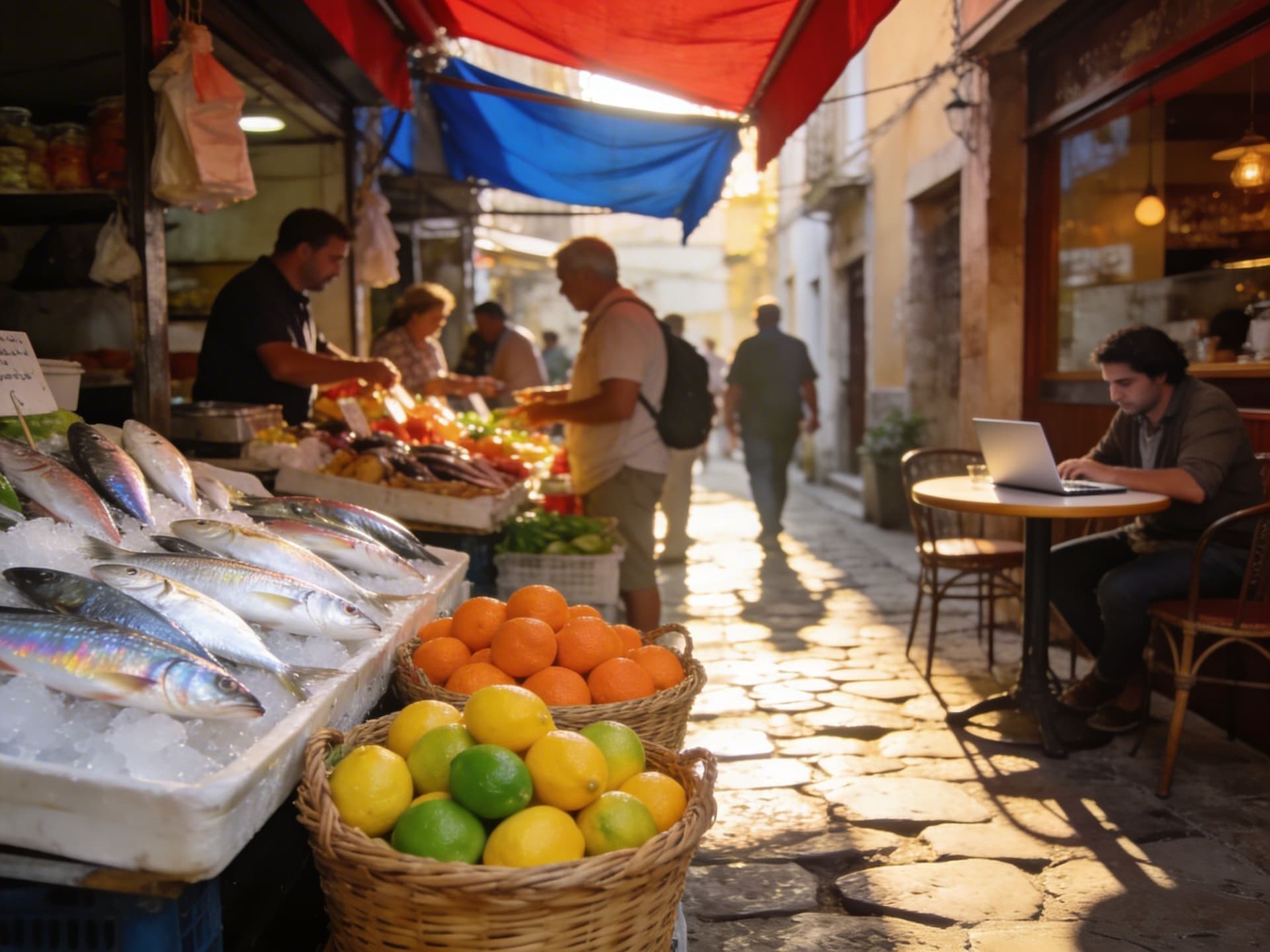
Croatia’s daily rhythm is pleasingly slow in the morning and energised by late-afternoon activity: markets fill with fish and figs, terraces hum with conversation, and islands empty out only to refill in summer. Cities like Zagreb pulse with design studios, cafés and coworking hubs while towns like Hvar, Rovinj and Zadar trade secret coves and lively night markets. Weather matters — Mediterranean light from May to October, windier but mild winters — and that shapes what buyers want: terraces, shutters, and indoor heating that actually works.
Neighborhood notes: Zagreb, Dalmatia and Istria up close
Zagreb’s Gornji Grad (Upper Town) is about morning coffees, tram rides and leafy strolls; Split’s Varos and Veli Varoš put you close to the sea and family-run konobas; Rovinj’s old town rewards wandering with seafood and narrow piazzas. Each area has its own rental market rhythm: holiday short-lets dominate some coastal streets while inland neighbourhoods suit long-term rentals and remote-work life. For lifestyle-first buyers, choose the street that matches your week — quiet mornings for focused work, lively evenings for social time.
Food, markets and the small rituals that make home
From bakers in Tkalčićeva to the fish stalls at Split’s Pazar, food is how Croatians gather. Weekends mean family markets, late aperitivos on waterfront promenades, and seasonal festivals (expect truffle fairs in Istria or summer klapa singing along the coast). For buyers, proximity to markets and transport isn’t just convenience — it’s the social life that makes a house feel like home. Consider walking distance to a market or a favourite café when comparing listings.
Money & Mortgage: practical rules that shape lifestyle choices

Two big, simple facts change financing in Croatia: Croatia uses the euro (adopted 1 Jan 2023), and housing prices have risen strongly in recent years. The euro removes currency-conversion headaches for many Europeans and makes cross-border mortgage comparisons easier. At the same time, DZS (the Croatian Bureau of Statistics) shows average new-dwelling prices rose noticeably in 2024, meaning you’ll need realistic budgets and a lender who understands local seasonality and short‑let dynamics.
Who can buy — reciprocity and residency realities
EU/EEA citizens buy like locals, with no special approval needed. Non‑EU nationals face a reciprocity principle — you can buy if your home country grants similar rights to Croatians — and there are important exceptions (inheritance, long-term residents, company ownership structures). This affects financing too: some banks will only lend to applicants who can legally acquire the property outright, so always confirm legal status before applying for a mortgage.
Mortgage reality: what international buyers should expect
Local banks lend to foreigners but terms vary: loan-to-value often maxes at 60–80% depending on residency, income documentation and property type. Expect stricter affordability checks if you work remotely for an overseas employer — prepare translated, certified payslips, contracts and tax returns. Interest-rate pricing follows euro-area trends, so watch ECB moves; fixed-rate options exist but shorter fixed periods are more common than long-term fixed mortgages.
- Checklist: financing documents to prepare
- 1. Proof of ID and residency status; 2. Employer contracts or freelance history with 12–24 months of statements; 3. Bank statements showing savings for deposit and closing costs; 4. Pre‑approval or written confirmation from a local/larger European bank.
Insider Knowledge: negotiation, costs and the lifestyle tradeoffs
Buyers who come for the lifestyle sometimes miss small but costly local quirks: owner-occupied flats often have communal repairs decided by hearts and votes, coastal zones can carry extra building restrictions, and short-term rental demand makes some homes expensive but seasonally thin. Smart buyers balance a neighbourhood’s buzz with its off‑season character — the Adriatic glows in summer, but winter reveals who really lives there year-round.
Hidden costs and local negotiation tips
- • Expect notary, registration and small municipal fees — budget an extra 5–8% beyond the purchase price. • Insist on a cadastral/land-registry check for boundaries and easements. • Ask sellers about utility reconnections and past condominium meeting minutes. • When competing on coastal listings, use fast due diligence rather than highest offer — speed wins more than pennies.
Working with a local agency: what to ask
- 1. Can they connect you with bilingual lawyers and banks? 2. Will they arrange a property survey and utility history? 3. Do they have experience with reciprocity cases or company-based purchases? 4. Can they advise on seasonal rental potential and local management?
Real expat wisdom: rent a year before buying in a new neighbourhood if you can. Live the rhythm, find your favourite café, test mobile signal and coworking speed, and meet locals. That prepares you to pick a property that supports the life you actually want, not just the one in your head. When you’re ready, an agency that shares lifestyle priorities — fast internet, workspace, walkability — becomes your best ally.
Next steps: quick action plan to move from dreaming to offering. Start with a budget that includes a 10–20% buffer for taxes and renovations. Get a preliminary eligibility check on purchase rights (reciprocity), obtain pre‑approval from a bank that lends to non‑residents or EU buyers, and line up a bilingual lawyer. Book a living-first scouting trip — one week in Zagreb and one week splitting time between a coastal town and an island — and test the lifestyle before you sign.
Croatia is a place you fall for slowly: the light, the markets, the neighbour who brings figs. With the euro settled and clear financing steps, international buyers have a practical path to making that feeling permanent. Take the lifestyle seriously, bring hard numbers, and team up with local experts who understand the Adriatic’s seasons — that’s how the dream becomes an address.
British expat who moved from Manchester to Mallorca in 2017. Specializes in market analysis and helping fellow Brit navigate local regulations.