When Summer Lies: Why Winter Is Greece’s Smart Buy
Why the off‑season (winter) is often the smartest time to buy in Greece—see market trends, rental rule shifts, and connectivity gains that reward patient buyers.
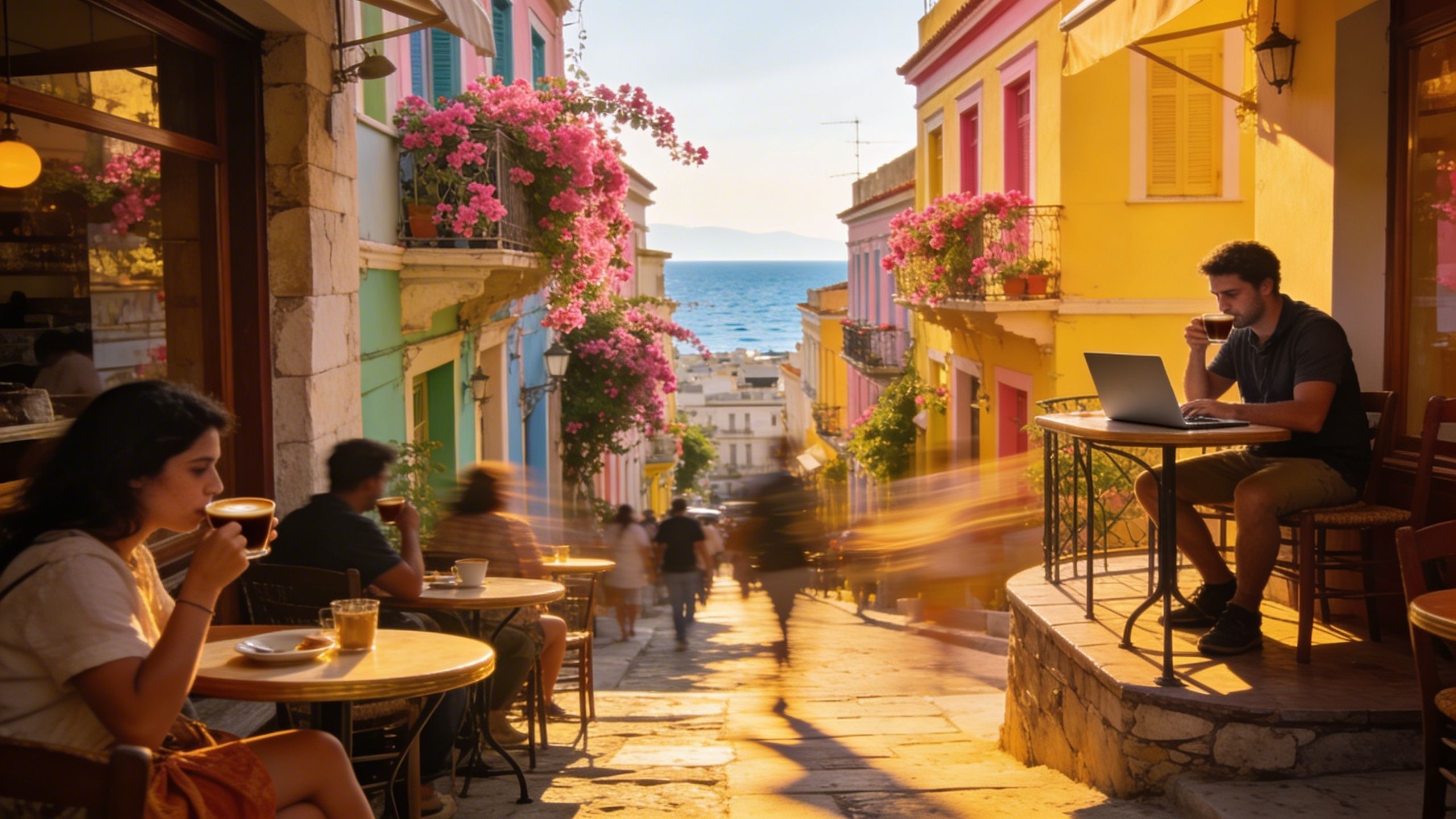
Imagine stepping out of a sun-warmed kafeneio in Koukaki, espresso in hand, and deciding—right then—to buy a place in Greece. The scent of sea and roasted coffee, neighbors who still greet each other in the street, and a slow, luminous afternoon rhythm make this island‑and‑city life intoxicating. But here's the surprise: the smartest time to buy a Greek property is often not during the postcard summer. Data on market cycles, evolving regulation on short‑lets, and accelerating digital infrastructure flip the seasonality myth on its head. Read on to learn why winter house‑hunting and counter‑intuitive neighborhood picks can net you better homes and a truer slice of Greek life.
Living the Greece lifestyle: city mornings to island evenings
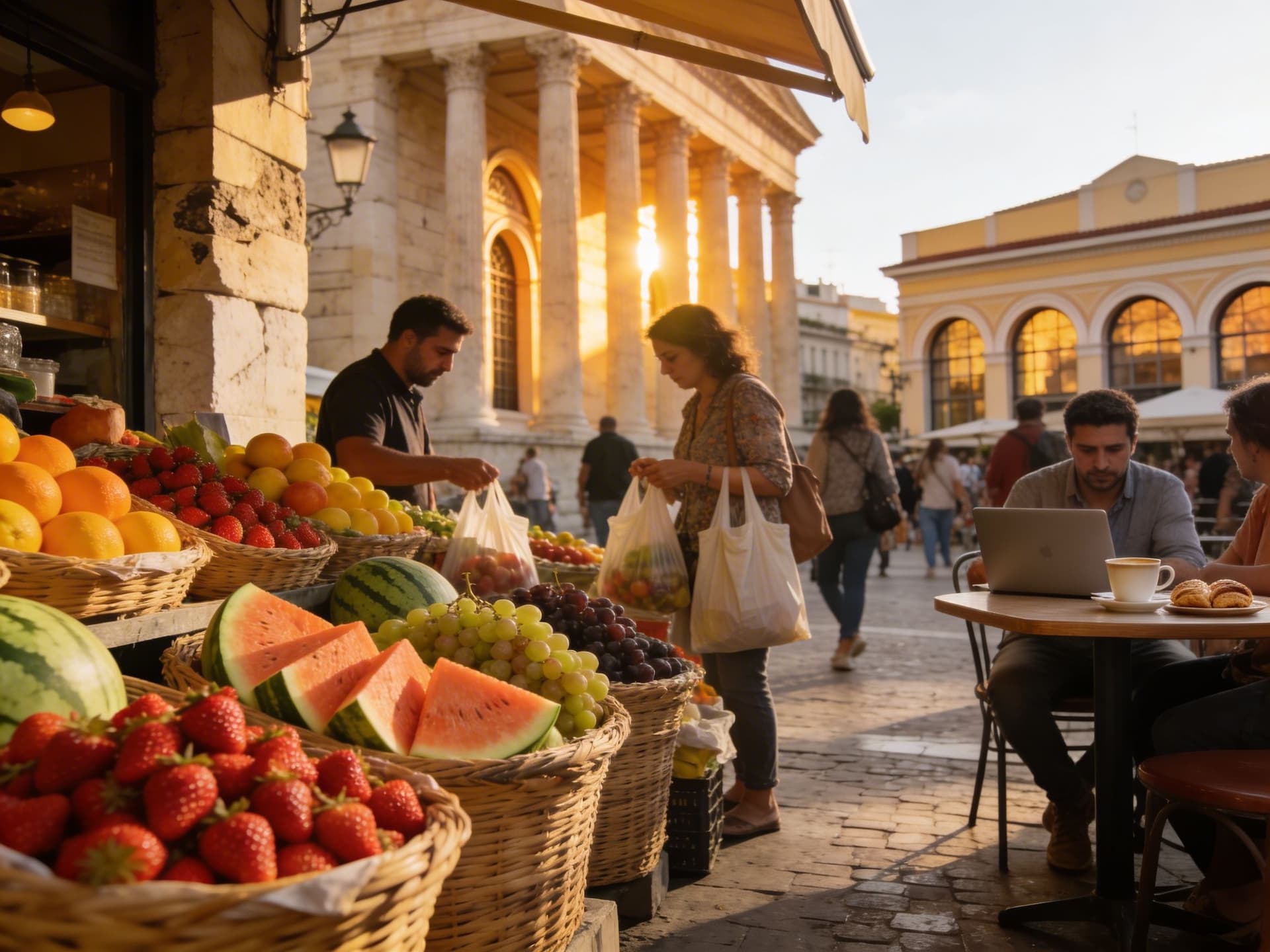
Greece is a braided life: salted coastlines and coffee-soaked city neighborhoods. In Athens you’ll find rooftop bars at sunset and old‑world boulis (corner bakeries) at dawn. Walkable streets in Koukaki and Pangrati hum with family businesses; Kolonaki has polished boutiques and calm squares. On islands like Naxos and Paros, mornings are for market fruit and afternoons for kite surfers. That day-to-night variety shapes what you buy—tiny maisonettes in historic cores, airy terraces on the Aegean, or modern flats near coworking hubs.
Koukaki: cobbled lanes under Lycabettus, cafés spilling onto sidewalks, and a strong mix of families and young creatives. Pangrati: a quieter beat with neighborhood tavernas and a growing scene of remote workers who prize proximity to green parks. Both areas prove that central Athens life can feel intimate and lived‑in, not rushed.
On the islands, the rhythm changes but the sensory cues stay true: fishing boats at dawn, late lunches of grilled fish, and plazas where the community gathers each evening. Crete’s Chania offers Venetian alleys and local markets; Paros and Naxos combine beaches and fertile interiors for people who want both surf and slow food.
Food, markets and the social calendar
Weekends look like a food tour: morning markets (Varvakios in Athens), grilled octopus by the sea, and late-night plates shared under fairy lights. Recent pressures on short‑term rentals have nudged neighborhoods back toward year‑round residential life—meaning if you buy now, you’re more likely to plug into local rhythms rather than a tourist calendar. That shift matters for long-term living and stable rentals.
Market and lifestyle highlights to taste before you buy:
Mornings at Varvakios market (Athens) and sea breezes in Vouliagmeni.
Rooftop cafés in Koukaki, coastal walks in Glyfada, and bakery breakfasts in Chania.
Weekend island hopping from Naxos for less tourist pressure than Santorini.
Making the move: practical realities that match the dream
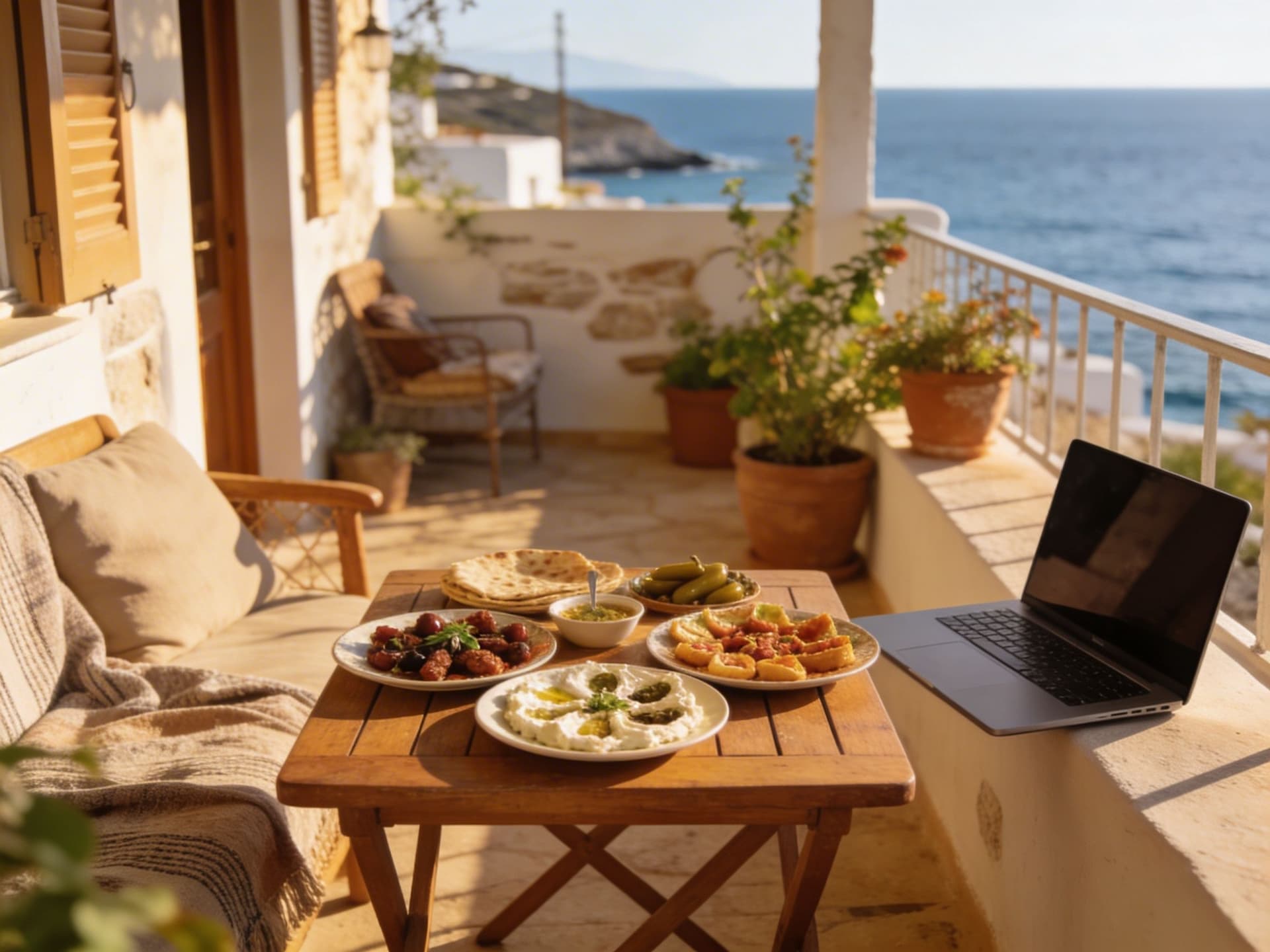
The romance of Greece meets clear market facts. Prices rose steadily through 2024–25 in Athens and Thessaloniki, with island markets showing the widest spread between bargain and premium stock. That means opportunity: neighborhoods that feel ‘authentically local’ can still be more affordable than tourist hotspots, while areas with ultra‑high demand (Athenian Riviera, Mykonos, Santorini) carry a price premium.
Property styles and how they fit nomad life
Choose a flat with a balcony and good natural light if you work from home—terrace life in Greece is where you’ll eat, code, and meet friends. In Athens, renovated neoclassical apartments (floor‑high windows, thick walls) provide charm and insulation; island maisonettes give you outdoor living. For nomads, ask if fiber or a reliable 4G/5G fallback is available—workability is as important as charm.
Connectivity has improved fast: recent global speed indexes show Greece climbing in fixed‑broadband performance as fiber rolls out. That makes previously ‘off the grid’ islands and suburbs suddenly viable for remote work—if you check local provider options and test speeds during your visit.
Steps to match lifestyle with property (practical checklist):
1) Visit in low season (November–March) to see year‑round life and test noise, transport and services.
2) Test internet speed at the exact property (morning and evening) and confirm fiber availability with the provider.
3) Ask about short‑term rental regulations in the area—new rules are changing what landlords can do and where.
Insider knowledge: what expats wish they’d known
Expats often arrive starry‑eyed and buy in high season—then discover a different winter city. Locals value permanence: Sunday family lunches, municipal services that slow in small towns, and neighbour networks that matter for emergency plumbing or a local doctor. Recent regulatory attention on short‑lets means neighborhoods previously dominated by tourists are reconverting to year‑round housing—great news if you want community rather than a rotating guest list.
Cultural integration and everydayities
Learn a few Greek phrases, join a local market morning, and attend one neighborhood panigiri (festival). Those small actions unlock invitations—dinners, beach meetups, and networked help when you need it. Real community arises from routine presence, not just weekend visits.
Long‑term lifestyle and property resilience
Think beyond views: properties near reliable services, transit and a year‑round community hold value better than purely seasonal rentals. Areas with improving infrastructure and new fiber builds are likely to appreciate as remote work cements. That’s the core trade‑off: buy lifestyle continuity, and you’ll often secure better long‑term returns.
Red flags to watch (and ask your agent about):
1) Properties marketed as ‘investor gold’ in tiny tourist islands without year‑round services.
2) Listings that omit internet provider names or speed guarantees.
3) Offers that rely on short‑term rental income without checking local regulation changes.
Conclusion: winter visits, local experts, and lived‑in neighborhoods
If you want Greece as a real life rather than a postcard—buy when the tourists leave. Winter visits reveal real services, true neighbors, and negotiation leverage. Pair that on‑the‑ground clarity with an agent who knows local bylaws, can test speeds, and reads the shifting short‑let rules. Do that, and you’ll end up with a home that feels Greek by day‑to‑day life, not just by Instagram sunsets.
Swedish, relocated to Marbella in 2018 to chase sun and property freedom. Focus on legal navigation and tax for Nordic buyers.