Greece: How Zone Rules Rewrote the Buy‑for‑Life Playbook
Greece’s lifestyle is irresistible — but 2024’s investor-residency rules and rising prices mean zone choice, property size and expert legal checks now shape both your visa and daily life.

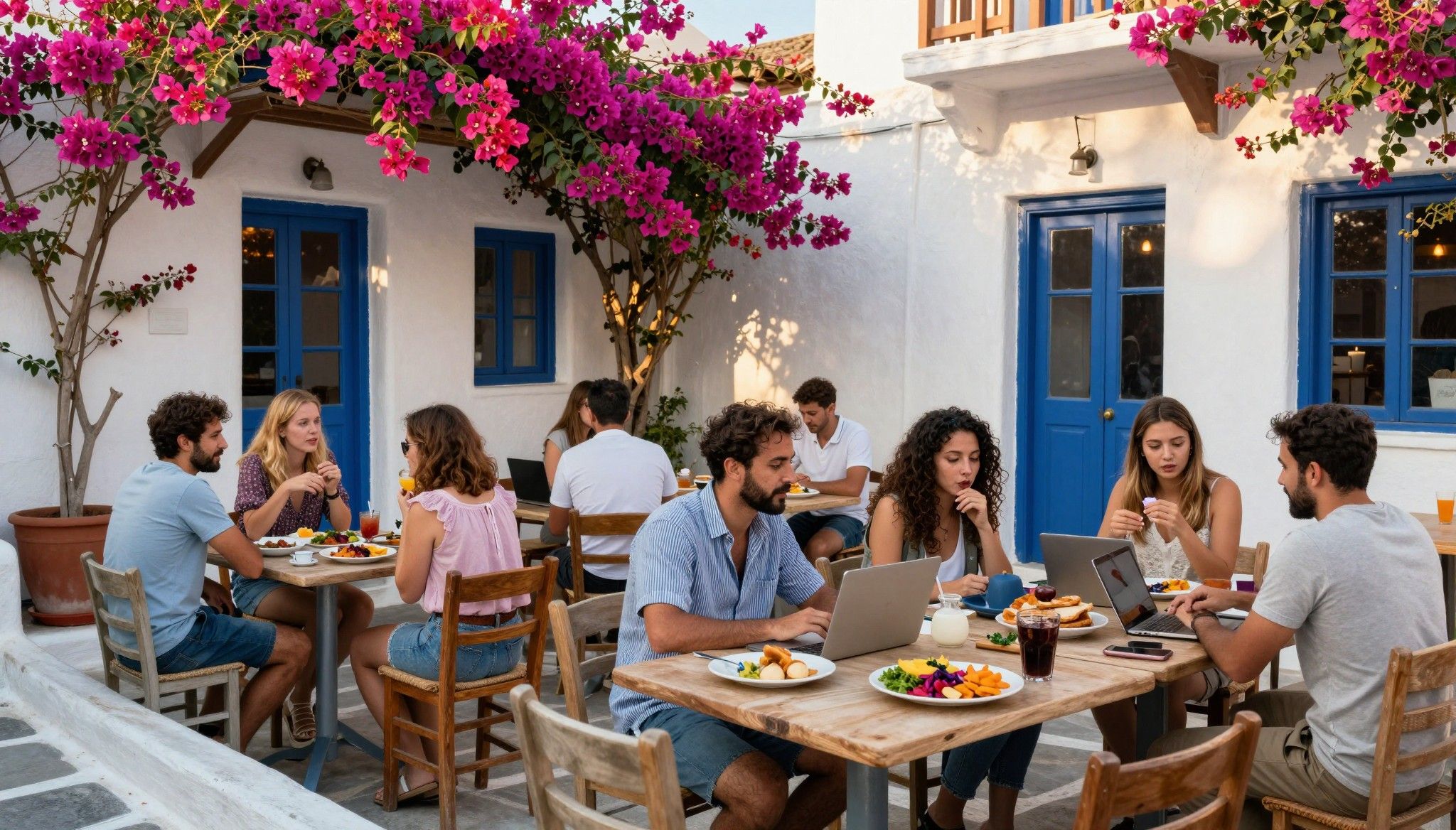
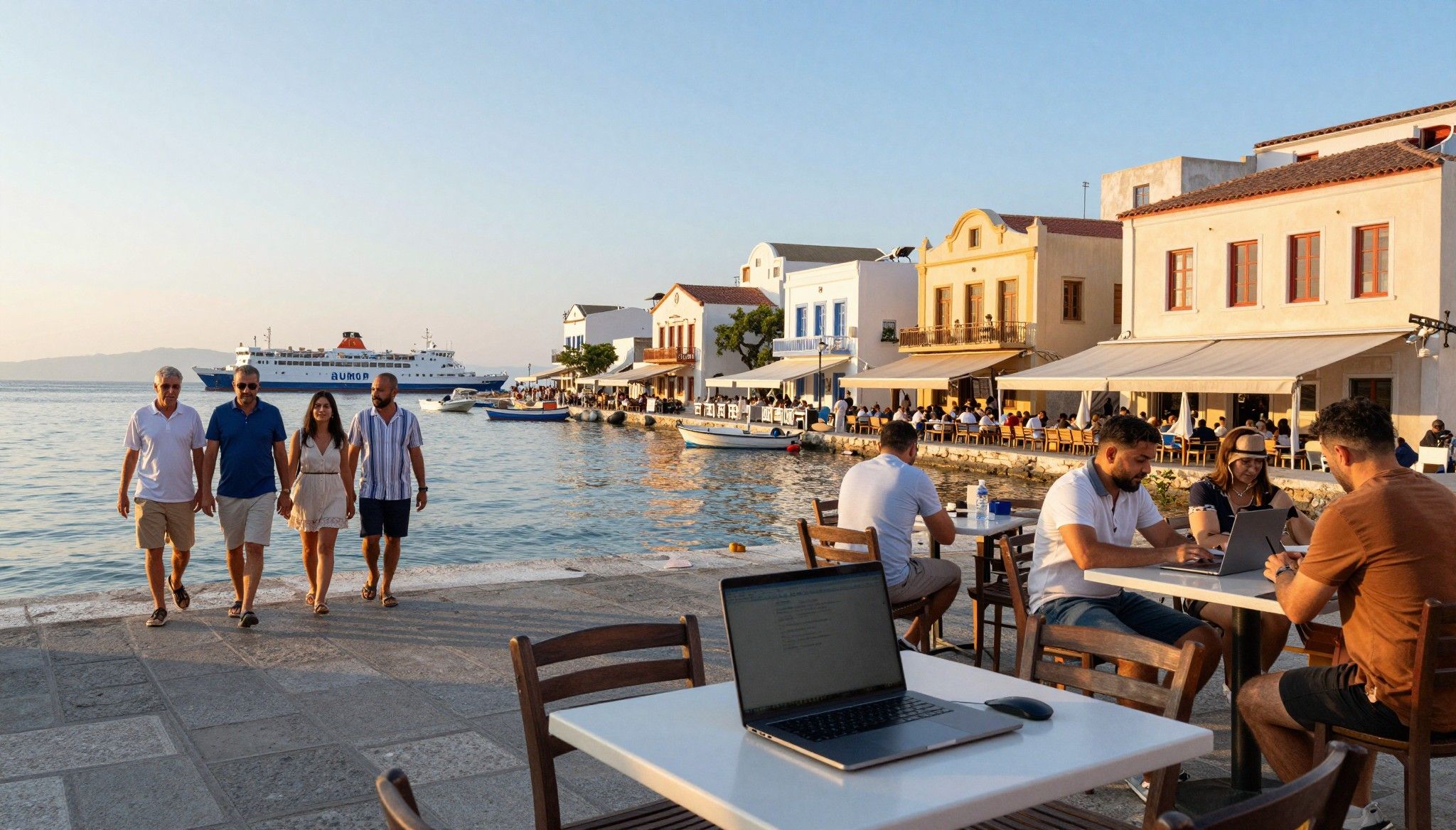
Imagine sipping espresso on a sun-warmed terrace in Plaka, then taking a 20-minute tram to a coworking loft in Koukaki where rooftop views meet fast fibre. Picture island mornings on Serifos, sea breeze and slow markets, then late afternoons editing a deck over Wi‑Fi strong enough for video calls. Greece sells a life: walking, food, ritual afternoons and real community. But for many international buyers, the dream collides with policy shifts — especially the 2024 changes to Greece’s investor residency rules — so loving the lifestyle must sit beside a smart visa strategy.
Living the Greece Lifestyle
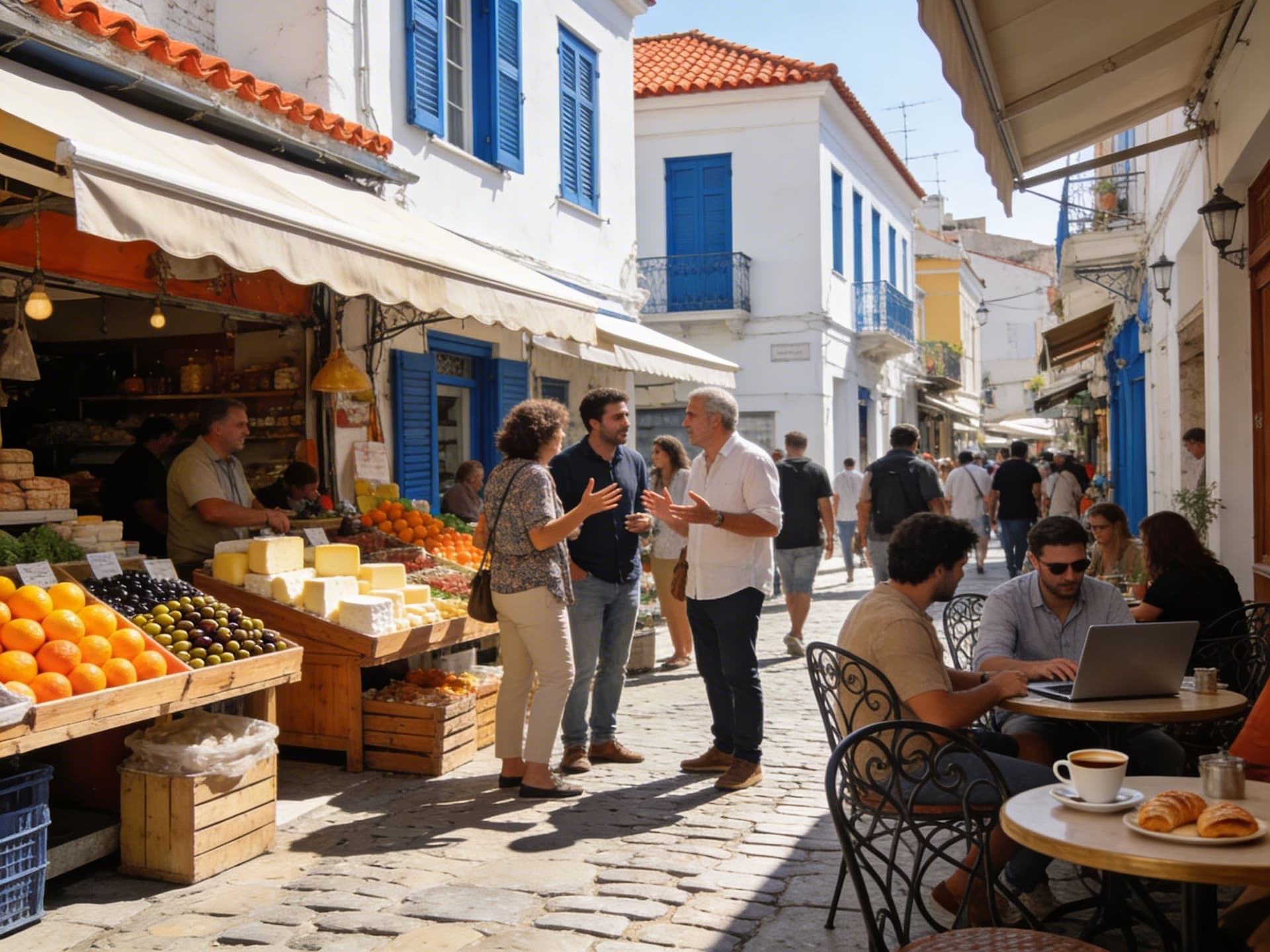
Greece moves at two tempos: island slow and city-lively. In Athens you’ll hear scooters and neighbourly greetings; in small Cycladic villages there’s mid-morning silence broken by a bakery’s oven. Days are shaped by coffee rituals (a freddo under the sun), markets stacked with citrus and cheese, and evenings that slide into long dinners. For nomads that means a workday can be interrupted by a sea dip, and weekends are for exploring olive groves or coastal tavernas — a quality-of-life equation that often outweighs raw price-per-square-metre numbers.
Athens neighbourhoods that feel like home
Walk through Koukaki at golden hour and you’ll see neighbours chatting outside tiny grocery shops; head to Psyrri for nightlife and rooftop bars; choose Kifisia for leafy brunches and slower pace; or Glyfada if you want beaches and cafe coworking. Each pocket delivers a different day-to-day: Kolonaki for stylish cafés, Exarchia for creative communities, Piraeus for sea access. When searching, focus on walkability, local cafés with outlets (yes, you’ll test them), and proximity to a coworking hub if you need reliable desks and connections.
Food, rituals and the calendar of life
Food structures the day: morning spanakopita, long market runs for feta and tomatoes, late-afternoon coffee, and long dinners of grilled fish with raki. Summer festivals animate tiny islands: local feast days (panigiria) mean dancing and community feasts; autumn brings olive harvests and boundless fresh oil. These cycles shape where locals buy and how neighbourhoods behave — a very lively summer island can be almost empty in November, which is crucial when imagining year-round life.
- Lifestyle highlights to look for when house-hunting
- A cafe within a 5–10 minute walk with reliable outlets and quiet mornings.
- Access to fast internet (fiber in Athens suburbs; check island providers) and at least one coworking spot in the city or nearby.
- A weekly market or deli that makes cooking at home joyful — cheaper, fresher, social.
Making the Move: Practical Considerations (Visa, Market, Money)

The practical side hits fast: Greece reworked residency-by-investment rules in 2024, creating a two-tier system that changes the maths of buying. Market momentum — with house price indices up in Athens and Thessaloniki in 2024 — means timing and zone choice alter both lifestyle access and visa eligibility. Ground truth: if the Golden Visa matters to you, where you buy can change whether you qualify and how much you’ll pay.
Property styles and how they shape daily life
Historic Athens flats (stone floors, high ceilings) are romantic and central but can need insulation and fibre upgrades; modern Athenian apartments often include lifts and balconies for outdoor work; island houses shine for terraces and sea views but check water pressure and winter heating. Think in lifestyle units: a 120 m² apartment in Athens (required for Golden Visa single-property rules) buys you indoor workspace, a balcony, and guest space — important if you plan to host friends or short stays off-season.
Working with local experts who know the lifestyle
- Hire an agent who knows both the visa map and the neighbourhood rhythm. Ask for recent examples of properties that qualified for permits under Law 5100/2024. Confirm a notary, a local lawyer experienced in residency-by-investment, and a property manager who understands seasonal rentals (where allowed) and winter upkeep. Expect to cross-check listings against municipal registry data to avoid surprises.
- Steps to match lifestyle with legal reality
- 1) Choose zones: Attica/Thessaloniki/Mykonos/Santorini and populated islands are in the €800k bracket; other regions have a €400k threshold. 2) Inspect infrastructure: fibre availability, water, heating, and access in off-season. 3) Verify title & L.5100 eligibility with a lawyer. 4) Line up property management for seasonal transitions.
Insider Knowledge: Expat Realities & Local Quirks
Expats often underestimate seasonal rhythm: a beach town that hums in July can feel deserted in February, which affects local services and resale demand. Another surprise: locals sometimes avoid buying seafront tourist apartments because upkeep and seasonal volatility make inland, village houses a better long-term home. Also, language and bureaucracy are usually manageable with patient local help — most municipal offices are used to foreign buyers but expect paperwork and time.
Cultural integration and everyday belonging
Make friends by joining a taverna quiz night, volunteering at an olive harvest or shopping weekly at the same market stall. Learning basic Greek phrases opens huge doors; even a little effort turns neighbours into allies when you need help with local services. Many nomads find community in Athens’ coworking events or island language cafés — choose a neighbourhood where those meetups happen, not just a pretty view.
Long-term lifestyle and the investment tradeoff
- The market is rising, but lifestyle buyers can still find value off the beaten path. Consider smaller islands with strong community ties or Athens suburbs that offer ferry access and better infrastructure. If a Golden Visa is important, buy in the correct zone and accept the 120 m² single-property rule for permits. Otherwise, look at renovation projects (some conversions still qualify at lower thresholds) or mainland towns where your money stretches further and everyday life is very Greek.
Conclusion — love the life, then map the route. Greece offers weather, food, and rhythms that reshape how you work and relax. But the visa map and recent market moves matter — buy with a lifestyle checklist (internet, coworking, markets, maintenance) and legal support who knows Law 5100/2024 and local registries. Next step: shortlist three neighbourhoods that match your daily routine, ask an agent to confirm zone eligibility for any property, and book in-person visits across seasons if you can.
British expat who moved from Manchester to Mallorca in 2017. Specializes in market analysis and helping fellow Brit navigate local regulations.