Budgeting Beyond the Coast: Money & Life in Croatia
Think beyond seafront fantasies: compare coastal premiums to inland value, model real purchase fees, and budget seasonal and renovation costs with DZS-backed pricing.
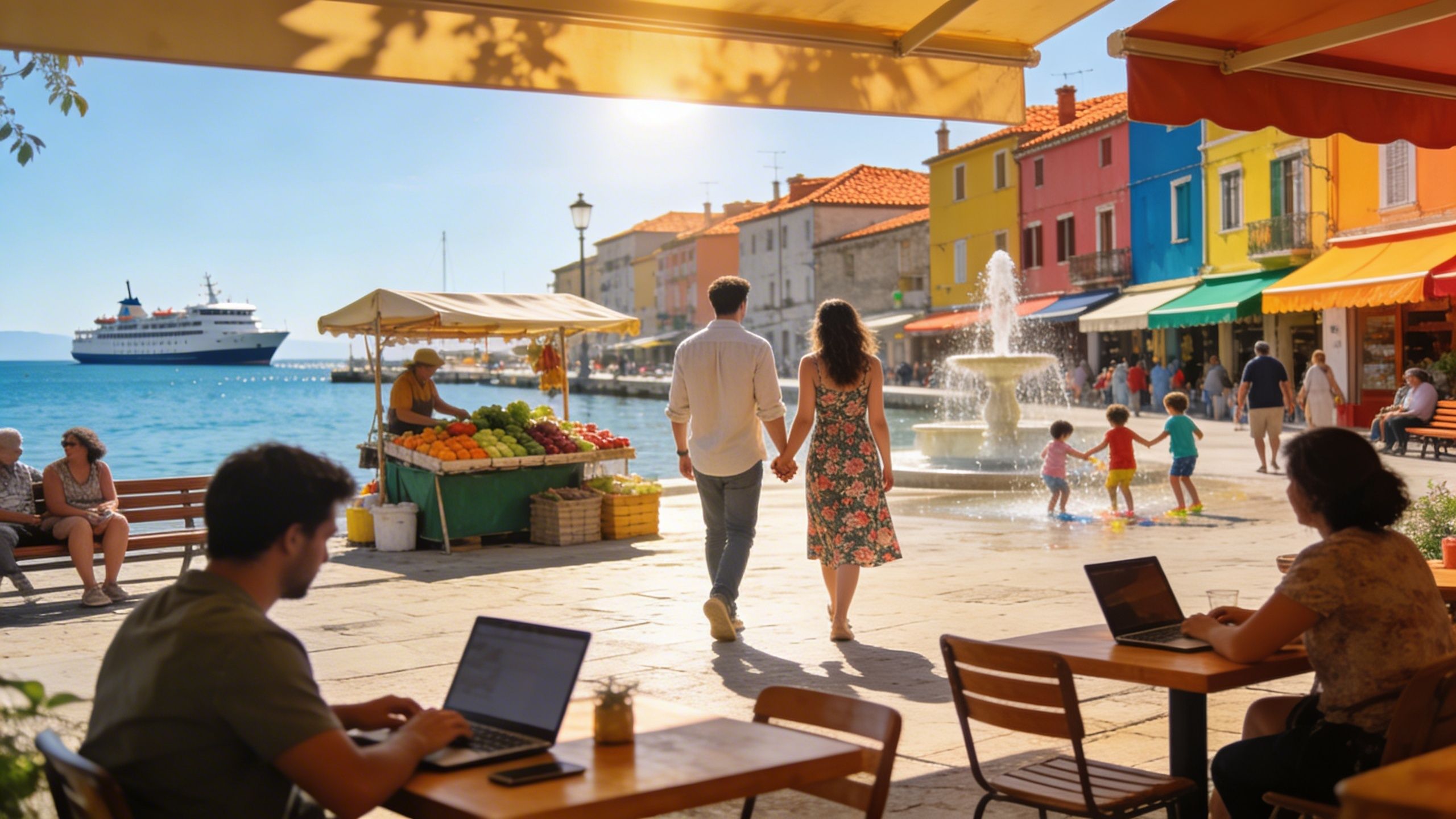
Imagine sipping espresso under plane trees on a sunlit Split street, then hopping on a ferry for island weekends — that relaxed Adriatic rhythm is Croatia. But if you only picture coastlines, you’ll miss quieter towns, cheaper renovation projects, and off-season lifestyle pockets that transform a dream into an affordable plan. This guide mixes the seaside romance with hard numbers so you can budget like a local and buy the life you actually want.
Living the Croatia lifestyle
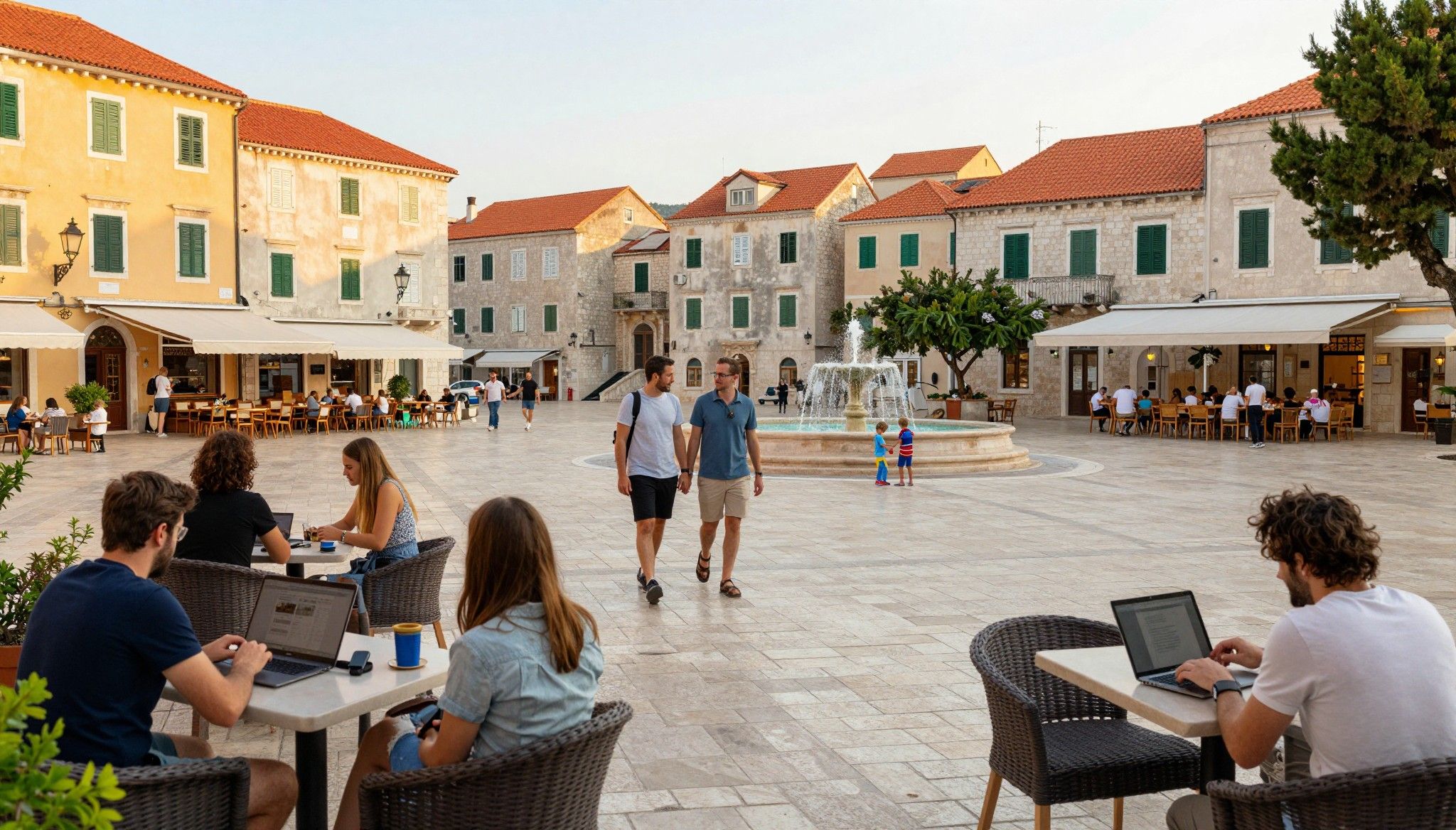
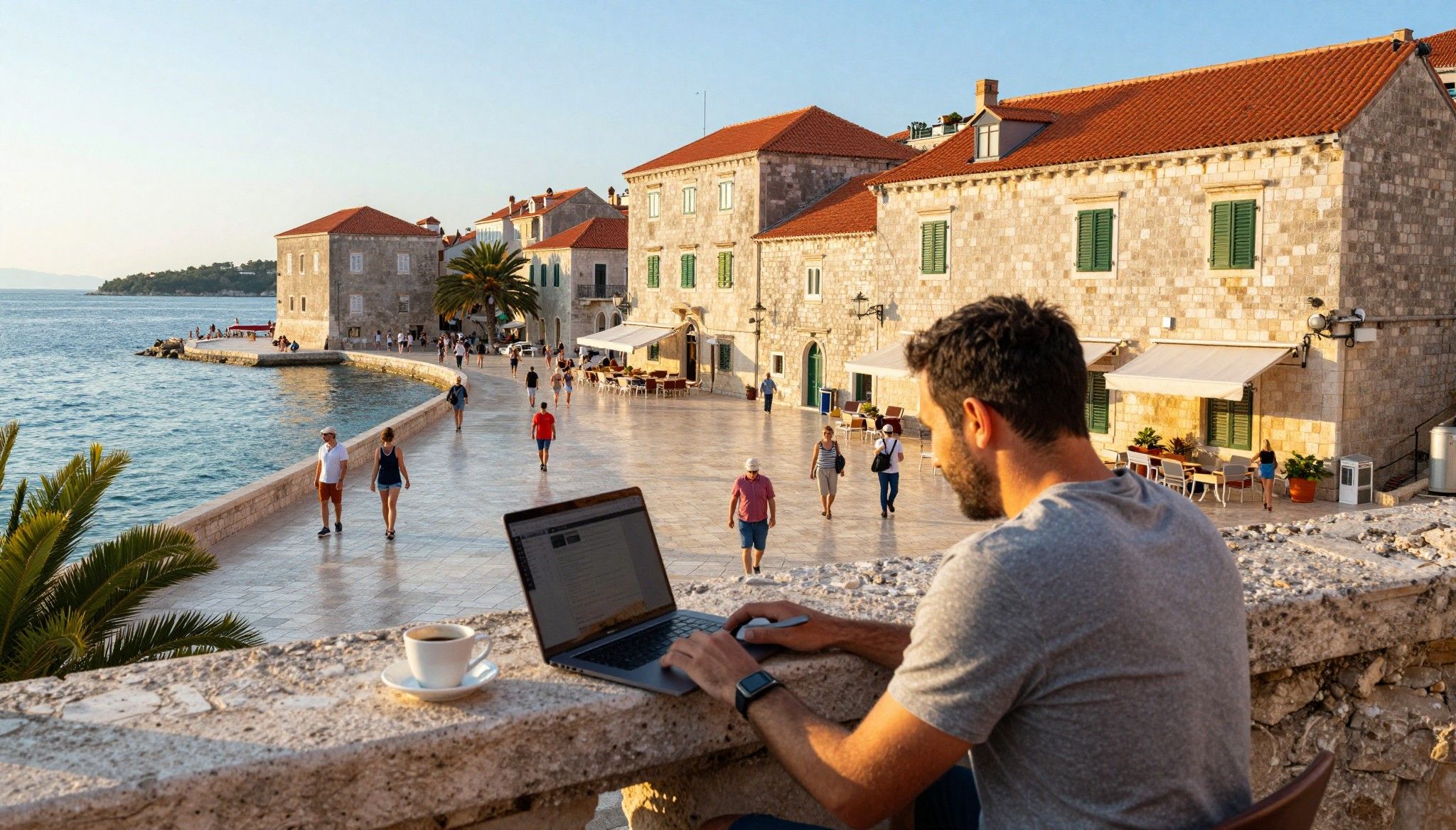
Croatia feels like two holidays stitched together: luminous coastal towns with salted air, and warm, practical inland life where markets, coffee culture and old town squares anchor daily routine. Mornings often mean a short walk to a bakery, afternoons can be remote-work sprints from a sun-drenched balcony, evenings are long over grilled fish or stews. This variety matters for budgeting — lifestyle choices determine whether you buy a compact coastal pied-à-terre or a larger inland house with a garden and lower upkeep.
Coast vs. inland: two different rhythms
Walkability and tourism shape coastal pricing: Dubrovnik’s old town and Hvar’s harbor pull premium crowds and short-term demand, while inland spots like Varaždin or Slavonski Brod offer calmer streets, lower prices, and larger properties. If you prize community cafés, weekly markets and year-round services, inland towns can deliver more space for the same budget. If you crave the Adriatic postcard life, expect to budget a coastal premium and plan around seasonality.
Food, cafés and market days (yes, this affects your bottom line)
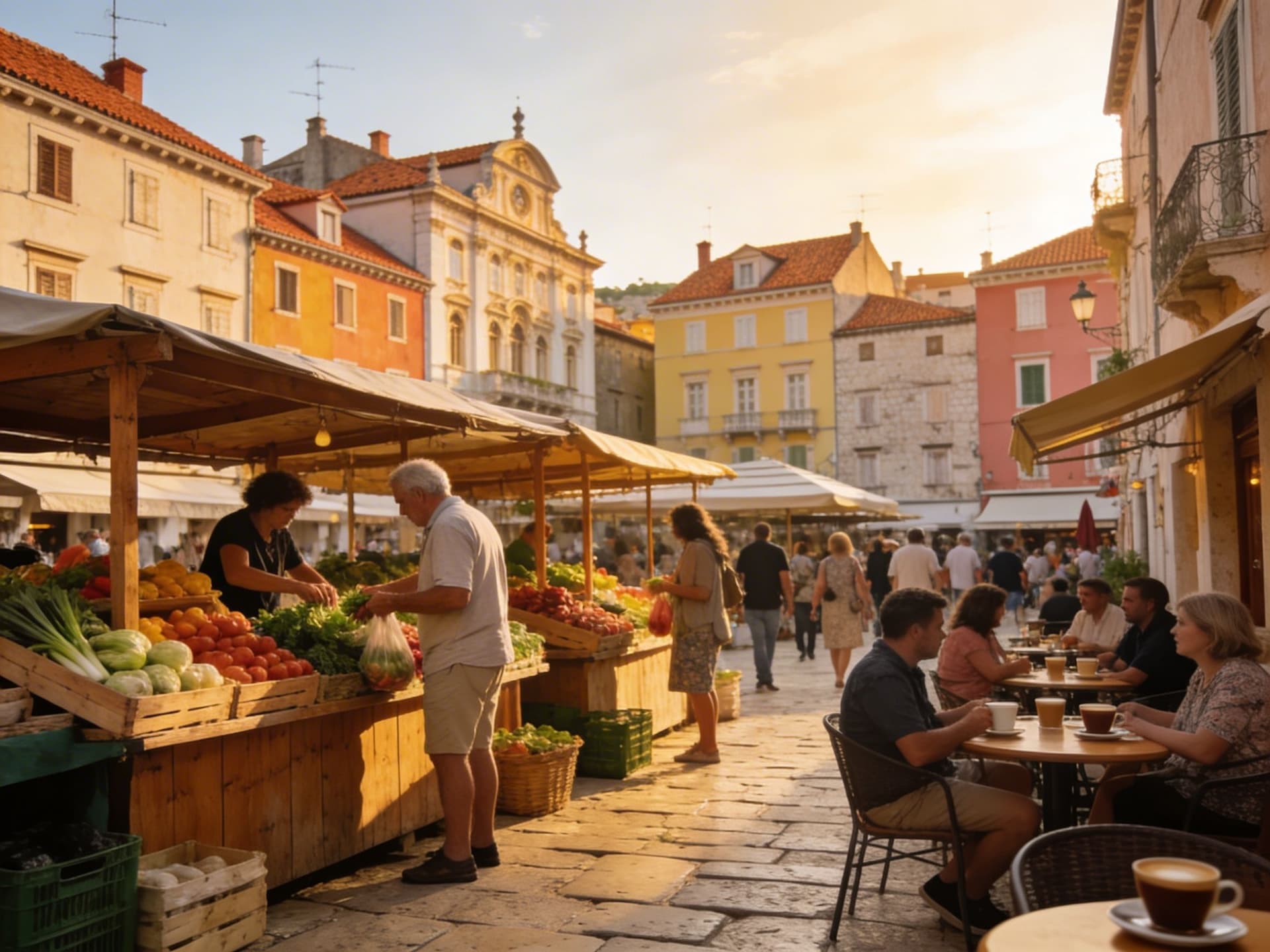
Weekly markets — like Zagreb’s Dolac, Split’s Pazar or Pula’s market day — are social lifelines and cost-savers. Eating local is cheaper and tastier than always dining out. For buyers, proximity to markets, bakeries and coworking hubs influences whether you need a second car, a bigger kitchen for entertaining, or central heating upgrades — all budget line items to include up front.
Lifestyle highlights to factor into your budget:
Split’s Veli Varoš alley cafés and marina life — high-season rental demand, higher listing prices
Zagreb’s Maksimir and Tkalčićeva — city comforts, coworking options, stable year-round living
Istrian hill towns (Motovun, Grožnjan) — larger plots, slower markets, renovation potential
Making the move: practical considerations
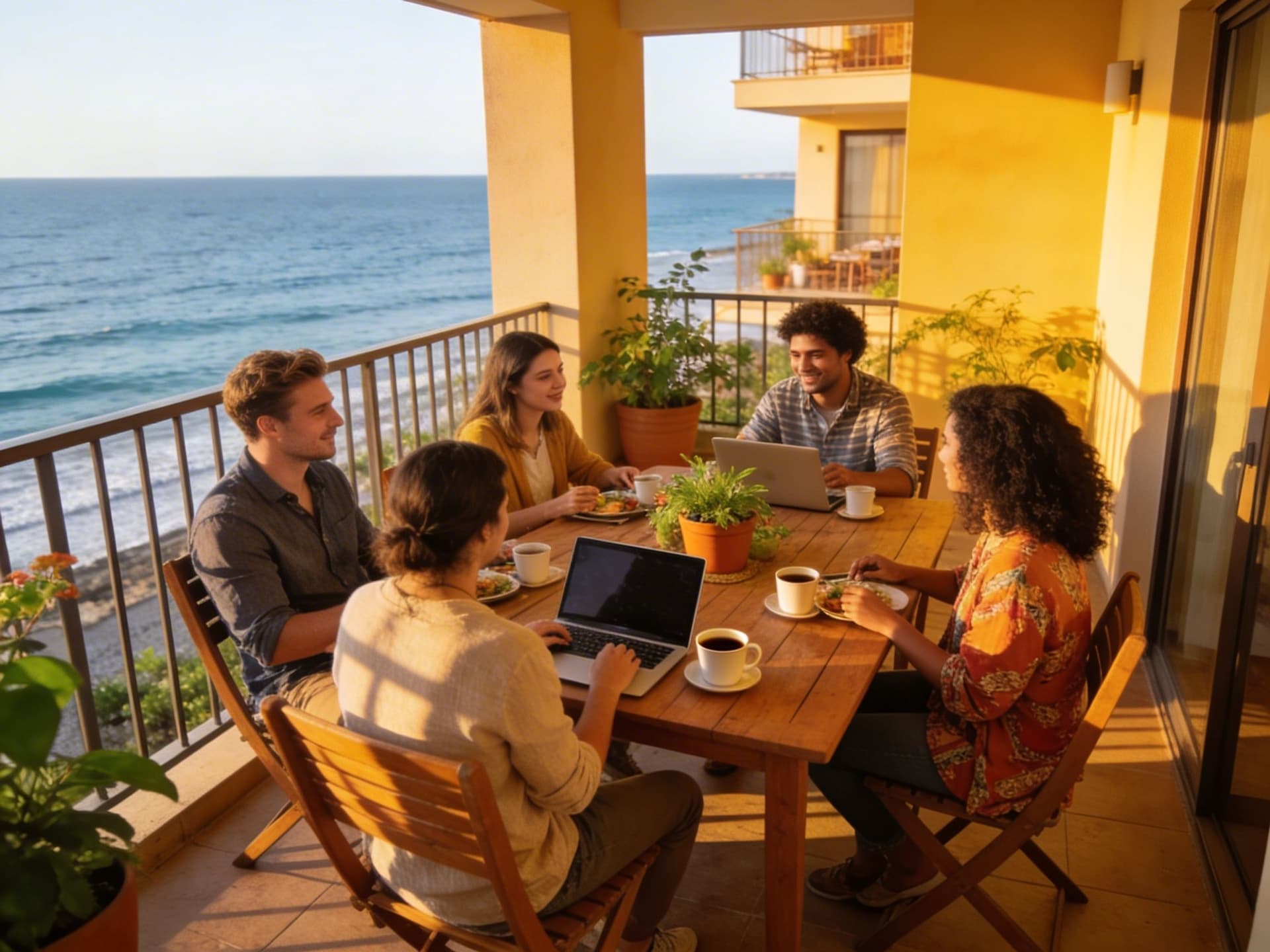
Official statistics show rising prices nationally — average new dwelling prices were ~€2,754/m² in early 2025 — but regional spreads and ancillary costs reshape your true budget. Add transaction fees, renovation cushions, and a season-aware contingency and you’ll get a realistic price-to-liveability ratio. Below are the practical elements every nomad should model before making an offer.
Property types and real cost tradeoffs
Stone townhouses need careful inspection (electrics, damp-proofing, roof condition) and may look cheap per square metre but demand more renovation budget. New builds are pricier upfront but usually require less immediate spending and offer modern insulation — saving on utilities. Think about the life you want: terrace breakfasts and tiny footprint, or garden dinners and DIY projects — each path has different financing implications.
How local experts save you money
Work with a Croatian solicitor and a local agent who knows post-season market windows. They’ll flag coastal listings inflated by short-term rental potential, spot title quirks on island plots, and advise on realistic renovation quotes. Also confirm who pays agent commissions locally — in many listings the seller covers commission, but variations exist and affect negotiation strategy.
Step-by-step budgeting checklist:
1) Target neighbourhood and lifestyle (coast, city, inland). 2) Benchmark average price/m² from DZS or local listings. 3) Add purchase extras (transfer tax ~3%, notary, lawyer, registry). 4) Add renovation buffer (10–25%). 5) Add seasonal living costs (higher utilities/tourist-season maintenance). 6) Confirm financing and currency risk.
Insider knowledge: expat truths and red flags
Expats often arrive enchanted by summer scenes and sign before checking off off-season realities. You’ll want to test a neighbourhood in winter or shoulder season: how lively are shops, is heating efficient, and are medical services accessible? Locals’ lived experience — like late café hours or the cadence of market days — often predicts long-term happiness more than sea view counts.
Cultural quirks that change budgets
Many Croatians keep strong family ties and use family networks for handyman work, childcare and property upkeep. As a buyer, that can lower some service costs — but relying on informal arrangements isn’t always sustainable. Budget for professional property management if you won’t be local year-round; it’s a predictable cost that protects value and rental potential.
Common red flags to budget for (and avoid):
Unregistered additions or terraces — these add legal and renovation costs to reach compliance
Missing permits for conversions — factor in permit fees and consultant costs
Seasonal-only businesses nearby — they can hollow out off-season rental income
Long-term thinking: how life and value evolve
Buy with a three-to-five-year lifestyle horizon. Will you be commuting more? Renting in high season? Hosting family? Properties that fit evolving routines keep you happy and reduce churn costs. Croatia’s EU membership and improving infrastructure suggest steady demand, but local micro-markets — islands, small towns, city cores — move differently. Aim for flexibility in your budget to adapt.
Conclusion — budget like you live here
Fall in love with Croatia’s light and markets, but budget with eyes open. Use official price indices as a starting point, add realistic renovation and seasonal buffers, and lean on local legal and estate experts to avoid surprises. Start with a two-column spreadsheet — lifestyle wants vs. hard costs — and book a winter visit before signing. When you budget for living, not just buying, you’ll find smarter homes and truer value.
British expat who moved from Manchester to Mallorca in 2017. Specializes in market analysis and helping fellow Brit navigate local regulations.