Love Croatia — Do These Legal Checks First
Fall in love with Croatia’s coastal cafes and island weekends — then protect that lifestyle with checks on title, cadastre, reciprocity rules and 2025 tax changes.

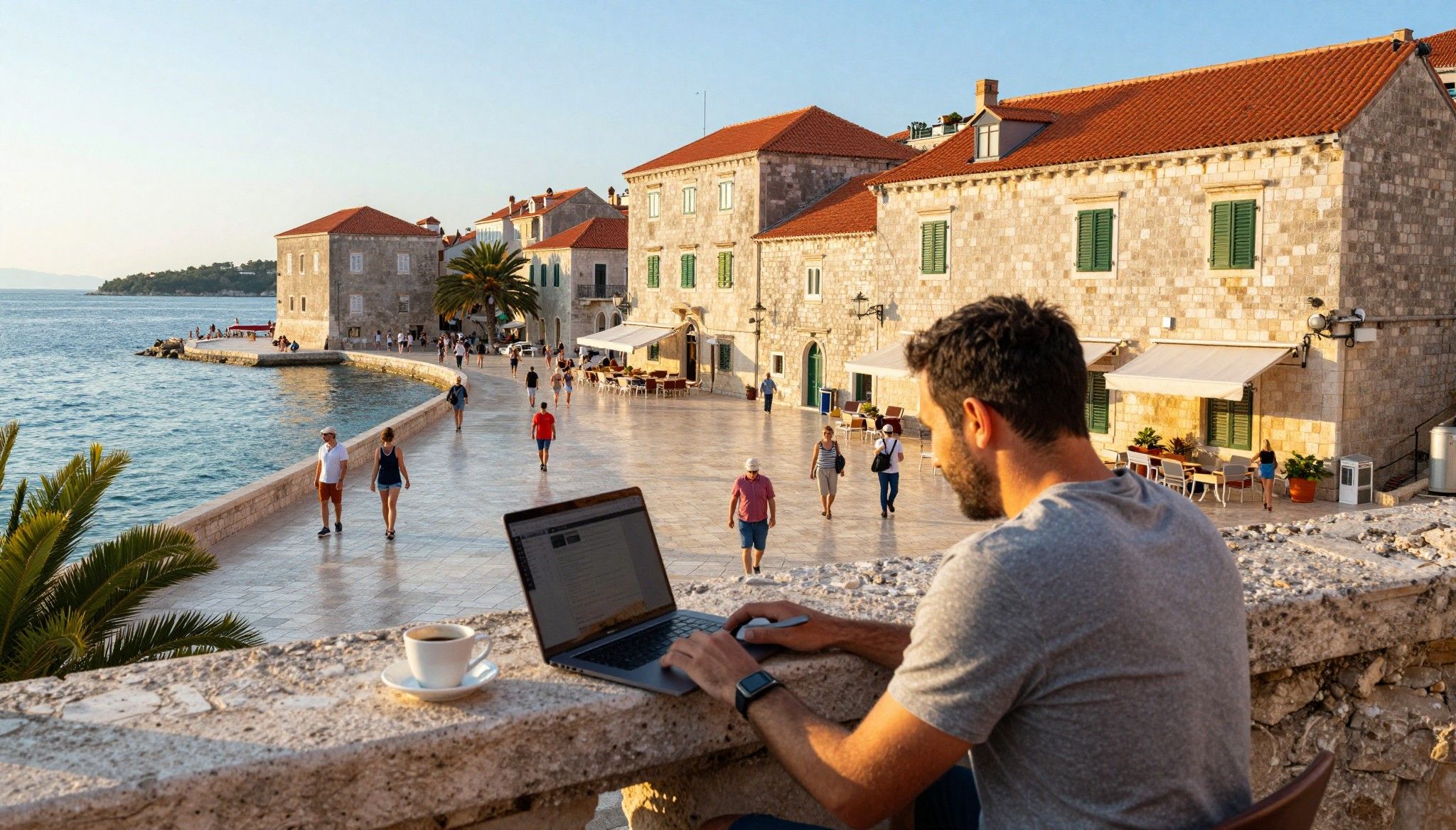
Imagine waking up to the smell of espresso on a sun-warmed stone street in Split, spending an afternoon typing at a sea‑front café in Rovinj, and closing the week with fresh fish from the market in Zadar. Croatia feels small-town friendly and Mediterranean-bright: cobbled alleys, islands you can reach by ferry, and neighbourhoods where everyone nods when you call the baker by name. For buyers, that romance comes with a few specifically Croatian legal checks. Get those right and the dream — from a workspace with fast internet to a weekend island escape — becomes yours.
Living the Croatia life: day-to-day that sells the place
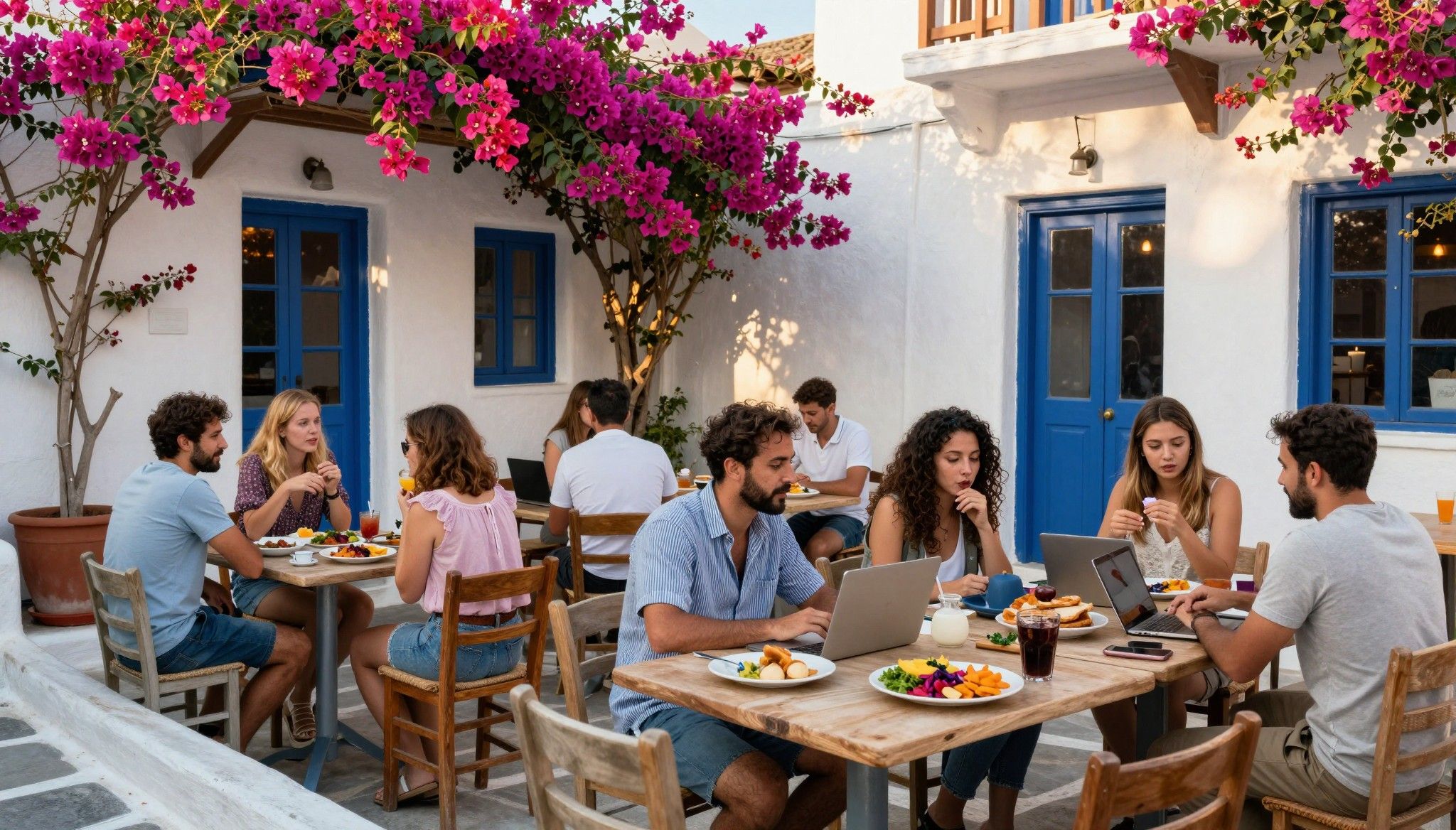
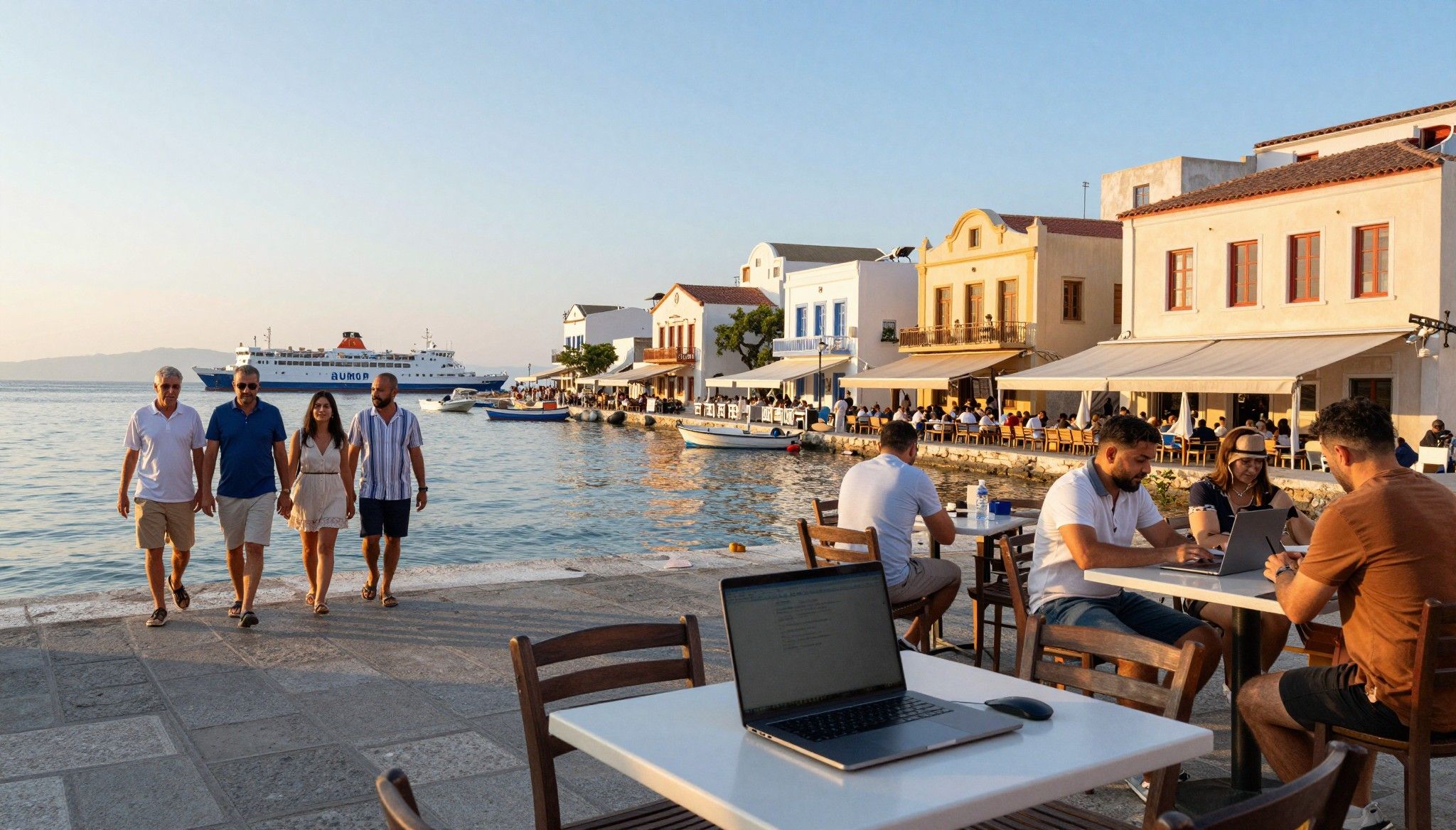
Croatia's rhythm is coastal and seasonal. Mornings mean espresso and burek in neighbourhood bakeries; afternoons are for siesta-style slow walks or working from a shaded terrace; evenings move to waterfront promenades and family-run konobas. Cities like Zagreb bring year-round coworking, while Istria and Dalmatia switch from calm winters to bustling festival summers. If you want both a day‑job-friendly base and island weekends, property choices will hinge on commute times, year-round utilities and whether a home suits remote-work ergonomics.
Neighbourhood spotlight: Rovinj's Old Town vs Split's Veli Varoš
Rovinj's Old Town is a postcard — tight lanes, pastel façades, tiny galleries — perfect if your day is flexible and you crave coastal charm. Veli Varoš in Split is gritty-meets-charming: stone houses, local markets and coffee culture close to Diocletian's Palace. Both promise walkability and seaside cafés, but think practically: Rovinj properties often need renovation and have strict heritage rules; Veli Varoš can offer easier connectivity to city coworking and international travel from Split airport.
Food, markets and weekend life: where you’ll really live
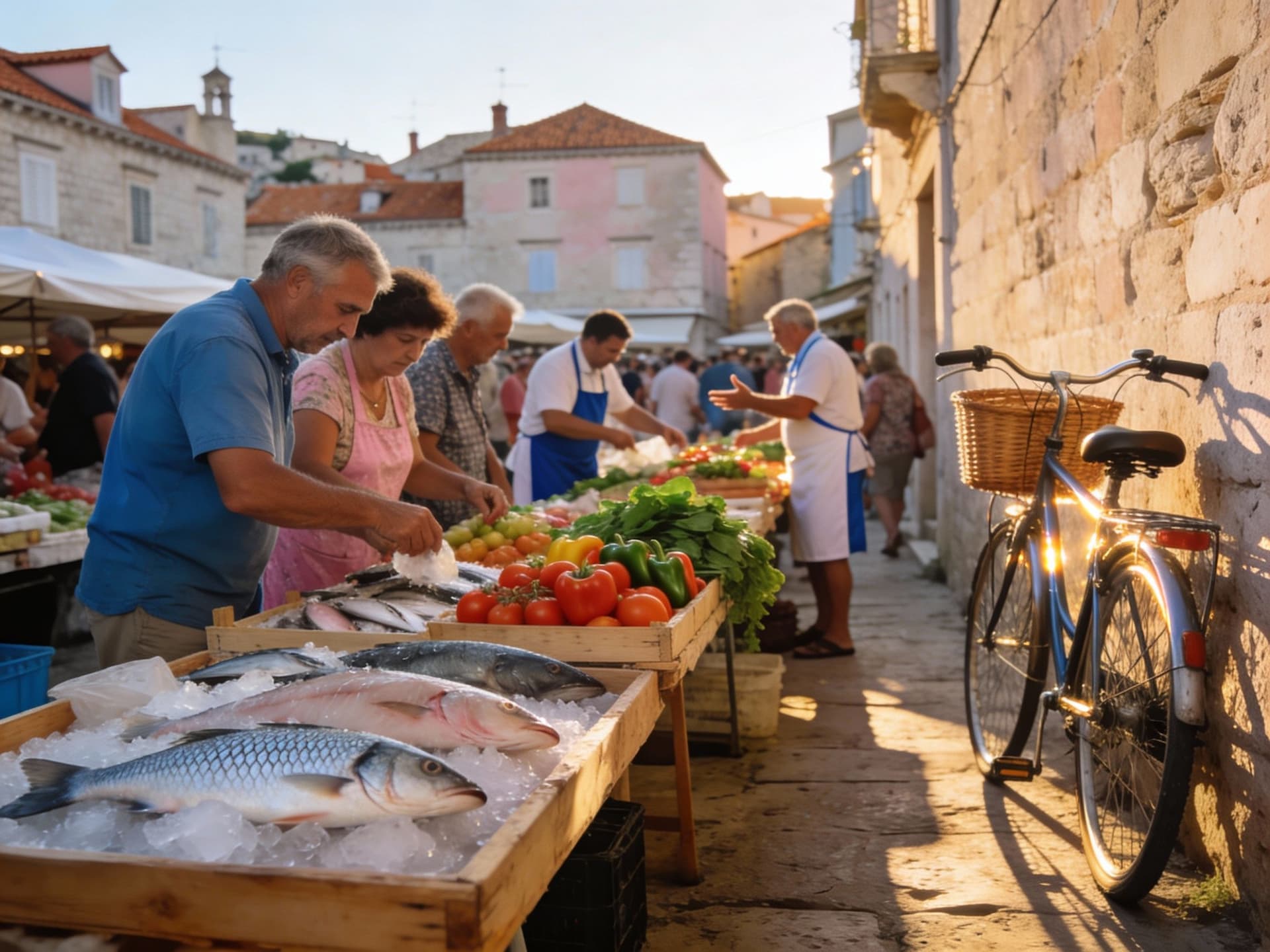
Markets shape Croat life. Visit Dolac Market in Zagreb for morning buzz, Pula market for fresh Istrian olive oil, or Zadar's fish market before sunset. Seasonal festivals — from truffle fairs in Istria to ultra local klapa singing on the Dalmatian coast — define weekends. As a buyer, prioritise proximity to markets and open-air life if you imagine a local, food-centred routine; that’s where value and joy compound every week.
- Morning espresso on a harbour quay (Split Riva); Dolac market breakfast (Zagreb); Istrian truffle hunts (Buzet area); island day trips from Zadar (Ugljan, Pašman); sunset drinks at Bačvice (Split); weekend cycling around Hvar’s lavender roads.
Making the move: practical checks that protect the lifestyle
Dreams need paperwork. Croatia lets EU/EEA/Swiss citizens buy with almost the same ease as locals; non‑EU buyers often face a reciprocity check and Ministry of Justice approval. That means timelines vary — from a smooth 2–8 week registration for EU buyers to several months if you need approval. Always verify your nationality’s status early; it changes the whole timeline and whether you must structure a purchase via a Croatian company.
Title, cadastre and notary: what I check first
First: confirm the title in the land register (zemljišne knjige) and the cadastre. Ask the agent for the parcel ID and cadastral extracts; get a notary to request an up‑to‑date land‑book excerpt. Look for mortgages, easements, unregistered building extensions, and ownership disputes. A clear title isn’t just paperwork — it determines whether you can renovate, rent, or get a mortgage later.
Taxes that change how you budget
Croatia reformed property taxation in 2025: a new real estate tax replaced some older levies and local municipalities set rates per square metre. Familiarise yourself with local rates because coastal towns often choose higher brackets. Resale purchases typically incur a 3% property transfer tax (with some refunds available for qualifying first-time buyers), while VAT (often 25%) can apply to new developments — check whether a listing is a resale or new build before you budget.
- Request cadastral extract and land register report; confirm seller ID and powers of attorney; ask for utility account clearances; get an official notary contract draft; confirm any pending local municipality charges or enforcement notices.
Insider knowledge: red flags and contrarian tips expats swear by
Two surprises I see again and again: first, foreign buyer share has cooled after 2022 peaks — which can create pockets of value if you look beyond headline coastal towns. Second, the prettiest historic facades often come bundled with complex heritage rules that limit changes. That sea-view gem may be tempting, but check renovation permissions, insulation options and seasonal utility reliability before you offer.
Cultural and community points that affect daily life
Croatians prize local relationships: tradespeople, neighbours and market vendors matter. Learning a few phrases or joining local clubs accelerates access to good builders and off‑market opportunities. Also be realistic about seasonality — many coastal areas quieten drastically in winter, which affects rental income if you plan short‑term lets and your sense of community if you crave year‑round vibrancy.
Longer-term considerations: resale, rental rules and inheritance quirks
If you buy as a non‑EU national, remember approvals can be property‑specific and sometimes require a company structure. Check short‑term rental regulations and local zoning: some towns limit tourist rentals to encourage long‑term housing. Finally, Croatia’s inheritance law can be less flexible than common-law systems — ask a local lawyer about succession rules and how to structure ownership to protect heirs or co‑owners.
- Get a bilingual lawyer; insist on an English-and-Croatian notary contract; verify utility and tax clearance; ask for written proof of permitted works; check municipality planning rules; confirm reciprocity or approval timelines.
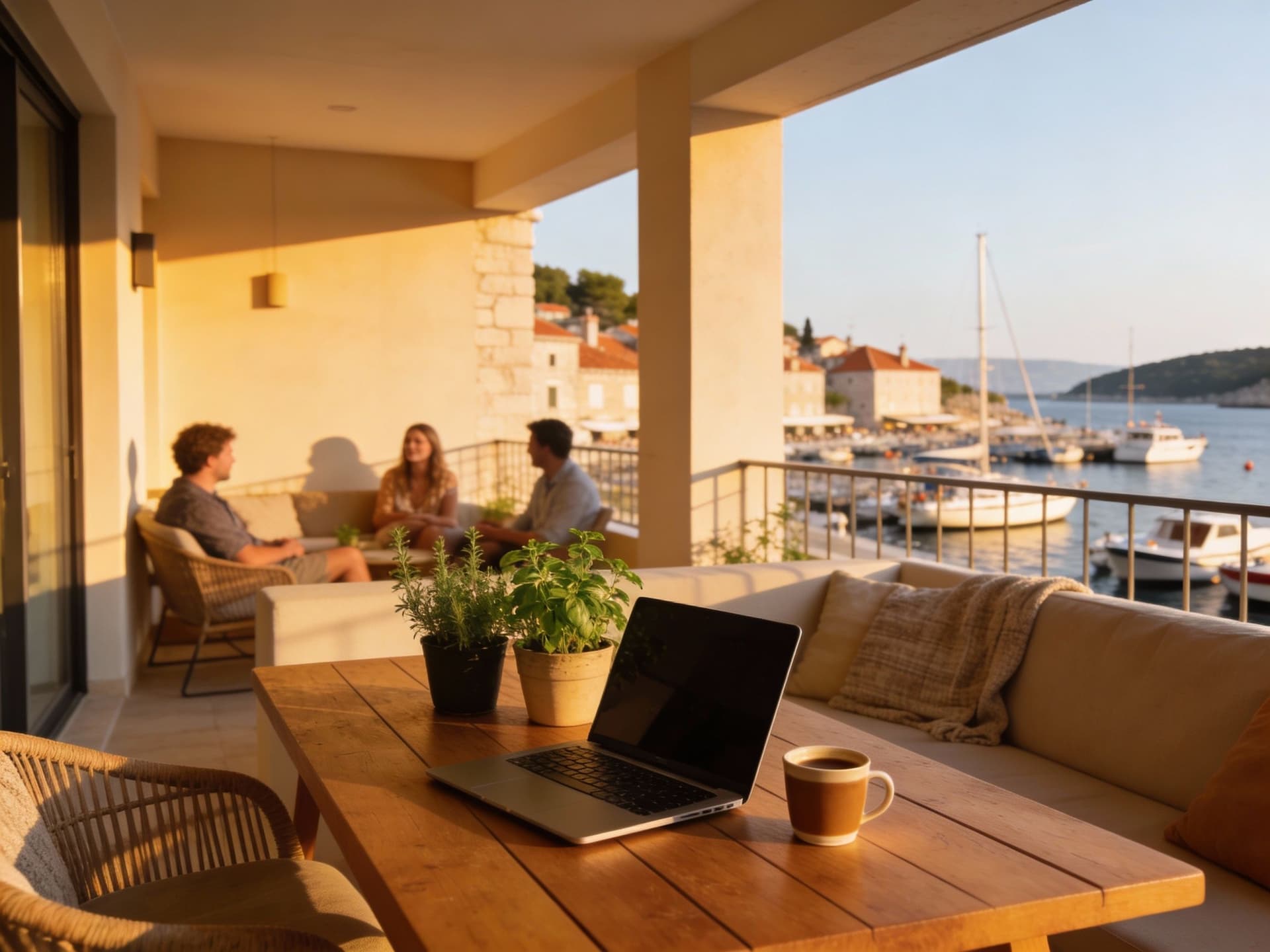
I moved here with a laptop and a list: fast internet, a reliable workspace, and a kitchen for market cooking. The first winter I learned that a warm apartment in coastal Croatia isn’t automatic — check heating, insulation and winter water pressure. Do the legal homework before the love affair deepens. It saves money, time, and the heartbreak of a contract you can’t use the way you planned.
- 1) Confirm nationality approval path and expected timeline. 2) Order land register and cadastre extracts. 3) Hire a local bilingual lawyer and notary. 4) Check tax status (transfer tax or VAT) and new municipal real‑estate rates. 5) Verify planning permissions and utilities. 6) Close with a notary and register ownership.
Croatia gives you a life of sea-scented mornings, market-driven weekends and island escapes — but the legal path is uniquely Croatian. Treat the process as part of the adventure: hire local experts who care about the lifestyle you’ll actually live, not just the square metres. Want help turning a neighbourhood fantasy into a legally sound purchase plan? Start by asking an agency for the parcel ID and the latest cadastral report — it’s the single most revealing document you’ll get.
Norwegian who has helped 200+ families relocate from Oslo to Spain; expert in relocation services and community integration.