Croatia: Love the Life, Lock Down the Title
Fall for Croatia’s café-to-coast lifestyle — but lock down title, cadastre and permit checks first to protect your dream and investment.
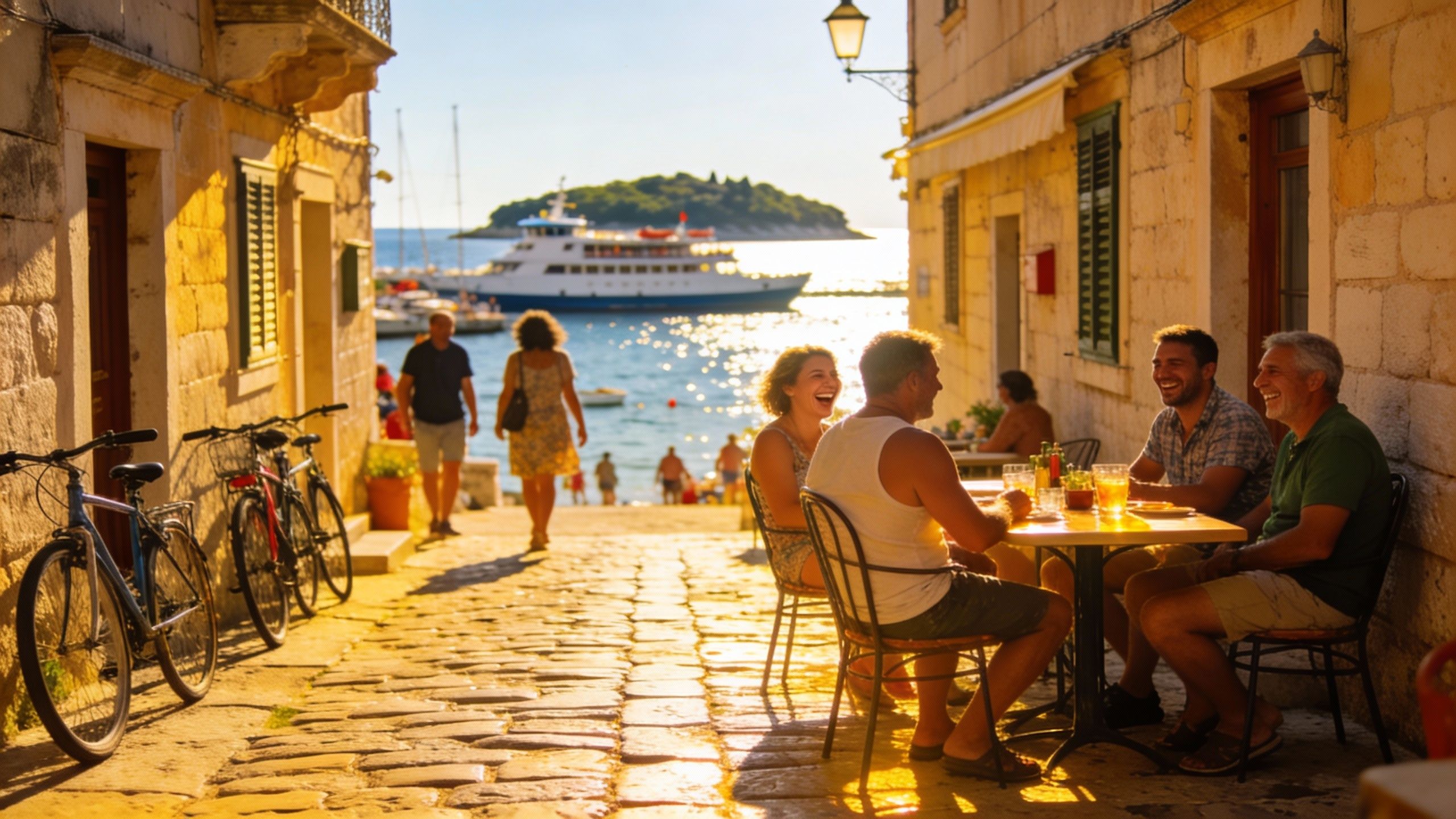
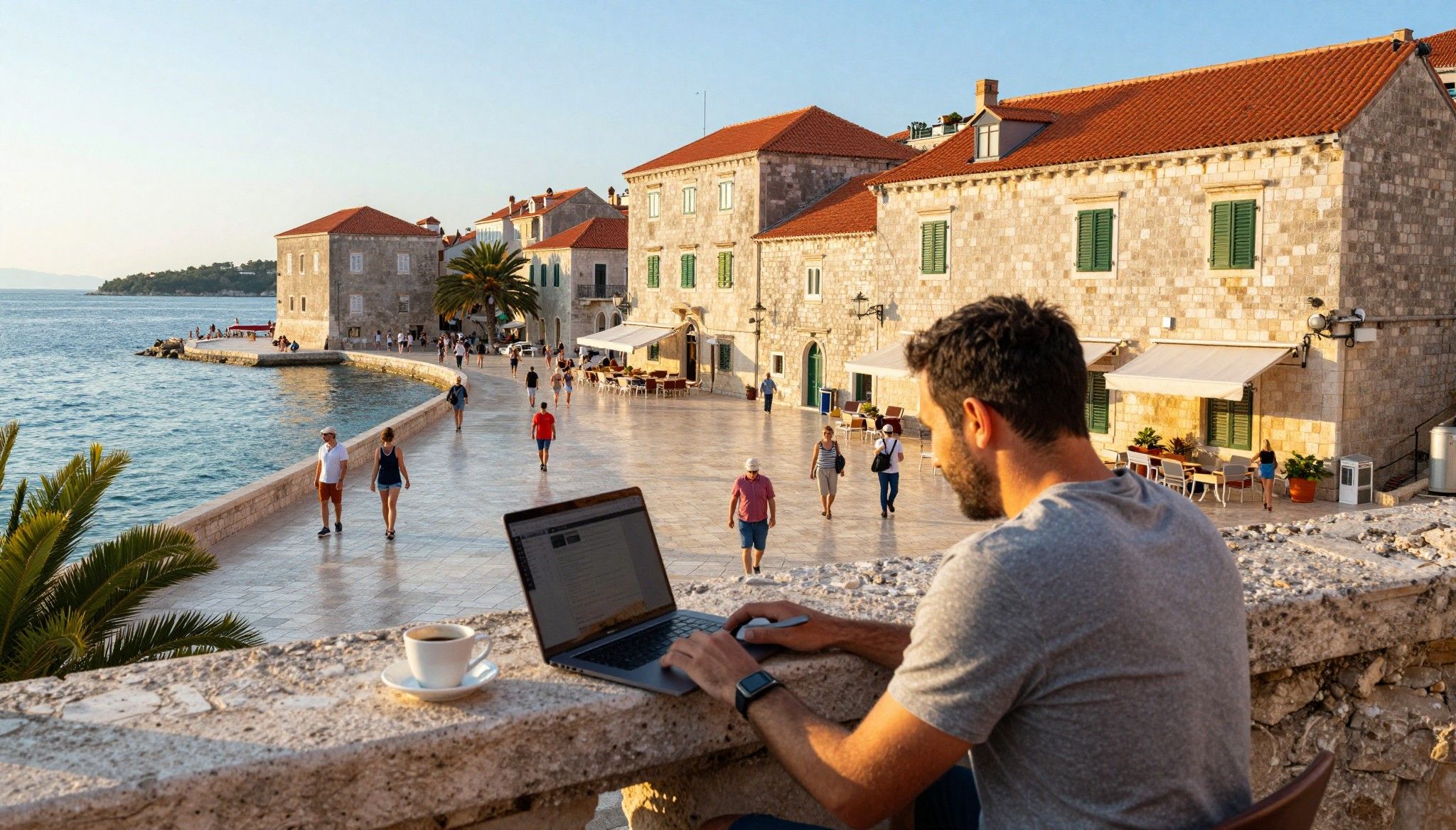
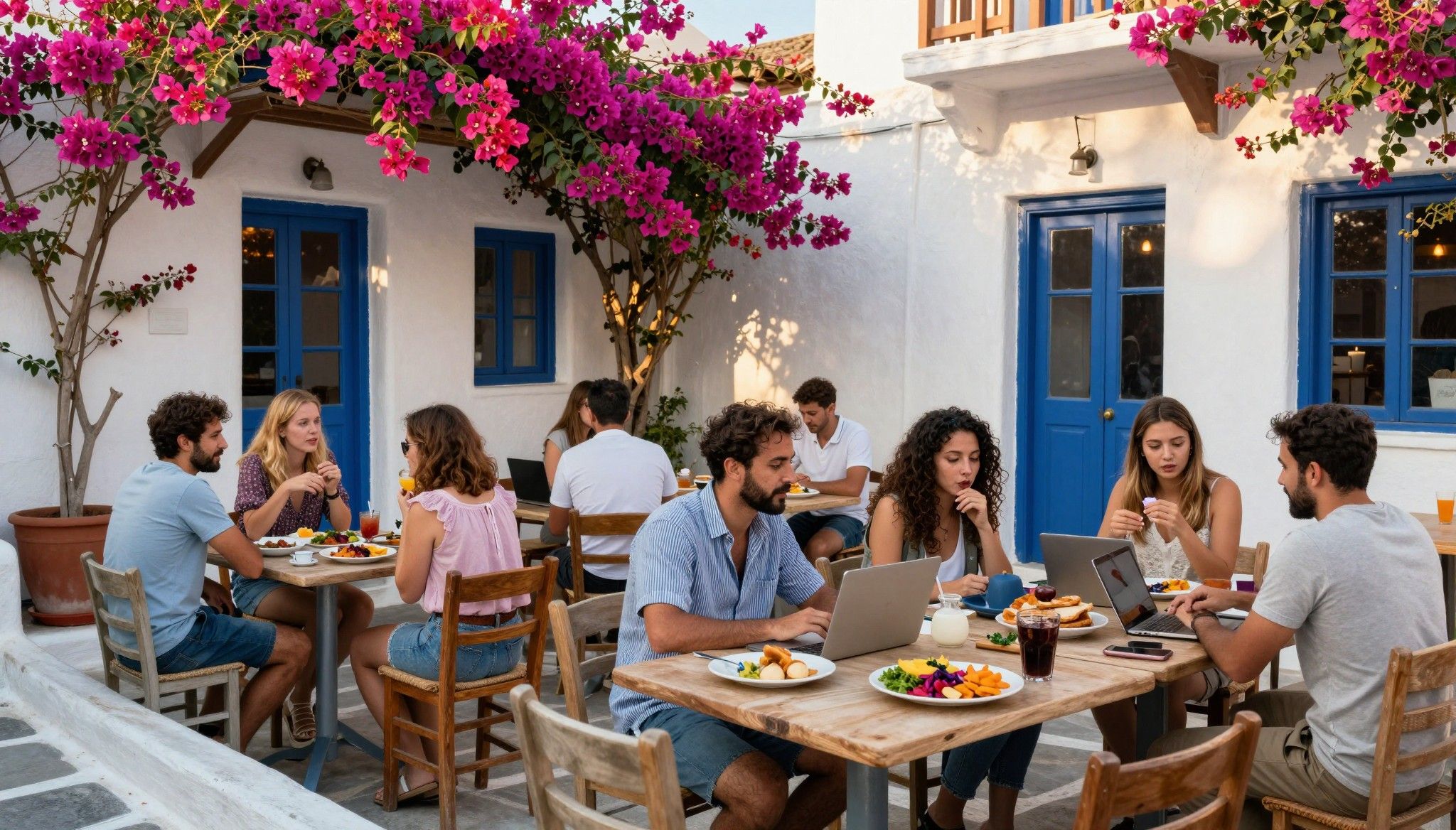
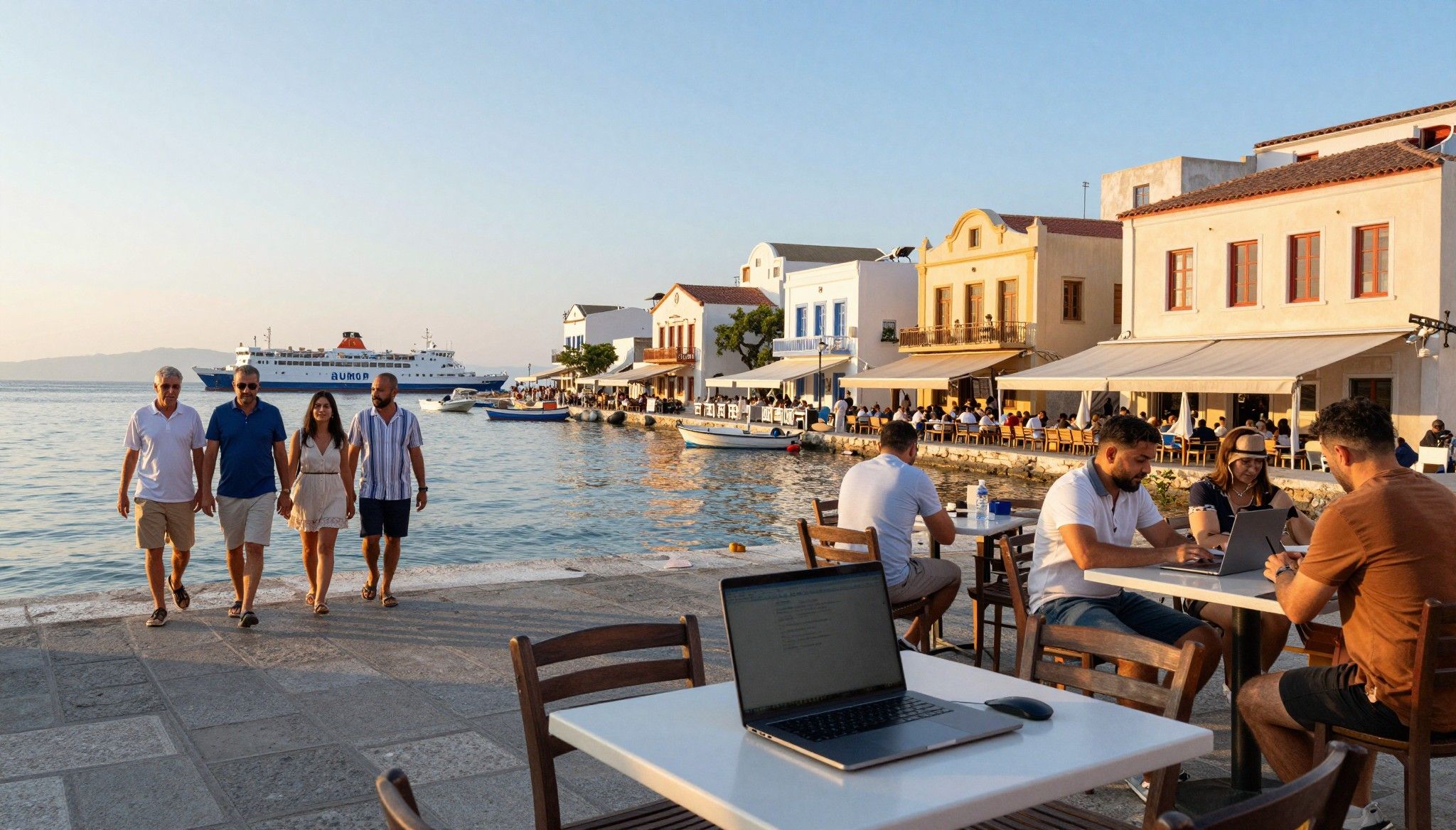
Imagine morning espresso at Dolac market in Zagreb, then jumping on an afternoon ferry to a limestone island where neighbours know each other by name. Croatia has that slow‑fast rhythm: ancient stone lanes and raucous summer harbours, quiet winters with olive harvests and busy tourist seasons that re-shape neighbourhood life. For remote workers and nomads, it’s a place where coworking days blend with sea swims and weekend truffle hunts. But falling in love with Croatia doesn’t remove the need for sharp legal checks — especially title, cadastre, and residency reciprocity that can surprise newcomers.
Living the Croatian life: from café terraces to island lanes
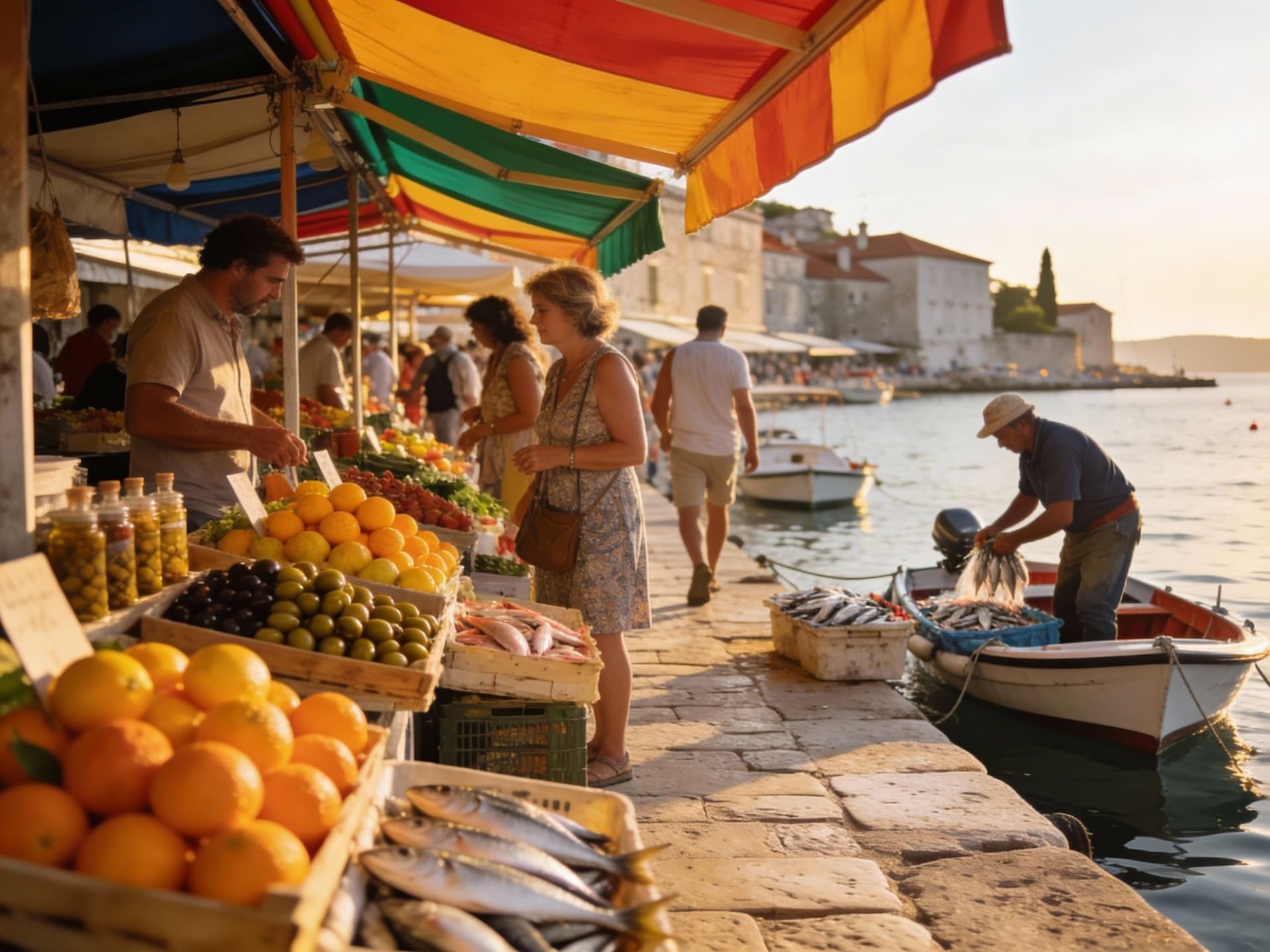
Life here is sensory. In Split you’ll hear morning ferries and smell roasting coffee; in Rovinj the streets glow with ochre facades and lively fish markets; in Hvar and Brač, terraces fill with digital nomads trading standups for sunset swims. Weekends often mean markets, family tavernas (konoba) and festivals that stitch you into community life. Seasonality is real: coastal towns pulse in summer and quiet to near‑local life in winter — a tradeoff that affects rental yields, repair scheduling and when you should inspect roofs or seawalls.
Zagreb, Dalmatian coast, and Istria — different beats, different buys
Zagreb gives café culture, coworking and year‑round life: good for nomads who want services and international flights. The Dalmatian coast (Split, Šibenik, Dubrovnik outskirts) sells coastal living, tourist demand and high seasonal rents — expect stronger price growth but more red tape around short‑term letting. Istria mixes Italianate towns, inland truffle country and agritourism properties — ideal if you want rural charm within easy drive of Pula and Rijeka airports. Each region’s rhythm should steer your due diligence: cadastre checks for coastal boundary lines, municipal permit histories for island homes, and short‑term rental restrictions in tourist zones.
Food, festivals and the slow calendar — how lifestyle changes seasons
A day here might start with burek for breakfast, include a market trip for fresh sardines, and end at a klapa concert under the stars. Harvests and festivals — olive pressing in autumn, summer music festivals in coastal towns — shape local life and also practicalities like renovation windows or rental demand. If you want to live among locals, target shoulder seasons for viewings: towns are open, owners are around to chat, and you’ll feel the place outside its tourist halo. That lived reality should drive what you ask your lawyer and agent about — not just square metres but seasonal infrastructure, waste collection and neighbour use patterns.
- Lifestyle highlights to scout in person: Dolac Market (Zagreb), Bačvice Beach (Split), Rovinj old town, Zlatni Rat (Brač), Pula Arena weekend markets, local konoba that stays open in winter.
Making the move: practical checks that protect the lifestyle
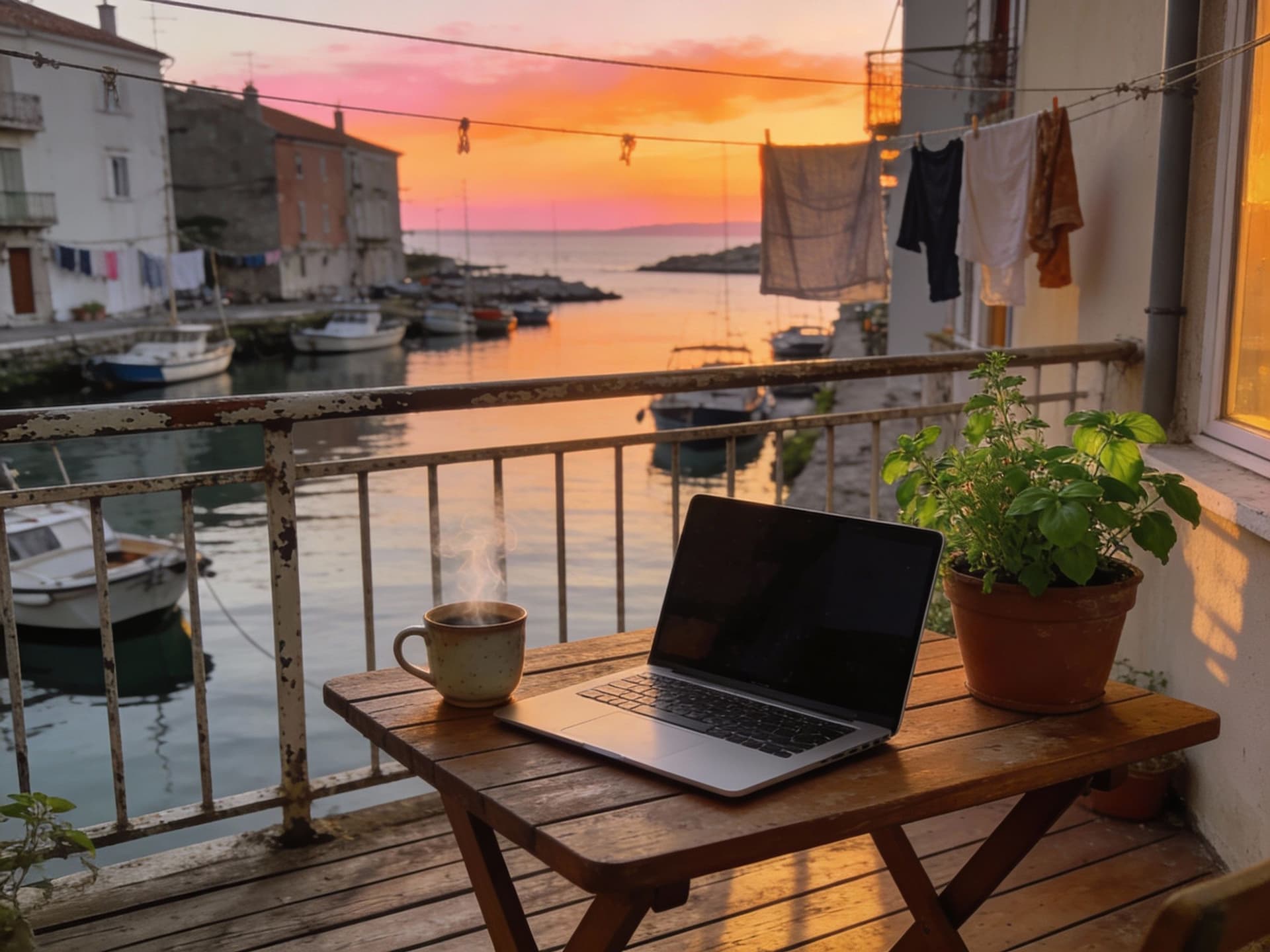
All the romance in the world can be undone by a title dispute or a missing building permit. In Croatia, the essential legal dance involves the land registry (cadastre), a notary‑led contract process, and confirmation of seller ownership — plus checking whether the property is tied to short‑term rental licences. Recent government action to tax and regulate tourist rentals shows these rules are shifting, so plan for policy surprises when estimating rental income or taxes. Good due diligence keeps your sea‑view evenings intact and your investment secure.
Title, cadastre & permits — the checks that matter most
Start with a certified search at the land registry (katastar) and state land book (zemljišna knjiga). Confirm the seller’s name, encumbrances, mortgages and servitudes; coastal properties often have easements or access rights that aren’t obvious from a surface tour. Check municipal building permits and any historic‑preservation rules — many Adriatic properties are in conservation zones. A local notary will prepare the contract and must register title changes; don’t skip the notary step — it’s the legal hinge that transfers ownership.
Why timing and data matter: regional price growth (DZS and Eurostat reporting) has been strong along the coast and rising countrywide, so budget buffers for negotiation and taxes are realistic. Expect coastal asking prices to outpace inland towns, and plan for recent policy moves aimed at curbing short‑term rentals which can affect income projections. Use official indices to temper offers and to decide whether an instant renovation makes financial sense.
- Step‑by‑step due diligence checklist: 1) Order land registry and cadastre extracts to confirm ownership and boundaries. 2) Request a notarised seller statement about encumbrances and existing leases. 3) Verify building permits and energy certificate on municipal records. 4) Run a local search for pending municipal plans or coastal protection measures. 5) Have a local lawyer review the preliminary contract and arrange escrow with the notary.
Insider knowledge: expat lessons and legal red flags
Expat buyers often say they underestimated three things: the administrative pace, coastal permitting complexity, and how quickly policy around short‑term rentals can change. Croatia introduced tax and regulatory measures in 2024–25 to manage tourist rentals and property taxation, so treating rental income as variable is wise. Local neighbours, municipal officers and your agency will be invaluable sources — but verify everything on paper with official registers and a lawyer who reads Croatian registration documents daily.
Cultural quirks that affect closings and contracts
Sellers sometimes expect face‑to‑face negotiation and friendly flexibility on move‑in dates; contracts may include informal side agreements that aren’t legally binding. Use formal, notarised clauses for anything that matters: deposit return conditions, inventory lists, and agreed repair obligations. Also note reciprocity rules: non‑EU nationals may need proof of reciprocal rights from their home country to buy property, so check the Ministry of Justice or ask your lawyer to confirm your eligibility before making an offer.
Red flags to walk away from: unclear boundary lines, missing permits for sea‑facing terraces, properties with multiple unregistered short‑term rental incomes, and sellers who resist a notary‑led escrow. When price growth is strong — as Croatian data shows for coastal areas — rush and FOMO increase mistakes. Protect lifestyle plans by insisting on certified documents and a clause allowing you to cancel if municipality records reveal unseen constraints.
- Practical tips from nomads who bought here: • Visit in shoulder seasons to feel the year‑round town rhythm. • Rent before buying to test commute times and internet strength. • Ask agents about local coworking spaces (e.g., Zagreb’s HUB385 or Split’s TCN coworking scene). • Budget for unforeseen coastal maintenance and sea‑salt wear. • Get an English‑speaking lawyer experienced with cadastre and coastal permits.
Picture yourself six months from signing: you’ve got a corner apartment on a quiet street in Rovinj, a small terrace for morning coffee, and fast fibre for work calls — and you sleep easy because your title transfer was certified, permits were checked, and a local manager handles rentals. That’s the dream and the payoff of smart due diligence. Start your journey by ordering cadastre extracts, booking shoulder‑season viewings, and lining up a notary and lawyer who speak English and know local municipal quirks.
Next steps: pull official price indices, ask your agency for recent comparable sales, and schedule a legal pre‑check before making any deposit. Croatia’s mix of coastal magic and structured EU systems rewards buyers who balance romance with paperwork. With the right team, you get both — a life of seaside cafés and the legal certainty to enjoy them.
Conclusion: fall in love with seasonality, local markets and neighbourly rituals — but sign deals only after cadastre and notary checks. Bring curiosity to cafés and rigor to contracts; that’s how nomads make Croatia home.
Danish investor and relocation advisor focusing on Portugal and the Algarve; loves coworking culture and expat networks.