Fall for Croatia—Then Lock the Title & Tax (3% Clarity)
Fall for Croatia’s light—and protect it with targeted title checks, VAT vs. transfer‑tax clarity (3%) and local legal help before you sign.

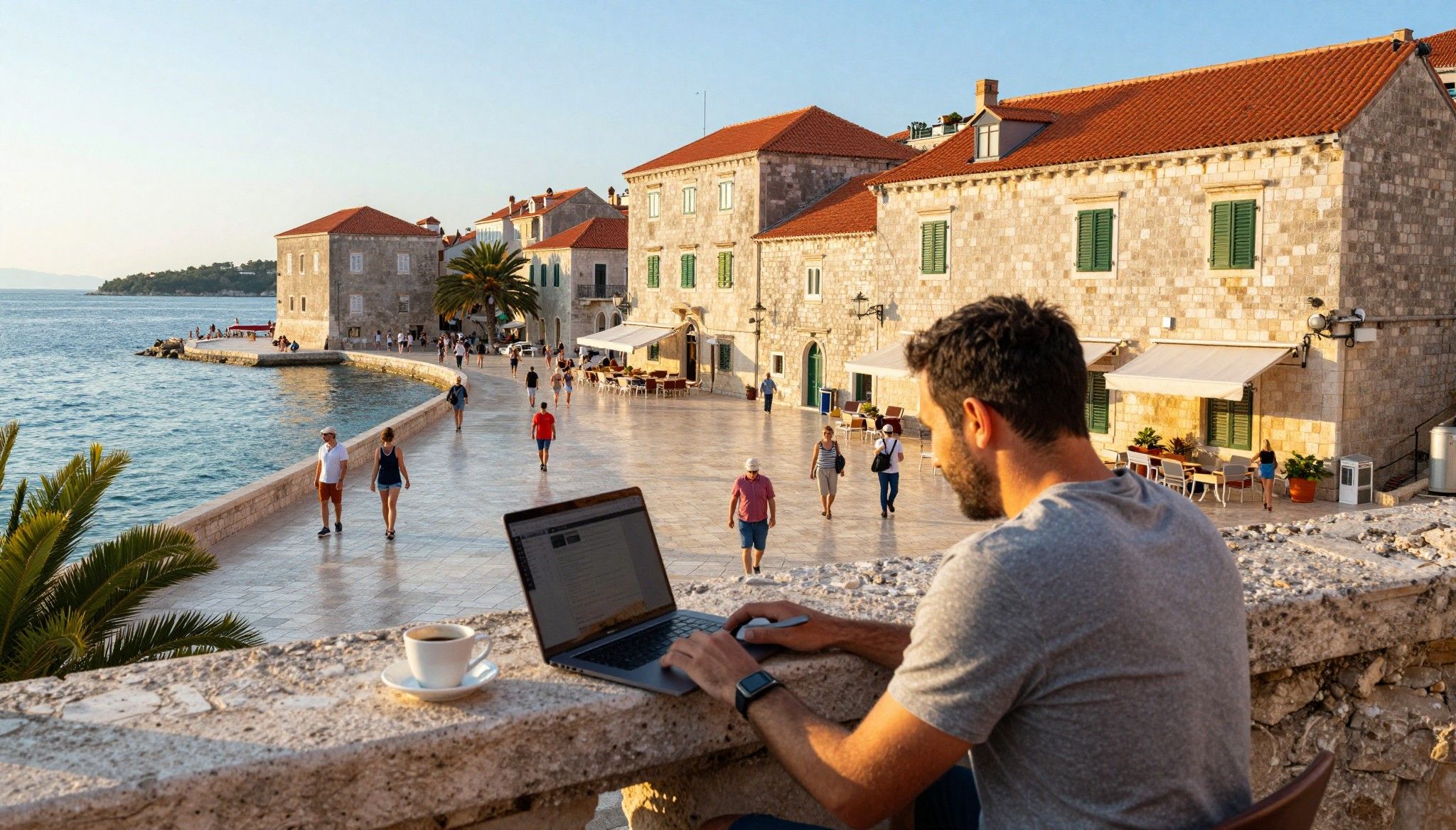
Imagine stepping out of a café on Split’s Riva at sunrise, espresso in hand, the Adriatic glittering and a fisherman’s boat easing past. That easy, sunlit morning is why people fall for Croatia. But behind the golden-hour Instagram shots lie legal checkpoints every international buyer must know—title searches, transfer tax traps and residency quirks. This guide pairs the feel of life here with the exact due-diligence moves that keep your dream from turning into a headache.
Living the Croatia lifestyle
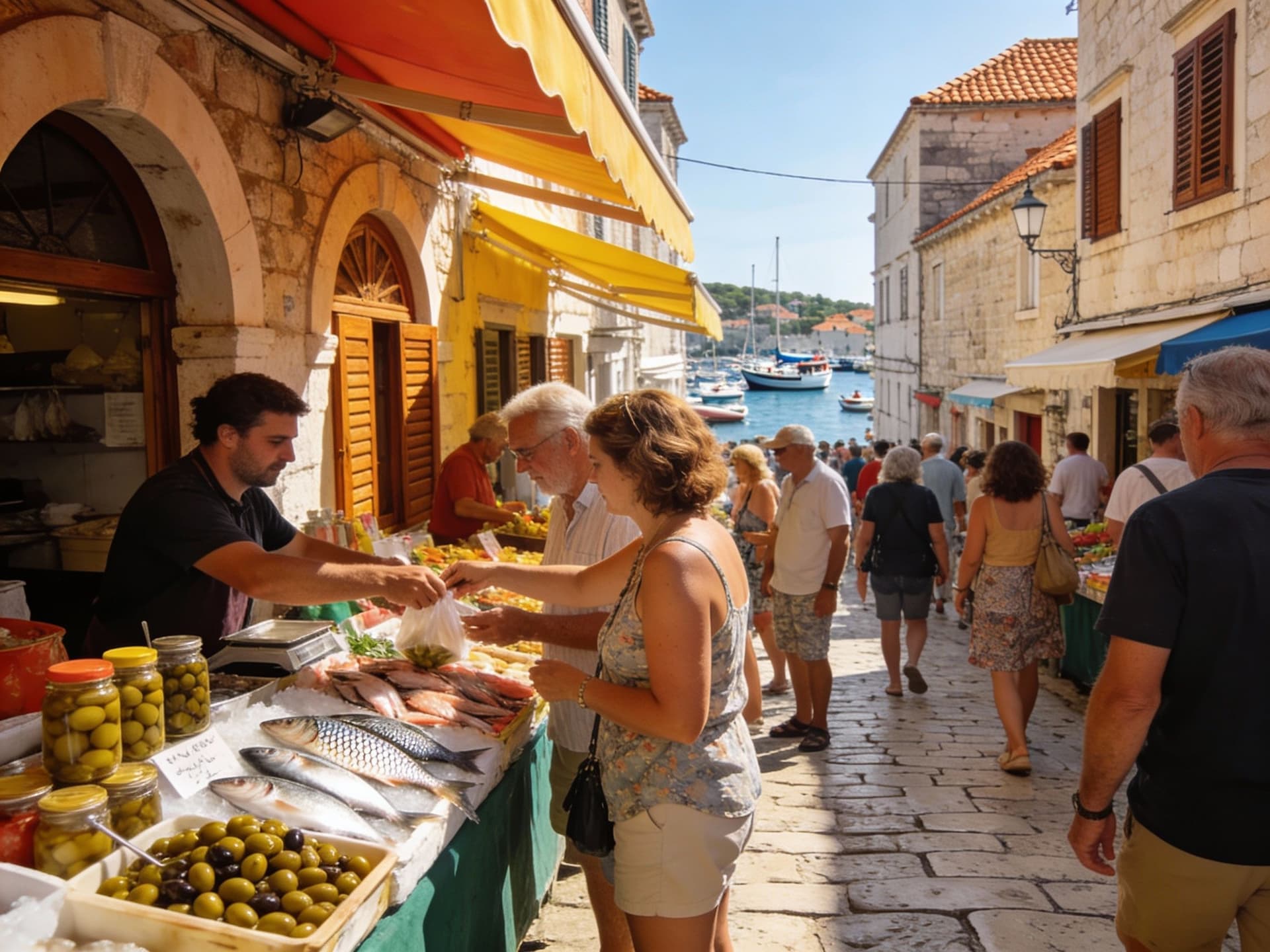
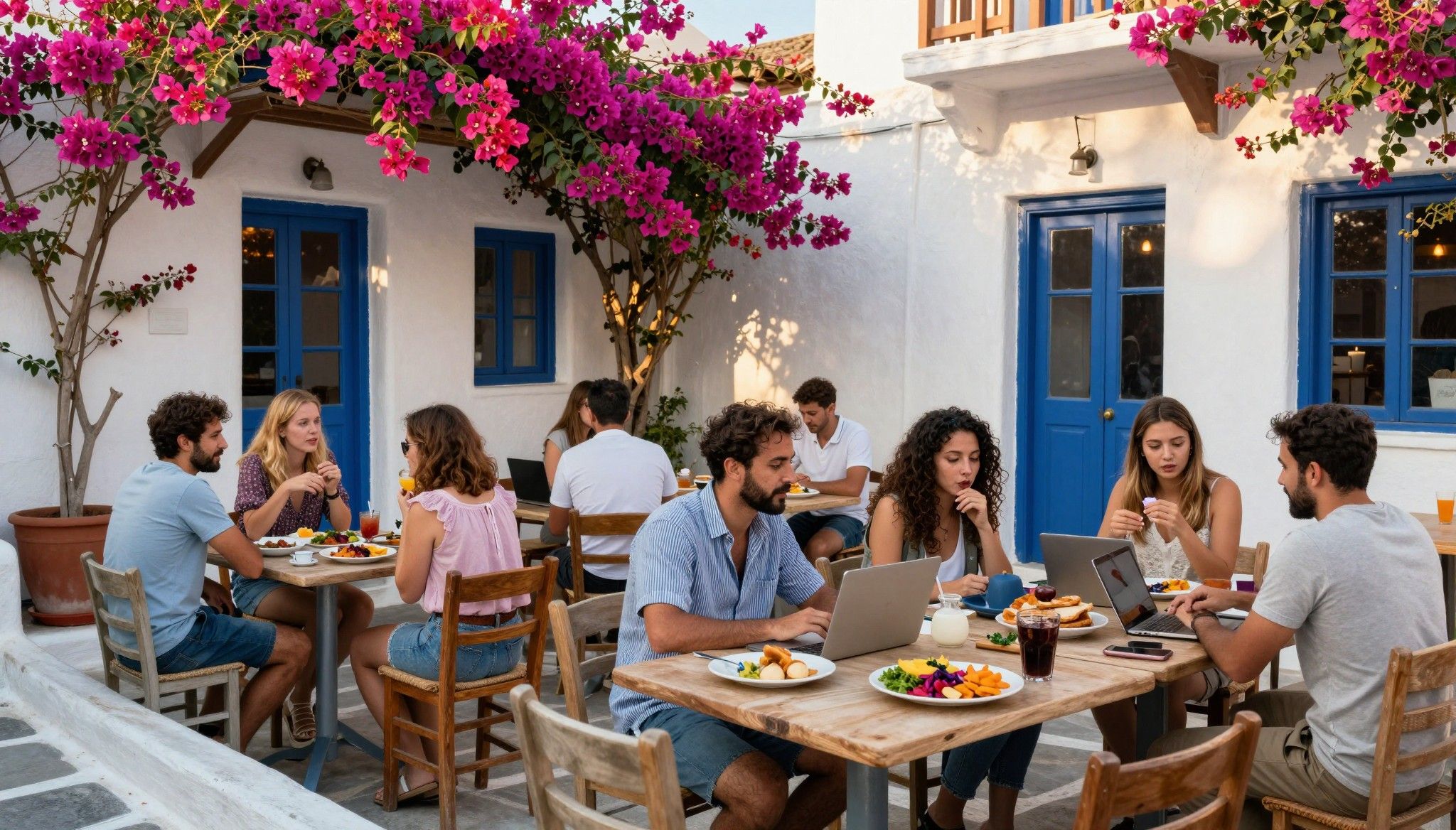
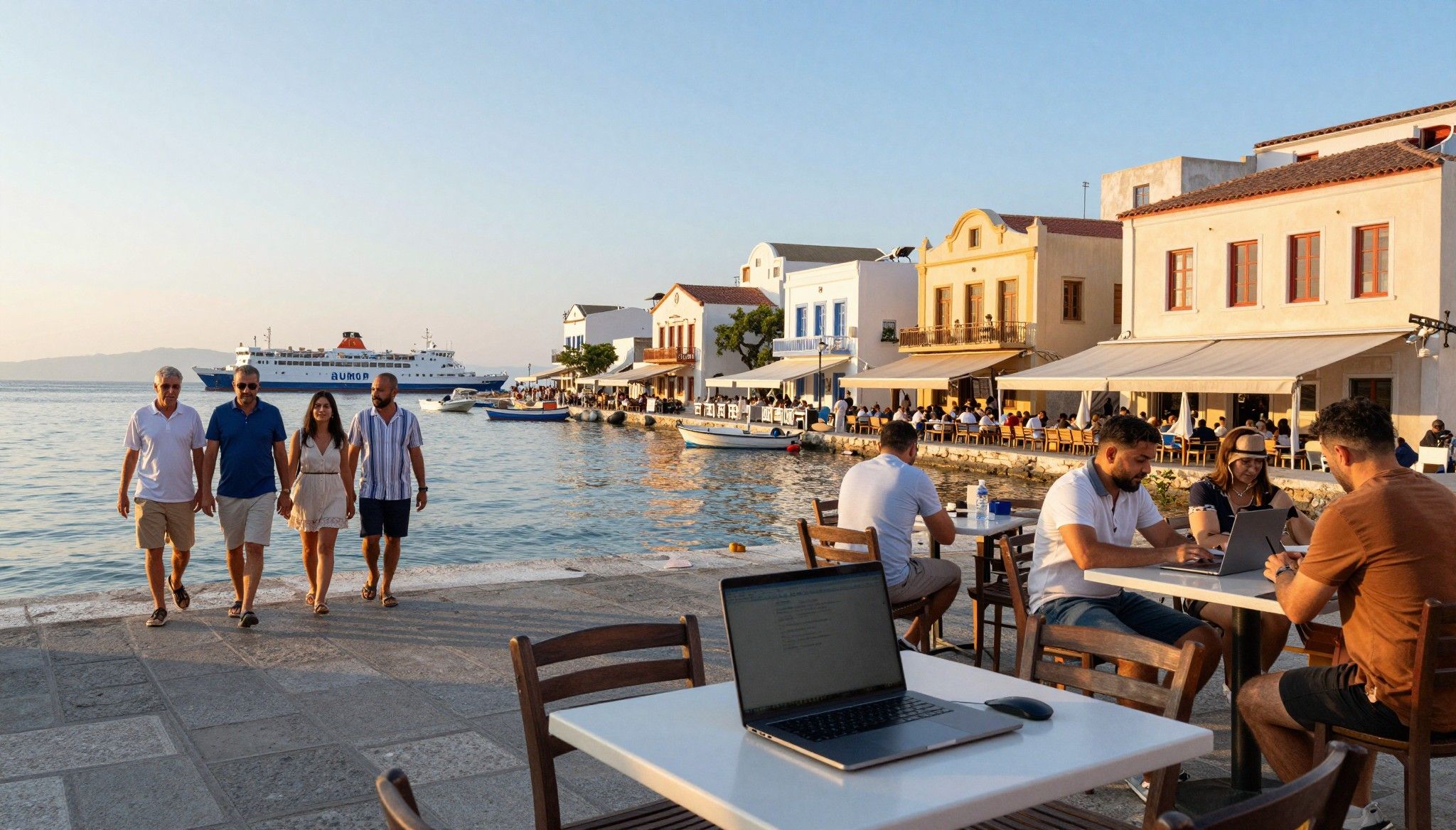
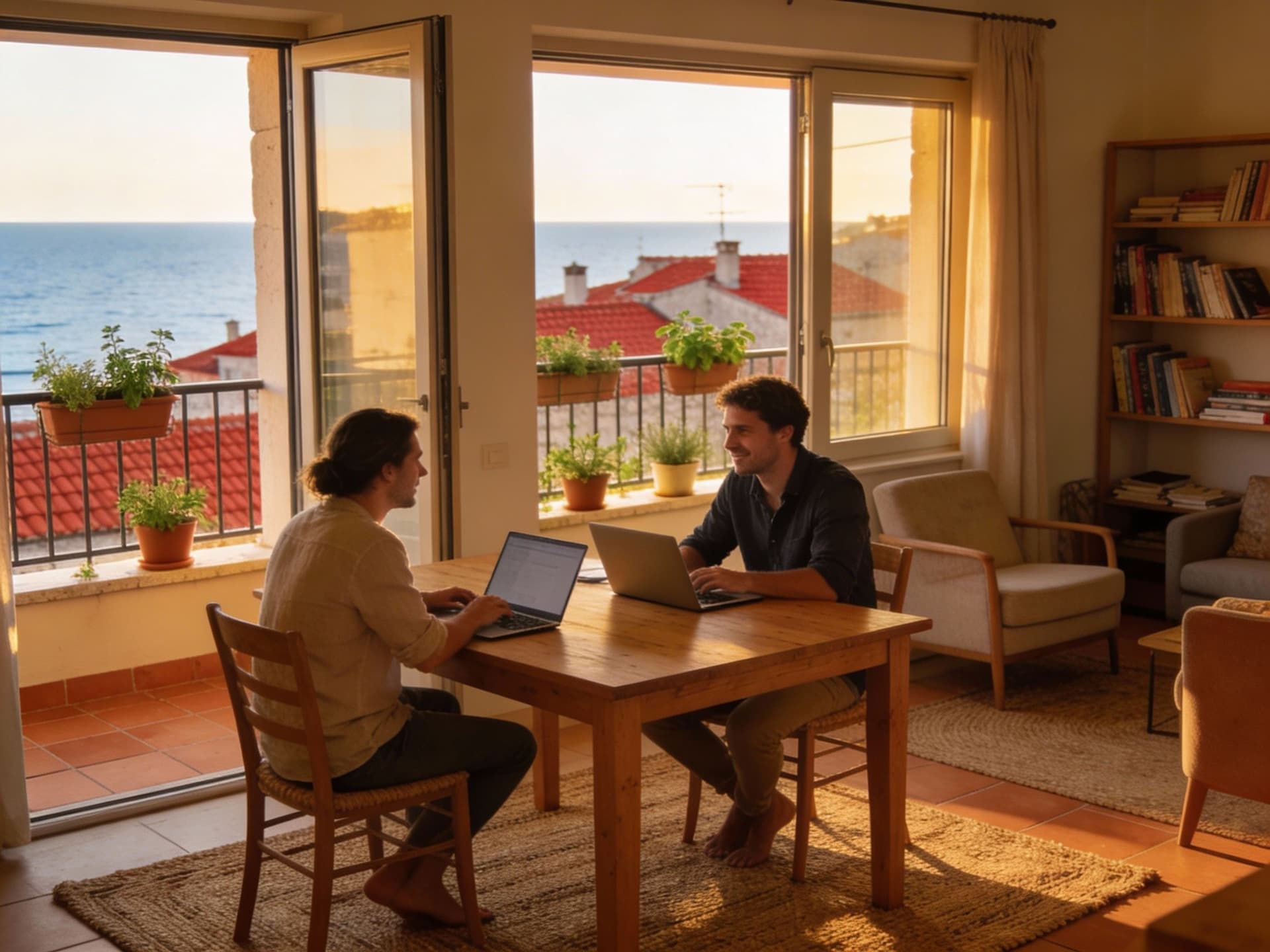
Croatia is stitched from coastal charm and quiet continental towns. Mornings mean markets piled with pomegranates and sea-breeze espresso on stone squares; afternoons turn into kayak trips around islets or laptop hours in bright coworking spaces in Zagreb. The tempo is seasonal—coastlines hum in summer and soften in winter—so how you want to live (beach office vs. year-round town) should shape your legal checks and property choices.
Neighborhood pulse: Dalmatian coast vs. Istria vs. Zagreb
Each region has a personality. Dubrovnik’s Old Town is cinematic but tightly regulated and seasonal; Split’s Veli Varos and Diocletian Quarter mix café life with easy ferry hops; Rovinj and Poreč in Istria feel more Italianate—olive groves, slow-food markets and expat enclaves. Zagreb neighborhoods like Špansko, Jarun or the lively Tkalčićeva promise year-round amenities and reliable broadband—key for nomads.
Food, rhythms and weekend rituals
Weekends are market days—Dolac in Zagreb, Pazar in Rijeka—or island escapes to Brač’s Zlatni Rat. Dinner leans local: grilled fish, štrukli in Zagreb, truffles in Istria. Community life often centers on small konobas (family taverns) and seasonal festivals, which means your property search should include checks on access during high season and utility resilience for year-round living.
- Lifestyle highlights to scout in person
Look for: morning markets (Dolac, Split’s Pazar), coworking hubs (Zagreb’s HUB385, Split coworking spaces), beach access within a 10–20 minute walk, ferry connections for island life, and small grocery markets that stay open year-round.
Making the move: practical considerations
Dreams meet paperwork at the notary. Two headline realities: if a sale is subject to VAT (new builds / construction land) VAT usually replaces transfer tax; otherwise buyers pay the Real Estate Transfer Tax (3%). Plan for tax, notary and local municipality fees—these are not optional extras and they vary depending on whether you’re buying new, resale or building land.
Property types and what they mean for due diligence
Renovated stone houses, new apartments, building lots—each brings a different set of checks. New builds may be VAT-liable (25%) and require developer warranties; historic stone houses may need structural surveys and utility upgrades. For land, confirm zoning and permitted uses at the local municipality—what’s allowed today can change your plan from a weekend escape to a long, costly permit fight.
Working with local experts who actually get nomads
- 1. Hire a Croatian solicitor fluent in English and familiar with coastal property. 2. Ask for a full land registry (ZK) extract and check for encumbrances. 3. Get an up-to-date cadastral plan and utility maps. 4. Insist on a notary who will submit documents to the Tax Administration and register the title.
- Why these matter: a solicitor spots title irregularities, the ZK extract shows mortgages or disputes, cadastral checks prevent buying the wrong plot, and a notary ties the whole legal transfer together.
Insider knowledge: what expats wish they'd known
Prices have moved fast in popular counties (Istria, Split-Dalmatia, Dubrovnik-Neretva), so timing matters. But a hot market doesn't remove the need for slow due diligence. I know buyers who fell for a seafront façade then discovered shared access rights and steep maintenance levies—issues that a targeted title search would have revealed.
Cultural quirks that change how you use a property
Neighbours matter. In small coastal towns, long-standing family access to paths, shared cisterns, or community moorings are common but sometimes informal. Ask locals—talk to the café owner on the corner—and get these rights written into deeds or explicit easements during negotiation.
Red flags that should stop you in your tracks
- Unclear boundaries in the ZK extract; missing permits for alterations; inconsistent seller IDs in registry vs. contract; utilities unconnected for months (common in island properties); new-builds offered at suspiciously low prices without VAT paperwork.
- 1. Request original title documents and ZK extract. 2. Commission an independent structural survey. 3. Confirm VAT status—new build or resale—before calculating taxes. 4. Ask the notary to confirm who pays what and to register the tax declaration on your behalf. 5. Get written easements for beach access, parking or moorings if they’re promised informally.
Special note on foreigners buying in Croatia
EU citizens generally have the same buying rights as Croatians. Non‑EU buyers may need permission from Croatian authorities based on reciprocity rules—your solicitor will know if this applies and can request approvals. Always confirm whether a transaction should include VAT (new builds) or the 3% transfer tax—this changes your upfront costs drastically.
When the paperwork is done, Croatia delivers: late sunsets over pebble beaches, local neighbours who’ll bring you figs, markets that feel like weekly celebrations. But the best way to preserve that lifestyle is to pair your love-of-place with meticulous checks—title, taxes, permits, and people who speak English and law.
- Quick due-diligence checklist before you sign
- 1. Verify ZK extract and cadastral plan. 2. Confirm VAT vs. transfer tax liability (3% if not VAT-liable). See gov.hr for rules. 3. Check for mortgages, liens or easements. 4. Secure a written agreement on who pays brokerage, notary and tax fees. 5. Commission a structural and utilities survey.
Next steps: book a lawyer who will order the ZK extract, a notary who will lodge tax declarations, and a local agent who knows the neighbourhood rhythm. When you do this, you’re not losing the romance—you’re protecting it.
Conclusion: fall in love fast, close cautiously. Croatia rewards those who pair curiosity—island coffees, market strolls, blue‑hour swims—with careful, local legal checks. Start with a short scouting trip, talk to neighbors, and line up your solicitor and notary before you make an offer.
Norwegian who has helped 200+ families relocate from Oslo to Spain; expert in relocation services and community integration.