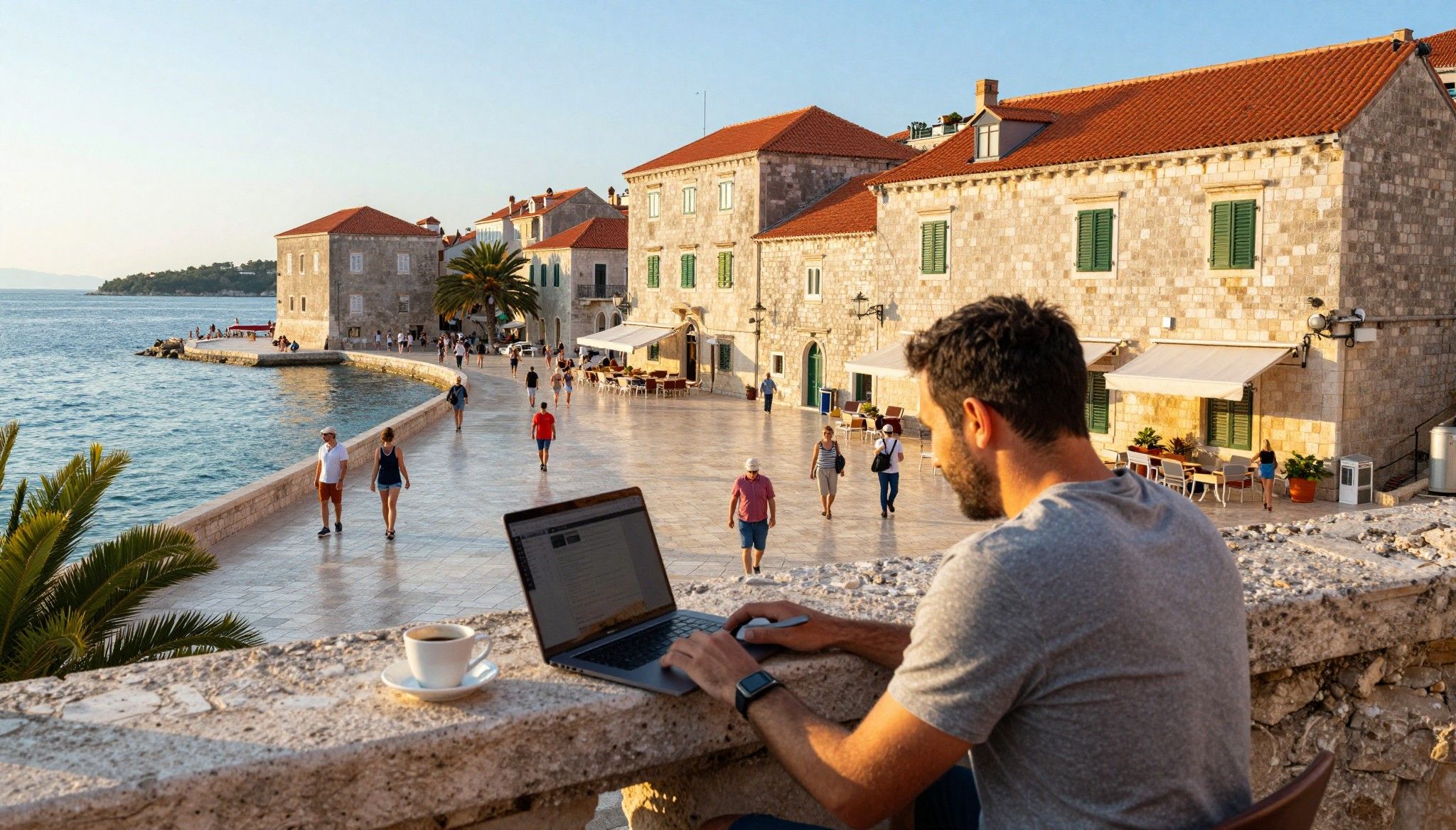
Why Greece’s Neighbourhood Mood Matters More Than Price
Fall for Greece’s street-level life — then check broadband, building certificates and seasonality. City-coast choices hinge on lifestyle needs and local market shifts.
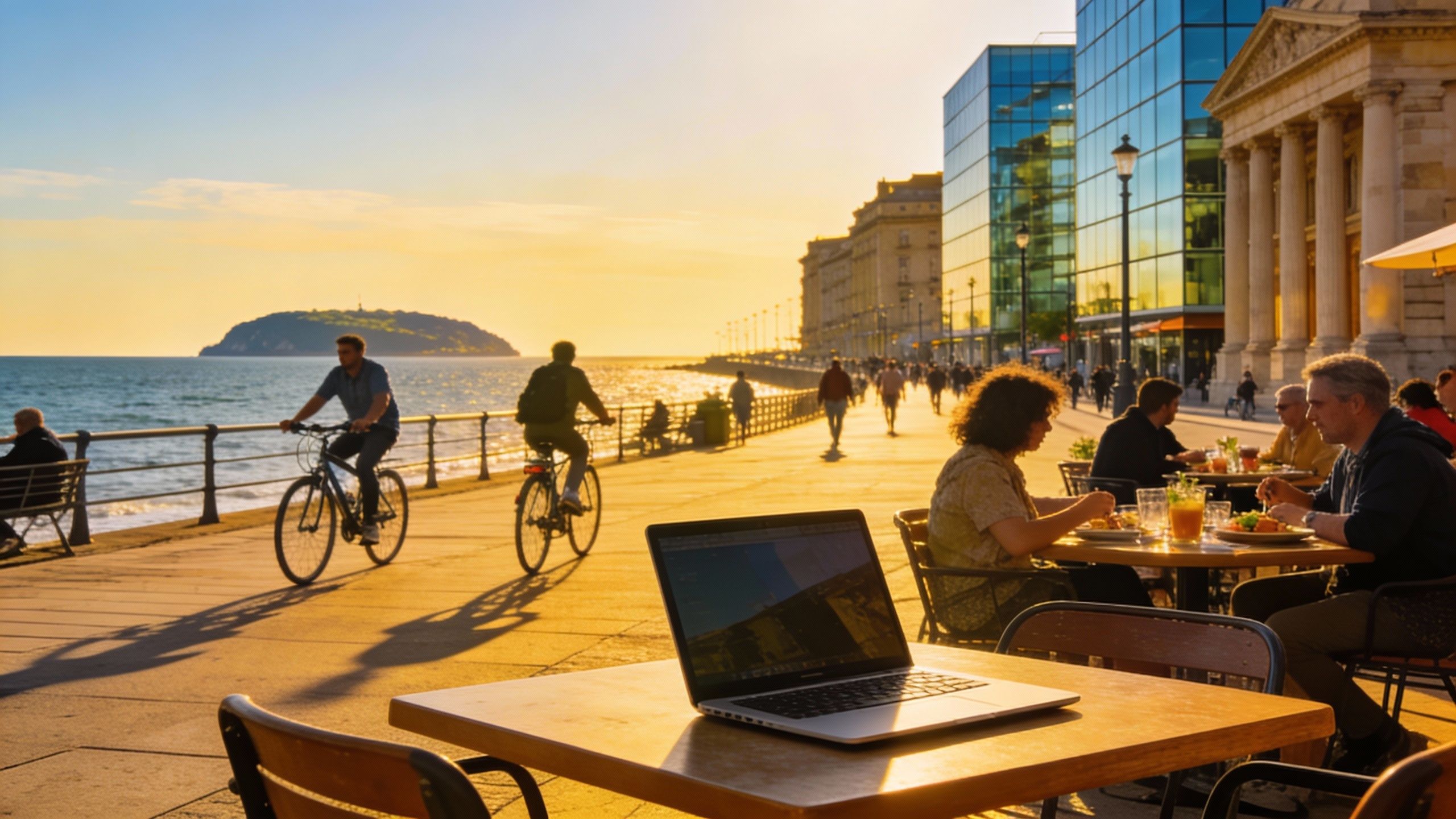
Imagine sipping an espresso at a sun-warmed kafeneio in Koukaki, then hopping the tram for a sunset swim along the Athens Riviera. Greece moves at a rhythm that blends island calm with city sparks — tectonic ancient history beneath a modern, digital-nomad beat. But lifestyle headlines and glossy photos hide real tradeoffs. Recent market analysis shows big coastal developments and rising city demand are reshaping where expats should look — and when.
Living the Greece lifestyle
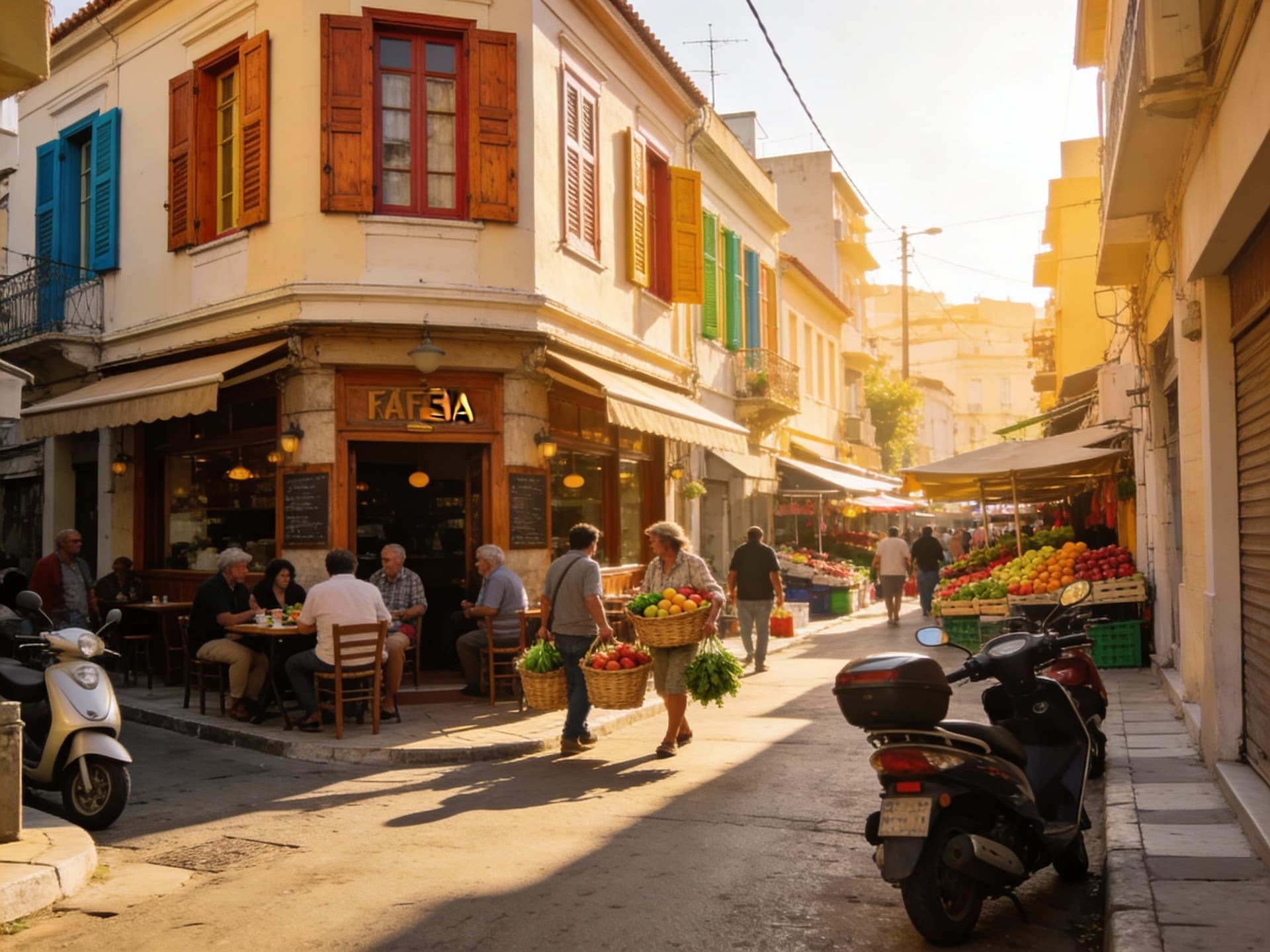
Days in Greece feel built around movement: morning markets, long lunches, late-night promenades. In Athens you’ll trade narrow, sunlit streets for rooftop bars; on the islands it’s barefoot mornings and tavernas that know your order. The country’s house price index has climbed steadily in recent years, reflecting renewed buyer interest in both city flats and coastal homes — but the story isn’t uniform. City-centre pockets and new Riviera supply are driving different price dynamics.
Athens: neighbourhoods that actually feel lived-in
Koukaki: tapas-sized streets with coffee shops and coworking nooks. Kolonaki: polished boutiques and sunset Lycabettus strolls. Gazi and Kerameikos: creative scenes, late-night crowd, excellent for young nomads. The Athens Riviera — from Palaio Faliro to Vouliagmeni and the new Ellinikon development — is fast becoming the coastal extension for city life, attracting buyers who want beach access without island logistics. These places are not identical; each has distinct rhythms and price points influenced by developments like Ellinikon.
Islands vs cities: how the vibe changes
Choose islands for a slower, outdoors-first life — think Paros or Naxos for community beaches and local markets — or choose Thessaloniki and Athens for cafés, cultural calendars, and better year-round services. Islands are glorious in summer and quiet (sometimes too quiet) in winter; Athens and Thessaloniki offer steady rhythms and real infrastructure that matter if you’re working remotely full-time.
- Lifestyle highlights: strollable favourites and hidden gems
- Koukaki’s Anafiotika slope views and small kafeneia
- Kolonaki’s boutique-lined Voukourestiou Street and Lycabettus walks
- Gazi’s creative hub, galleries and late-night tavernas
Making the move: practical considerations that protect the lifestyle
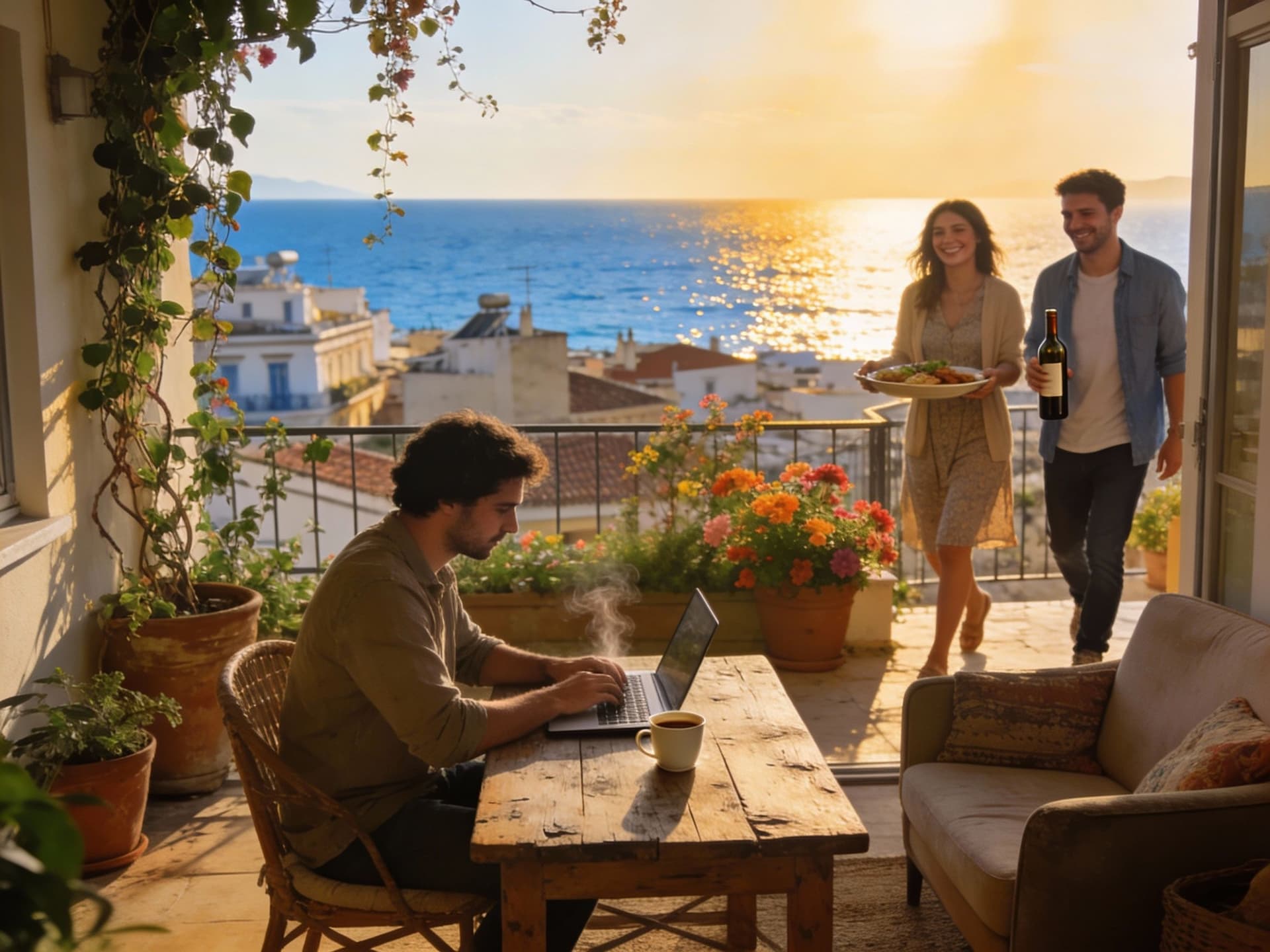
Lifestyle is only sustainable if your apartment doubles as a reliable office. Greece’s fixed and mobile broadband have improved; in many urban areas you’ll find comfortable speeds for video calls and cloud work. But connectivity varies by island and older buildings in historic districts may need fibre retrofitting. Match your housing choice to your daily work needs before falling for the postcard view.
Property styles and how you’ll actually live in them
A stone Cycladic village house gives you sunsets and character but often requires renovation and insulation work. A modern Athens apartment gives central access, fibre options, and services — but smaller terraces. New Riviera builds bring amenities and resale liquidity, often at a premium. Think through daily routines: do you need a home office, a terrace for morning calls, or easy access to an international airport?
Working with local experts who know the lifestyle
A local agent who lives in the neighbourhood is your lifestyle translator. They’ll tell you the best cafe for reliable Wi‑Fi (not just the prettiest one), whether a building has constant water pressure, and which streets flood in heavy rains. Ask agents about community rhythm: market days, school traffic, seasonal rental patterns — these shape living reality and long-term value.
- Steps to match lifestyle and property (quick checklist)
- 1. Prioritise: office setup, commute, outdoor access.
- 2. Verify broadband at the exact address and building entrance.
- 3. Ask neighbours (or agents) about water, heat, and seasonal noise.
Insider knowledge: what expats wish they’d known
Expats often romanticise island silence and forget winter logistics. Locals adapt to slow civic seasons; shops shutter in January in small islands and spring brings life back. Thessaloniki’s recent infrastructure improvements show how transport upgrades change neighbourhood livability — and long-term property appeal — in ways tourists don’t see.
Cultural integration and everyday social life
Learn basic Greek phrases — shopkeepers appreciate it and it opens doors. Weekend social life often centres around food and community gatherings: join a local market, a yacht club, or a language-exchange meetup. Small gestures — punctuality at appointments, respecting quiet hours in apartment buildings — go a long way when you’re the new person in a close-knit street.
Long-term lifestyle and property realities
Buying in Greece is as much about rhythm as structure. Expect seasonality in rental income if you plan to rent, slower markets in winter on islands, and a growing appetite for integrated city‑coast living around Athens. Factor in renovation timelines, permit speeds, and community acceptance when planning an adaptive lifestyle property.
- Red flags and practical checks before you fall in love
- No verified building electrical certificate — old wiring is costly to fix
- Unclear water supply or seasonal shortages on islands
- Properties inside big planned developments promise amenities but factor in construction timelines and community impact
We’ve shown you the rhythms — now a short playbook. Start by narrowing neighbourhoods by daily life needs (coffee-to-office time, parks, schools). Visit in two seasons if possible: high summer and shoulder season reveal different truths. Use a local agent who lives where you want to live. Finally, test your daily commute and Wi‑Fi from the property before committing.
Conclusion: Greece gives you a life that feels both epic and homey. Whether you want the cobbled intimacy of Koukaki, the polished pulse of Kolonaki, the creative edges of Gazi, or the sea-scented calm of the Riviera, match the mood to your work and daily needs. Book seasonal visits, check connectivity and building certificates, and let a neighbourhood-savvy agent translate the lifestyle into a realistic purchase plan. You’ll buy more than a house — you’ll buy a new tempo of life.
British expat who moved from Manchester to Mallorca in 2017. Specializes in market analysis and helping fellow Brit navigate local regulations.