Croatia's Quiet Title Traps and How to Spot Them
Croatia’s charm hides legal traps; check both the court land register and the State cadastre, budget for transfer taxes, and hire a lawyer + geodetic engineer before buying.
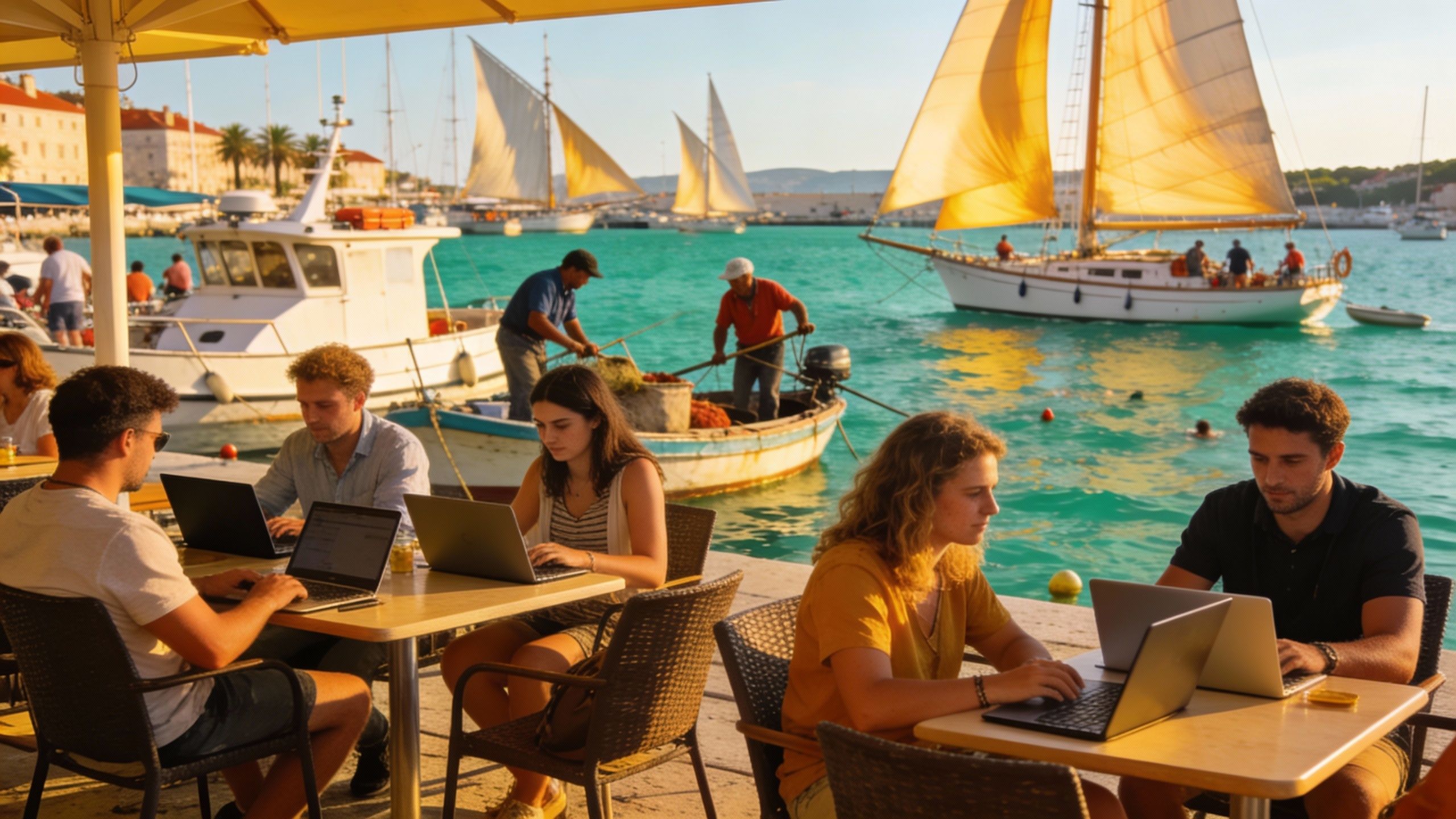
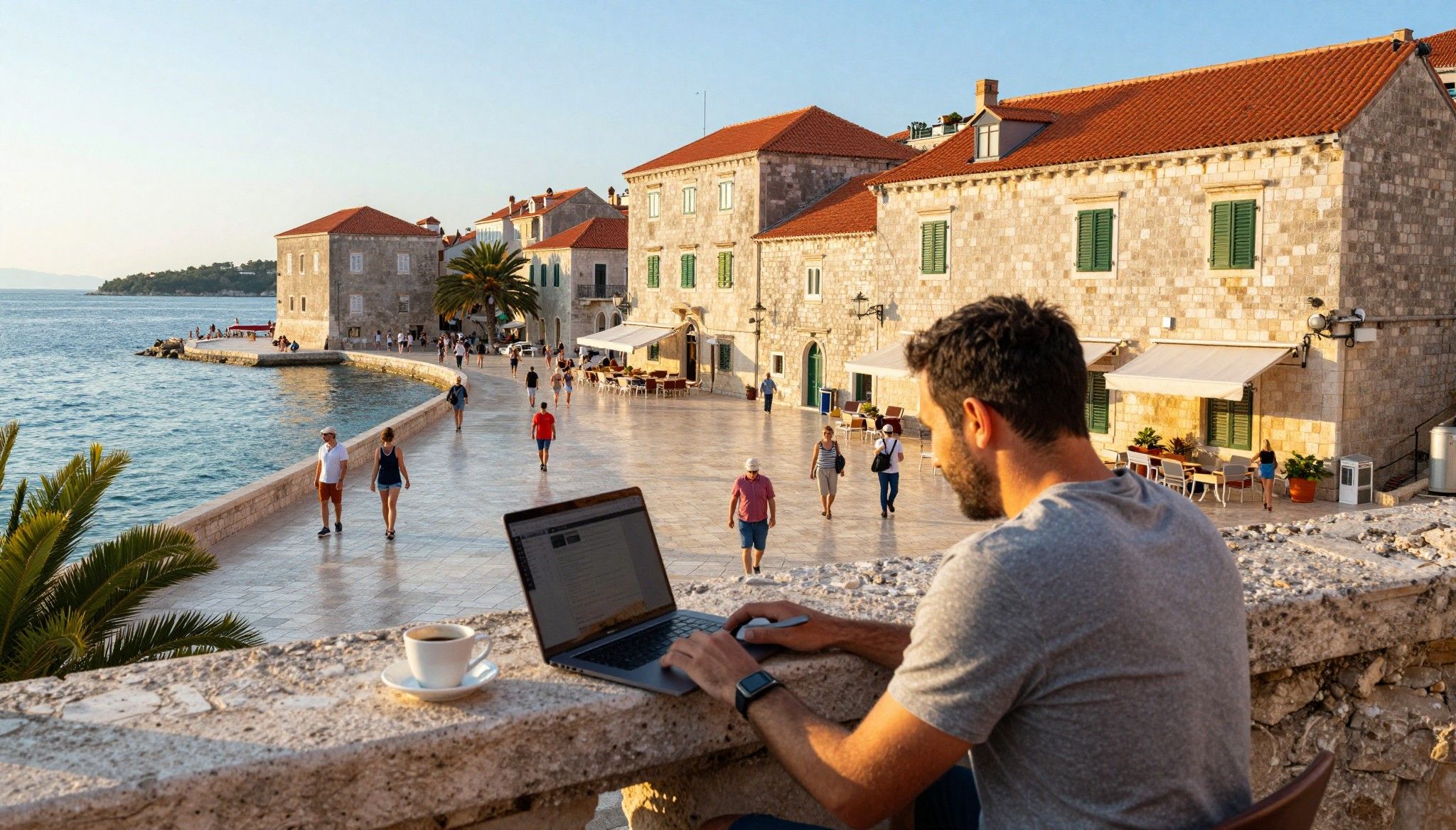
Imagine sipping espresso on Split’s Riva at 8 a.m., then closing a client meeting from a sunny apartment balcony overlooking the Adriatic. Croatia moves slowly in a charming way — summer streets hum with seafood markets, winter mornings smell of pine and wood smoke, and villages like Rovinj and Trogir keep their medieval rhythms. But beneath that postcard calm are paperwork tightropes that can turn a daydream into a headache if you skip the right legal checks.
Living Croatia: the rhythm, the taste, the neighbourhoods
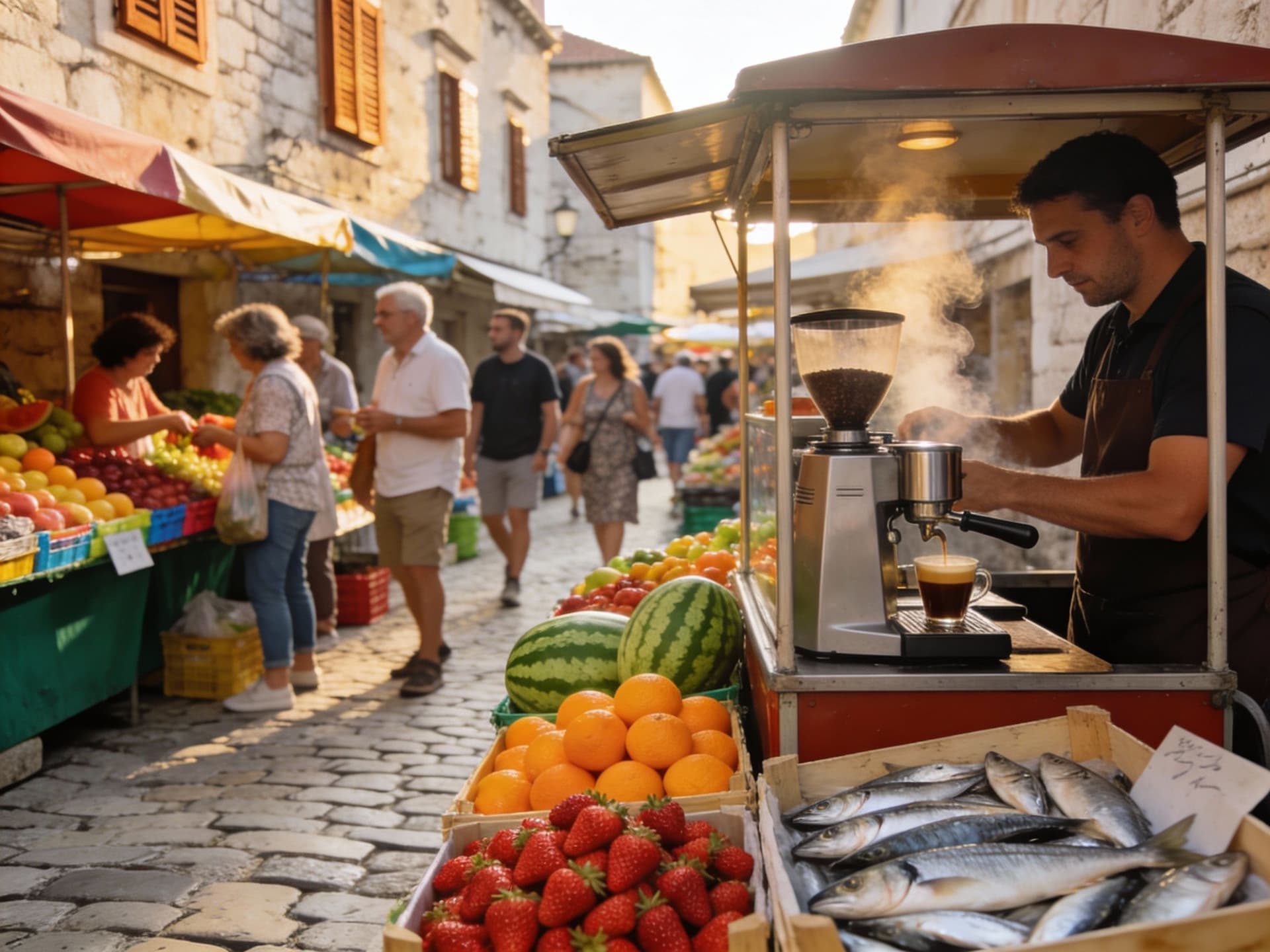
Croatia’s lifestyle is layered: coastal towns are Mediterranean — late breakfasts, aperitivo culture, boats on the horizon — while inland cities like Zagreb mix café coworking with weekend hikes in Medvednica. Morning markets (e.g., Dolac in Zagreb or Pazar in Split) set the tone for local life: fresh figs, cheeses, and bakers with fragrant burek. If you want sun, sea and a friendly local scene, Dalmatian islands like Hvar and Korcula deliver; if you prefer a year-round digital-nomad hub with stronger services, look to Split’s Varoš or Zagreb’s Dolac and Britanski trg pockets.
Spots where locals actually live — and why that matters for buyers
Locals cluster in neighbourhoods that balance daily needs with character: Varoš in Split for narrow stone streets and morning coffee by the cathedral; Špansko and Maksimir in Zagreb for leafy parks and family life; Pula’s Veruda for quieter coastal living with an authentic fishing-town vibe. Buying where locals live usually means steadier community ties, better long-term rental prospects, and fewer tourist-season shocks — but it also means checking title complexity carefully. Many of these older areas have layered ownership histories that only a proper land-register check will untangle.
Food, festivals and the seasons that change everything
Plan house-hunting around experiences: truffle fairs in Istria (autumn) reveal countryside life; Split’s carnival and summer festas show you how the town breathes at peak season; winter in Zagreb brings warm cafés and lower asking prices. Seasonal shifts affect not just vibe but practicalities — occupancy rules, rental demand, and even local municipal tax assessments — so visit in more than one season before you sign.
Making the move: practical checks that save money and grief

Dreams meet reality at the land register and cadastre. Croatia uses two complementary systems — the court-run land register (zemljišna knjiga) for ownership/title and the State Geodetic Administration cadastre (katastar) for technical parcel data — and you need checks in both. Skipping either is how buyers inherit surprises: unregistered servitudes, boundary disputes, or unrecorded mortgage entries that surface when you try to register ownership.
Key property checks: title, cadastre and the tiny details
Start with a title search at the relevant municipal court to confirm current owner(s), mortgages, liens and easements. Cross-check parcel boundaries and built-footprint against the State Geodetic Administration’s cadastre. Ask for the possession list (posjedovni list) and the land registry extract (izvadak iz zemljišne knjige). A local notary or lawyer will request these and highlight mismatches — for example, an illegal extension that exists on the ground but isn’t in the cadastre, or an old inheritance claim that never got registered.
Bulletproof your buy: lifestyle-minded due-diligence checklist
- Order a title extract from the land register and a cadastral map printout — compare boundaries in person.
- Insist on recent building permits and 'use' certificates for any renovations — older stone homes often have retrofitted additions without permits.
- Check municipal plans (prostorni plan) for upcoming zoning or coastal-protection rules that could affect future builds or terraces.
- Confirm utility connections, sewage, and access roads — remote coves and islands sometimes have informal track access that the cadastre doesn’t reflect.
- Ask about short‑term rental rules and local taxes: some municipalities now exempt long-term rentals from property tax, impacting seasonal rental economics.
Insider knowledge: taxes, timing and the contrarian move
You’ve heard Croatia is ‘cheap’ compared to Western Europe — partly true, but recent policy changes target vacant and tourist-stock properties and tilt taxation toward property ownership. That means coastal bargains are rarer, and inland surprises (unfinished titles, legacy servitudes) can wipe out perceived savings. Contrarian tip: we’ve seen savvy buyers price-hunt in smaller inland towns and rehabilitate Yugoslav-era stone houses — better value, strong community vibes, and fewer tourist-season headaches.
Working with experts who protect your lifestyle vision
- Hire a Croatian lawyer with property experience to check the land register and cadastre, translate documents, and draft the preliminary purchase contract (predugovor).
- Get a licensed geodetic engineer to match the cadastral plan to the physical property — essential for older coastal homes with disputed boundaries.
- Insist on notarised contracts and clear escrow arrangements; use bank transfers, not large cash payments, to avoid anti‑money‑laundering pitfalls.
- Plan for taxes and fees: transfer tax (usually 3% for resales), VAT on new builds, registration fees and legal costs — budget 5–10% of price for typical transactions.
What expats wish they'd known: local quirks that affect ownership
Many foreigners underestimate small-but-critical items: utilities registered under a neighbour’s name, shared driveways without legal servitude, or holiday-home taxes introduced in 2025 that change operating costs. Talk to neighbours, spend a week in the building, and check municipal notices. A good agent doesn’t just sell you a view — they connect you to a notary, a geodetic engineer, and a local baker who’ll tell you what the street is really like.
Closing the deal without losing the lifestyle
- Use a two-stage payment: deposit with a preliminary contract, then final payment and registration only after title clearance.
- Confirm post-sale handover details in writing: keys, utility transfers, shared-areas condition, and any furnishings included.
- Register the purchase promptly with the land register and cadastre to prevent intermediate claims; your lawyer or notary usually handles submission.
Buying in Croatia is part romance, part paperwork. Do the small, tedious checks — title, cadastre match, permits, and local rules — and you’ll unlock a life of seaside coffees, market mornings and island weekends. Start with a local legal and geodetic team, visit across seasons, and budget for the taxes and fees that protect your ownership. When you get this right, Croatia repays you with a daily life that's both slow and spectacular.
British expat who moved from Manchester to Mallorca in 2017. Specializes in market analysis and helping fellow Brit navigate local regulations.