Terrace Life, Clean Title: Croatia Due‑Diligence Map
Fall in love with Croatia’s coastal rhythms—but protect that romance with a concrete due‑diligence checklist: land register, permits, ministry consent, VAT vs transfer tax and local quirks.
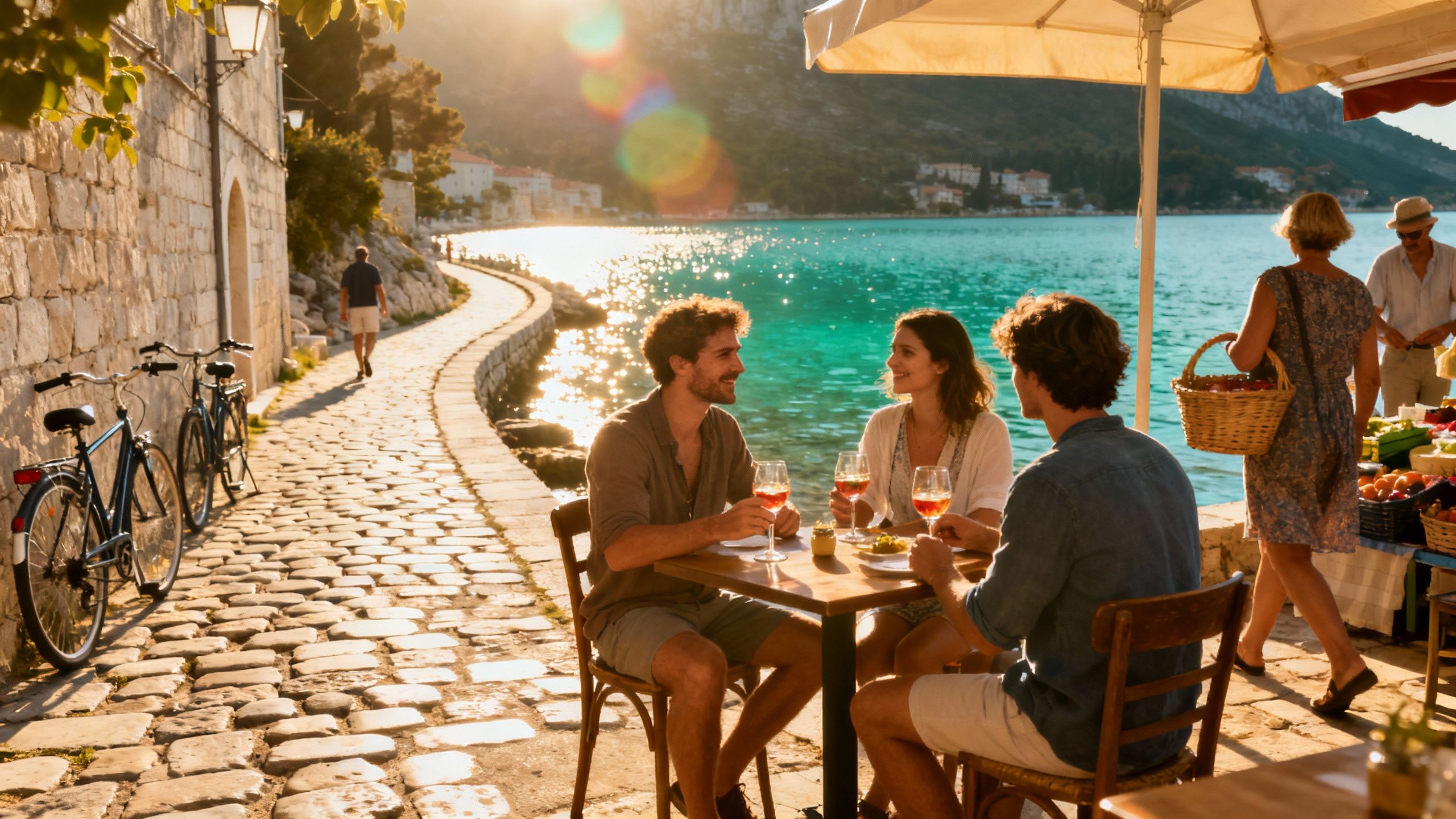
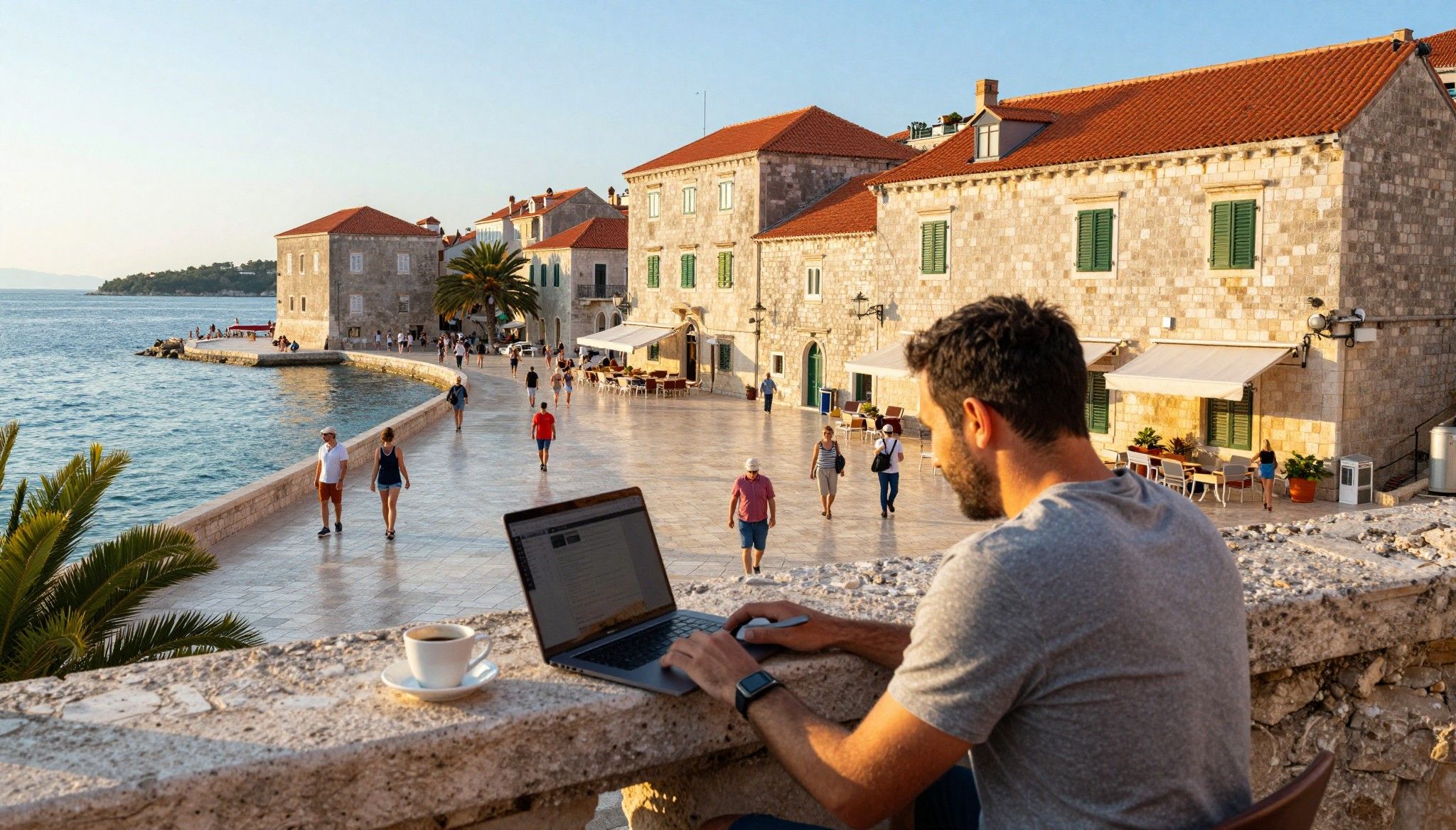
Imagine stepping out at dawn to buy a fresh burek in Split’s Varoš, then opening your laptop on a shaded terrace overlooking the Adriatic. Croatia moves at a golden-hour rhythm: espresso in narrow stone streets, afternoon swims off pebble beaches, and evenings that smell like grilled fish and pine. But the romance has paperwork—land registers, ministry permissions for some nationals, notaries who translate not just documents but local logic. This guide pairs that sunlit daydream with the exact legal checks you need so you don’t wake up to a title dispute instead of that sea view.
Living Croatian Days: coastal mornings, community nights
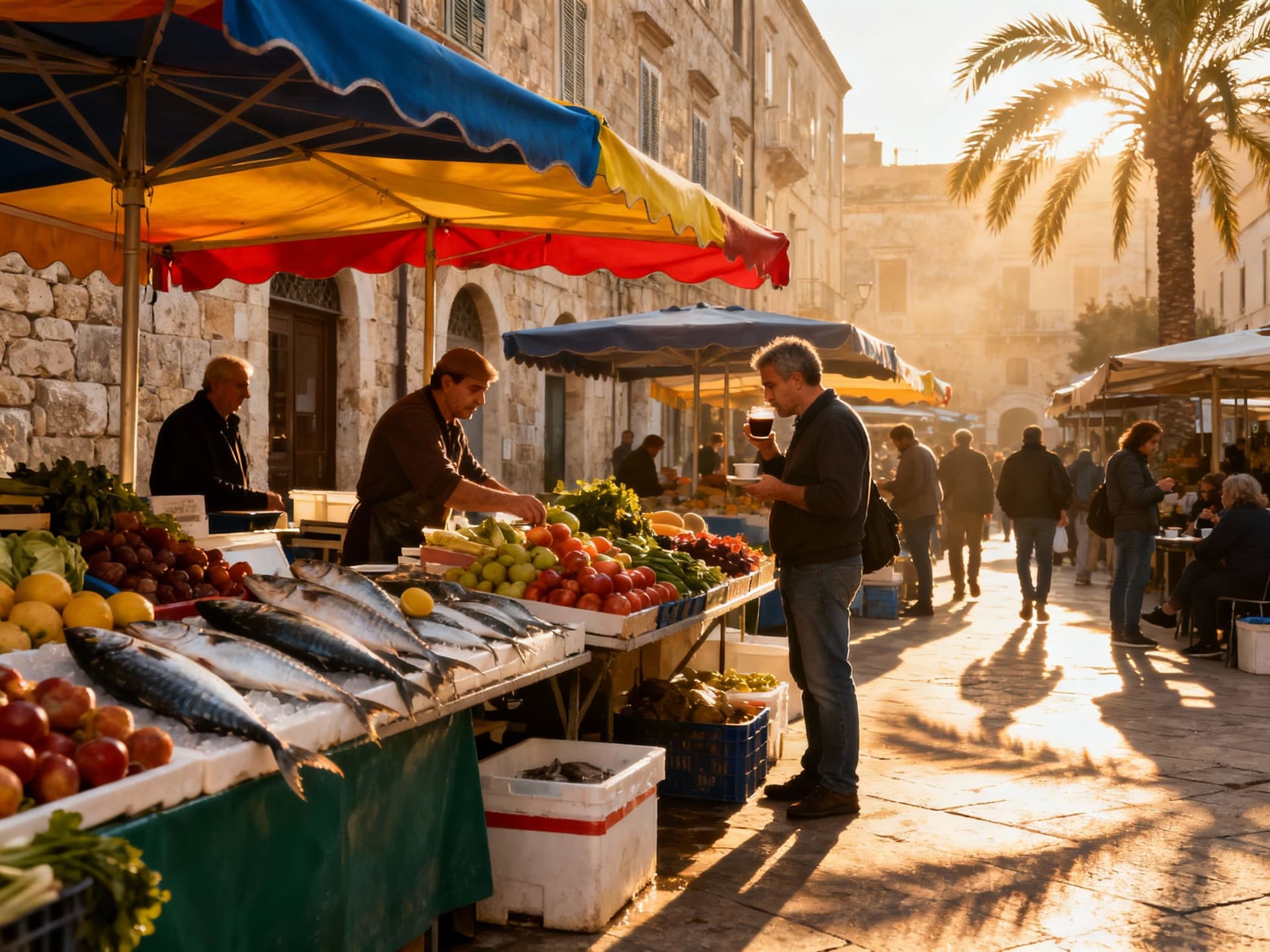
Croatia’s lifestyle pivots between Adriatic towns and inland calm. Picture Dubrovnik’s old stone alleys humming with tourists in summer, Rijeka’s creative labs and cafés, Split’s markets (Pazar) where fishmongers shout prices at 7 a.m., and Istria’s vineyards where weekends mean family feasts. Each place affects what you’ll want in a property: a small terrace in Hvar for sociable summers, thick stone walls in Korčula for cooler winters, or an apartment a short walk from Split’s Riva for daily café coworking.
Neighborhood flavors: Varoš, Sustipan, Old Towns and Harbourfronts
Walk Varoš in Split and you’ll find laundries, bakeries, and locals who know your coffee order by the second week. In Dubrovnik’s Old Town the streets pulse with seasonality—magical but busy; for quiet evenings look to Lapad or Gruž. Zadar’s waterfront (Kalelarga) gives you sunsets that compete with any cafe table view; in Zagreb, Tkalčićeva and Maksimir offer leafy days and a steady social mix. These micro-characters change not only your daily life but legal concerns: historic zones often have protected building rules and renovation permits.
Food, markets and coast: where lifestyle meets property choice
From morning fish auctions to evening konoba meals, the food scene is social currency. Choosing a property near a market like Split’s Pazar or Zagreb’s Dolac means fresh produce and neighborhood ties—but also noise and delivery trucks. If you crave weekday coworking and café culture, prioritize walkability and reliable internet over an extra bedroom; if weekend solitude and land are your thing, look inland toward Istria or continental villages where renovation rules and cadastral records are central to due diligence.
- Lifestyle highlights to map before you buy: - Morning espresso and craft bakeries on Vukovarska in Zagreb - Sunset swims off Bačvice beach, Split - Farmers’ stalls at Zadar Outdoor Market - Istrian wine tastings in Motovun and Rovinj - Local konoba dinners in Korčula - Coworking hubs in Split and Zagreb
Making the move: how lifestyle choices shape legal checks

That terrace with the best light might be yours—if the title is clean and the municipality will ever approve the renovation you dream of. In Croatia, lifestyle preferences (historic charm vs new-build convenience) directly change the legal checklist: protected heritage areas need conservation permits, coastal plots can be subject to spatial planning rules, and many island properties have tricky access and utility histories. Start with lifestyle first, then let legal due diligence confirm feasibility.
Property types and the checks they demand
Stone houses: verify construction permits and whether extensions were legalized. Apartments in new developments: confirm VAT vs transfer‑tax treatment and that the developer has delivered all occupancy permits. Plots: check cadastre, zoning plans, utility access and protected coastal setbacks. For any purchase, a land registry (zemljišna knjiga) extract and cadastral plan are non‑negotiable first steps.
Working with local experts who match your lifestyle
- Steps to blend lifestyle and legal safety: 1. Pick 2–3 neighbourhoods and visit morning and evening to sense daily rhythms. 2. Order a land registry extract and cadastral map to confirm ownership and boundaries. 3. Hire a bilingual Croatian lawyer to check encumbrances and, for non‑EU buyers, prepare Ministry consent applications. (EU/EEA buyers have fewer restrictions.) 4. Insist on a notary‑verified contract and obtain translations before signing. 5. Budget for VAT on new builds (25%) or 3% transfer tax on resales, plus legal and registry fees.
Insider knowledge: red flags and contrarian tips expats wish they’d known
Real talk: the most charming coastal stone house can hide decades of undocumented works or an old mortgage. Non‑EU buyers must factor ministry approvals and occasional months of waiting; EU citizens slide through faster. Also, watch recent tax changes aimed at curbing short‑term rentals—policy shifts can affect yields if you plan to rent seasonally. Local agents are invaluable, but pair them with an independent lawyer to avoid a too‑friendly echo chamber.
Cultural quirks that change how deals happen
Contracts can be written with Croatian legal phrasing that sounds formal but has specific obligations—don’t sign drafts in English without a certified translation. Deposits and pre‑contracts are common; they bind more here than in some markets. Also, sellers often expect a polite, personal approach: meeting a seller face‑to‑face or via a local agent can smooth negotiations in ways emails can’t.
Longer view: how life evolves after you buy
After you close, expect a slow, pleasant integration: neighbours will invite you for coffee, local clubs and markets will become daily anchors, and your property may gain value as infrastructure and tourism cycles evolve. But also expect bureaucracy: registering utilities, getting an OIB (personal ID number), and in some cases, waiting weeks for land registry updates. Plan for patience—and a translator or lawyer to fast‑track admin.
- Quick due‑diligence checklist before you sign: - Confirm seller’s name in the land register and check for mortgages or liens. - Verify building permits and occupancy (uporabna dozvola) for renovations or additions. - Ask for utility bills and municipal certificates (potvrda o komunalnoj) to confirm infrastructure. - Check zoning/spatial plan (prostorni plan) for future development risks. - For non‑EU buyers: verify reciprocity and prepare Ministry consent applications early. - If buying new: confirm VAT status with developer and see final completion certificates.
British expat who moved from Manchester to Mallorca in 2017. Specializes in market analysis and helping fellow Brit navigate local regulations.