Croatia Title Traps: Little Checks That Save Big
Fall for Croatia’s seaside life — but run targeted title, cadastre and VAT vs transfer‑tax checks first to avoid costly surprises and delays.
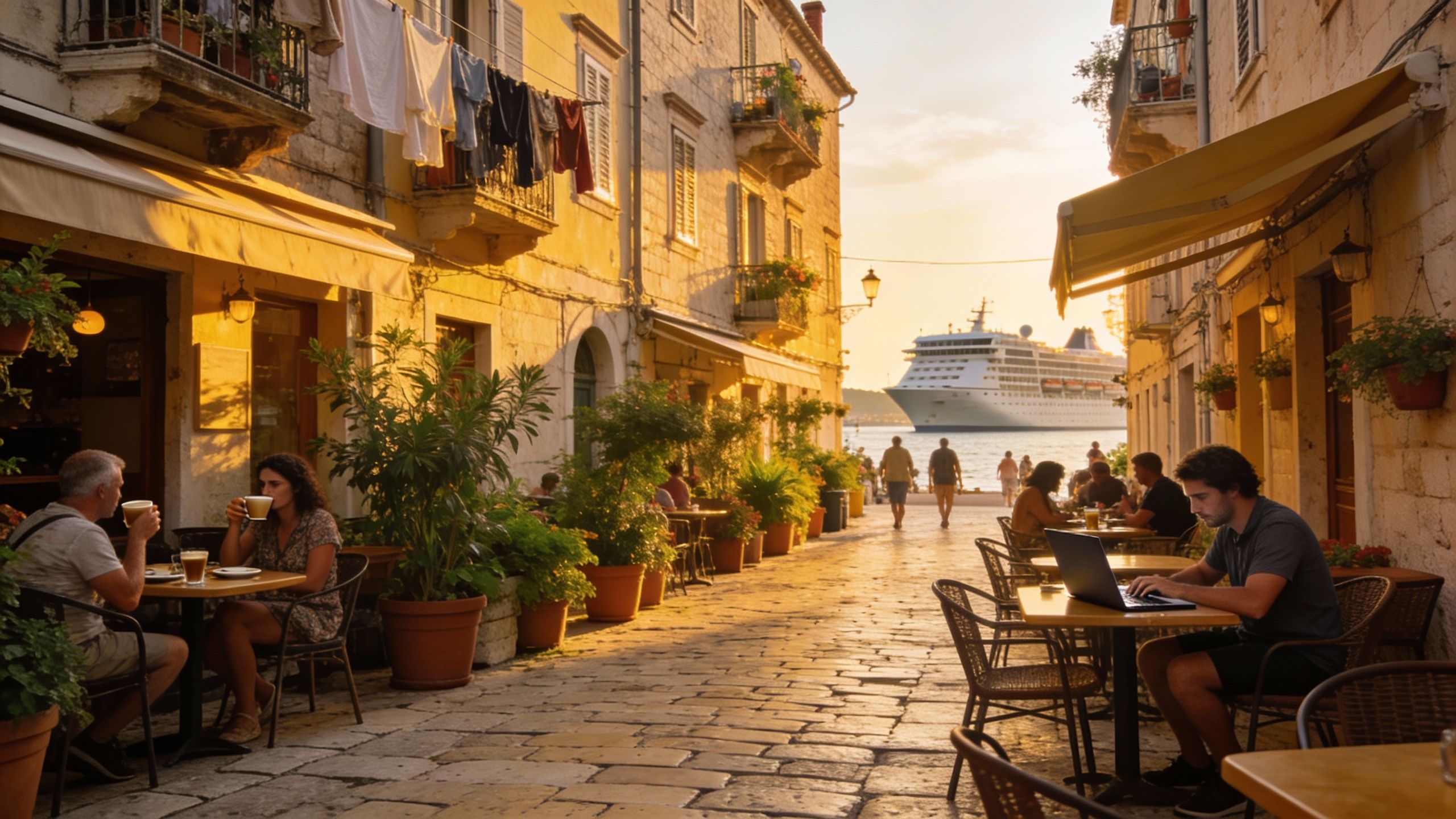
Imagine morning espresso on Split’s Riva, the sea glittering while a neighbor hangs drying sheets from a stone balcony. You’ve pictured island weekends, pebble beaches and quiet cobbled lanes in Korčula. But love at first sight can blind you to small legal snags that turn dreamy buys into months of paperwork. According to recent market analysis, Croatia’s evolving tax rules and title systems mean a few targeted checks now save huge headaches later. citeturn0news12
Living Croatia: The daily rhythms that sell the place
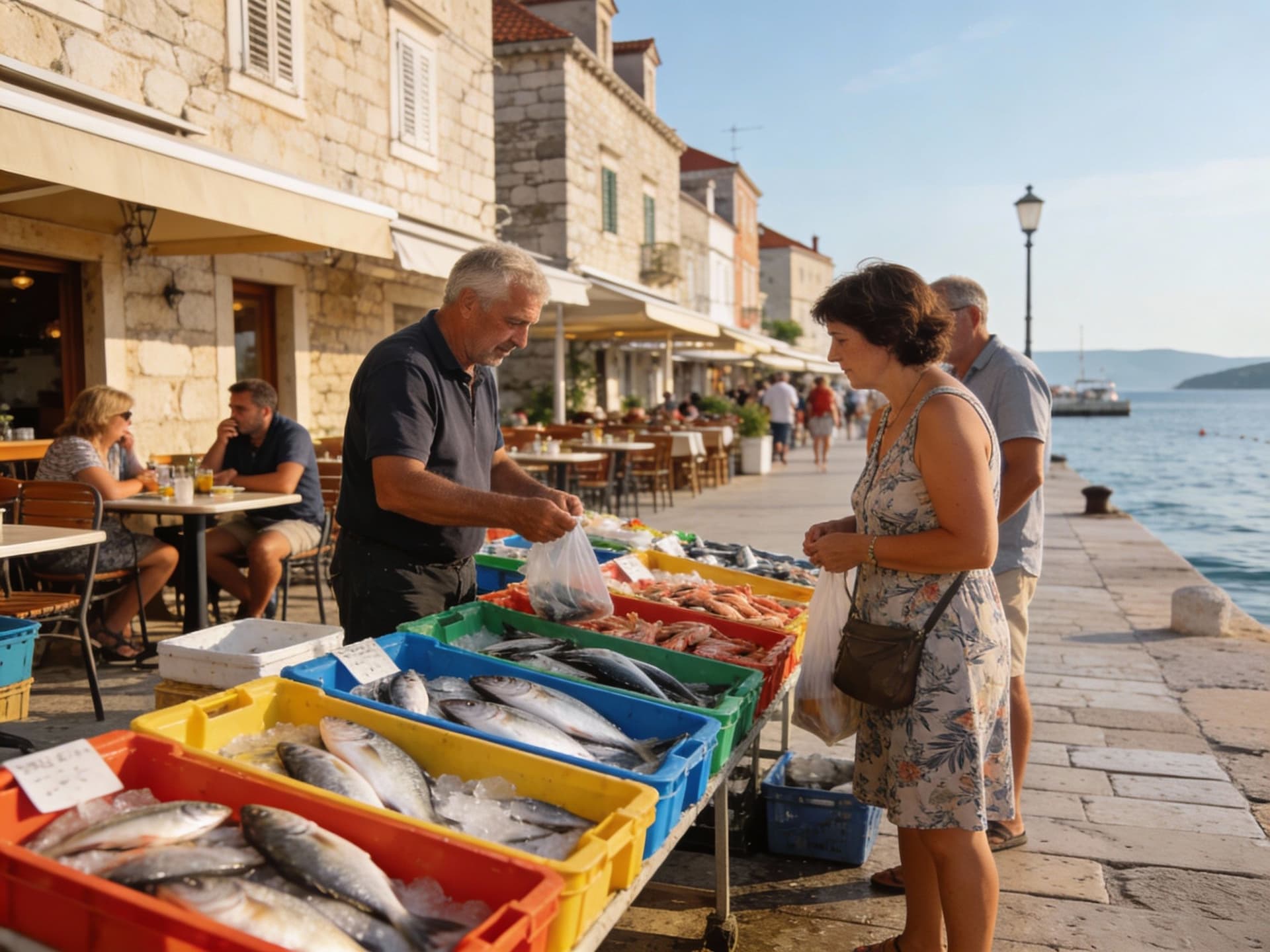
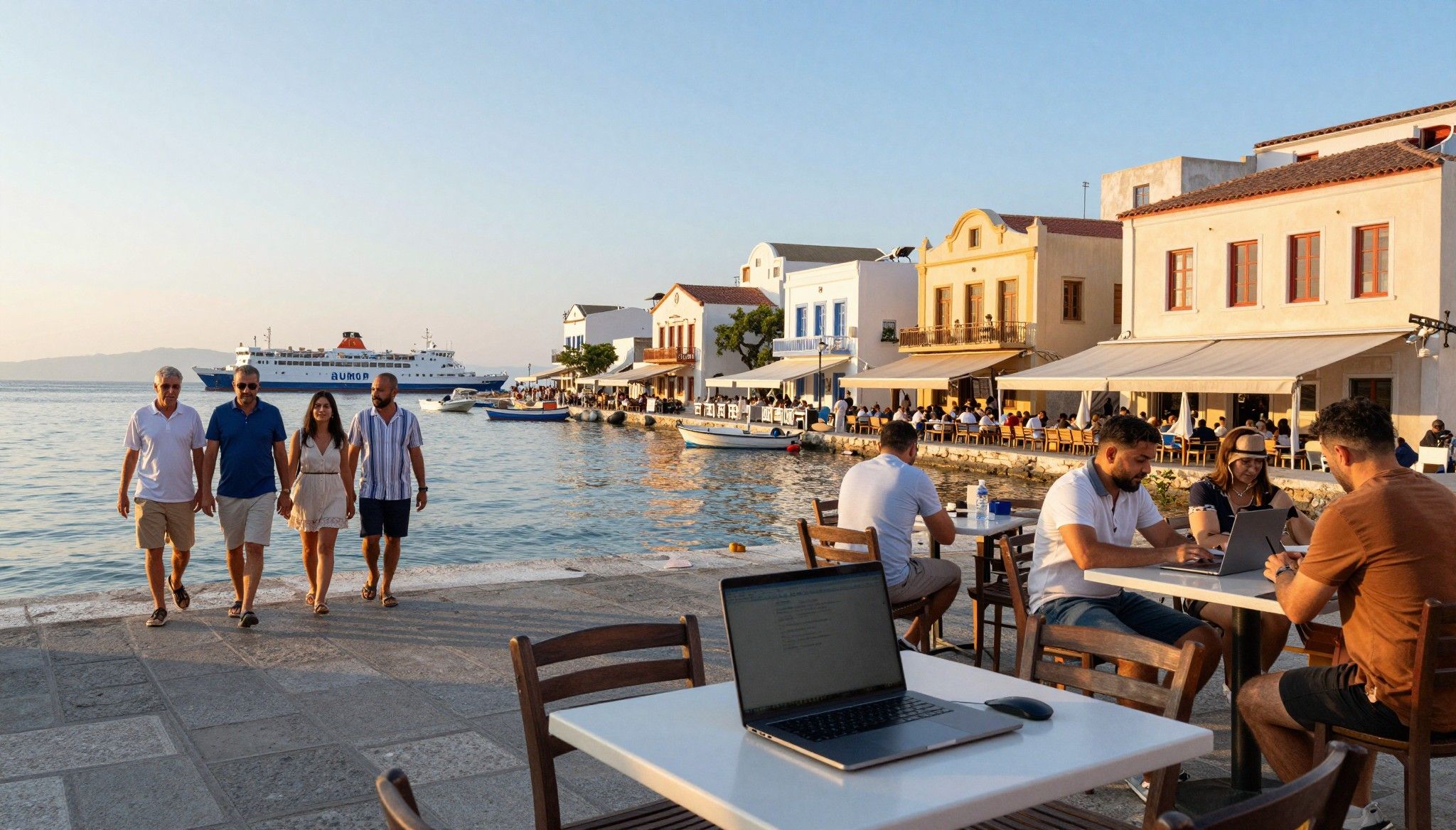
Croatia moves slowly and beautifully. Coastal towns wake early: fish markets hum, cafes open with freshly made burek and coffee culture reigns from Dubrovnik’s Ploče to Zadar’s riviera. Inland, olive groves and hilltop villages offer a quieter rhythm. These small daily patterns shape what you’ll need in a home — a ventilated kitchen for summer, shutters for sun, reliable internet for work. Remember: lifestyle wins are local, but taxes and registers are national, so plan both. citeturn0news12
Split & Diocletian’s district: seaside mornings, coworking afternoons
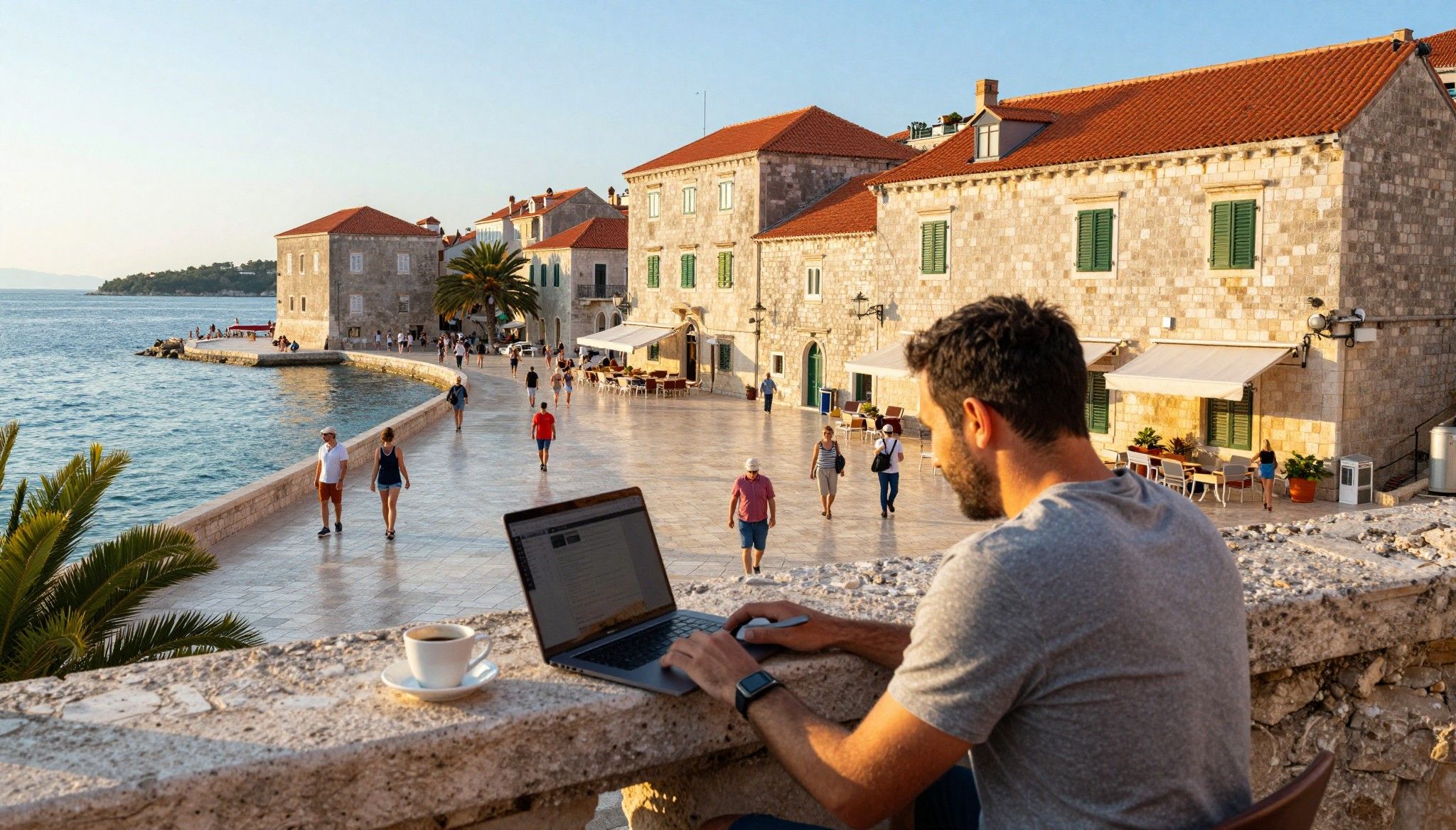
Walk from the palace to a café in five minutes. Split’s mix of ancient stone and modern cafés means apartments with terraces are gold for nomads. Expect narrow streets, lively markets like Pazar, and a growing coworking scene near the old town. For property-hunters: prioritize fiber availability, balcony shade and proximity to ferry lines — life here is outdoors, and your office should be, too.
Istria & Rovinj: slow-food culture and restoration projects
Istria’s hill towns and Rovinj’s painted facades lure restaurateurs and weekenders. Local markets brim with truffles, olive oil and small-batch wines. Stone houses here often need sympathetic restorations; that’s part of the charm — and the cost. If you dream of a restored home with a courtyard, budget for structural checks and historic-preservation rules that can limit changes.
Lifestyle checklist — little things that make life (and resale) better
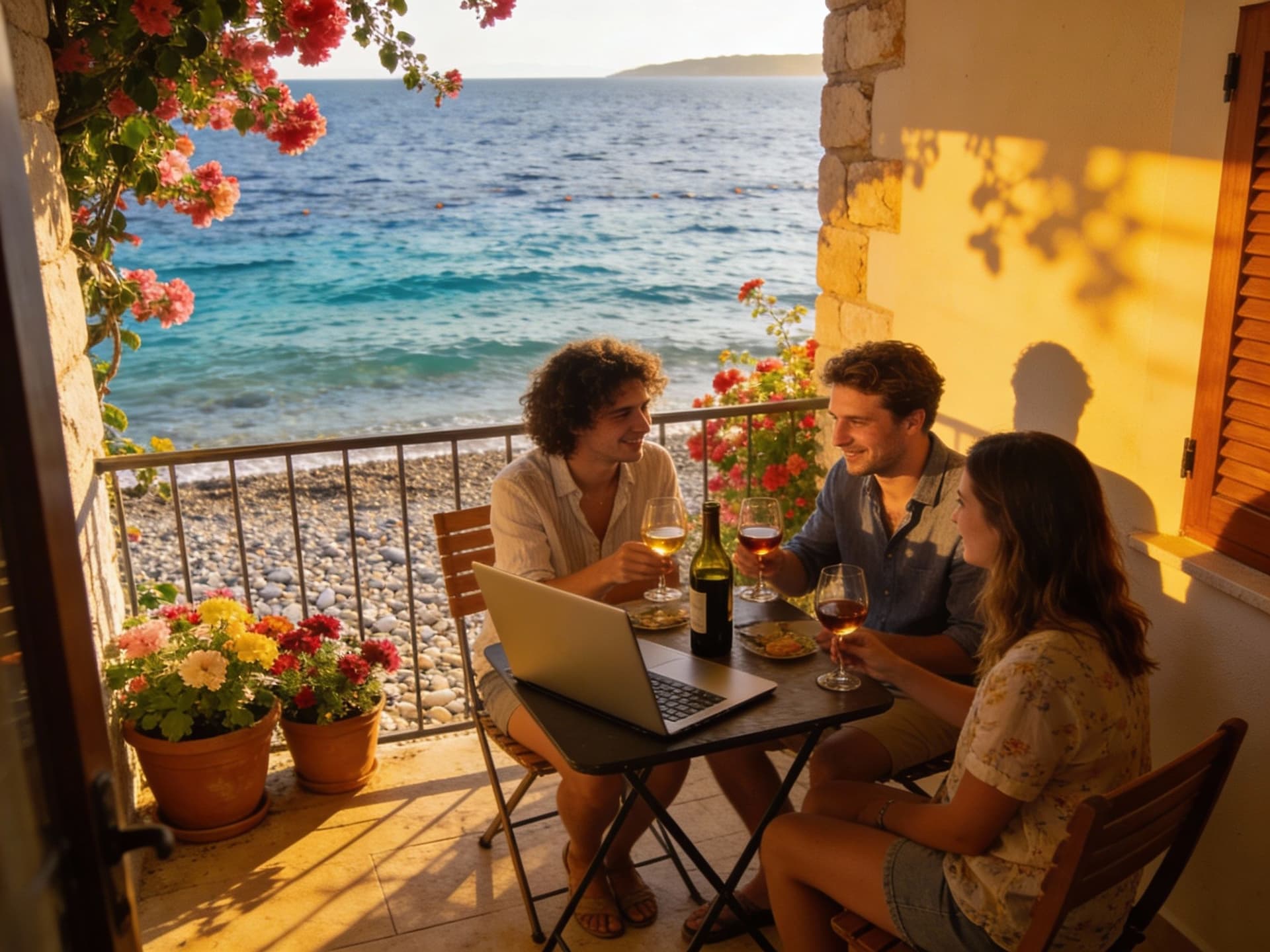
- Fast fiber or 4G backup — look up Hrvatski Telekom or local ISPs before offers.
- Terrace orientation — west-facing terraces burn in summer; can be cooling or costly.
- Local market access — morning fish/fruit market within walking distance changes weekends.
- Parking & seasonal access — coastal lanes get packed in July; think off-season usability.
Making the move: how the paperwork protects the lifestyle you bought
The paperwork in Croatia isn’t a bureaucratic horror — it’s a map of who owns what, where and under what limitations. Do the title checks first so your dream terrace doesn’t sit on disputed land, and confirm whether VAT or the 3% transfer tax applies so you don’t misprice your budget. For non-EU buyers, ministry approval adds time; for new-builds, VAT (25%) can dramatically change true cost. cite
Property title (ZK) and cadastre: what to pull before you even visit
Ask your agent or lawyer for the Zemljišnica (cadastre) and Zemljišnoknjižni izvadak (land register extract). These show plot boundaries, easements, mortgages and legal owners. Cross-check cadastral maps with current satellite images and the register extract — mismatches are the classic red flag. If a seller can’t supply both, pause the viewing and ask for explanations and proof of recent registry updates. cite
Notary, contracts and the small-print that becomes big
In Croatia a notarised contract and registration in the land registry are the closing moves. Notaries verify identity and ensure documents comply with law. Confirm in the contract who pays the 3% real estate transfer tax (usually buyer for resale) or whether VAT is included for developer sales. Small clauses on permitted uses, renovation limits and access rights can lock you into unexpected obligations — get them translated and explained. cite
Insider knowledge: expat confessions and legal hacks that actually work
Expats we spoke to say the three things they wish they’d checked earlier were: tourism zoning (limits on short lets), legal access (shared driveways or right-of-way) and historic-preservation rules. A villa’s sea view is useless if a protected olive grove blocks future terraces. Do the tiny checks that lawyers sometimes forget — look for municipal planning restrictions and ask the seller’s lawyer for recent utility bills to confirm services.
Culture & community: how social rules shape where you’ll fit in
Croatians value community ties. Neighbors often manage access roads or water rights informally. Being invited to a village feast matters; it can also unlock permissions or local knowledge about land boundaries. Learn basic phrases, respect quiet hours and ask locals about seasonal tourism peaks — this helps you pick a place where you’ll belong rather than just own.
- Step-by-step due diligence you can do from abroad
- Order land register and cadastre extract; ask for certified translations and notarised copies. cite
- Confirm VAT vs transfer-tax status with seller and agent — this changes costs immediately.
- Request municipality certificate of legal status (building zone) — it flags unapproved extensions.
- Ask for recent utility bills and proof of road access; the little services prove liveability.
When to hire local help (and who to pick)
Hire a Croatian-speaking lawyer experienced with the Land Registry (Zemljišnoknjižni odjel) and municipal planning. Choose a notary recommended by that lawyer, and use an independent surveyor for structural checks. Agencies that double as sellers are useful for introductions but don’t substitute legal independence. Invest in translations and insist on clear timelines for ministry approvals if you’re non-EU. cite
- Red flags sellers sometimes hide: missing cadastral extract, unclear access rights, seller on-court proceedings, or the property listed by multiple agents with divergent prices.
- Smart quick wins: get a neighbourhood local to call water company and confirm sewage; a minute-long call saves thousands.
Conclusion: Move with heart, check with head. Croatia rewards patience — the cafes, markets and coastal walks you’ll fall for are real. But those stone streets also have rules, taxes and registers that protect everyone. Do the title checks, confirm VAT vs transfer tax, hire a local lawyer, and ask about municipal planning. Then book that ferry ticket: your life on a sunny terrace with seawater and espresso is a few smart checks away.
Danish investor and relocation advisor focusing on Portugal and the Algarve; loves coworking culture and expat networks.