Cyprus Title Deeds & Hidden Neighbourhood Value
How Cyprus’s lifestyle — from Limassol terraces to Paphos tavernas — meets essential legal checks like recent Land Registry searches, title-deed reforms and trapped-buyer protections.
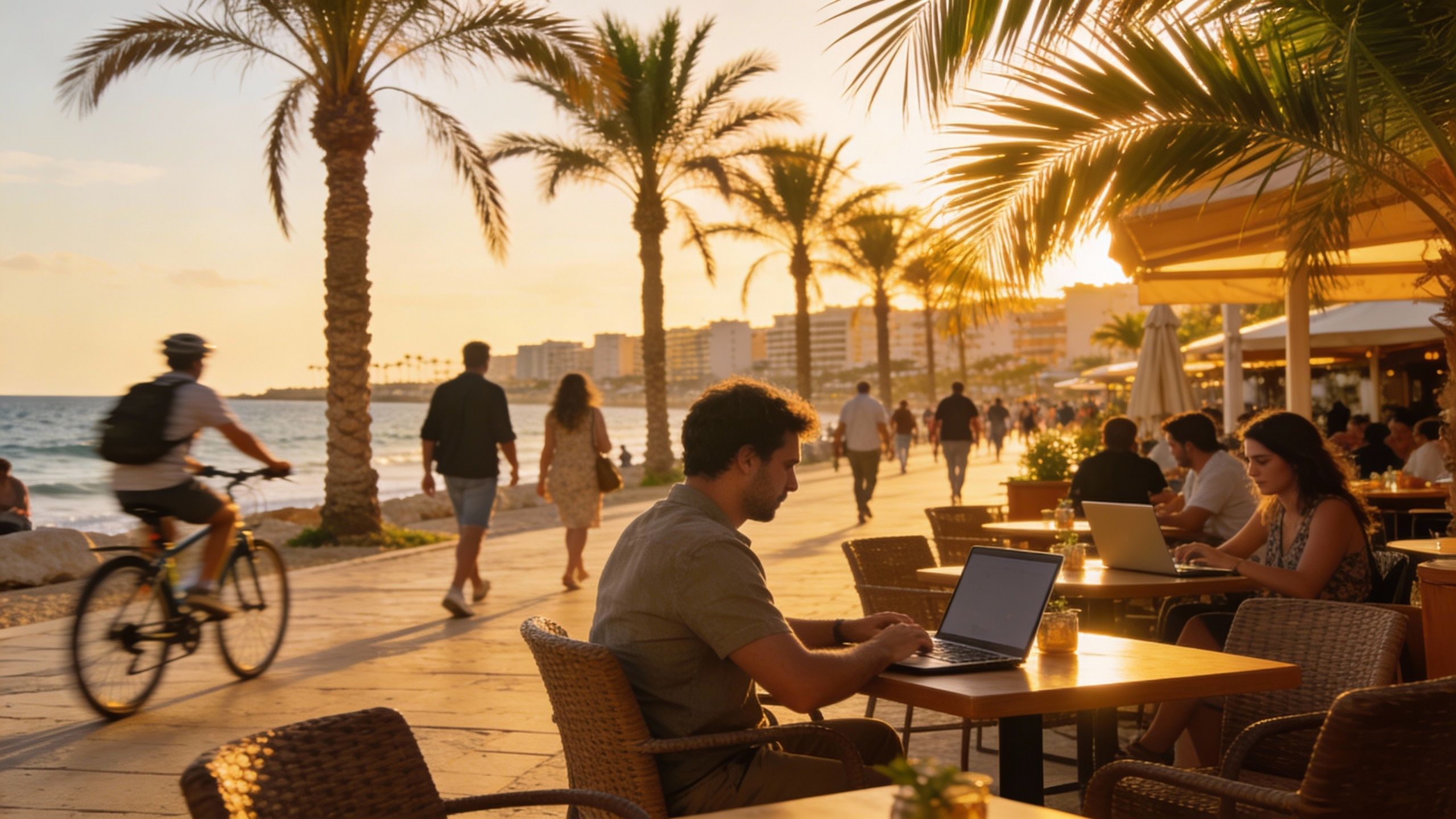
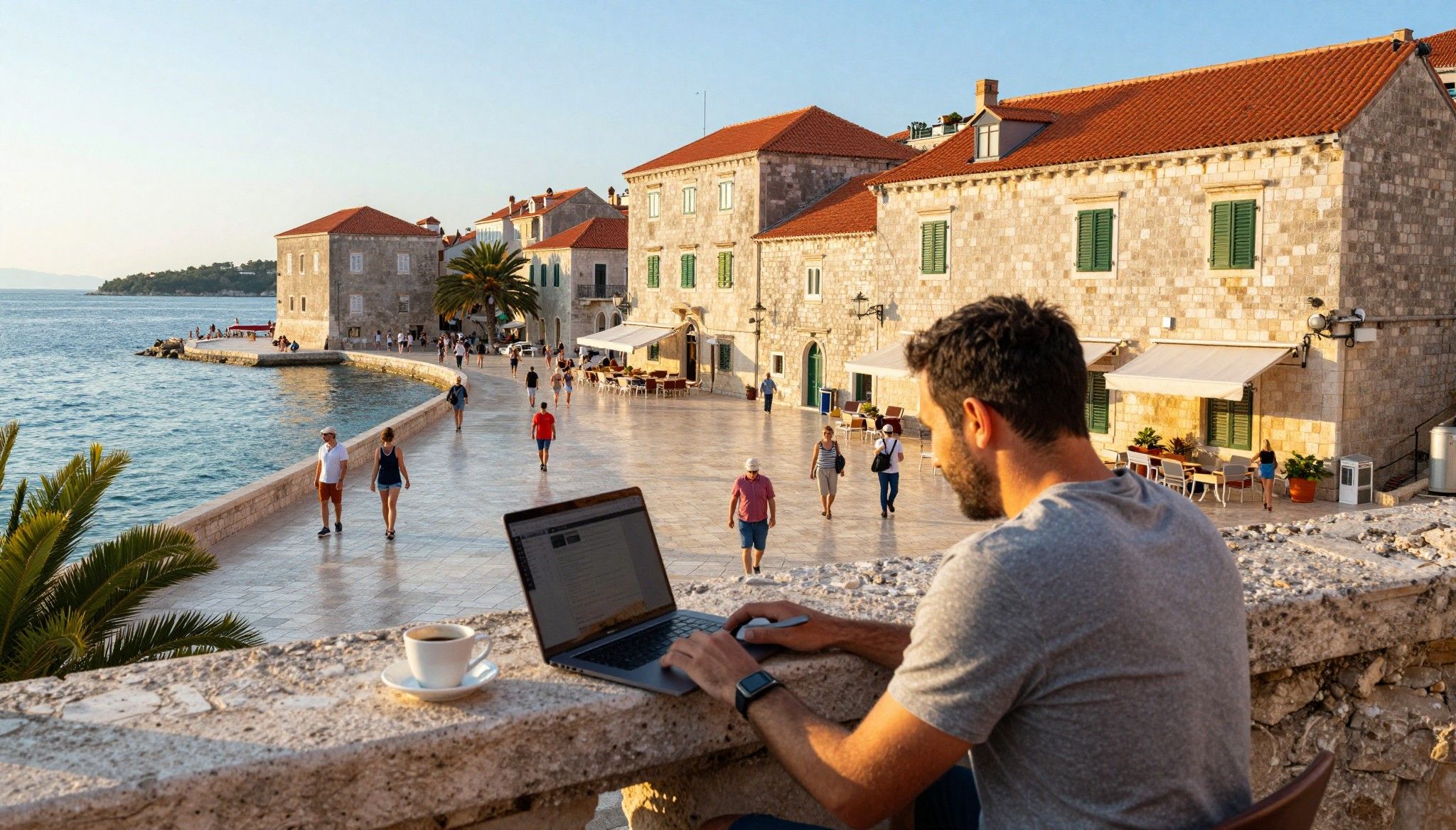
Imagine morning light on a Limassol seafront terrace, espresso steam curling as a digital nomad opens their laptop. The day smells of sea salt, grilled halloumi and fresh bread from the corner bakery. That’s the Cyprus we fell for — sun, small streets full of community life and cafés that double as coworking spots. But under those golden hours are specific legal steps that can turn a dream move into a secure home — or a headache. Start here so you keep the magic without the legal surprises.
Living the Cyprus lifestyle
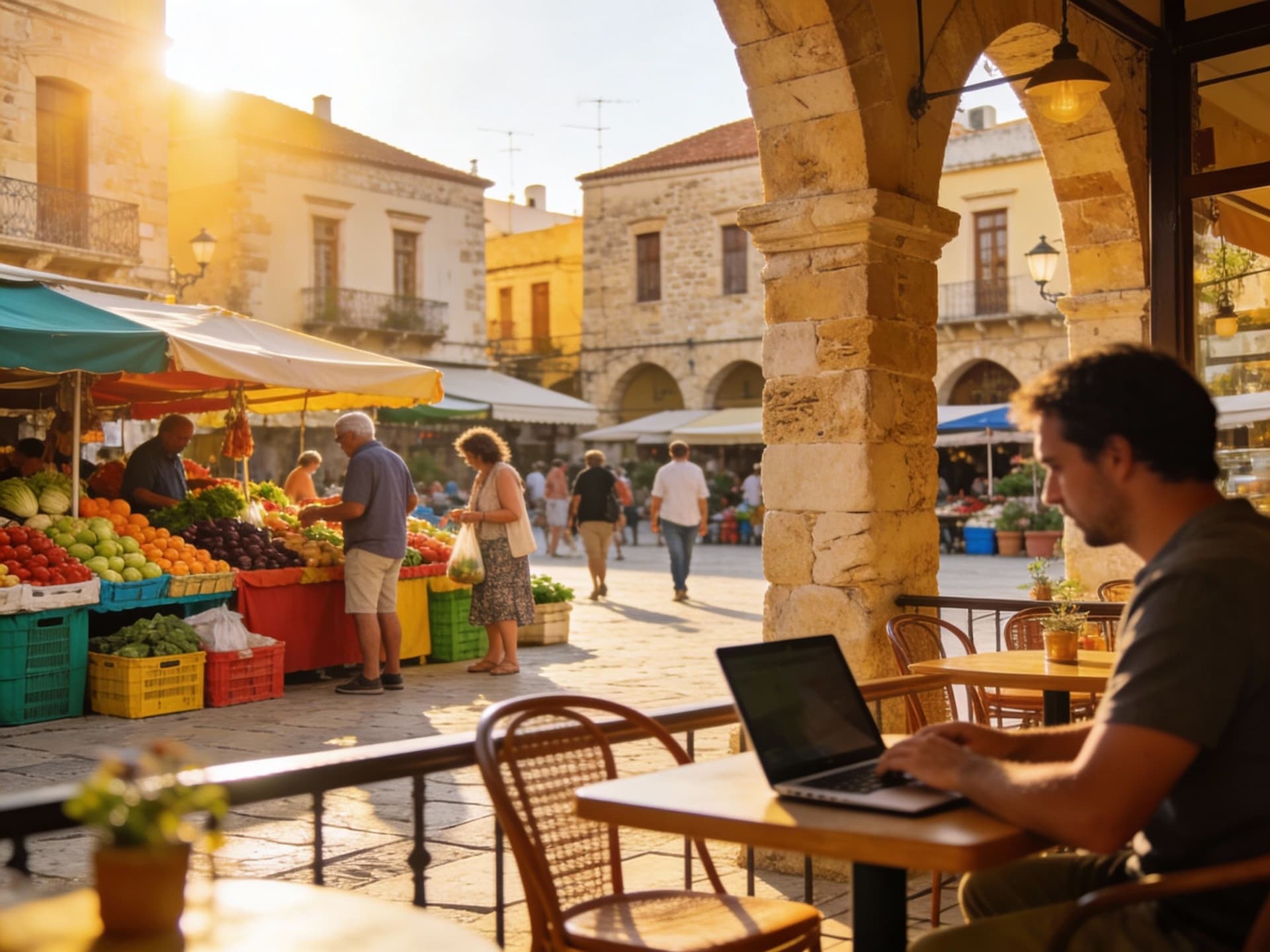
Cyprus pulses with neighborhood-level rituals. Weekends mean farmers’ markets in Nicosia, sunset swims on Paphos rocks, and seafood nights in Larnaca’s Finikoudes. The island’s pace is warm and social — you’ll join table conversations, make fast café friends and trade language mishaps for laughter. For buyers, lifestyle isn’t decoration: it shapes where you should hunt, what features matter (outdoor showers, covered terraces, fast fibre) and how an agent should sell the neighbourhood, not just the floorplan.
Neighbourhood spotlight: Limassol’s Old Port to Molos
Walkable promenades, boutique cafés and coworking hubs give Limassol a magnetic energy. Start at the Old Port for rooftop cocktails, drift toward Molos for morning runs, then duck into Agiou Andreou for a lunchtime souvlaki — all within a few tram stops. Properties here vary from high-rise apartments with sea views to renovated townhouses on narrow streets; each offers different trade-offs for sound, airflow and outdoor space.
Food, markets and small rituals
Food culture anchors daily life: fish tavernas on the Kato Paphos seafront, morning markets in Eleftheria Square (Nicosia), and late-night mezze in tucked-away villages. These choices affect property life — proximity to the market matters if you love morning runs to the baker, while closeness to tavernas can mean lively nights (and noise tests when viewing). Think beyond square meters to the rhythm of the street.
- Limassol Old Port rooftop bars, Paphos seaside fish tavernas, Nicosia’s coffee lanes, Larnaca promenade morning runs, Kouklia village winery weekends, Kiti beach for quiet sunsets
Making the move: practical considerations that preserve lifestyle

The market is calm, with modest annual house-price growth and pockets of strong demand (Limassol luxury, Paphos coastal). Official stats show small year-on-year increases rather than runaway inflation, which means patient buyers can shop neighbourhoods and prioritise lifestyle features without panic buying. Still, local legal steps — especially title-deed checks — are non-negotiable. Don’t let a beautiful terrace blind you to paperwork gaps.
Property types & how they fit your days
From beachfront apartments to restored stone houses in Troodos, each property family supports a different Cyprus life. Apartments near the coast favour social life and easy maintenance; village houses offer garden dinners, produce markets and slower summers. Ask: will you crave coworking access and fibre in winter? Do you want a terrace that catches evening breeze? Match the property’s physical character to your daily habits — then confirm legal clarity.
Work with local experts who get both vibe and title deeds
A great agent in Cyprus is part neighbourhood whisperer, part process navigator. They should recommend a lawyer who will: obtain the mandatory recent land-search certificate, confirm outstanding mortgages, verify planning and the Certificate of Final Approval for new builds, and explain any limits for non‑EU buyers. Use agencies that show where neighbours walk, where fibre is present and which properties already have Title Deeds.
- Order a fresh Land Registry search certificate (dated within 5 working days) before signing. Have a property lawyer confirm the seller’s identity and encumbrances. Deposit and register the sales contract with the Land Registry within 60 days to protect your rights. Check for a Certificate of Final Approval (CFA) on new builds before relying on promised facilities. Insist on a clear timeline for title-deed transfer and escrowed payments where possible.
Insider knowledge: the legal quirks every expat should know
Two practical truths: Cyprus updated rules to protect buyers (including mandatory recent search certificates) and the government continues to tackle historic 'trapped buyer' title issues. That lowers risk compared with a few years ago, but legacy problems remain for certain developments. Treat every purchase as unique — where the paperwork is clean, the lifestyle comes with legal peace of mind.
Cultural and seasonal realities that affect legal checks
Festival seasons, harvests and winter down-times change how offices operate — planners and district Lands Offices can be slower in August and around Easter. That affects timings for searches and title transfers. Also, local customs (like informal agreements in village property deals) mean you must insist on formal documentation. One friendly conversation clears confusion; one missing permit costs time and money.
Longer-term local factors to watch
- Check municipality planning for future developments; confirm flood/slope restrictions on coastal plots; verify rental rules if you plan short-term lets; confirm fibre coverage and backup power options for remote work; budget for transfer fees, stamp duty and notary costs.
Practical next steps: Visit the neighbourhood on different days, taste the cafes, test the commute and ask a local agent to map out the legal timeline. Have a lawyer draft contract clauses that protect deposits and require title issuance milestones. Aim to fall in love with the street — but buy with the Land Registry file in hand.
Conclusion: Cyprus gives you sunlit terraces, neighbourly warmth and lively local culture. Pair that life with the right local experts and current legal checks (recent land-search certificate, CFA, registered sales contract) and you’ll trade uncertainty for confident mornings on your own balcony. Ready to find streets where neighbours wave, cafés become offices and title deeds close the loop? Start with a short list of agents who show both lifestyle and the paperwork.
Norwegian who has helped 200+ families relocate from Oslo to Spain; expert in relocation services and community integration.