Cyprus Title Traps: Buy with Eyes Open
A lifestyle-led due‑diligence guide to Cyprus: enjoy beaches and cafés — but check title deeds, foreign‑buyer permits, and planning consent before you sign.
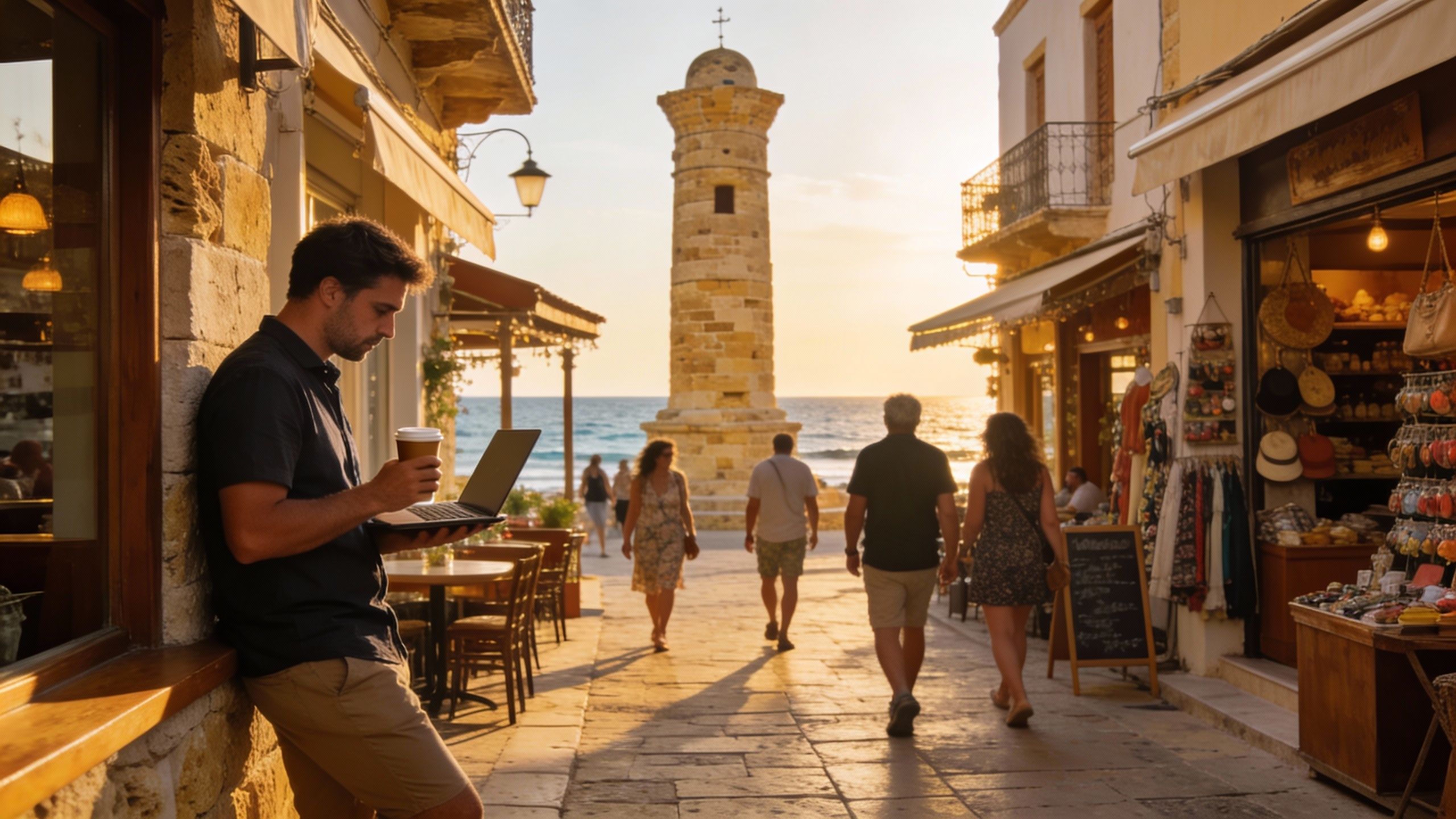
Imagine stepping out of a sun-warm courtyard in Limassol, espresso in hand, a sea breeze lifting the smell of citrus from a nearby garden. Cyprus feels effortless at first — slow breakfasts, weekends at Fig Tree Bay, evenings at tucked-away tavernas — and that ease is what draws nomads and families alike. But the island’s charm hides legal wrinkles: title-deed delays, foreign-acquisition rules, and loopholes that can surprise buyers. This guide mixes the love letter — the streets, cafés, and lifestyle — with the exact legal checks that will keep your dream from becoming someone else’s problem.
Living the Cyprus lifestyle
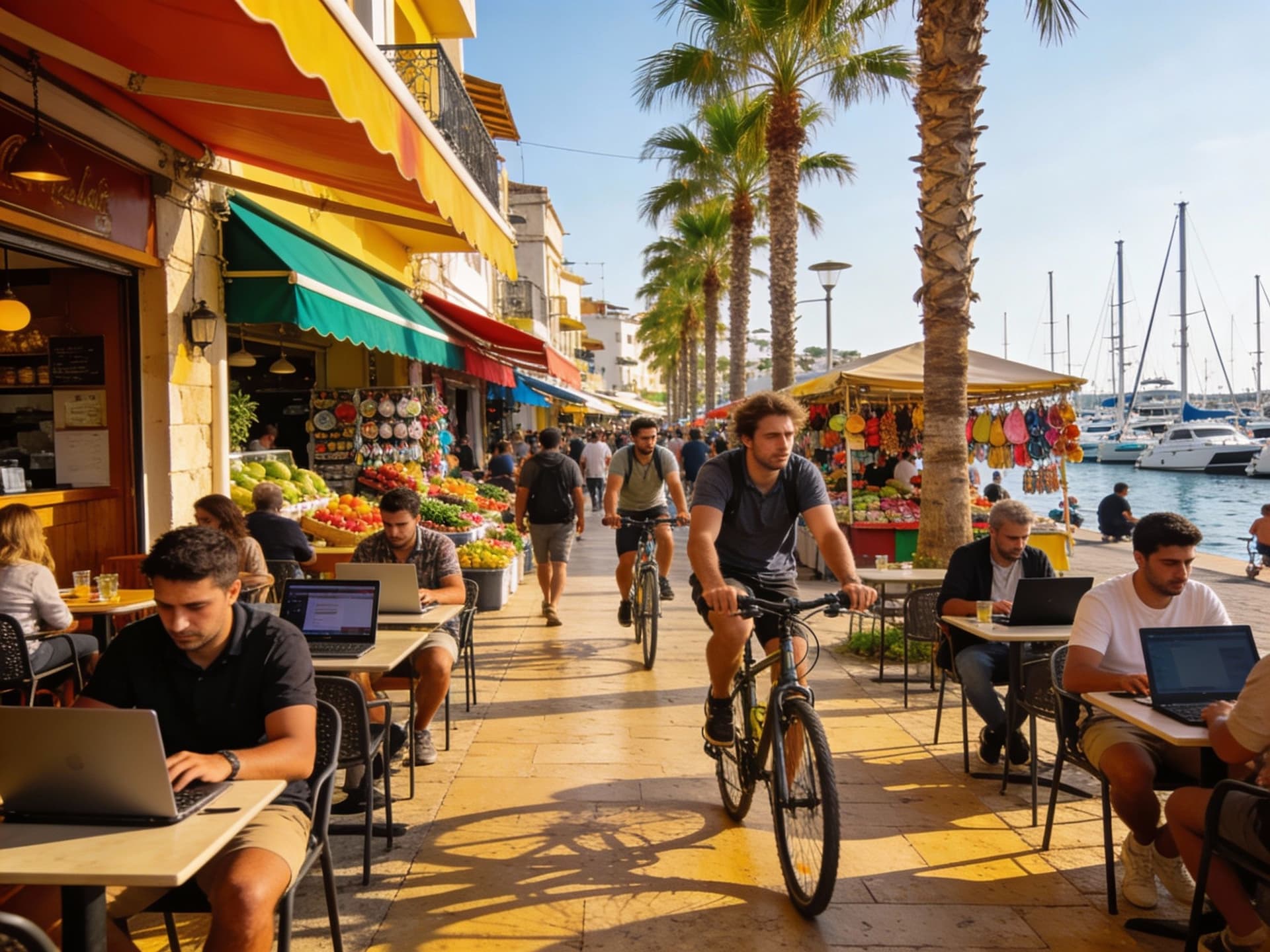
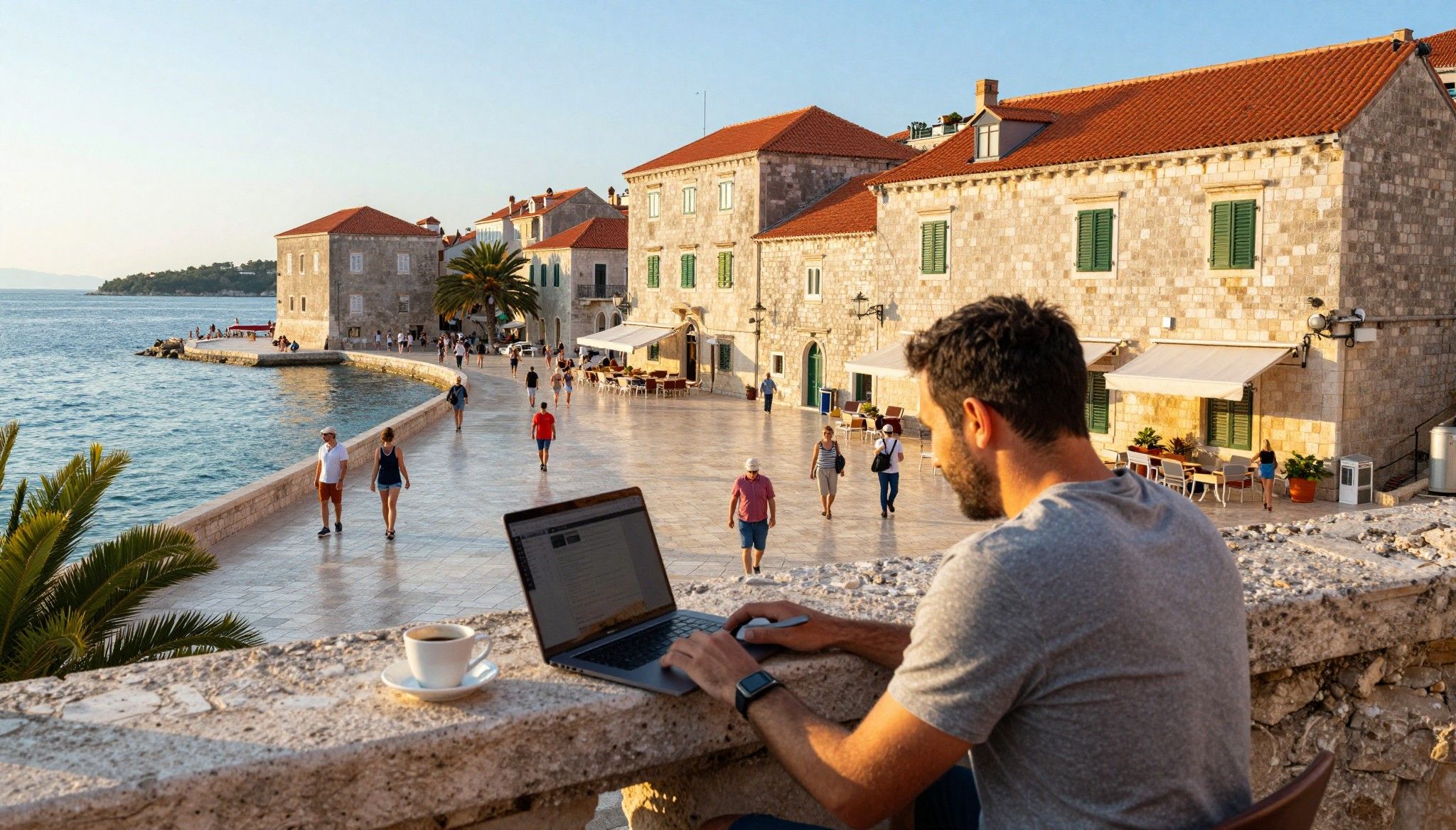
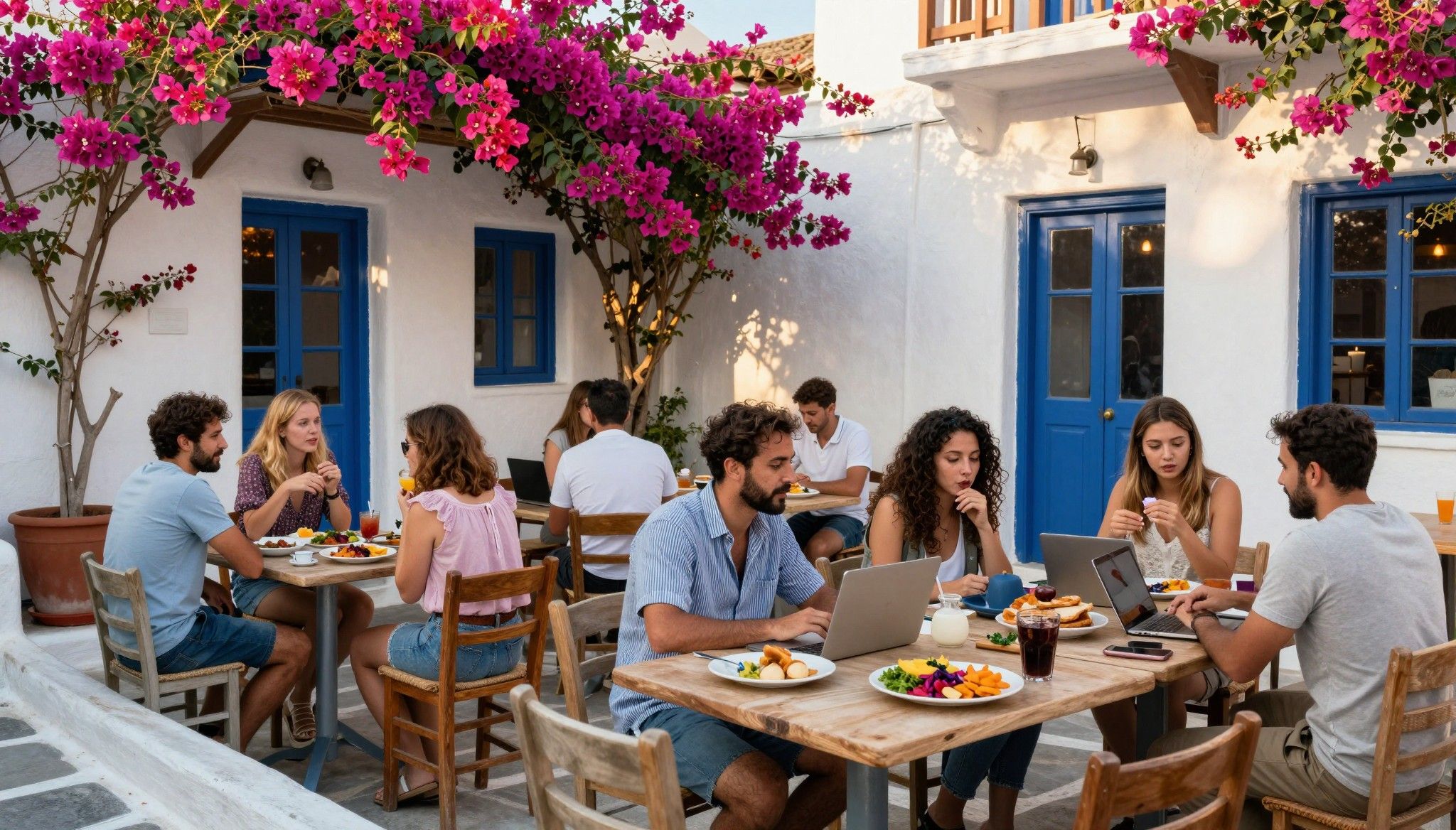
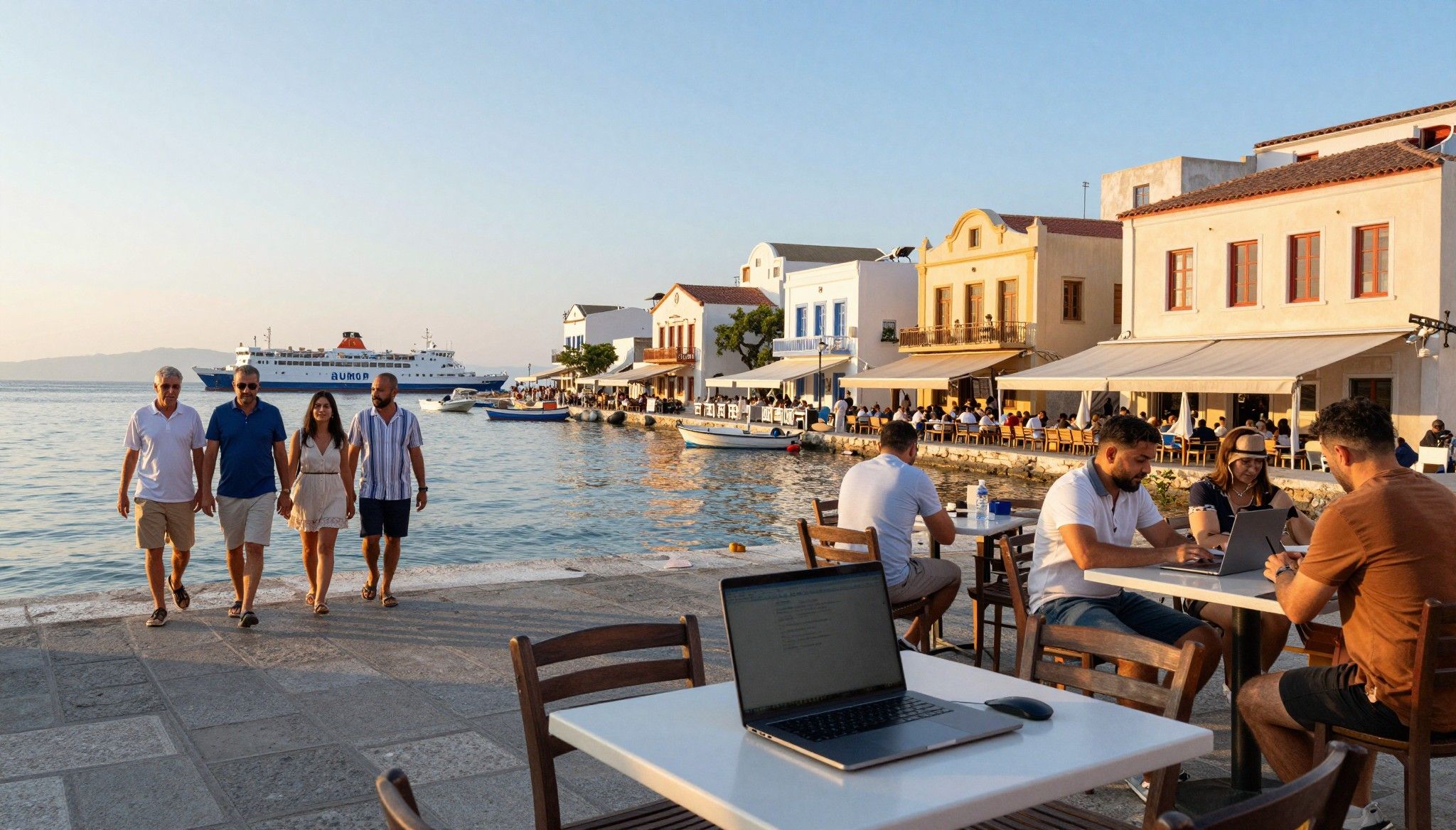
Cyprus moves at golden-hour pace: mornings in neighborhood bakeries, afternoons on coastal promenades and late nights full of conversation. Cities like Nicosia hum with cafés and co-working spots, Limassol mixes marina glam with old town markets, and Paphos keeps a small‑town coastal rhythm where everyone knows your barista. When you buy here, you’re buying into routines as much as walls: street markets on Saturdays, grape harvest festivals in the Troodos foothills, and the yearly ritual of switching from beach days to mountain walks.
Neighbourhoods that shape daily life
Limassol’s Old Port and Mill Area feel alive with young creatives, espresso bars and coworking hubs — perfect if you want beach runs before lunch and reliable fibre for work. In Nicosia, Strovolos and Aglantzia offer leafy streets and a quieter pace with excellent schools and community networks. Paphos’ Kato Paphos is tourist-friendly by day and tranquil by evening; nearby Kissonerga and Peyia offer more affordable family homes and easy access to coral beaches.
Food, festivals and the rhythm of seasons
Weekends mean market runs — Limassol Municipal Market for fresh halloumi, Lakatamia for street pastries, and the Akrotiri wetlands for birdwatching in winter. Summer is beach life and late-night meze; autumn brings grape festivals in Famagusta’s hills; winter is for mountain tavernas and chestnut fairs. These rhythms affect where you’ll want to live: a seaside apartment is lively in summer but quieter off-season, while a mountain village offers year-round calm and different maintenance needs.
- Limassol Old Port cafés and coworking hubs; Kato Paphos promenade and archaeological park; Larnaca’s Finikoudes seaside walk and digital‑nomad meetups; Troodos mountain villages for weekend escapes; Nicosia’s historic Ledra Street and local markets; Peyia’s family-friendly streets and sea‑view terraces.
Making the move: practical considerations
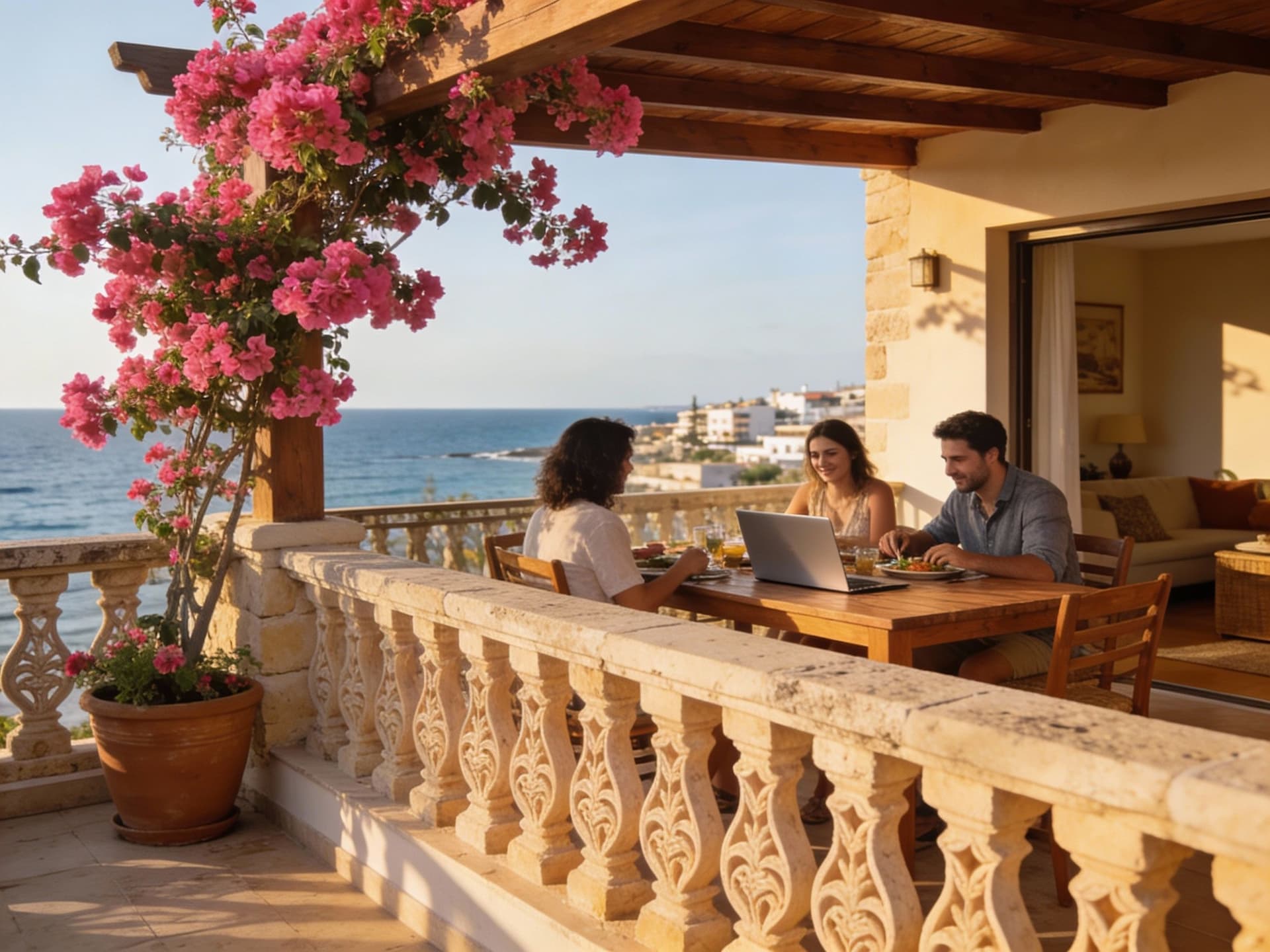
Love the lifestyle, yes — but don’t let the southern sun blind you to paperwork. Cyprus requires specific checks: permissions for non‑EU buyers, title-deed searches, planning consent checks and an awareness of recent efforts to speed up title issuance. Do these early: they change negotiation leverage, timeline expectations, and — importantly — whether the seller can legally transfer clean ownership.
Property styles and what they mean for life
New coastal developments often advertise sea views and shared pools but sometimes wait for final title deeds or partition approvals. Traditional stone houses in villages come with character but may need upgrades for insulation and broadband. Apartments in town centres give walkability and easy cafés, while villas outside tourist hubs trade convenience for privacy — and sometimes extra bureaucracy around land registration.
Working with local experts who get both lifestyle and law
- Hire a Cyprus-licensed lawyer early (they’ll request a title search from the Department of Lands and Surveys). Use an agent who knows neighbourhood life and can point out off-market gems. Ask your lawyer to confirm planning permission, outstanding mortgages, and whether the seller is the registered owner or a developer. Insist on a search certificate and a copy of the title deed before paying more than a reservation fee. If you’re non‑EU, submit the Acquisition of Immovable Property (Aliens) Law form (COMM 145) through your lawyer — approval is usually procedural, but recent bill proposals mean rules may shift.
Insider knowledge: red flags and contrarian truths
Here’s the real talk you won’t always hear in glossy listings: title-deed delays have improved in some departments, but loopholes and informal transfers remain widespread. Paphos and other hotspots have seen many transfers to third‑country nationals that don’t always reflect the spirit of the old law. That means you must double-check what’s been registered and whether any ‘assignment’ or ‘transfer’ was permitted under law — the paperwork is where most heartbreaks start.
Three red flags to walk away from
- Seller can’t produce a title deed or provides only a developer-issued sales contract; Property appears to be registered under multiple names or a company with opaque ownership; Planning consent is missing or the listing mentions “pending partition” or “to be subdivided” without supporting documents.
A contrarian tip: sometimes 'avoided' areas are safer buys
Locals sometimes steer newcomers away from certain coastal strips because of seasonal crowds — but those strips can offer faster title clearances, better rental demand and established services. If you prioritise steady rentals and short-term income, pick a busy promenade with proven records rather than a ‘quiet gem’ with unclear registration history. Match lifestyle goals to legal clarity: if you want passive rental income, legal cleanliness beats tranquillity every time.
Start with a short checklist: order a title search, confirm planning permission, verify seller identity, get an exact list of encumbrances, and check whether the sale falls under foreign‑buyer restrictions. From there, let a Cyprus lawyer draft or review the sale contract and hold any deposits in a client account. When in doubt, pause. The island’s lifestyle is worth protecting — do the legal work so you can spend your days exploring cafés and coves, not battling paperwork.
Norwegian who has helped 200+ families relocate from Oslo to Spain; expert in relocation services and community integration.