The French Title Check Buyers Skip — Start Here
Forget postcard buying: confirm title chains, servitudes and diagnostics in France. Use the notaire and local experts to turn lifestyle dreams into secure property ownership.
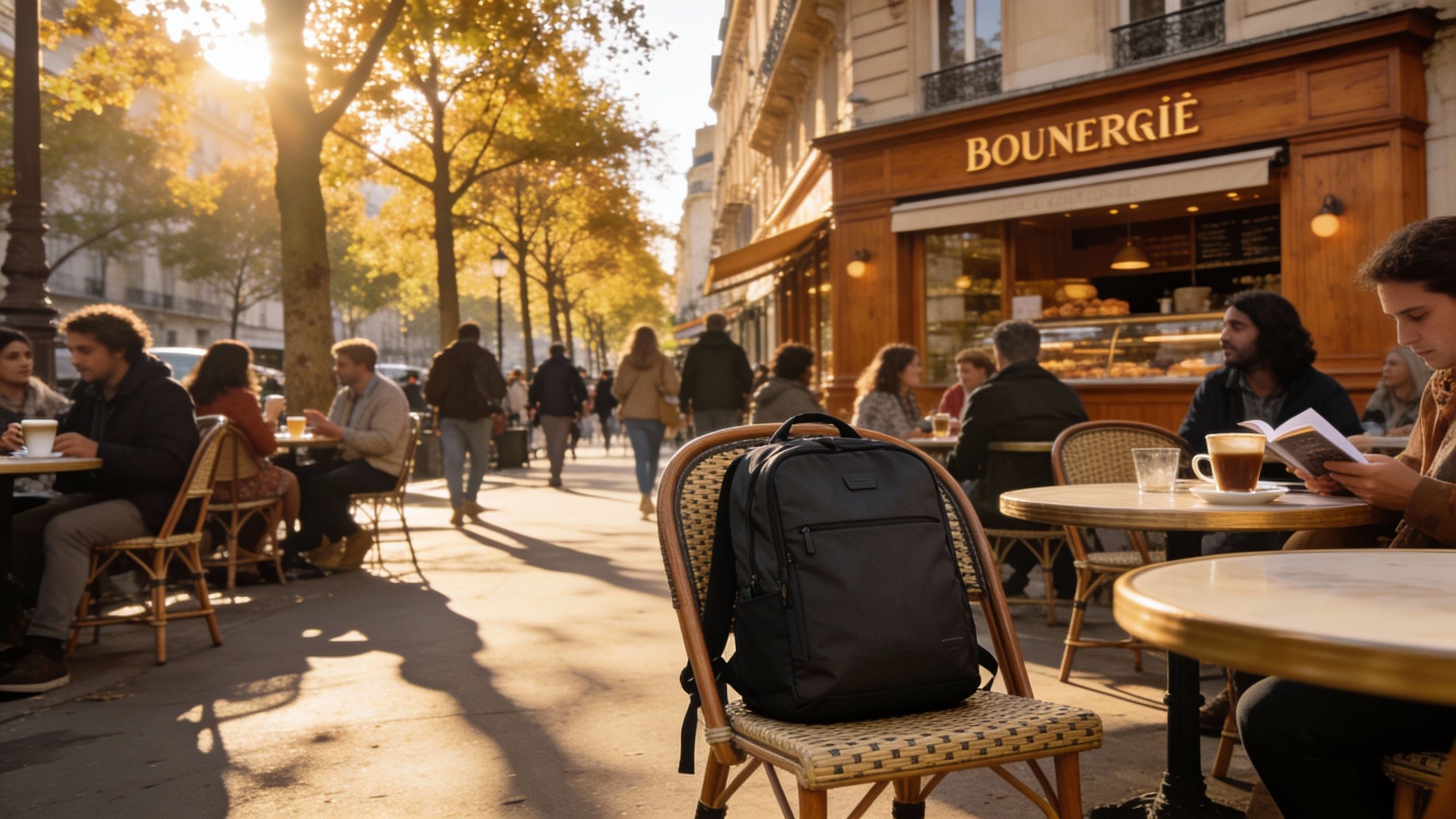
Imagine waking to a boulangerie on Rue Cler, laptop open, sun cutting through plane trees and a neighbour bringing over a jar of homemade confiture. France smells like fresh coffee, marché days and wood smoke in winter — but beneath that postcard charm are legal checks that decide whether that charming house becomes your dream home or a long legal headache. Start with title clarity, and you'll sleep better than the locals.
Living France: the rhythms you’ll fall for
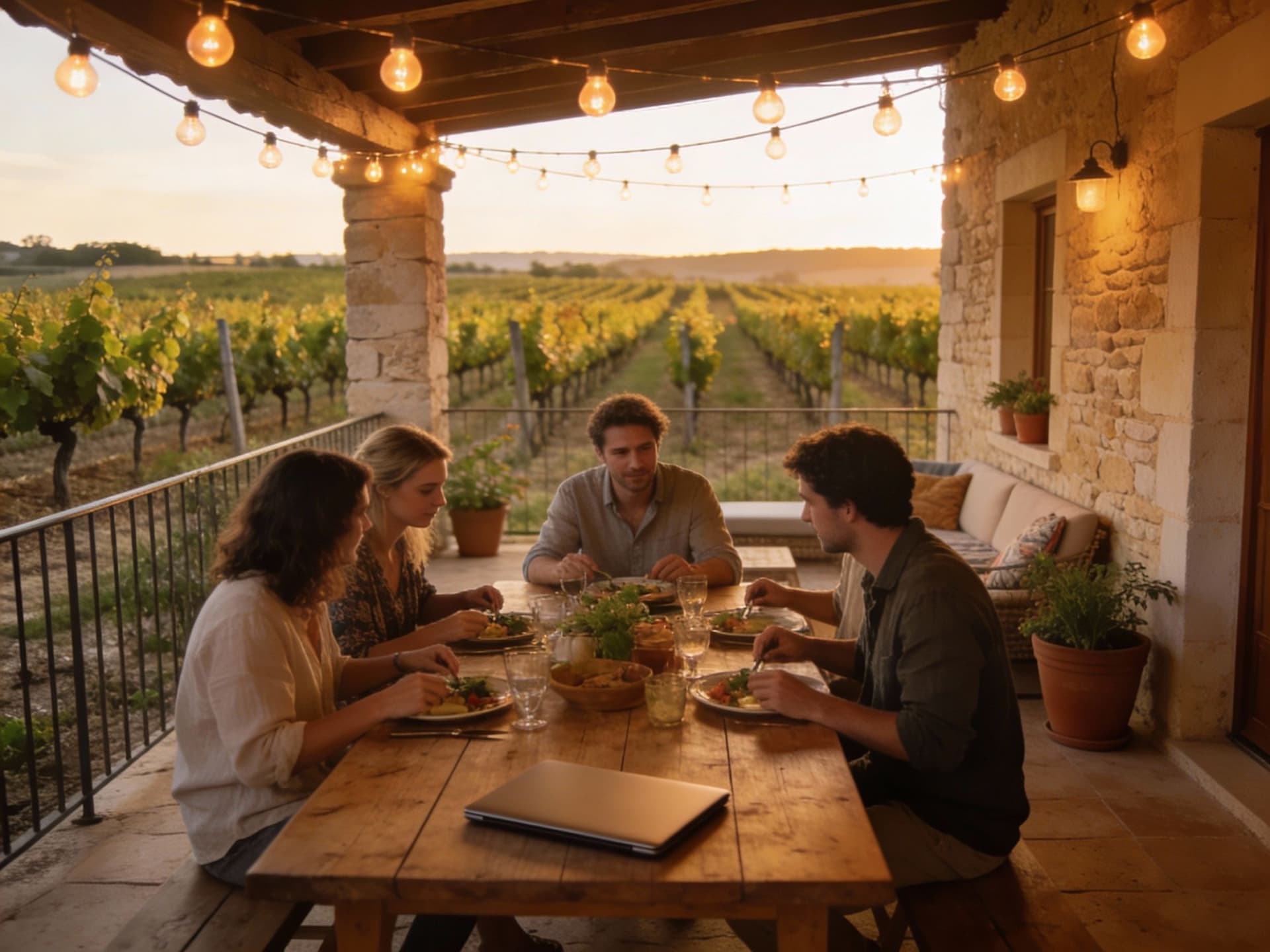
France moves at many speeds. In Paris, mornings are espresso-and-transit; in Bordeaux, weekends are for the marché and wine tastings; on the Côte d'Azur, afternoons bend around beaches and aperitifs. These daily rhythms shape what kind of property fits you — a narrow Parisian townhouse near Canal Saint-Martin, a stone farmhouse in Dordogne with a garden for weekends, or a third-floor apartment in Aix with a balcony and fibre for remote work.
Neighbourhood spotlight: Le Marais, Aix-en-Provence, and Biarritz
Le Marais: cobbled streets, galleries and boutique cafés — perfect for culture-oriented nomads who can trade space for atmosphere. Aix-en-Provence: tree-lined boulevards, marchés and bakeries that make slow mornings a ritual. Biarritz: surf culture, casual coworking spots and weekend escape energy. Each place offers a distinct daily soundtrack — pick the one that matches how you want to live, not only what looks good on Instagram.
Food, markets and seasonal life
Markets define neighbourhood life in France. From Marché des Enfants Rouges in Paris to the Provençal stalls in L'Isle-sur-la-Sorgue, your weekends will center on fresh produce, local cheese and new friends made by the fromage counter. Seasonality matters: some coastal towns empty in winter; Alpine villages hum with ski-season rental demand. Factor that rhythm into both lifestyle expectations and rental/investment potential.
Making the move: what to verify before you fall in love
Dreams meet bureaucracy here. The notaire is your central checkpoint — they verify title, check servitudes, confirm mortgages and purge preemption rights. But not everything is automatic: some issues (unregistered annexes, shared access paths, unclear boundaries) require proactive questions and extra searches. Use the notaire’s database and insist on written clarifications before signing anything.
The often-skipped title check that matters
Many buyers assume a single deed equals clear ownership. In France you also need to confirm the full chain of title, servitudes (right of way, water access), any mortgages or formal charges, and whether the cadastral boundaries match what’s on the ground. Ask your notaire for an 'extrait du fichier immobilier' and insist on maps or plans if any external structures or gardens are involved.
Diagnostic dossier and hidden obligations
French law requires a dossier de diagnostic technique (DDT) before sale: energy performance (DPE), asbestos, lead, termites, gas and electricity checks when relevant. Don’t treat these as formalities — a poor DPE or termite report changes value and renovation costs. If you plan to renovate, check local urban plans (PLU) with the mairie; changing a roofline or adding windows often needs permission.
Insider moves: how to make due diligence work for your lifestyle
Turn checks into lifestyle wins. If you need fast internet, ask the notaire or seller about fibre status and recent utility upgrades; title searches often note easements for telecoms. If you want a garden for summer dinners, check registered boundaries and existing servitudes so your terrace plan won’t hit a neighbour’s right of way. Wire the practical into your wish list early.
Work with local experts who speak both language and nomad needs
Hire a bilingual notaire or a specialist property lawyer (avocat) for complex purchases. Use a local surveyor for structural surprises and a fibre check from a telecom technician if remote work matters. Your dream of a sunlit office on a terrace depends on these small confirmations — and on an agent who understands digital nomad priorities (coworking proximity, short-term rental rules).
Checklist: the title and due-diligence essentials
- Confirm deed chain and any mortgages; check servitudes and boundaries; review the DDT (diagnostics); request cadastral maps; verify planning constraints with the mairie; ask about syndic minutes for flats (charges, works planned).
- Sign the compromis de vente with clear suspensive clauses (mortgage, survey, planning); wait the 10-day cooling-off period; complete mortgage clearance and notaire searches; sign acte de vente and register the title.
Red flags that should make you pause
- Unregistered outbuildings or extensions; vague boundary descriptions; late or missing diagnostic reports; a notaire reluctant to provide full excerpts; unusually quick pressure to sign after an offer.
I once met a buyer enchanted by a stone cottage near Sarlat whose garden technically included a public footpath. The notaire uncovered a servitude allowing walkers access — a small detail that turned weekend privacy into a daily parade. That discovery saved them a lot of disappointment and guided them to a similar property without that quirk.
Seasonal timing: why winter viewings can be your secret advantage
Visit off-season. In coastal towns winter shows you if heating works, if damp appears, and how lively a place really is beyond summer tourism. Sellers who accept winter offers are often more motivated — giving you negotiating room. But always pair timing with full due diligence: seasonal charm doesn't replace a clean title.
Final word: fall in love, but verify everything
France rewards those who combine romance with rigor. Walk the markets, learn the café names, imagine summer dinners and winter fires. Then put a notaire, a surveyor and a clear checklist between you and the sale. That mix — passion plus paperwork — is how you make France more than a postcard: a real, lasting home.
Norwegian who has helped 200+ families relocate from Oslo to Spain; expert in relocation services and community integration.