Hidden Legal Wins: How France’s Overlooked Towns Reward Careful Buyers
Quiet coastal towns in France offer lifestyle upside but demand local title, planning and tax checks; use notaires, surveys and municipal records to protect your purchase.
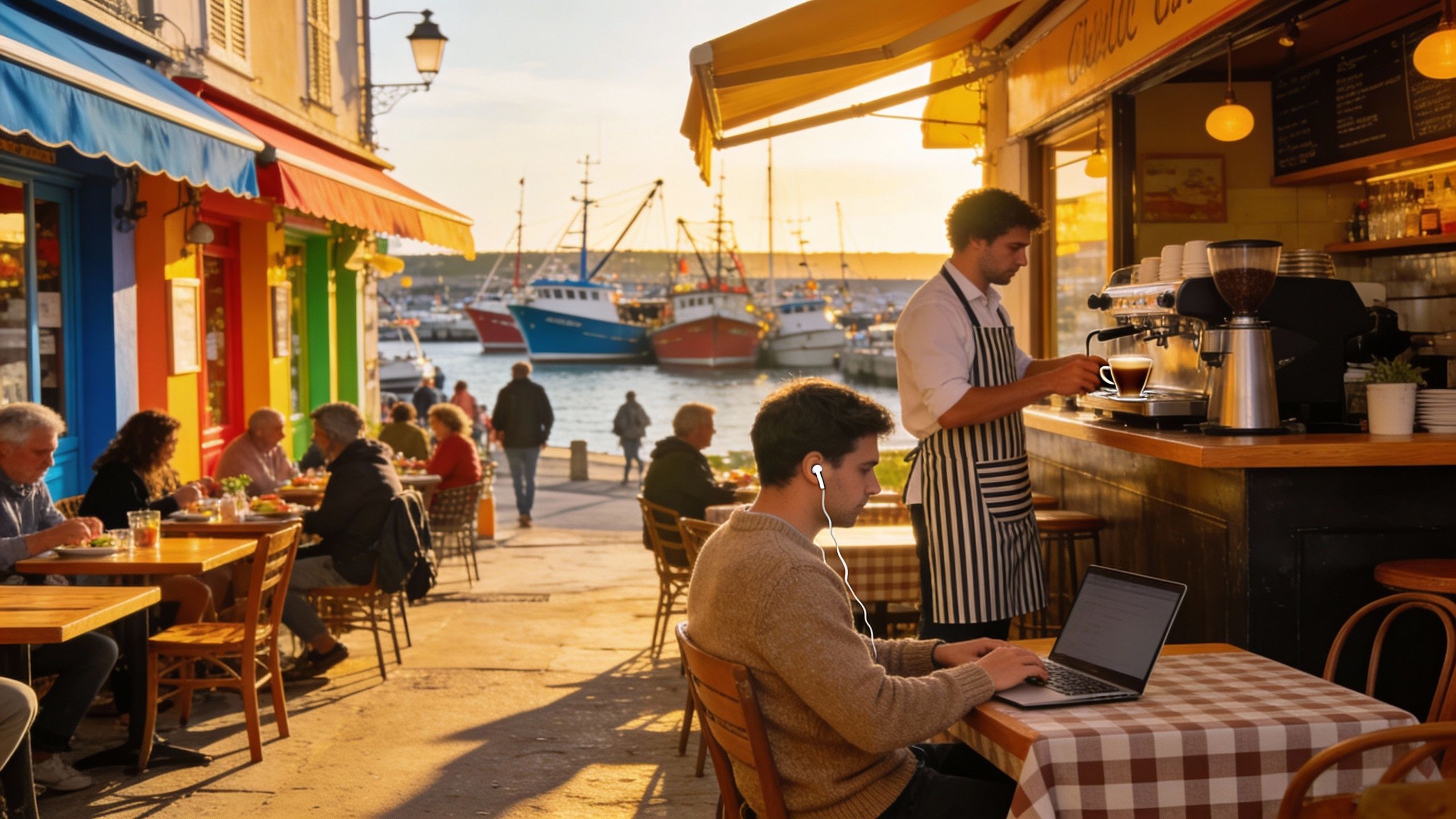
Imagine a Saturday morning market in a small French coastal town: baguettes boxed in paper, fishermen arranging their catch, a café terrace crowd tapping keyboards between sips of espresso. Life here moves with a rhythm that’s part gourmand ritual, part work‑from‑where‑you‑want freedom. That calm is why many nomads and international buyers look past headlines and fall for quieter regions. But the dreamy streets hide legal details that decide whether a property becomes a holiday‑home postcard or a cross‑border headache.
Living French Life: Small‑town rhythm with big perks

You’ll find the real France in places like Trouville, Dinard, and the fishing ports of Normandy — streets where boulangeries open at dawn and neighbourhood bars feel like co‑working hubs after lunch. Prices in many of these secondary towns softened during 2024, then started a cautious rebound in early 2025, making them attractive to buyers who pair lifestyle with patience. But lower headline prices don’t remove the need for legal checks: title history, coastal planning rules and easements often tilt a deal’s real value.
Spotlight: Normandy’s coastal villages
Walk Rue des Bains in a small port town and you’ll smell shellfish, hear Breton accents and see apartments with sea‑view balconies. Yet cadastral quirks — old undivided inheritances (indivision) and coastal regulations (littoral protection zones) — are common here. Notaires’ regional reports show heterogeneous price moves across France in 2024–25, so local legal checks matter more than national headlines when buying in these pockets.
Food, beaches and a reliable pace
Markets are the weekly social calendar. You’ll pick up cider in the market, join pétanque games at dusk, and find cafés that double as afternoon work nooks with surprisingly solid fibre. For nomads, that mix — charm plus practical connectivity — is gold. But before you fall for the terrace view, map out planning limits, rental rules, and whether a property is a classified historical site (monument historique) — all of which affect renovation freedom and rental potential.
Making the Move: Practical checks that protect the lifestyle

Dreams meet paperwork at the notaire’s office. In France the notaire is a public officer who certifies sale contracts, performs title searches and ensures taxes and liens are settled before transfer. Non‑residents remain liable for local taxes on second homes and must declare property details to impots.gouv.fr, so budgeting beyond the purchase price is non‑negotiable. Do these checks early — they’re the reason a market ‘bargain’ in a seaside town can still turn into a costly fix if occupancy rules or older servitudes (servitudes) are hidden.
Property titles, servitudes and inherited parcels
French title chains (titre de propriété) can include decades of history and family divisions. Look for undivided ownership fractions (indivision), rights of way, and any pre‑emptive rights local communes may hold. A notaire’s acte de vente will only be prepared once searches clear, but you should ask for the cadastral map (plan cadastral) and any mortgage registrations (hypothèques) up front. These checks take time — factor them into your timeline and negotiation strategy.
Why a quick online search won’t cut it
Listing photos and agent notes rarely show planning constraints, past building permits, or informal neighbour agreements. That’s why local experts — an English‑speaking notaire, a surveyor (expert immobilier), and a solicitor for cross‑border tax planning — become your best friends. They translate the legal jargon and flag red flags early: missing certificats de conformité for extensions, illegal mezzanines, or heritage restrictions that block simple improvements.
Practical due‑diligence checklist
Before signing the compromis de vente, get these essentials in hand: certified title extract, recent diagnostic reports (DPE, termite, lead where relevant), cadastral plan, copy of the last three tax notices, and any condominium minutes (procès‑verbaux du syndic). Don’t skip a structural inspection for seaside homes — salt and humidity often mask rot and corrosion until renovation starts.
Insider Knowledge: Expat pitfalls and smart moves
Expats often arrive enchanted and assume local rules match their home country. They’re surprised by French bureaucracy’s thoroughness and the notaire’s central role. A common mistake: underestimating the time between offer and sale. In France, cooling‑off periods, survey timelines and municipal checks add weeks. Expect patience — and reward: a transparent transfer where liabilities are normally settled before you take keys.
Language, community and the reality of integration
You’ll get further with a friendly hello in French than with perfect paperwork alone. Join marché mornings, volunteer at local fêtes, and use neighbourhood cafés as your info hubs — locals often point out planning changes or upcoming municipal works before they appear online. That local intel sometimes reveals upcoming zoning shifts that affect property values more than national market trends.
Longer term: rental, renovation and resale realities
If you plan to rent part‑time, check local short‑term rental rules — many towns require registration, and some limit tourist lets. Renovations that add living space can be great for rental yield, but be sure planners and heritage rules won’t block them. Looking five years ahead, INSEE and notaires data suggest modest but steady regional recovery in 2025; local choices will drive your return more than national averages.
- Quick red flags to pause on
- No recent diagnostics (DPE, asbestos) attached to the file
- Unclear cadastral boundaries or shared access across properties
- Municipal pre‑emption (droit de préemption) or registered historical status
- Missing minutes for condominium meetings or rising syndic fees
Step‑by‑step: from 'I love it' to keys in hand
- View and feel the neighbourhood — check internet speed at the property and visit cafés during weekday mornings.
- Ask the agent for title extract, diagnostics, and the last three tax notices. Engage a notaire to run mortgage and lien searches.
- Negotiate with due diligence windows written into the compromis (e.g., time for surveys). Budget for taxe foncière, potential renovation, and notaire fees.
- Complete municipal checks and finalise the acte de vente at the notaire. Register the deed and set up tax and utility accounts before move‑in.
Conclusion: Buy the life, but seal it legally. France rewards patient, curious buyers who pair neighbourhood love with meticulous legal checks. Work with a local notaire and bilingual experts, test the lifestyle across seasons, and treat due diligence as the bridge between postcard mornings and worry‑free living. Ready to explore a shortlist of towns with legal profiles that favour nomads? A good local agency will match the lifestyle you want with the checks you need.
Swedish, relocated to Marbella in 2018 to chase sun and property freedom. Focus on legal navigation and tax for Nordic buyers.