Hidden Title Risks in Cyprus: Lifestyle & Legal Checks
Mix island life with legal rigor: a nomad’s guide to Cyprus title checks, permits, VAT status and local tips to buy with confidence.

Imagine sipping espresso at a sunlit table on Makarios Avenue, laptop open, the Mediterranean a twenty-minute drive away. In Cyprus that scene isn’t a weekend fantasy — it’s weekday life for many nomads and remote workers. But behind the golden light and slow afternoons, there’s a less-romantic truth: title quirks, transfer rules and planning restrictions that can turn a love affair with a home into a legal headache. This guide mixes that lived-in island feeling with the exact checks you’ll want your lawyer and agent to run before you sign.
Living the Cyprus life — what you’ll actually wake up to
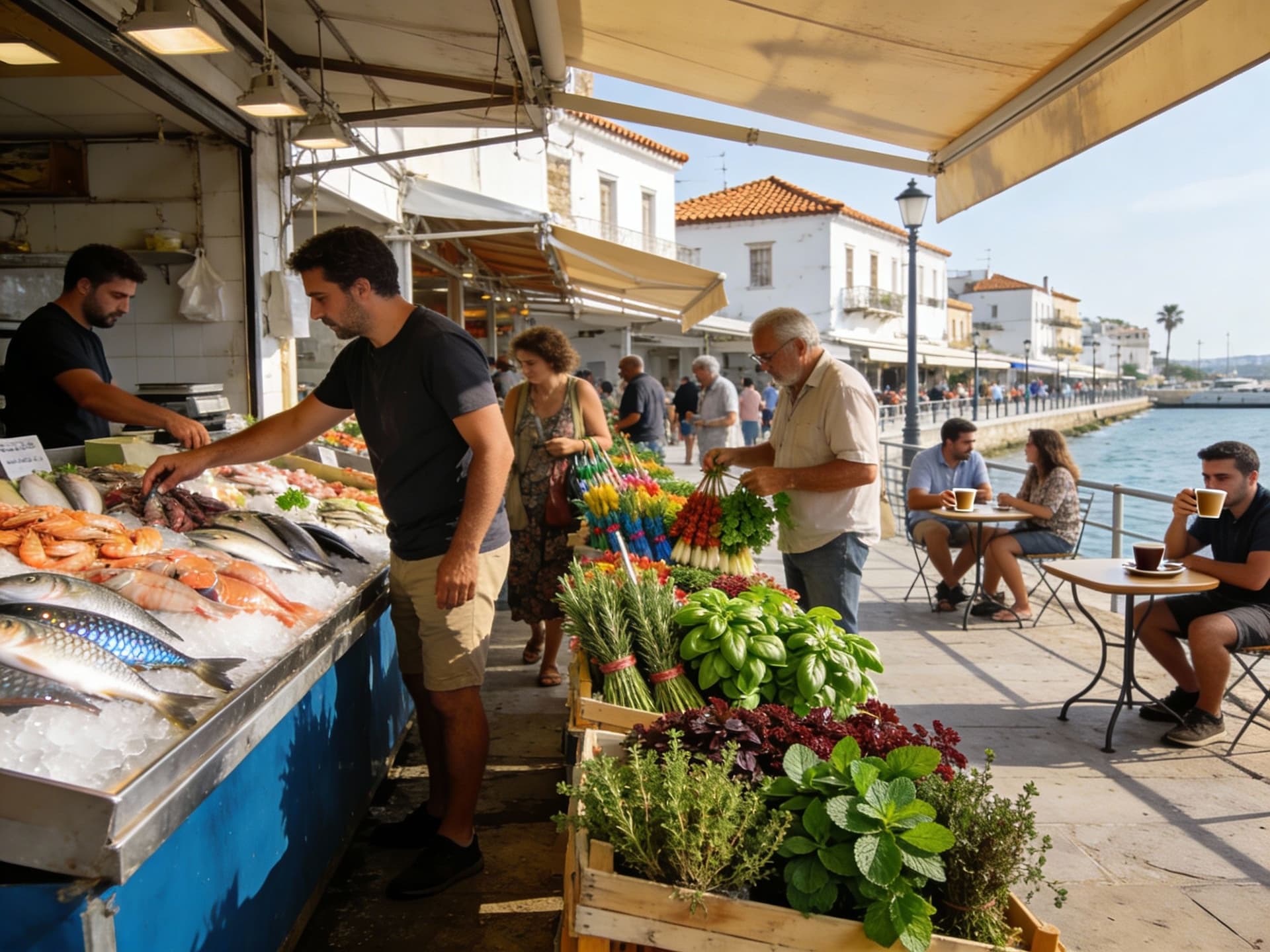
Cyprus is sun-soaked and sociable: slow café mornings in Nicosia, beachside swims in Larnaca, and lively Limassol evenings where rooftop bars hum until midnight. The island compresses Mediterranean rituals — markets, meze, and siesta-friendly rhythms — with surprisingly modern services: English is widely spoken, international schools operate in all major towns, and fibre internet is increasingly available in coastal hubs. For a nomad, that mix means you can work from a villa terrace one month and a compact city apartment the next, but the kind of property you buy will shape your daily life far more than the marketing photos.
Nicosia, Limassol, Paphos — three different island moods
Nicosia is urban and increasingly modern — think coworking mornings in Strovolos and lunch in Aglantzia. Limassol blends a city buzz with marina life and strong international buyer activity; it led apartment sales in 2024 and keeps drawing developers. Paphos is quieter, with ancient streets, beaches and a big expat community — ideal if you want a slower pace but still good rental demand. Each area offers different connectivity and community: choose the vibe first, then shortlist properties that match your daily routines.
Food, markets and the rhythm of the week
Weekend routines matter in Cyprus: Sunday markets, tavernas that fill after church, and coastal promenades that come alive late afternoon. Local favourites — like the Limassol Municipal Market for fresh fish and Potamos’ cafes for remote-work mornings — double as social hubs where you’ll meet neighbours and test out a neighbourhood’s real vibe. Those small rituals are your best gauge of whether a property will feel like home: visit a place across a weekday and a weekend before you commit.
Making the move: lifestyle wishes meet legal reality

Loving a neighbourhood is step one. Step two is checking whether the property can legally deliver that life. Cyprus’ official House Price Index shows steady, modest growth — the market isn’t exploding, but demand for new builds and apartments has been high in recent quarters. That popularity means developers and sellers push features like "sea‑view" and "legal planning in place" — and sometimes those claims need hard verification. Your checklist should be both romantic (terrace size, sunlight) and forensic (title clarity, permits, VAT status).
The three legal checks most buyers skip (and regret)
1) Title completeness: ask for the original title deed (or an official extract) and confirm ownership history. 2) Planning and permit audit: a finished terrace or extra room without planning permission can trigger fines or forced alterations. 3) Encumbrances and mortgages: a sold property can still carry a bank charge or third‑party claim if the seller hasn’t cleared liabilities. These checks are non-negotiable and typically done by your Cyprus lawyer before deposit.
- Key lifestyle + legal touchpoints your lawyer should verify
- Original title deed or Land Registry extract (verify full chain of ownership)
- Planning permits, completion certificates and any retrospective regularisations for extensions
- Mortgage, charge or legal disputes registered against the property
- VAT status for new builds (affects transfer fees and may require owner-occupancy conditions)
- Utility connections and infrastructure guarantees if buying land or unfinished units
Property styles and how they affect everyday life
A renovated townhouse in old Paphos means stone floors, narrow streets and immediate walkability — great for cafés and community—but less private parking. A new Limassol apartment in a gated complex gives a modern workspace vibe and reliable fibre, but higher service charges and stricter community rules. Match the property type to how you work and socialise: if you do client calls daily, prioritise soundproofing and broadband; if you want community, look for developments with shared spaces and on-site cafés.
Insider knowledge: expat missteps and local truths
Expat buyers often repeat the same mistakes: falling for staged showflats without checking legal status, assuming VAT rules are identical across developments, or skipping on-site visits in favour of virtual tours. Recent contract filings show big growth in off-plan purchases — attractive for price, risky if the project stalls. Local agents know which developers consistently complete on time and which neighbourhoods have hidden noise or access issues; treat that local intelligence as a vital part of due diligence.
How to use local experts without losing control
Hire a Cyprus-licensed lawyer for title and contract work, but also work with an independent surveyor for structural checks and an agent who specialises in the neighbourhood you love. Ask for references from other international buyers, insist on seeing original documents, and require any verbal promises to be written into the contract. Use a two-step deposit structure: a small holding deposit, followed by a conditional reservation tied to legal clearance.
- Step-by-step practical checklist before you sign (numbered)
- 1) Get a written offer with full itemisation: price, fixtures, completion date, and penalties for delay.
- 2) Instruct a lawyer to obtain Land Registry extracts, encumbrance searches and seller identification documents.
- 3) Commission a structural survey and check utilities, access roads and planning permissions.
- 4) Confirm VAT/transfer fee implications with your lawyer — the treatment of new builds differs and can include residency/occupation clauses.
- 5) Register the contract with the Land Registry (important for Specific Performance protection) and only release full payment after transfer conditions are met.
Long-term lifestyle checks — beyond the legal list
Ask how the neighbourhood changes across seasons: some coastal resorts are lively in summer and near-empty in winter. Check local healthcare access, grocery variety and coworking spots — Larnaca and Limassol have steadily expanding options. Think about resale: areas with consistent year-round demand, like parts of Limassol and Paphos, tend to protect your investment and lifestyle when you decide to move on.
Conclusion: fall for the life, protect the dream
Cyprus offers a blend of Mediterranean ease and modern conveniences that make it magnetic for nomads. But the difference between a joyful move and a costly mistake is diligence: original title deeds, permit checks, clear VAT treatment and local expertise. Treat your agent as a lifestyle scout and your lawyer as the transaction guardian. Visit, taste the coffee, test the internet speed at your favourite café — then let the documents catch up with your dream.
Practical starting steps: contact a Cyprus lawyer, ask an agent for on-the-ground references, and schedule two visits (weekday and weekend) before you place a holding deposit. Small steps up front save months of headaches later — and free you to enjoy that terrace espresso sooner.
Dutch investment strategist guiding buyers to Greece and Spain; practical financing, tax, and portfolio diversification.