Sea‑View Hype vs Quiet Coastal Titles: Due‑Diligence Hacks
Fall for Croatia’s lifestyle—but lock it down with cadastre, land register and notary checks. Learn the due-diligence steps that protect your sea‑side dream.
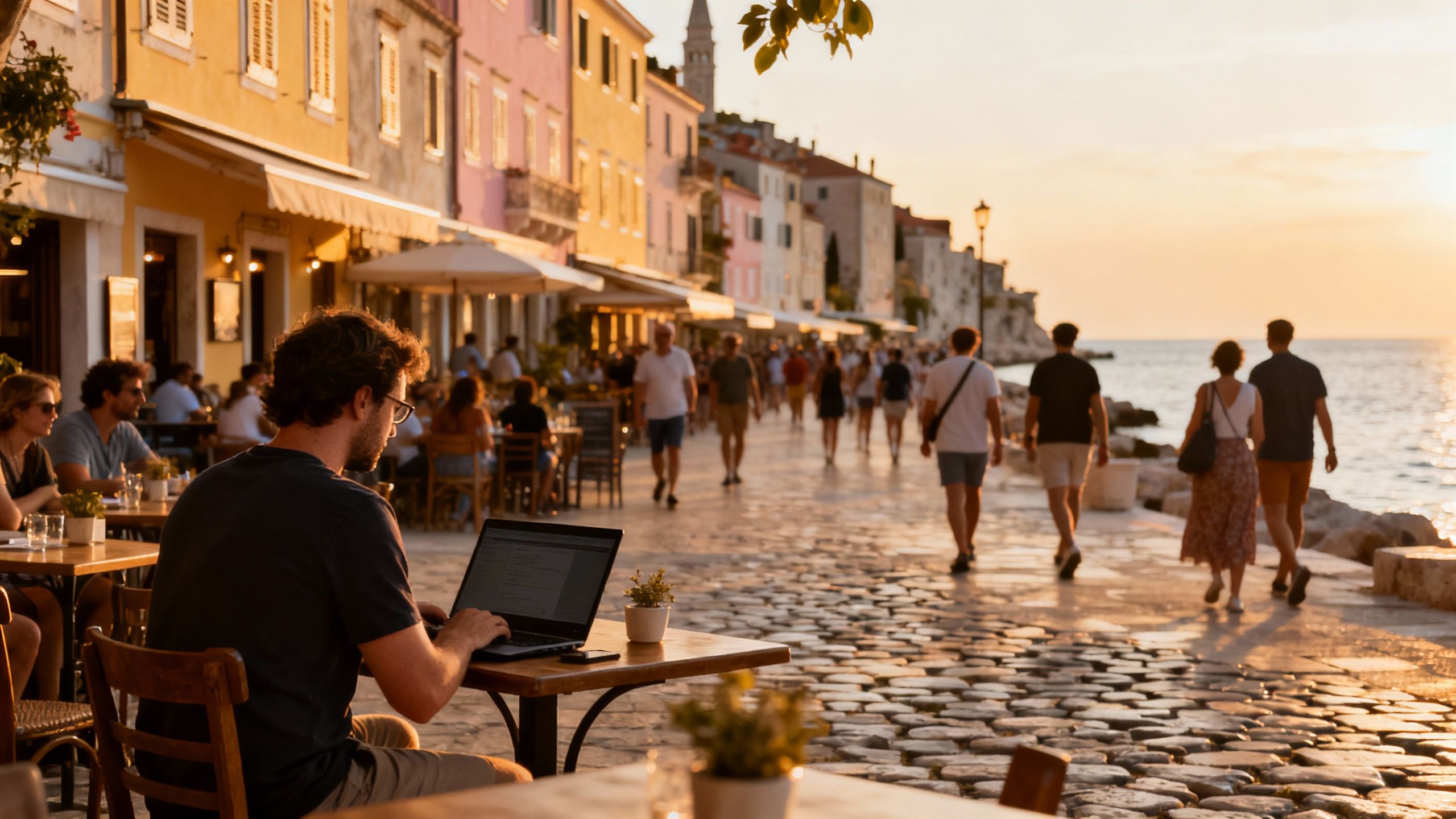
Imagine sipping espresso on a shaded terrace in Rovinj, then walking five minutes to a pebble cove where kids are learning to sail. Croatia feels like a sunlit postcard—stone streets, late-night konobas, and an Adriatic pace that slows you down on purpose. But the paperwork? That’s where the romance collides with reality. Before you sign for that sea-view apartment, learn the legal moves that protect both your lifestyle and your wallet.
Living Croatia: the daily rhythm that shapes what you buy
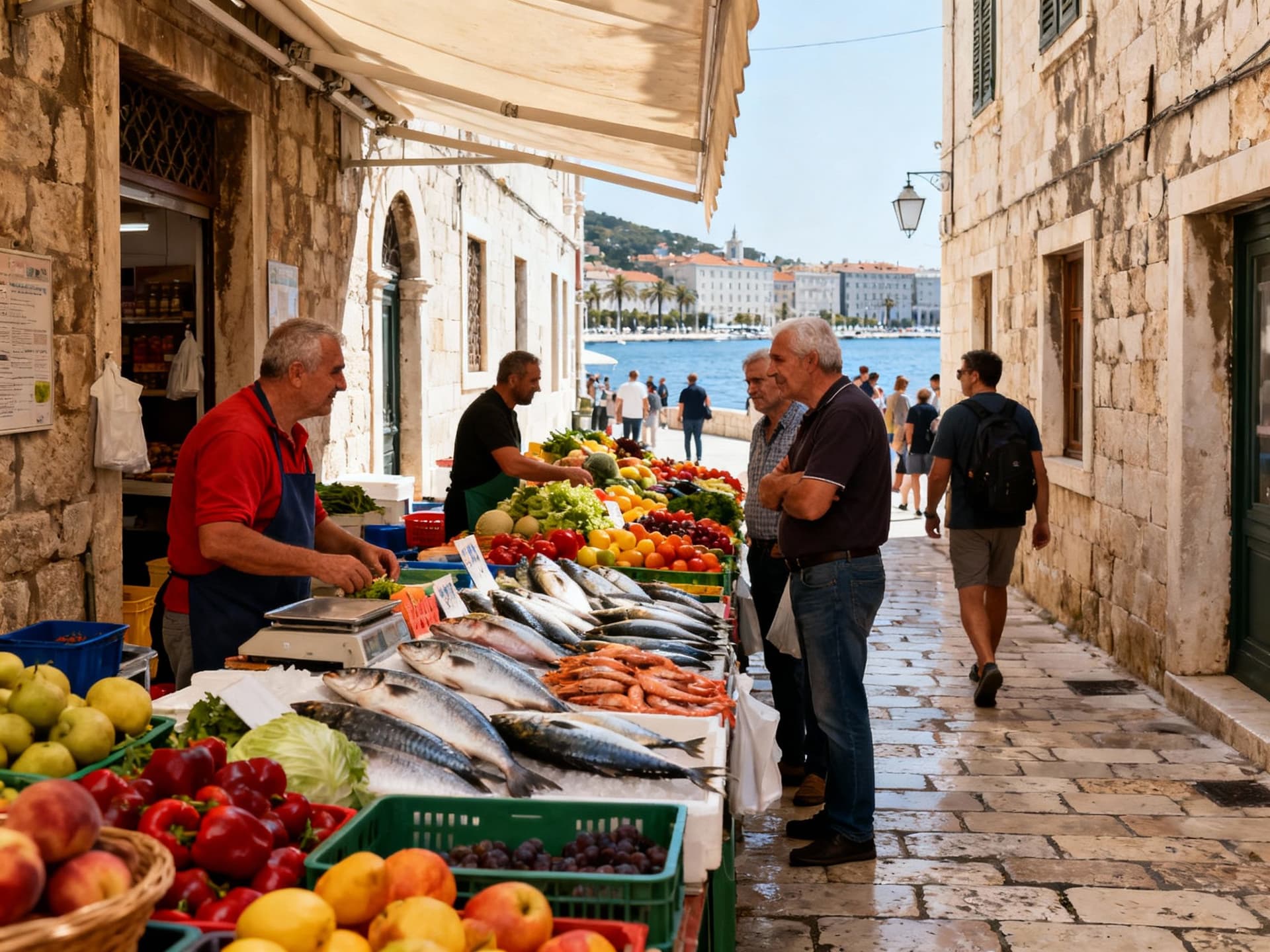
Croatia’s rhythm is coastal mornings and slow urban evenings. In Split you’ll hear scooters, in Istria the market vendors haggle over truffles, and on islands like Vis locals still close shops after lunch for a long siesta. Those rhythms dictate property choices: narrow stone flats near cafés suit social nomads; houses with terraces and storage rooms suit those seeking year-round life. Think about how you actually want to spend a Tuesday—not just a holiday.
Neighborhood micro-characters: where to taste the real Croatia
Walkable old towns—such as Split’s Varoš, Dubrovnik’s Lapad, or Zadar’s Poluotok—offer instant social life and cafe work nooks. Coastal villages like Stari Grad (Hvar) or Komiža (Vis) feel quiet off-season but are magnets for community-minded buyers. Inland pockets—Osijek’s Tvrđa or Zagreb’s Britanski trg—give park access and reliable year-round services. Match the neighborhood beat to your work hours and social needs.
Food, sun and coworking: lifestyle threads that matter
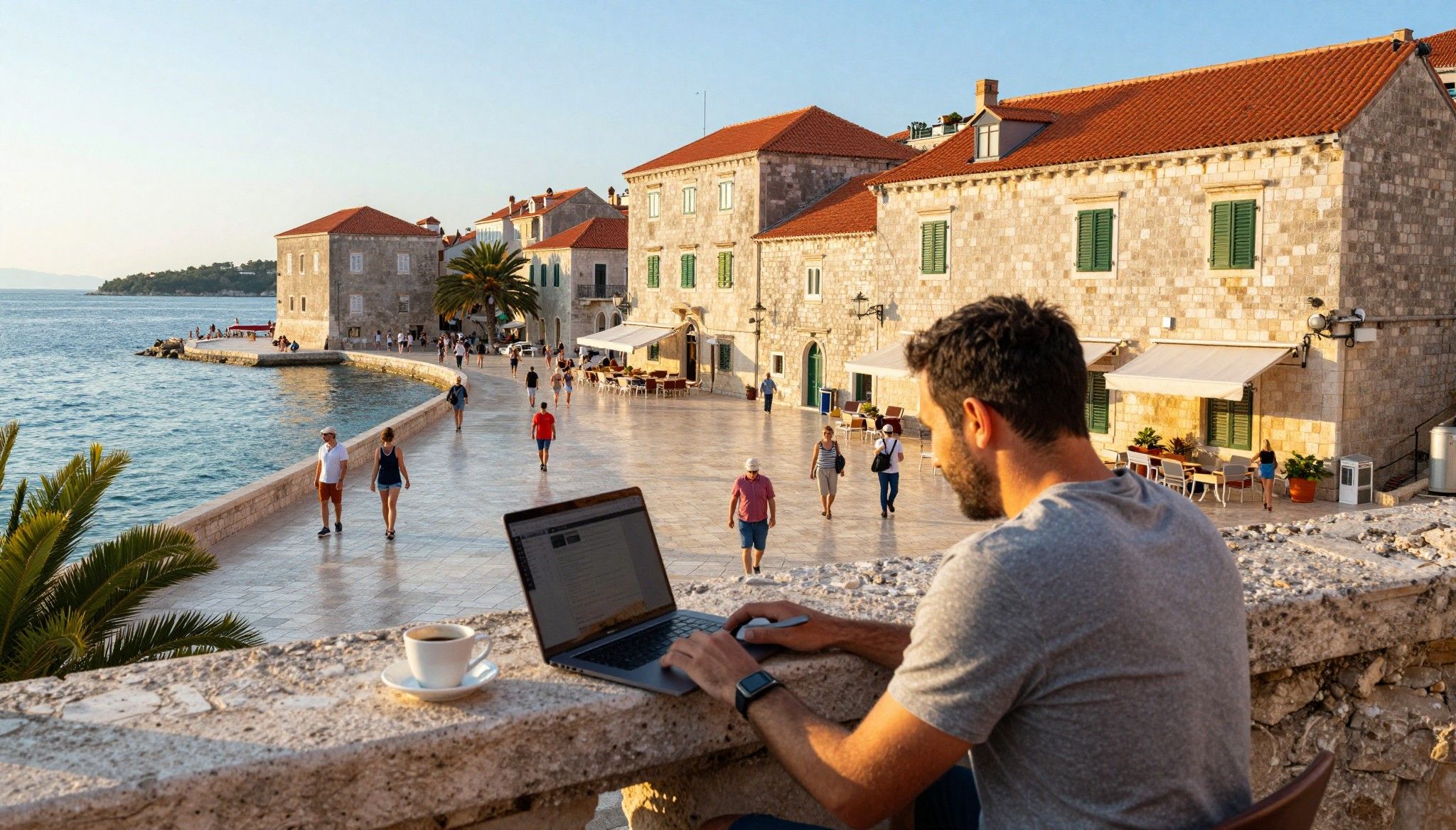
Markets (Pazar in Split, Dolac in Zagreb), konobas, and seaside cafés are not just charming—they’re community infrastructure. If you work remotely, scout neighborhoods with reliable cafés and at least one coworking hub (Zagreb, Split, Rijeka and Pula have growing scenes). Check mobile signal and fibre availability before falling for a view—because the best terrace is useless without decent upload speed.
- Lifestyle highlights to test in-person: morning market run (Dolac), espresso at Split’s Riva, evening pelješki wine tasting in a konoba, coworking day at HUB385 (Split), island ferry commute from Hvar’s Stari Grad.
Making the move: practical legal checks that protect the life you imagine
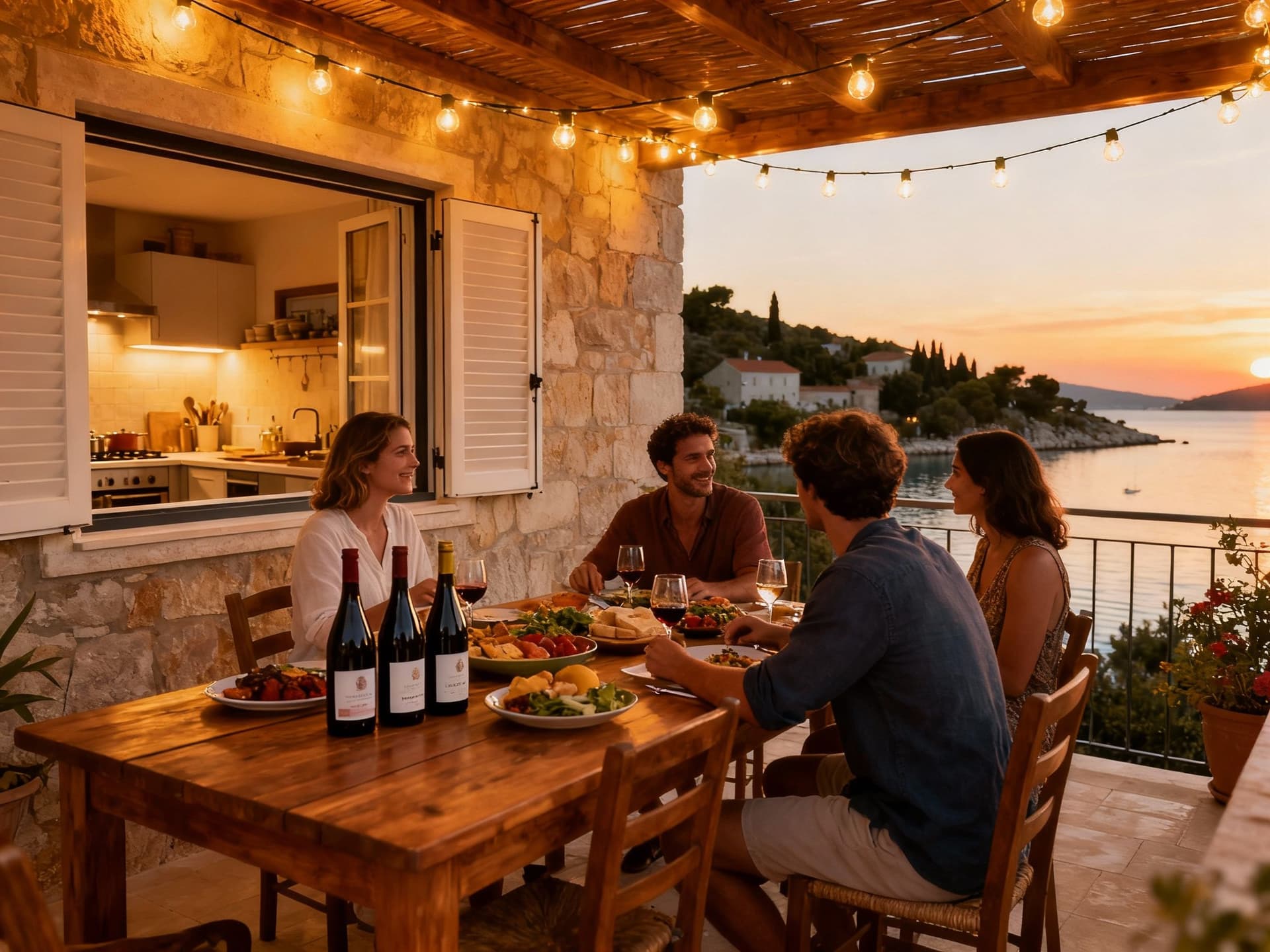
Dreams need a legal backbone. Croatia’s land system uses both cadastre (technical parcel data) and land registers (title and rights). For foreigners, rules vary—EU citizens generally buy on equal terms; non-EU buyers may need ministry consent. Start with the official government guidance and make those documents the map you follow.
The three title checks you must insist on
Request a current land registry extract (zemljišnoknjižni izvadak), cross-check cadastre maps (katastar) for parcel boundaries, and verify encumbrances—mortgages, easements, or disputed claims. These are non-negotiable: the land register is the legal title; the cadastre tells you what exactly you’re buying in physical terms.
Why translations, OIBs and notaries matter more than you expect
If you’re not fluent in Croatian, certified translations (sudski tumač) are required for many documents. You’ll also need a Croatian tax number (OIB) to complete registration and taxes. Final deeds are typically notarised; the notary confirms identities and signatures, and many foreign buyers use a local lawyer to prepare the Ministry consent (if required). Treat these as lifestyle enablers: they get you the keys legally and fast.
- Step-by-step due-diligence checklist: 1) Obtain up-to-date land register extract; 2) Verify cadastre map and building permits; 3) Request energy certificate and use permits; 4) Confirm seller identity and past ownership; 5) Check for mortgages/encumbrances; 6) Arrange certified translations and OIB; 7) Use a lawyer for Ministry consent if you’re a non‑EU buyer; 8) Notarise final deed and register ownership.
Insider knowledge: the mistakes expats actually make (and the surprising wins)
I’ve seen buyers fall for sunset views and skip the title search, or assume EU rules cover every purchase. Real people lost months waiting for ministry consent or discovered a misaligned cadastre boundary after closing. The upside? Quiet coastal villages often have simpler title histories than touristy hotspots, meaning cleaner transfers and happier long-term living.
Cultural and seasonal realities that affect contracts
Croatian sellers often expect flexibility around timing—summer holiday pauses and municipality slowdowns are real. Draft contracts with realistic deadlines and penalties for missed steps. Local custom also values personal relationships: a good agent or lawyer who speaks Croatian and knows the municipal clerks will speed things up and smooth surprises.
- Red flags to walk away from: unclear land registry extracts, missing building permits or use permits, verbal promises not in the contract, mismatched cadastral parcel numbers, and sellers unwilling to provide an OIB/identity documentation.
You came for the Adriatic mornings and the slow evenings—don’t sabotage that life with a rushed legal check. Pair in-person neighborhood tests (coffee, market, coworking day) with a rigorous title and cadastre review. Hire a Croatian lawyer who speaks your language and asks for the land register extract first. That mix—romantic testing of life and cold legal checks—keeps the dream real.
Practical next steps
- Visit the neighborhood on a weekday; ask the agent for the latest land register extract; get an OIB early; hire a Croatian-speaking lawyer for Ministry consent (if needed); budget for certified translations and notary fees; and schedule final signing in person or with a notarised power of attorney.
Conclusion: fall in love deliberately. Croatia’s lifestyle is real—market stalls, sea-salt air, and leisurely afternoons—but lasting happiness depends on paperwork done right. Treat due diligence as part of the discovery: it preserves the life you want and turns a romantic escape into a secure home.
Dutch investment strategist guiding buyers to Greece and Spain; practical financing, tax, and portfolio diversification.