Title Checks, Cadastre & Seasonal Life in Croatia
Fall for Croatia’s seaside rhythm, but buy with cadastre clarity: check title chains, inheritance claims and municipal plans to protect your dream home.
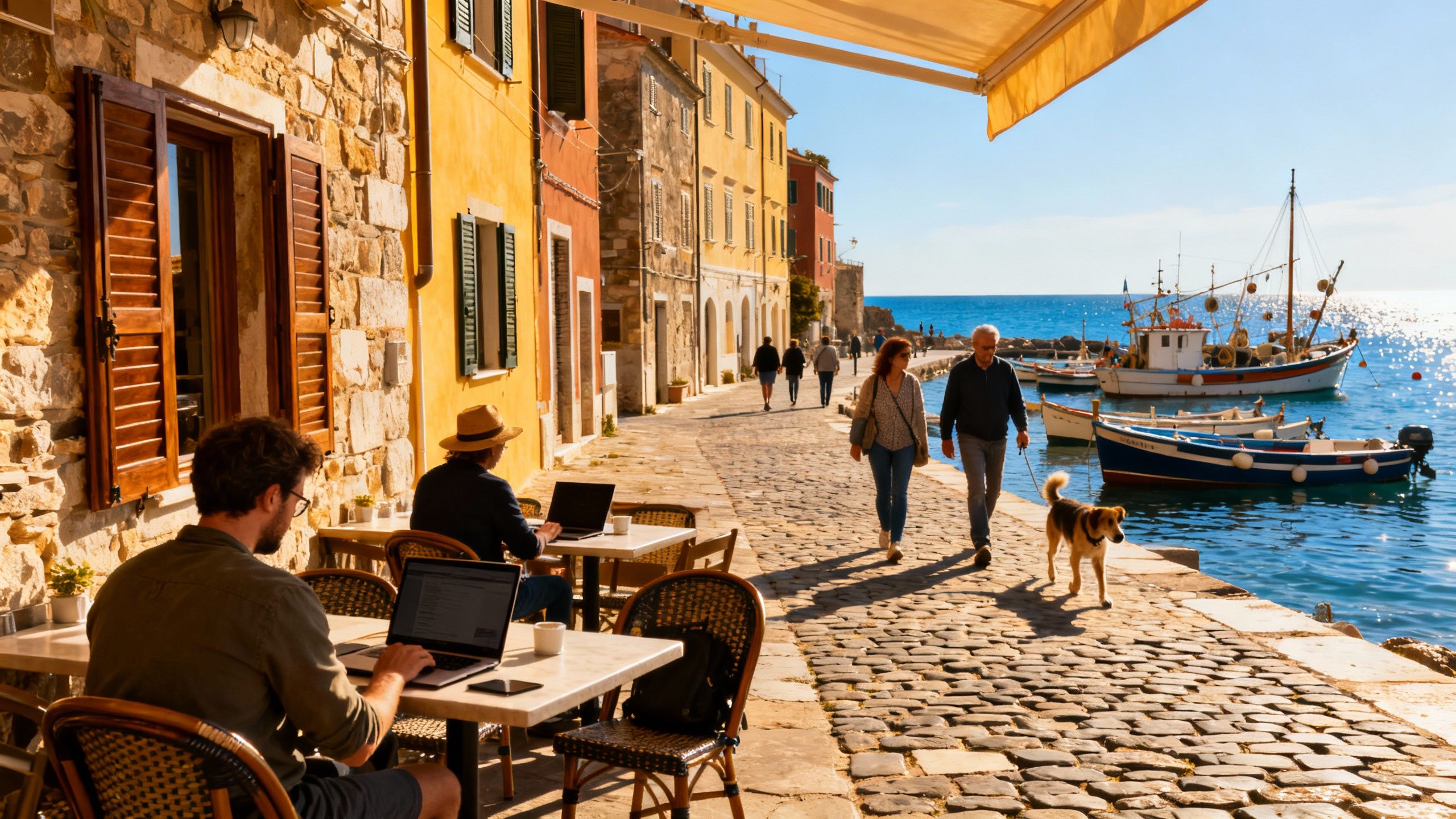
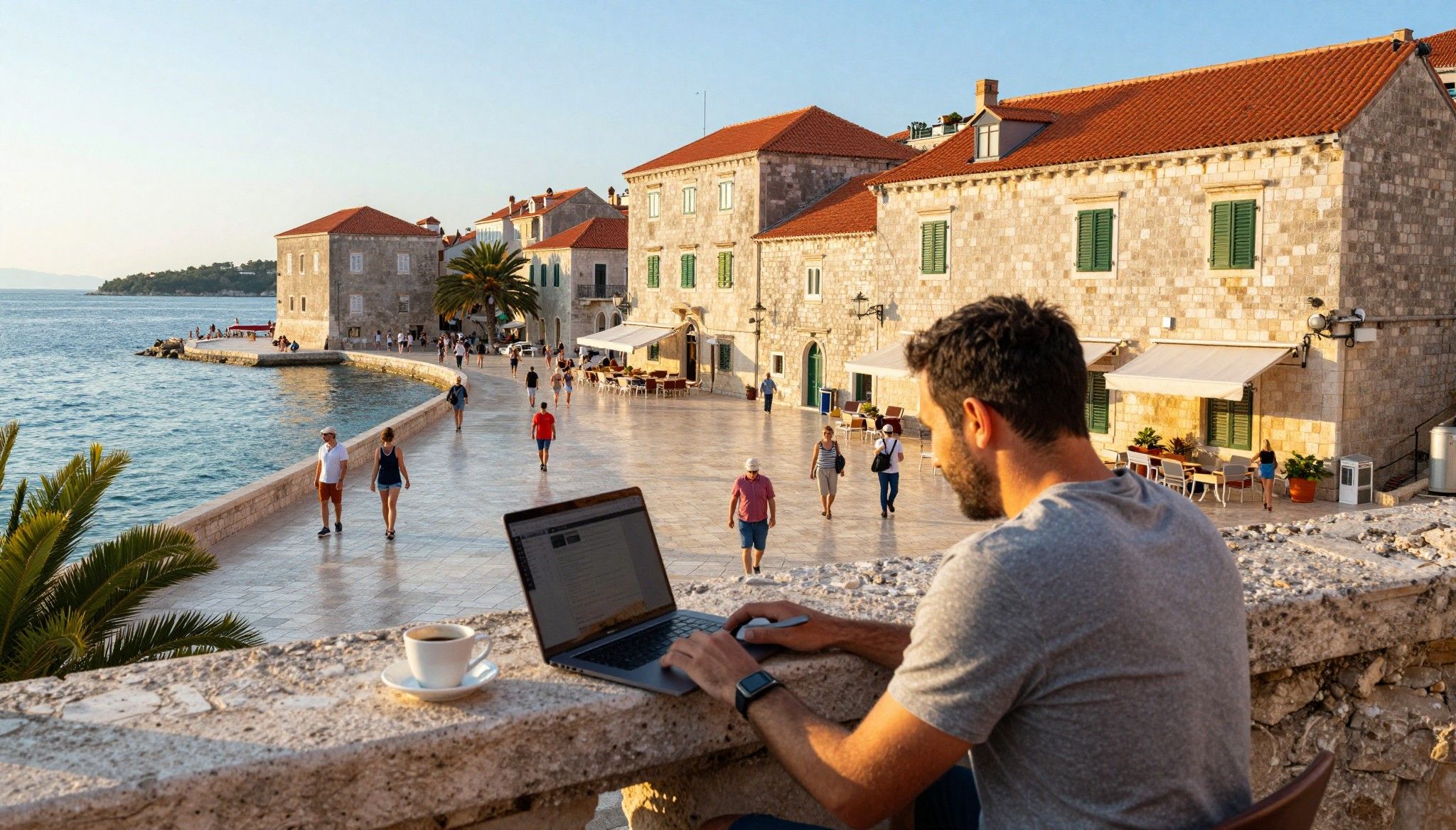
Imagine sipping a late‑morning espresso on Split’s Riva, laptop open, the sea glittering while fishermen mend nets nearby. Wind down in Zagreb’s Tkalčićeva at dusk, where candlelit terraces spill laughs into cobbled lanes. That’s Croatia: an easy cadence of coast and city, market mornings, long lunches and an unexpectedly practical bureaucracy when you know the right local fixers. But the dream and the deed can be very different — especially when it comes to title checks, cadastre quirks and contracts.
Living the Croatia lifestyle
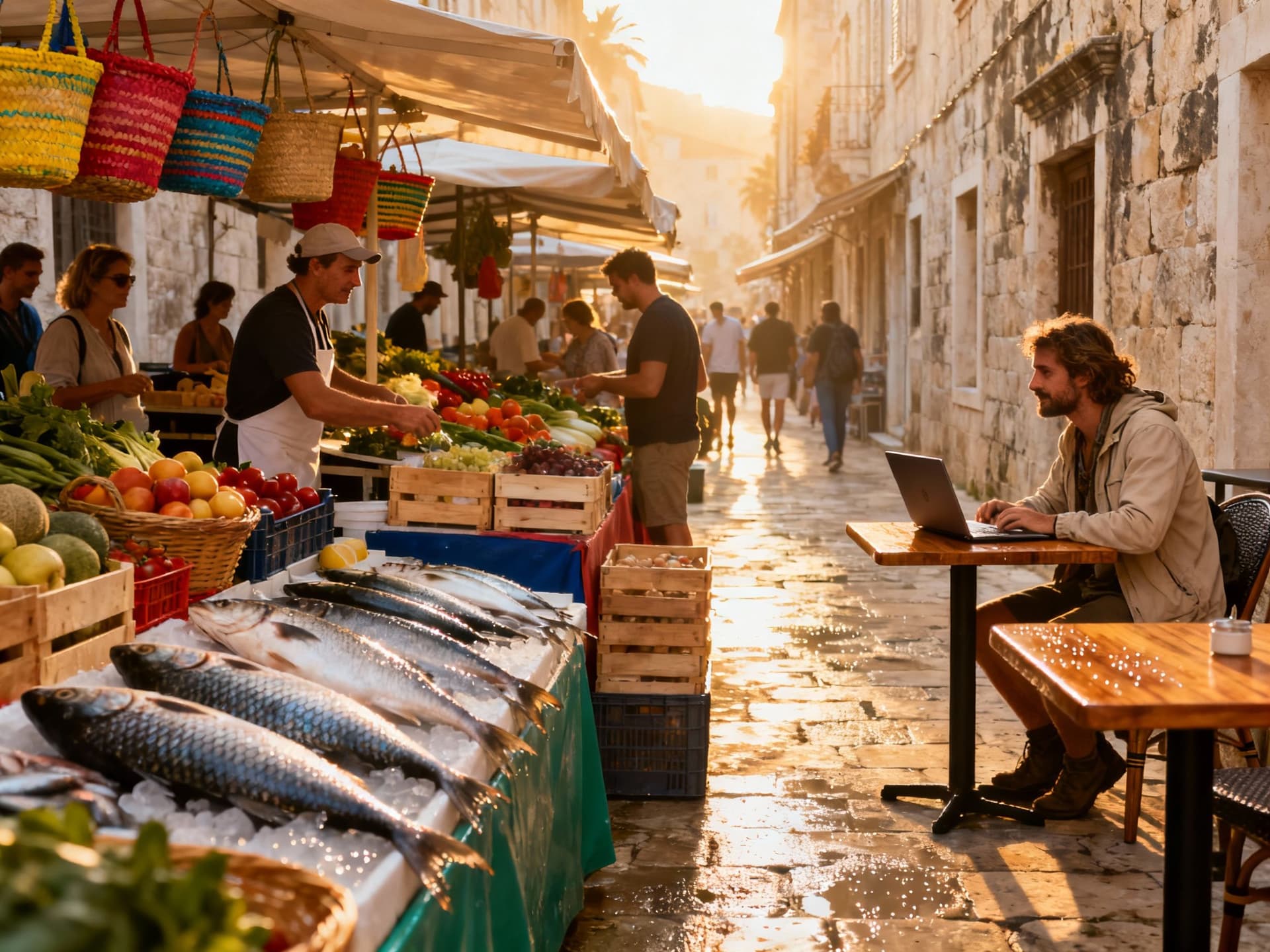
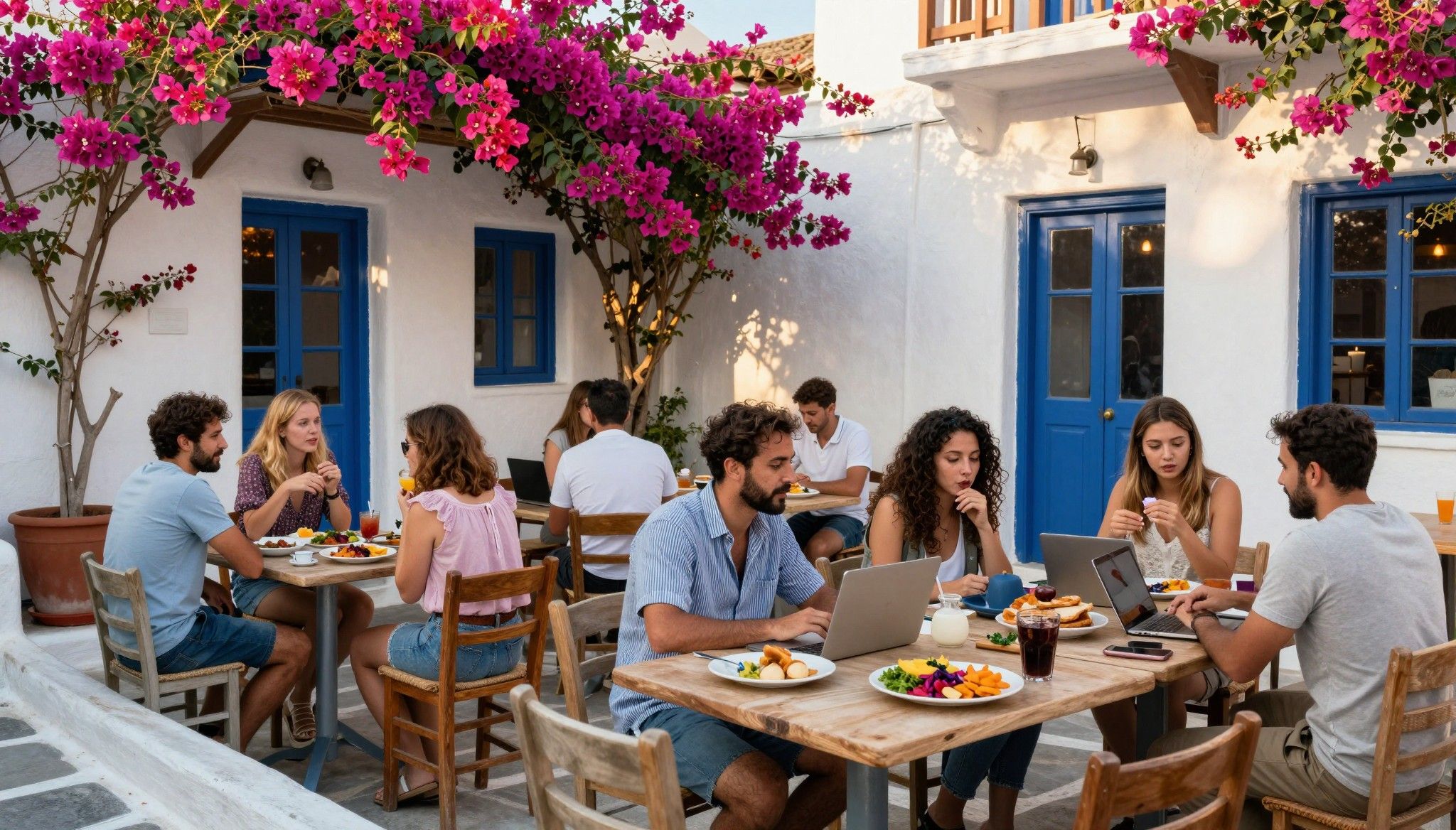
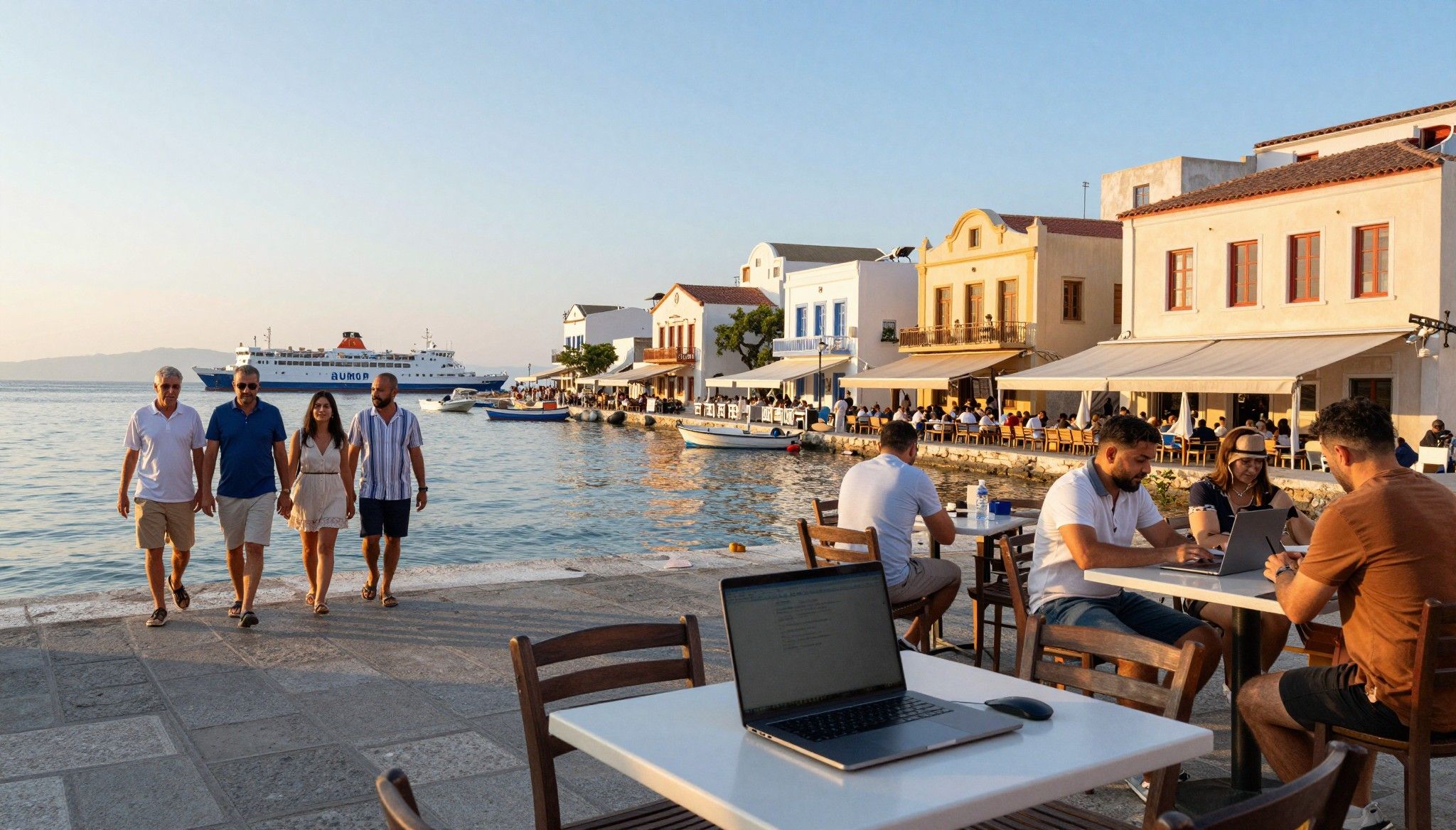
Croatia lives in seasons. Summers are Adriatic theatre — Hvar sunsets, oyster stalls in Ston and cafés full until midnight — while winters tuck towns into quieter rhythms: farmers’ markets in Zagreb hum on Saturday mornings and olive groves smell of sun-baked stone. If you picture daily life here, think outdoor offices and neighbourhood bakeries, not just sea views. Your weekdays could be coworking mornings in Rijeka, beach runs in the evening, and long Sunday markets in Istria.
Neighborhood spotlights: where locals actually live
Split’s Varoš and Meje feel lived-in: small lanes, family-run konobas and terraces where grandparents play cards. In Zagreb, Maksimir and Britanski Trg combine parks, cafés and reliable fibre — ideal for a nomad who wants community but also a quiet flat to work. On the Istrian peninsula, Rovinj’s Old Town is postcard-perfect at sunrise but quieter inland villages like Vodnjan offer space, cheaper stone houses and real neighbourliness.
Food, markets and micro-rituals that shape life
Weekends in Croatia often mean markets: Dolac in Zagreb for seasonal fruit, Pazar in Split for fresh fish, and tiny island markets for home‑made cheese. These routines matter because they shape what properties are worth — proximity to markets, a balcony for drying figs, storage for olive oil. Those lifestyle details should be part of your due‑diligence checklist, not extras you discover after closing.
- Lifestyle highlights to consider when choosing a neighbourhood
- Varoš (Split) — sea breeze, narrow lanes, very little parking; great for walkable life
- Maksimir/Britanski Trg (Zagreb) — parks, cafés and strong digital infrastructure
- Vodnjan/Istria hinterland — stone houses, cheaper land, authentic village life
Making the move: practical considerations
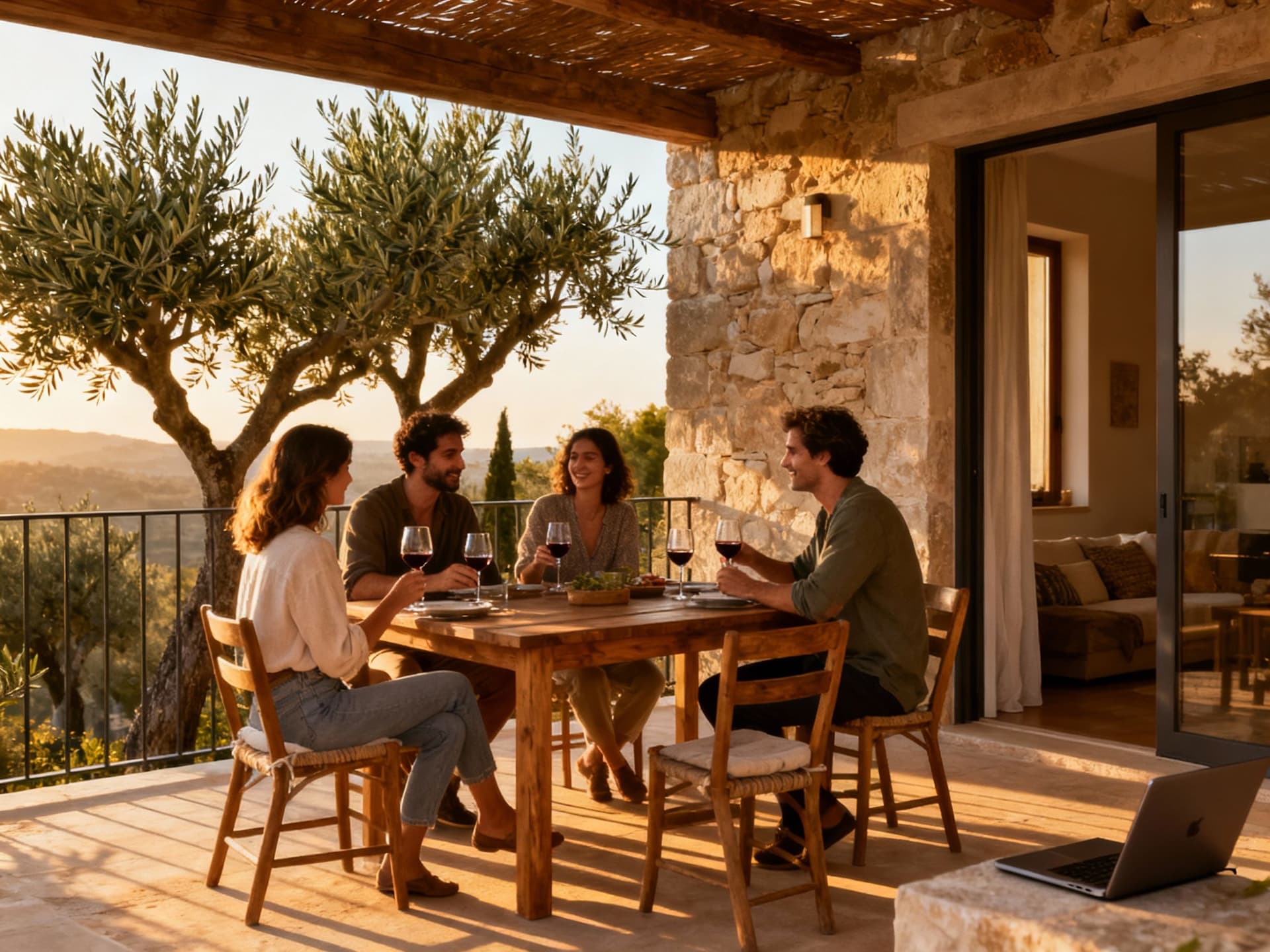
You can fall in love with a terrace in Šibenik or a stone house in Slavonia, but then you’ll face paperwork. Croatia’s market has been heating up — coastal prices rose sharply through 2024–2025 — and the government has introduced tax changes aimed at housing and short‑term rentals. That makes title clarity and contract terms more important than ever; a clean deed prevents surprises when tax rules or local regs change. Always check the cadastre record and whether a property is registered for short‑term rental use.
Property types and how they'll shape daily life
Stone renovation: romantic and cool in summer, but check insulation and roof legitimacy before you buy. New build apartment: easier utilities and warranties, but association rules can restrict rentals. Rural farmhouse: space and olive trees, but plan for winter heating and distance from services. Match the property form to your routine: if you work online, prioritise fibre and a quiet room over a showy sea view.
Work with local experts who get both lifestyle and law
Use advisors who combine legal chops with neighbourhood knowledge. A notary in Croatia is essential — they confirm contracts and register changes — but pair them with a local agent who knows if that coastal ‘view’ is actually a shared easement. Ask for a lawyer who speaks your language and has a track record with foreign buyers.
- Steps to a lifestyle-aligned purchase
- 1. Visit off-peak: inspect streets, check winter wind, and test commute times.
- 2. Ask for cadastre extracts + land registry deeds: confirm boundaries and owner history.
- 3. Order a local technical inspection (pregled stanja) to spot damp, roof or wiring issues.
- 4. Check municipal plans: is there a planned road or development that will change the view?
Insider knowledge: what expats wish they'd known
Expats often tell the same story: they bought for the sea and later wished they’d bought for the winter market. Seasonality matters for community, services and long‑term living. Also, beware the ‘beach‑view premium’ — many properties priced for tourists are harder to use as year‑round homes because of limited insulation, parking and municipal services in winter.
Cultural quirks that affect ownership
Croatians prize long family ties and often pass property through inheritance; that creates complicated title chains. Always check for unresolved inheritance claims (posesija rights) and ask sellers for clear probate or succession documentation. A seemingly clear owner may be one of several legal heirs if past transfers weren’t properly registered.
Long-term lifestyle + practical considerations
Think five years ahead: will you want rental income in summer, or a quiet neighborhood with year‑round cafes? Local tax changes and municipal rules can alter rental economics; recent reforms target short‑term lets to ease housing pressure, so budget for potential limits and new property taxes.
- Red flags to stop and investigate before you sign
- Title chain gaps, missing cadastre entries, or claims from unlisted heirs
- Unpermitted renovations (especially roof terraces) that don’t match municipal plans
- Utilities not connected or registered — check metering and service contracts
Conclusion: live the life, but buy the right paperwork. Croatia gives you agility — a café culture, coastlines, islands and historic towns — but its legal landscape rewards patience and local expertise. Start with an off‑season visit, hire an English‑speaking lawyer and notary, get cadastre and inheritance checks, and pair them with a neighbourhood‑savvy agent who knows where real life hums year‑round. That way, you’ll end up with both the terrace you dream of and the title deed that keeps it.
British expat who moved from Manchester to Mallorca in 2017. Specializes in market analysis and helping fellow Brit navigate local regulations.