Why Winter Is the Smart Time to Buy in Greece
Winter house‑hunting in Greece can be a strategic advantage — calmer viewings, motivated sellers and leverage — but only with rigorous title and permit checks.
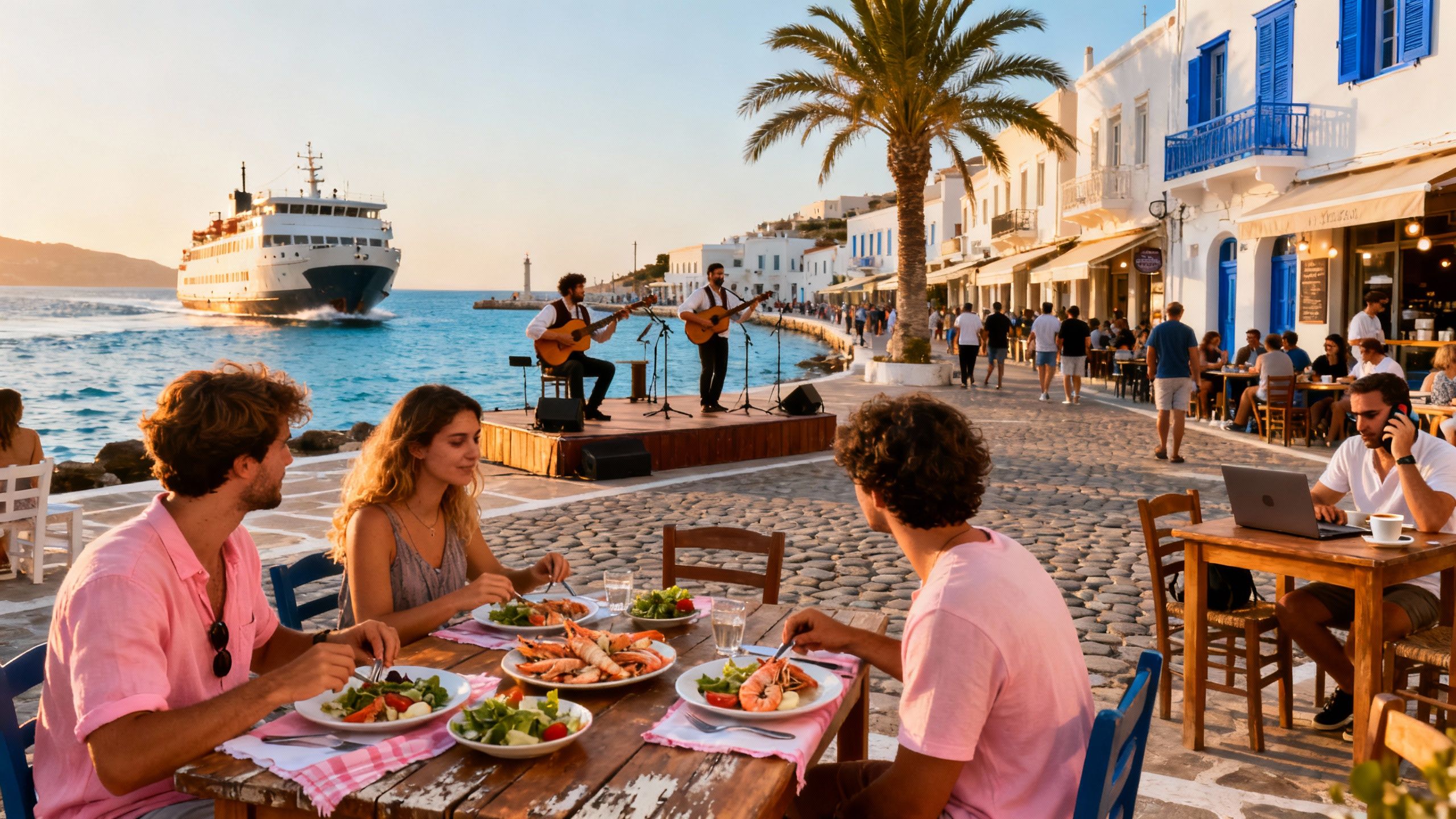
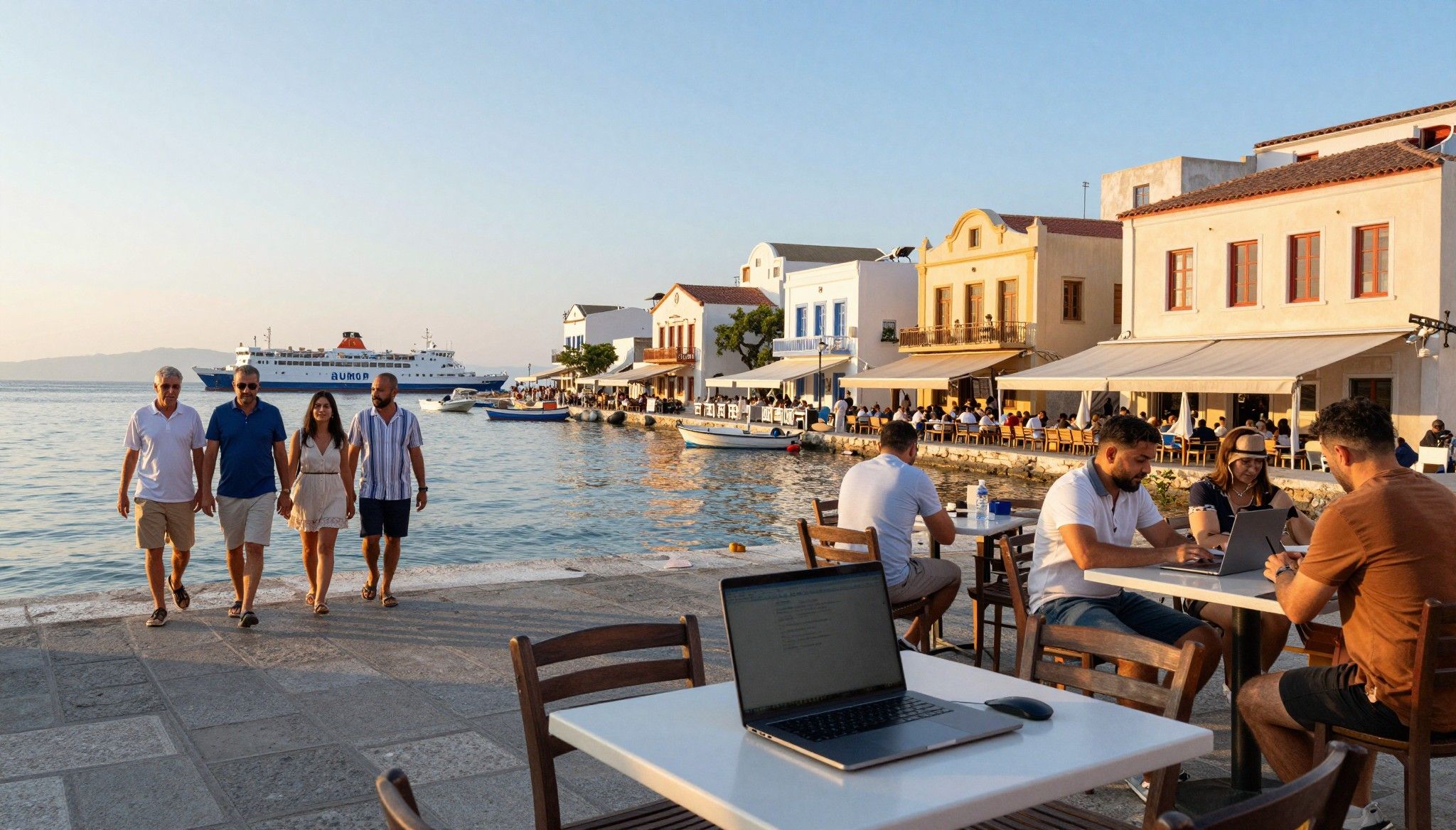
Picture this: an iced freddo on a sunlit Athens pavement, ferry horns in the distance and a neighbourhood cat weaving between outdoor tables as you answer a client call. Greece moves at a warm, human pace — loud markets, late dinners, siestas on slow summer afternoons — but it also hums with modern coworking spots, fast fibre in pockets of the islands, and communities of remote workers who’ve swapped cubicles for courtyards. That pleasant contradiction is exactly why timing and legal checks matter: the life you want here is irresistible, but the property market has its own seasons and rules.
Living the Greek life — mornings, markets and neighbourhood rituals
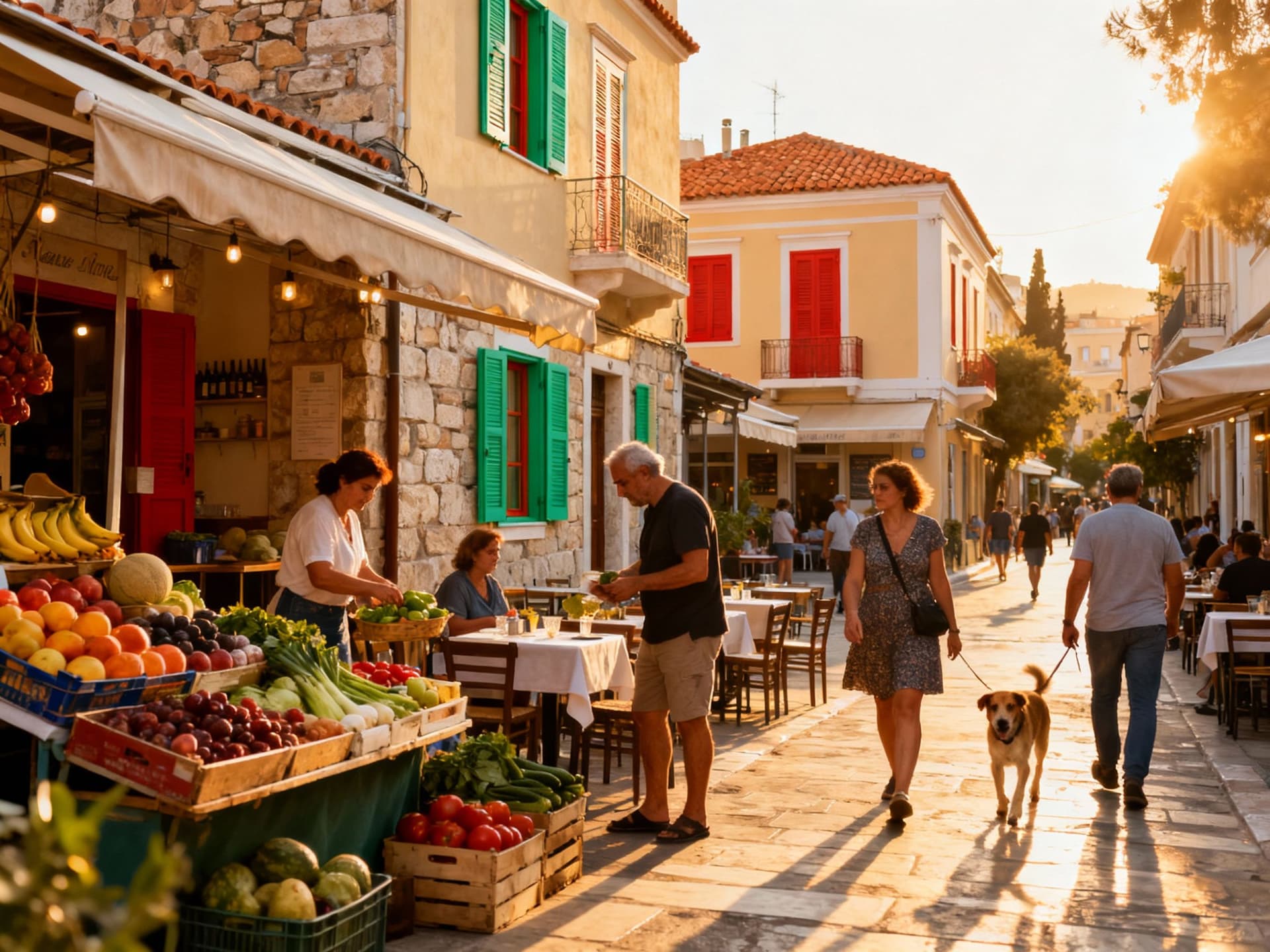
Morning ritual in Greece often means espresso and a quick stroll through a neighbourhood market. Whether you land in Koukaki in Athens, the old port of Chania, or the quieter streets of Naxos’ Chora, you’ll find friendly shopkeepers, bakeries that still wrap spanakopita by hand, and a rhythm that invites you to live outdoors. For nomads, that translates into walkable routines: cafés with good coffee and sockets, short ferry trips for weekend escapes, and neighbourhood squares that double as coworking lunch spots.
Neighborhood snapshots: Koukaki, Glyfada, and Chania old town
Koukaki (Athens) — narrow lanes, hidden tavernas and fast cafés near Acropolis viewpoints make it perfect for daytime exploring and evening social life. Glyfada (Athens Riviera) — if you crave beaches, yacht-lined promenades and seaside cafés with stronger expat pockets, this suburb blends coastal leisure with reliable services. Chania old town (Crete) — Venetian laneways, waterfront seafood and local markets; ideal if you want island calm without total isolation.
Food, festivals and the small pleasures that shape where you live
Weekends in Greece are often centered on food: farmers’ markets overflowing with tomatoes and feta, seaside tavernas that open late, and seasonal festivals where the whole village gathers. These rituals affect property choices — a balcony facing a market is priceless for some, while others prioritise a quiet lane five minutes from a beach. Think about the lifestyle signatures you want daily, not just the weekend postcard.
- Lifestyle highlights to scout on visits: Koukaki’s café cluster, Glyfada’s promenade and marinas, Chania’s Saturday morning market, an evening plateia with live music, and island ferries that double as weekend offices.
Making the move: match the lifestyle to the legal checks
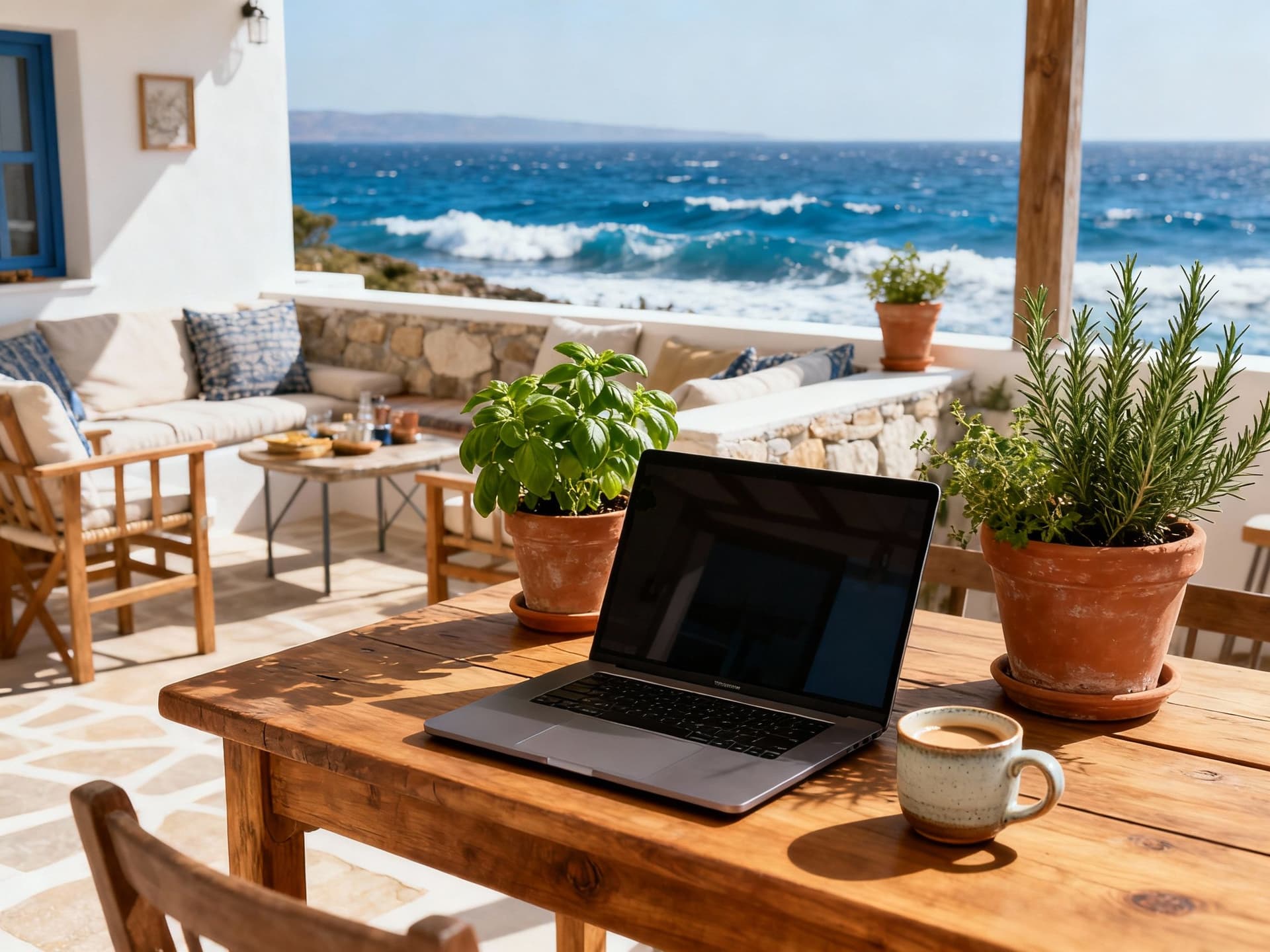
The dream scene above meets the reality of legal paperwork. Greece’s market has been rising: Bank of Greece and local networks reported notable price growth into 2024–25, and supply constraints in construction have tightened choices. That means due diligence — title checks, zoning, permits and up-to-date land registry records — becomes less optional and more essential. Do your lifestyle scouting first, then bring a lawyer and a surveyor who speak local zoning and deed history fluently.
Property types and what they really mean for daily life
New builds in Athens or the Riviera often have modern insulation, elevators and warranties — great for low-maintenance life and winter comfort. Older stone houses on islands breathe beautifully in summer but may need rewiring, seismic retrofits and water-system upgrades. If your laptop is your office, prioritise a quiet corner, reliable internet (test it on-site), and a terrace that doubles as a lunch break with a view.
Work with locals who know both lifestyle and law
- Hire an English-speaking lawyer familiar with Greek title deeds and zoning; verify utilities and broadband availability with the municipality; commission a structural survey for older homes; check cadastral records and any outstanding mortgages; confirm building permits and usage rights; and budget for notary fees, transfer tax and potential renovation.
Insider knowledge: timing, red flags and surprising advantages
Contrary to island-season fantasies, winter can be the smartest time to buy in Greece. Viewings are calmer, motivated sellers emerge, and local agents have time to dig up off-market listings. Official data shows price growth continued into 2024 and early 2025, but momentum cooled in some urban areas — giving patient buyers leverage if they move outside the high-summer frenzy. Still, legal checks don’t sleep: every off-market gem needs the same title and permit scrutiny as advertised listings.
Red flags to spot during viewings
- Unclear or missing title deeds, inconsistent boundary descriptions, absent building permits (especially for terraces or extensions), signs of recent unpermitted work, and utilities not registered to the property owner.
A winter house‑hunt checklist that blends lifestyle and law
- Plan focused visits outside peak season; test internet speed at different times; ask agents about off‑market and repossessed stock; get a conditional offer in writing subject to title clearance; arrange a local lawyer to search the registry; and negotiate timelines that allow thorough checks.
What expats wish they'd known: culture, bureaucracy and long-term thinking
Expats often underestimate how social ties shape daily life in Greece. Your neighbour’s hello matters — local goodwill can smooth permit applications, utility set-ups and small renovations. Bureaucracy moves at a distinct pace; expect polite persistence and plan for appointments, translations and certified copies. Long-term, think about energy upgrades, seismic reinforcement and seasonal rental potential if you want income while you’re away.
Longer-term practicalities that preserve lifestyle value
- Invest in insulation and efficient heating for winter comfort; verify coastal setback rules before buying seafront; budget for annual property maintenance and local taxes; set up a reliable property manager if you plan to rent; and register for an AMKA/ tax number early if you’ll be on long stays.
Greece can feel autobiographical: your days will stitch together market mornings, seaside afternoons and tavernas that remember your order. If you marry that lifestyle to rigorous legal checks — title clarity, cadastral confirmation, verified permits — you get the best of both worlds: a place that feels effortless and a purchase that’s secure. Start with a winter scouting trip, bring local experts, and let the island afternoons convince you after the paperwork’s clean.
Next steps: book a local agent who understands seasonality, arrange a lawyer to pre-check deeds before making offers, and schedule a winter visit to see neighbourhoods without the summer gloss. If you want help narrowing neighbourhoods that fit remote work needs (fast cafés, coworking, flights and ferries), an agency that knows both lifestyle and legal checkpoints will save you weeks — and a lot of stress.
Swedish, relocated to Marbella in 2018 to chase sun and property freedom. Focus on legal navigation and tax for Nordic buyers.