Croatia: Money, Banks & How to Buy with Confidence
Experience Croatia’s coast, cities and festivals while pairing local banking, mortgage options and legal checks to buy confidently—sources include DZS and Colliers.
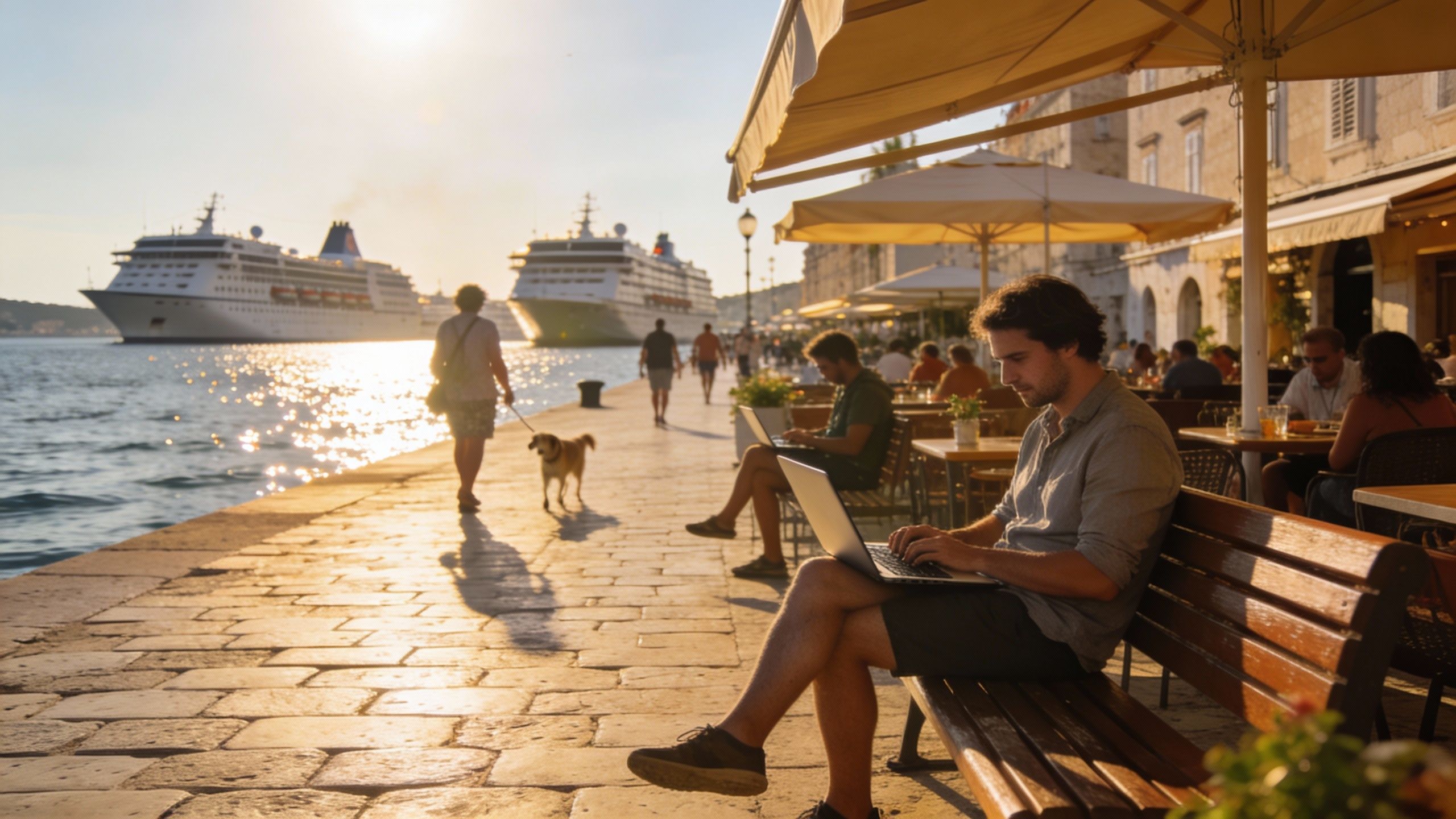
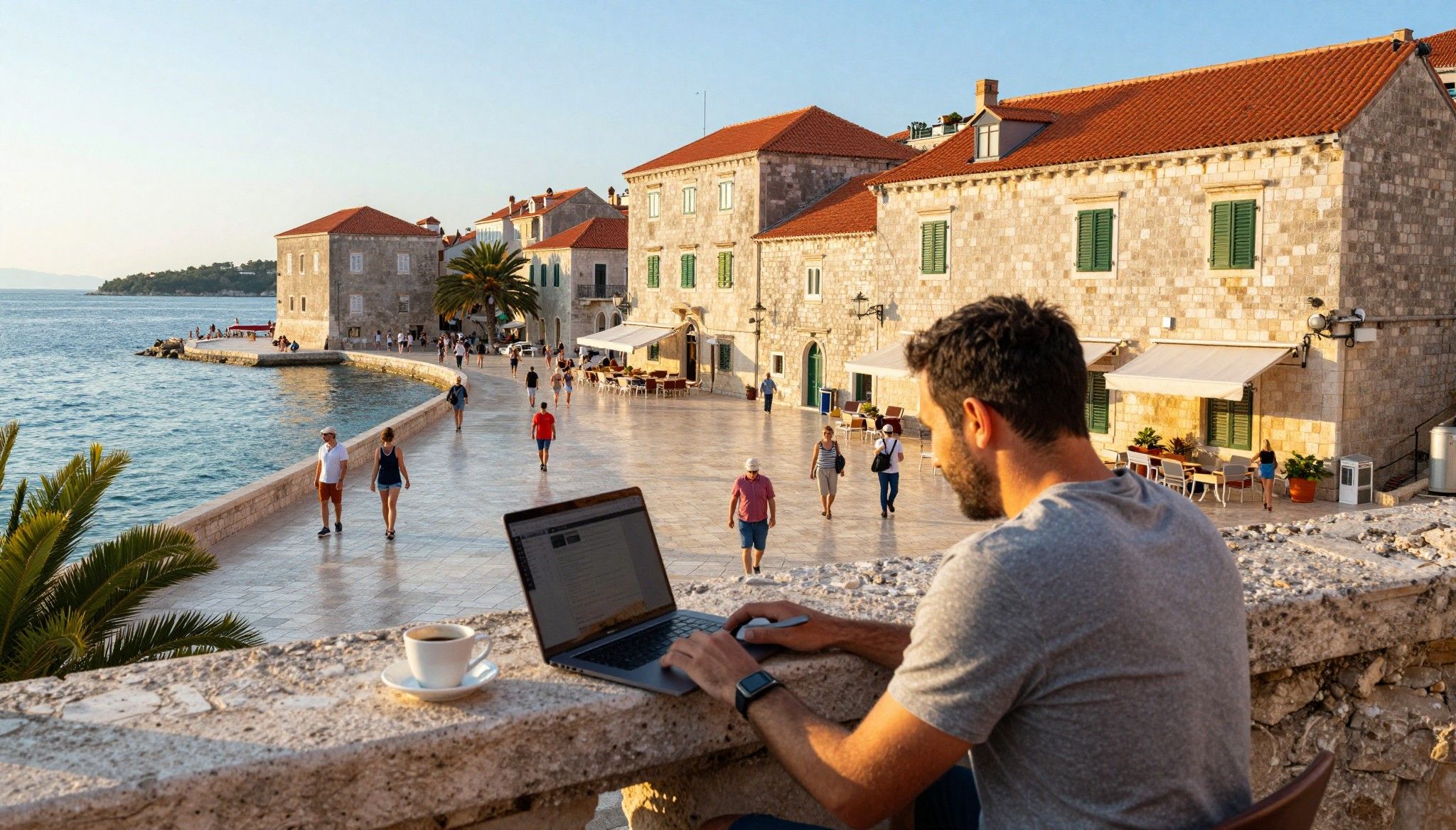
Imagine starting your day with espresso at Split’s Riva, laptop open, the Adriatic glinting as fishermen dock. In Croatia the rhythm is sunlit cafes, island ferry timetables and late‑night konobas, yet behind that postcard calm the property market is racing and rules differ depending on your passport. This guide mixes the dreamy—markets, neighborhoods and seasonal life—with practical financing and banking steps so you can fall for a place and buy it smart.
Living the Croatia life
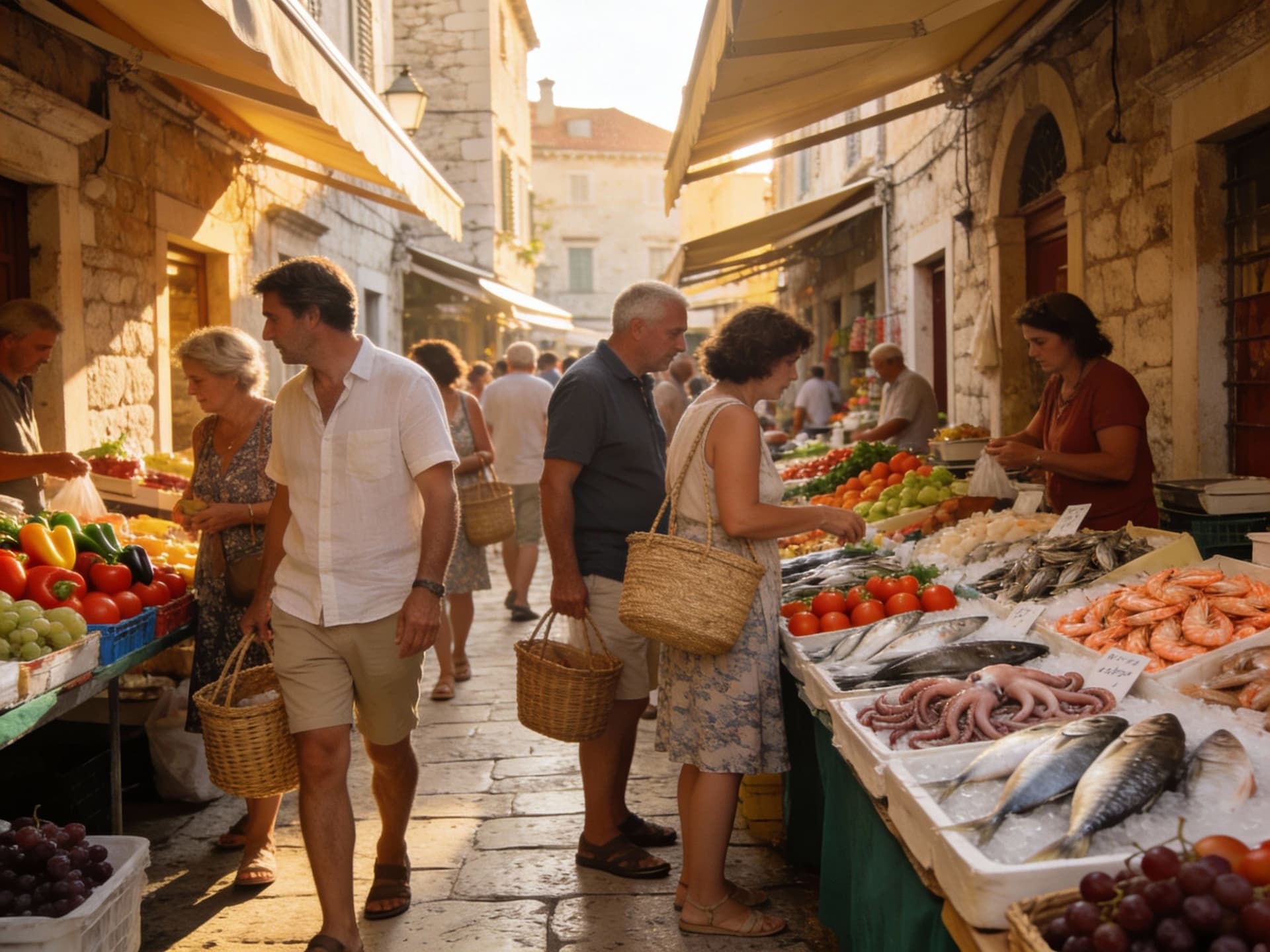
Croatia feels Mediterranean but with Central‑European efficiency. Morning markets in Hvar, tram rumble through Zagreb’s Donji Grad, and island summers where locals still know everyone. Days are outdoorsy—kayaking around Brac, weekend koncerte in Zadar—while evenings revolve around long dinners of grilled fish and pašticada. For nomads the appeal is obvious: compact cities, strong cafés with fast Wi‑Fi, and an Adriatic coastline that becomes your weekend office.
Zagreb, Dalmatian coast and small‑town rhythms
Zagreb is work‑friendly: coworking hubs in Martićeva and around Britanski trg, lively bars, and year‑round cultural life. On the coast, Split’s Diocletian charm and Trogir’s stone alleys are busier in summer but surprisingly calm outside peak months. Then there are quieter Istrian towns like Rovinj where weekend markets and truffle festivals shape social life. Each area asks a different daily rhythm—choose whether you want island slow mornings or city‑paced weekdays.
Food, festivals and the seasonal heartbeat
Seasonality is how life is organised: summer ferry timetables and festivals bring noise and rental opportunity, while autumn’s olive harvest and winter’s quieter cafés reveal daily Croatian life. Tourism has been growing, which boosts rental demand in coastal towns but also pushes up prices and changes neighbourhood character. If you love food culture—market stalls in Dolac, fresh oysters in Ston—you’ll trade some peace for living close to that action.
- Lifestyle highlights to scout in person
- Espresso and coworking near Britanski trg (Zagreb)
- Sunset promenade walks on Split’s Riva and weekend island hops to Hvar
- Truffle and wine weekends in Istria (Motovun, Grožnjan)
Making the move: money, banks and financing
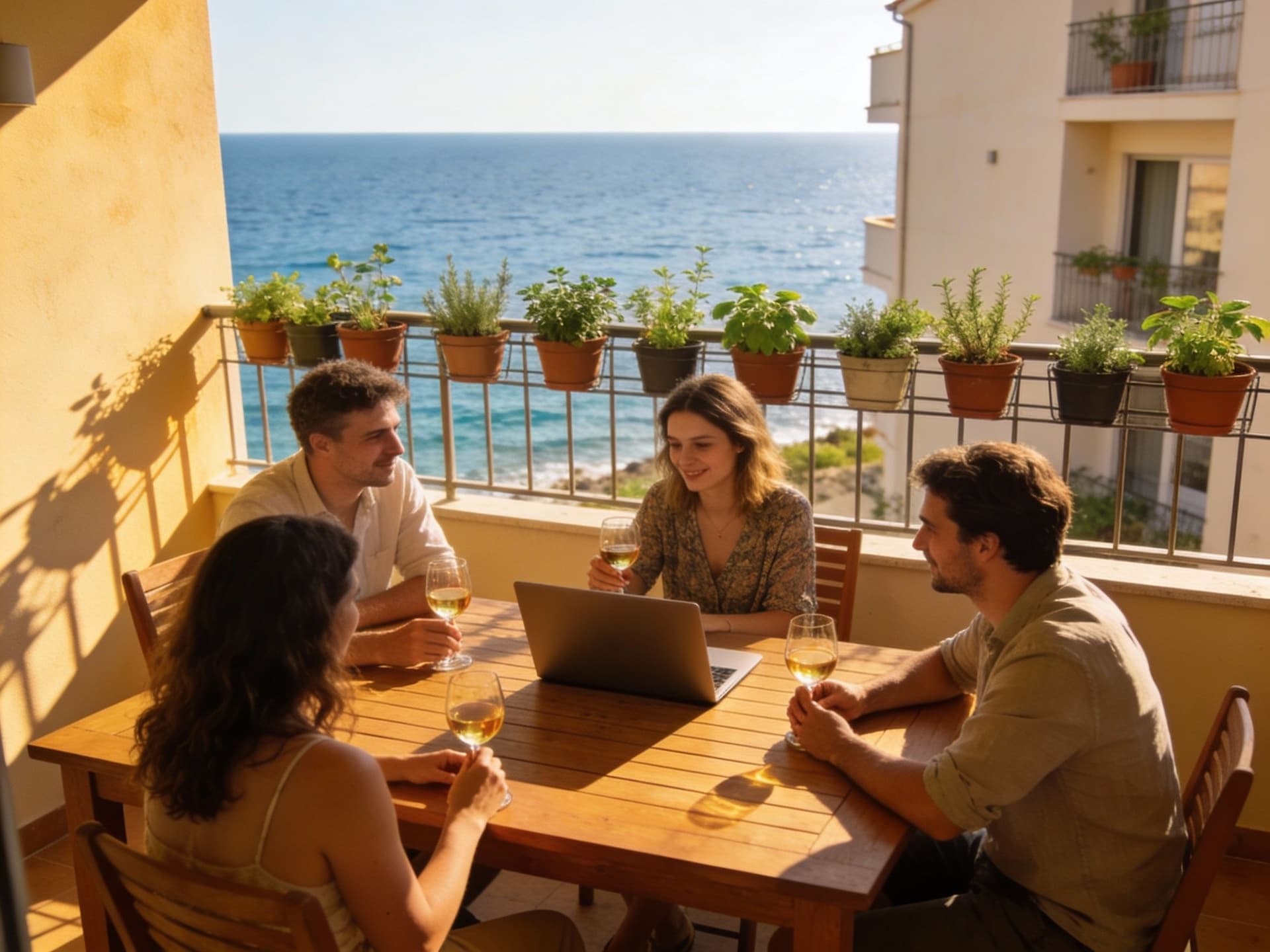
Prices in Croatia have climbed significantly in recent years—official data show double‑digit annual rises at times—so prepare for competition in Zagreb and on the coast. Yet markets are uneven: inland counties are far cheaper, and sales volumes have cooled in 2025 compared with earlier highs. That means financing strategy matters: fixed vs variable rates, timing currency transfers, and whether you’ll seek an HNB‑regulated mortgage in kuna or a euro‑linked loan.
Mortgage basics and currency considerations
Croatian banks offer mortgages to residents and, in many cases, to non‑residents with stronger documentation. Interest rates rose with European tightening, so lock in offers if you see a good fixed‑rate window. If you’re paid in euros or dollars but the loan is in kuna (HRK), consider currency risk—convert and time transfers carefully or discuss a euro‑linked mortgage with your bank to reduce mismatch.
How to work with Croatian banks as an international buyer
Open a local bank account early—many sellers and utilities prefer HRK payments—and get an OIB (tax ID) before making big transfers. Banks will want proof of income, tax returns and often a local guarantor or higher deposit for non‑residents. Talk to at least two banks and a currency broker; small timing differences in exchange rates can save thousands on a property purchase.
- Step‑by‑step financing checklist
- Get an OIB and open a Croatian bank account; ask banks about mortgage eligibility for non‑residents.
- Compare fixed vs variable offers and request a euro‑linked alternative if your income is foreign currency.
- Use a regulated currency broker for large transfers and set up staged transfers to average exchange rates.
Insider knowledge: legal twists, taxes and realistic expectations
Practical reality: EU/EEA/Swiss citizens buy like locals; other nationals may need Ministry of Justice approval (reciprocity rules) which can add weeks or months. New property tax reforms changed the running costs for vacation rentals and empty second homes in 2025, so don’t assume low ongoing tax by default. Hire a Croatian lawyer to check land registry, zoning and any coastal protection status before you sign.
Red flags and quick checks before you commit
- Seller missing recent land‑registry extract or a notarised power of attorney.
- Property in a protected coastal zone or maritime domain where ownership is restricted.
- Unclear utility connections, unpaid communal charges, or unfinished building permits.
What agencies and lawyers actually do for you
A good local agency saves you time with neighbourhood knowledge—knowing which Splitska street has reliable fiber or which Rovinj blocks are quiet after tourist season. Lawyers handle Ministry approvals, verify reciprocity and clear title issues, and a notary finalises registration. Treat an agency as your lifestyle translator and a lawyer as the gatekeeper for the legal clean‑up.
- Quick action plan — how to move from dreaming to signed contract
- Visit and live in your target neighbourhood for at least a week (test cafés, Wi‑Fi, commute).
- Get pre‑approval from a Croatian bank and quote from a currency broker.
- Hire a Croatian lawyer, request recent land registry extracts, then make a conditional offer.
Moving here changes your life in small, wonderful ways: afternoon promenades replace gym routines, neighbours share olive oil, and your social calendar fills with village feasts. But smart buying—matching financing with lifestyle, checking legal boxes early, and using local experts—turns the dream into a secure chapter, not a gamble. If you’re serious, start by booking a neighbourhood‑testing trip, opening an OIB and chatting with two banks; those three steps separate wishful thinking from a signed title.
Sources and further reading: official Croatian house price indices and recent market outlooks give a clear picture of price momentum and regional differences. Use these when deciding timing and financing options so your banking choices match market reality.
Norwegian who has helped 200+ families relocate from Oslo to Spain; expert in relocation services and community integration.