Croatia’s Money Map: Banks, Euro, and Real-Life Buying Tips
Croatia’s coast is irresistible — but fast price growth, euro adoption, and new property taxes change the money game. Plan banking, proof-of-income, and local checks early.
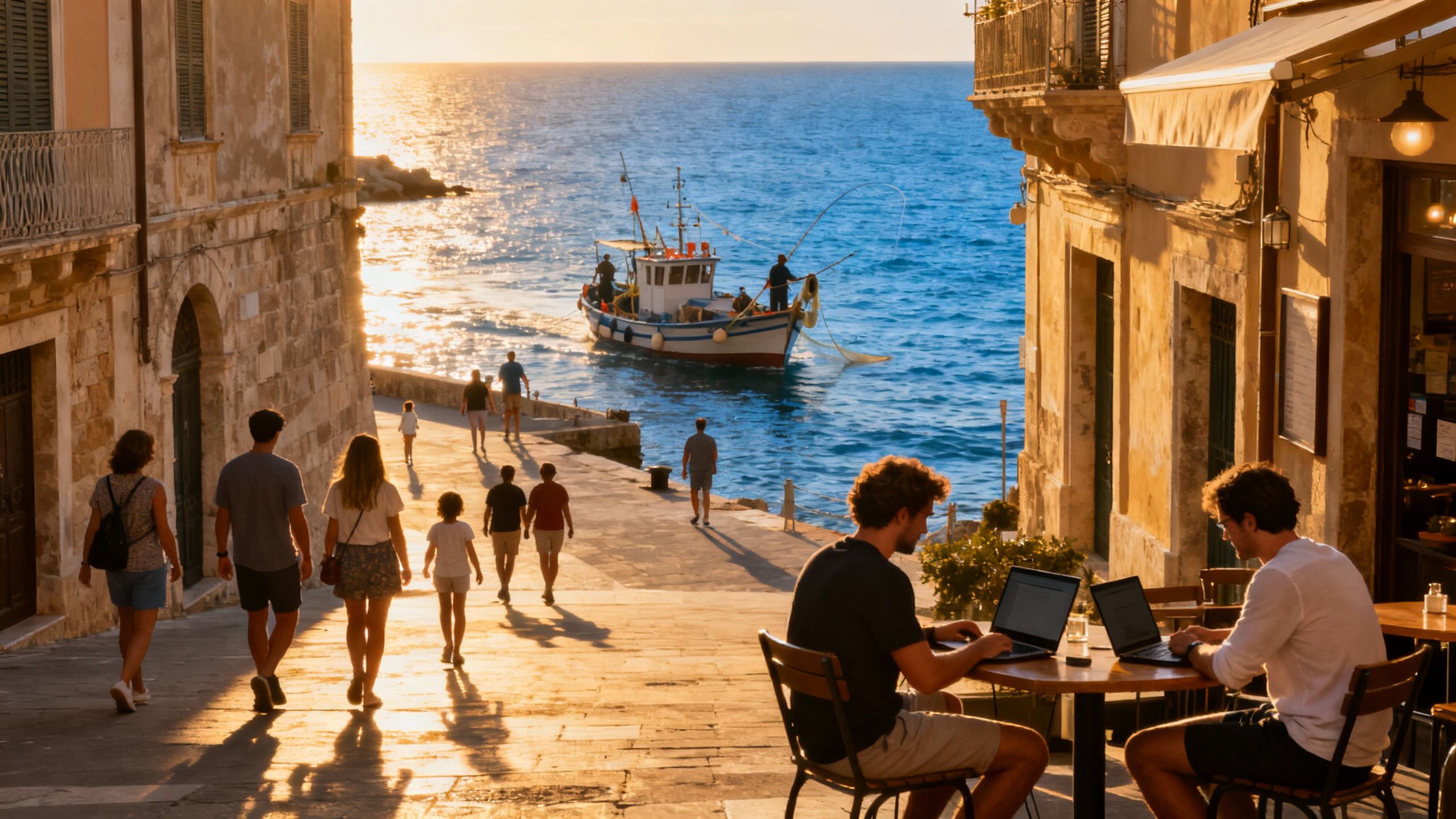
Imagine sipping espresso at Café U Dvorištu in Split as fishermen bring in the morning catch and the old town bell chimes noon. Picture weekend escapes to Zlatni Rat, hidden konobas on Korčula, and evening promenades along Zagreb’s Tkalčićeva. Croatia feels like a bright postcard — sun-drenched coasts, terracotta roofs, and a slow, convivial rhythm — but buying here means balancing romance with smart money moves.
Living the Croatia life
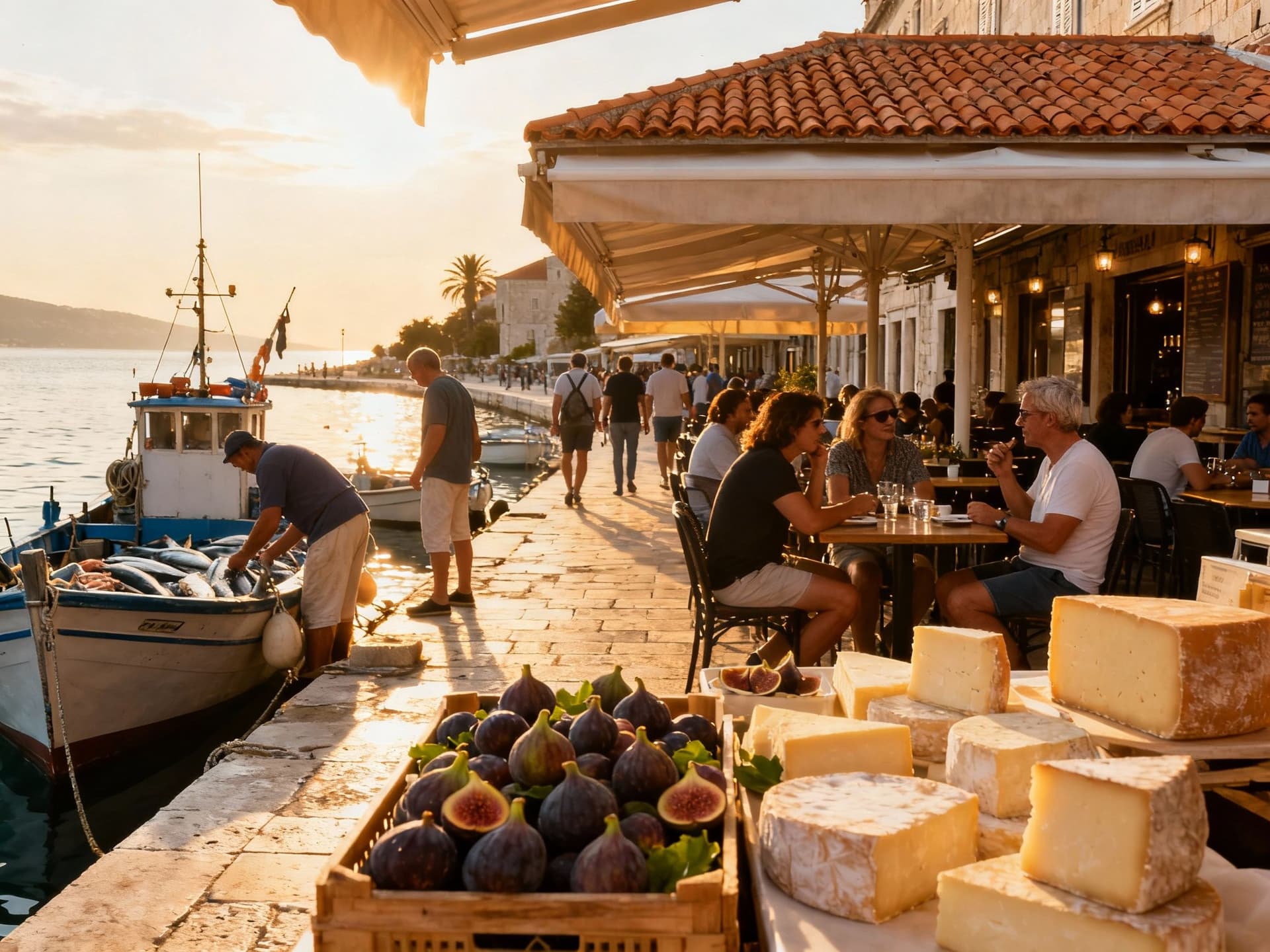
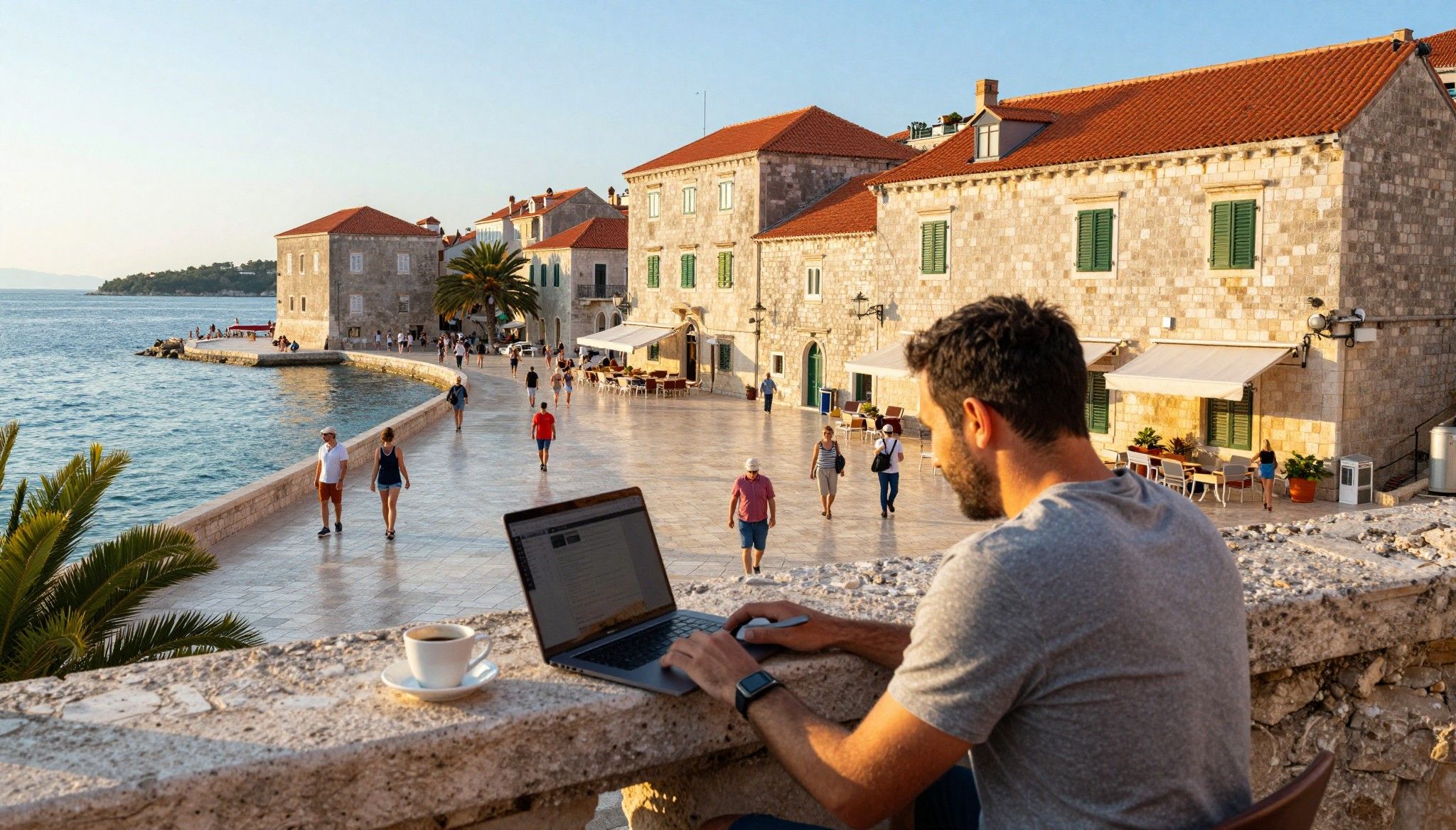
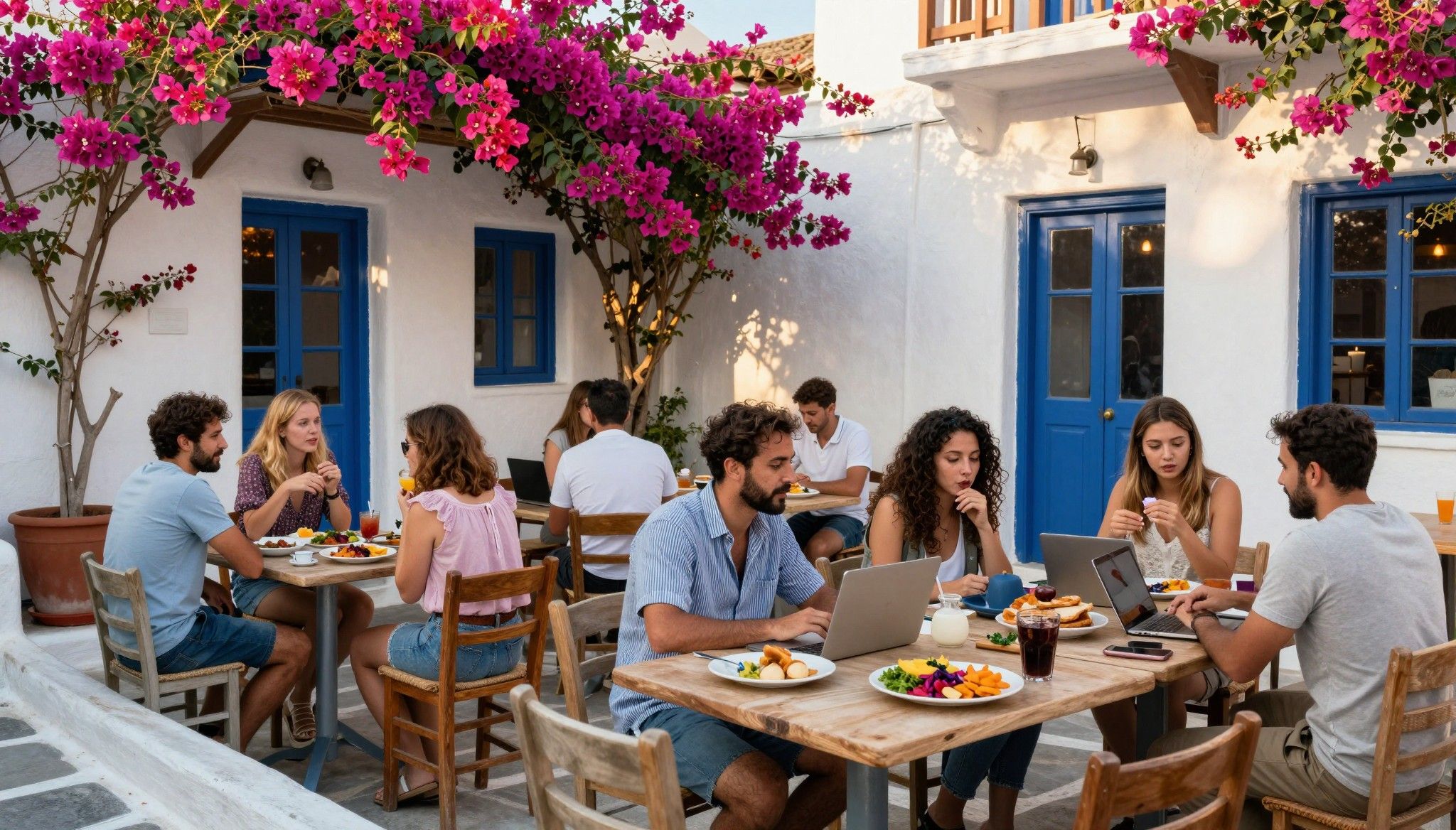
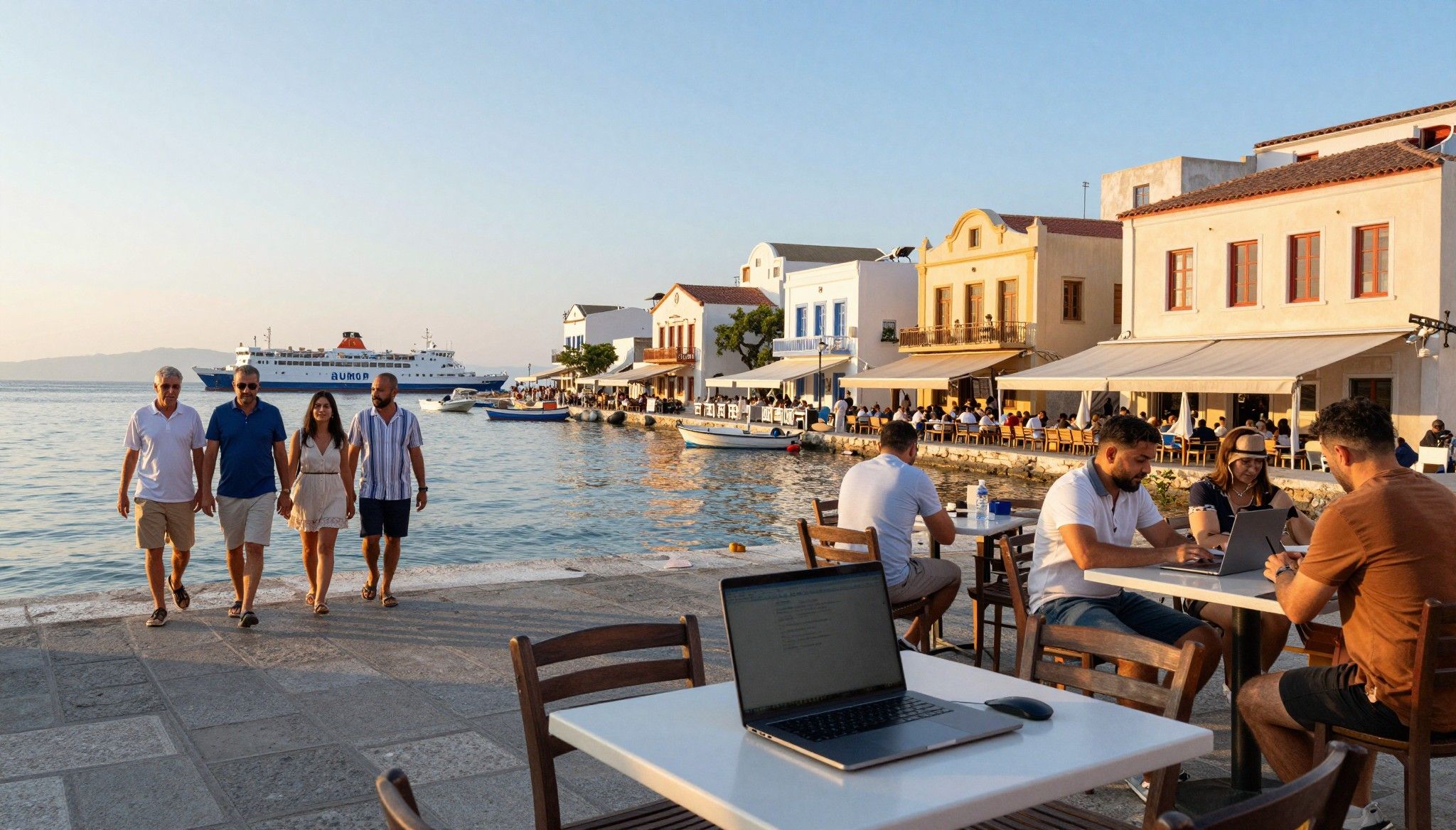
Daily life in Croatia is sensory. Mornings smell of fresh bread from local pekarnica; afternoons are punctuated by espresso stops and markets where figs and cheese change hands. Coastal towns like Rovinj and Hvar bustle with summer energy, while inland places such as Varaždin and Samobor trade tourists for slower, neighborhood cafés that feel like belonging. For remote workers, cafés with steady Wi‑Fi, compact coworking hubs, and rooftop terraces make workdays feel like mini-vacations.
Coast vs capital: where life shifts
Zagreb’s neighborhoods (Maksimir, Kvatrić, and the leafy Pantovčak) deliver coffee culture, galleries, and reliable services year-round. On the coast, Split’s Veli Varoš and Bačvice pulse with sea-spray energy and buzzy eateries; Istria’s Rovinj trades nightlife for artful narrow lanes and seafood taverns. Choose coast for alfresco living and seasonal tourism buzz; choose Zagreb for a steadier rhythm and easier year-round logistics.
Food, markets and the weekend ritual
Sundays mean markets: Dolac in Zagreb, Pazar in Split, and Pula’s city market are where you meet neighbors, taste prosciutto, and learn local rhythms. Konoba dining — slow, seasonal, heavy on grilled fish and dálmatinska pašticada — defines coastal weekends. These rituals shape what you want in a home: a kitchen for weekend cooking, a balcony for late-night aperitifs, or a small courtyard for morning coffee.
- Lifestyle highlights to look for
- Dolac market (Zagreb) — weekday freshness and neighborhood social life
- Riva promenade (Split) — seaside coffees and sunset walks
- Lungo Mare (Opatija) — classic seaside promenade and elegant villas
- Local konoba on a side street — the best way to learn Croatian food culture
Making the move: practical money & banking realities
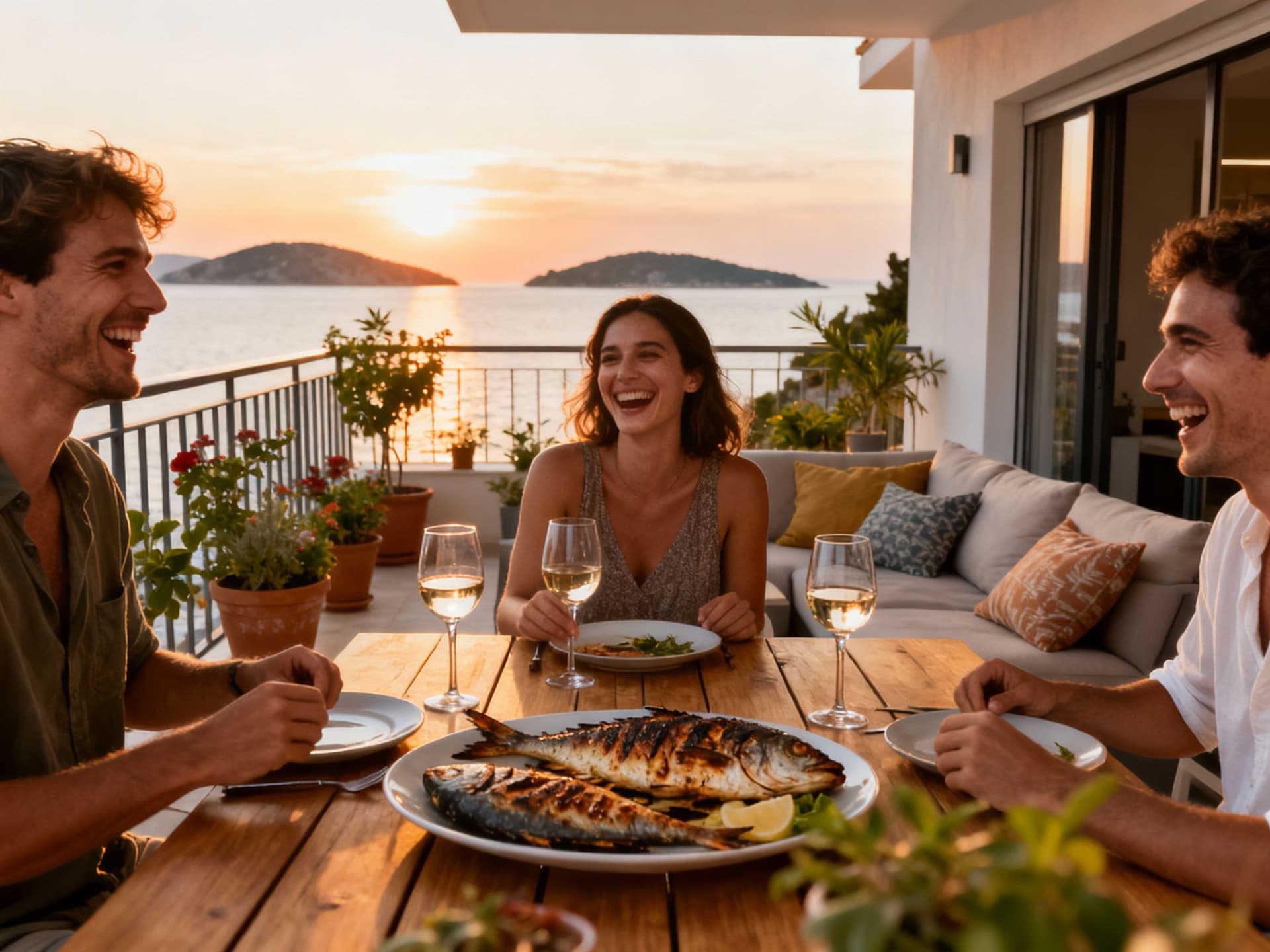
The romance of Adriatic sunsets meets a fast-moving market. Croatia saw some of the strongest price growth in recent years — coastal hotspots have become pricey and demand from international buyers is real. Use recent market data to set realistic budgets and to pick the right season and neighbourhood for your hunt.
Money basics: currency and conversions
Croatia adopted the euro on 1 January 2023, which makes life easier for EU buyers and reduces FX friction. For non-euro residents, compare offers in euros and consider specialist foreign-currency accounts for salary or rental income. Banks now price mortgages and fees in euros, but local practices and account setups still vary — talk to banks early.
Financing options and what surprises buyers
Mortgages for foreigners exist but terms differ by bank and residency. Expect higher deposit requirements (often 20–40%) and to show stable income. For nomads, proving remote income is still feasible — banks accept contracts, invoices, and international payrolls, but start the paperwork early. Also factor in a new property tax landscape: Croatia announced property-focused tax changes to address housing availability, which can affect running costs and investment calculations.
- Steps to prepare bank-side (numbered checklist)
- 1. Gather proof: 12–24 months of income, invoices, and a clear explanation of remote work or freelance income.
- 2. Open a euro bank account in Croatia early — it simplifies transfers, utilities, and tax documentation.
- 3. Get a pre-approval or written loan indication from a local bank to strengthen offers.
Insider knowledge: what expats wish they'd known
Expats often say they underestimated two things: seasonal demand spikes and the paperwork timeline. Croatia’s coastal market tightens in spring and summer — not just because of tourists but because sellers know demand is strongest then. Also, legal checks and municipal permits sometimes reveal quirks (old restorations, unregistered terraces) that slow closings.
Cultural and community cues that affect money choices
Croatians value local ties and long-term relationships. Sellers prefer straightforward buyers who move quickly and offer clean contracts. If you want the neighborhood vibe, spend time in local cafés and markets before bidding — you’ll learn which streets fill with families, which attract seasonal renters, and where day-to-day life matches your tempo.
Longer-term thinking: rental potential and running costs
If you plan to rent when away, expect high seasonal yields in tourist hubs but also high management costs and a need for short-term rental compliance. Inland and city properties offer steadier, year-round rents. Factor in maintenance for stone houses, insurance for coastal exposure, and potential new property taxes tied to long-term housing policy.
- Quick red flags banks and agents look for
- Missing cadastral records or unclear parcel boundaries
- Unpermitted extensions or terraces not on the title
- Properties heavily dependent on seasonal rental income without backup plans
- 1. Hire a bilingual lawyer to check title and permits; 2. Ask for seller utility bills and municipal certificates; 3. Get a local survey for boundaries and renovations.
Conclusion: buy the life, not just the view. Croatia gives you sea-scented mornings, lively markets, and a smaller-country feeling where neighbors notice you. But to lock in that life affordably, use the euro advantage to simplify banking, prepare financing early, and work with local agents and lawyers who know community patterns and municipal quirks. Start with a clear budget, an appointed local bank contact, and two neighbourhoods to test for at least a week each.
Norwegian who has helped 200+ families relocate from Oslo to Spain; expert in relocation services and community integration.