Croatia’s Summer Price Myth — Smarter Money Moves for Buyers
Fall in love with Croatia’s markets, coast and neighborhoods — then match lifestyle choices to practical finance: OIBs, transfer tax, mortgages and seasonal timing.

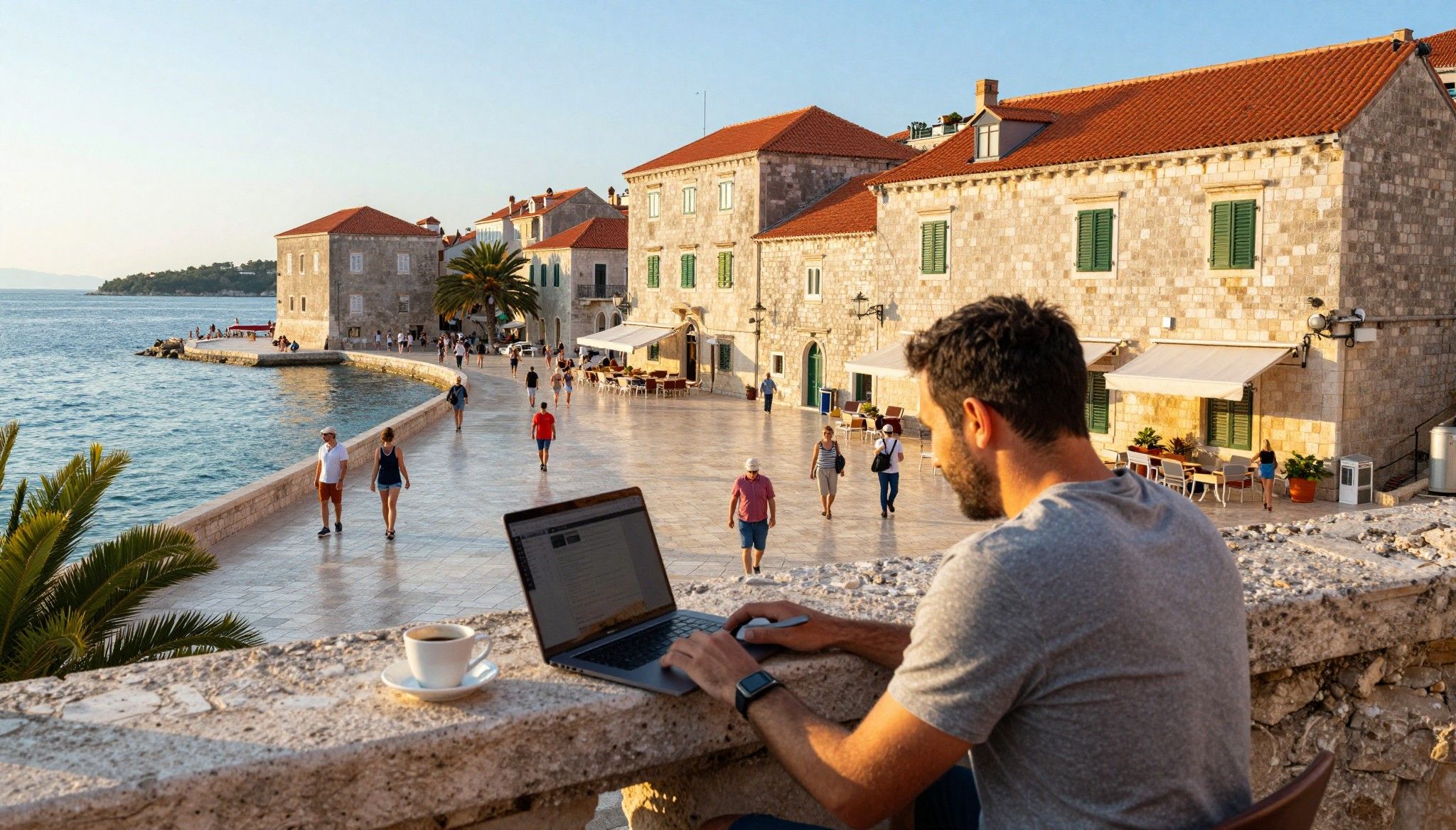
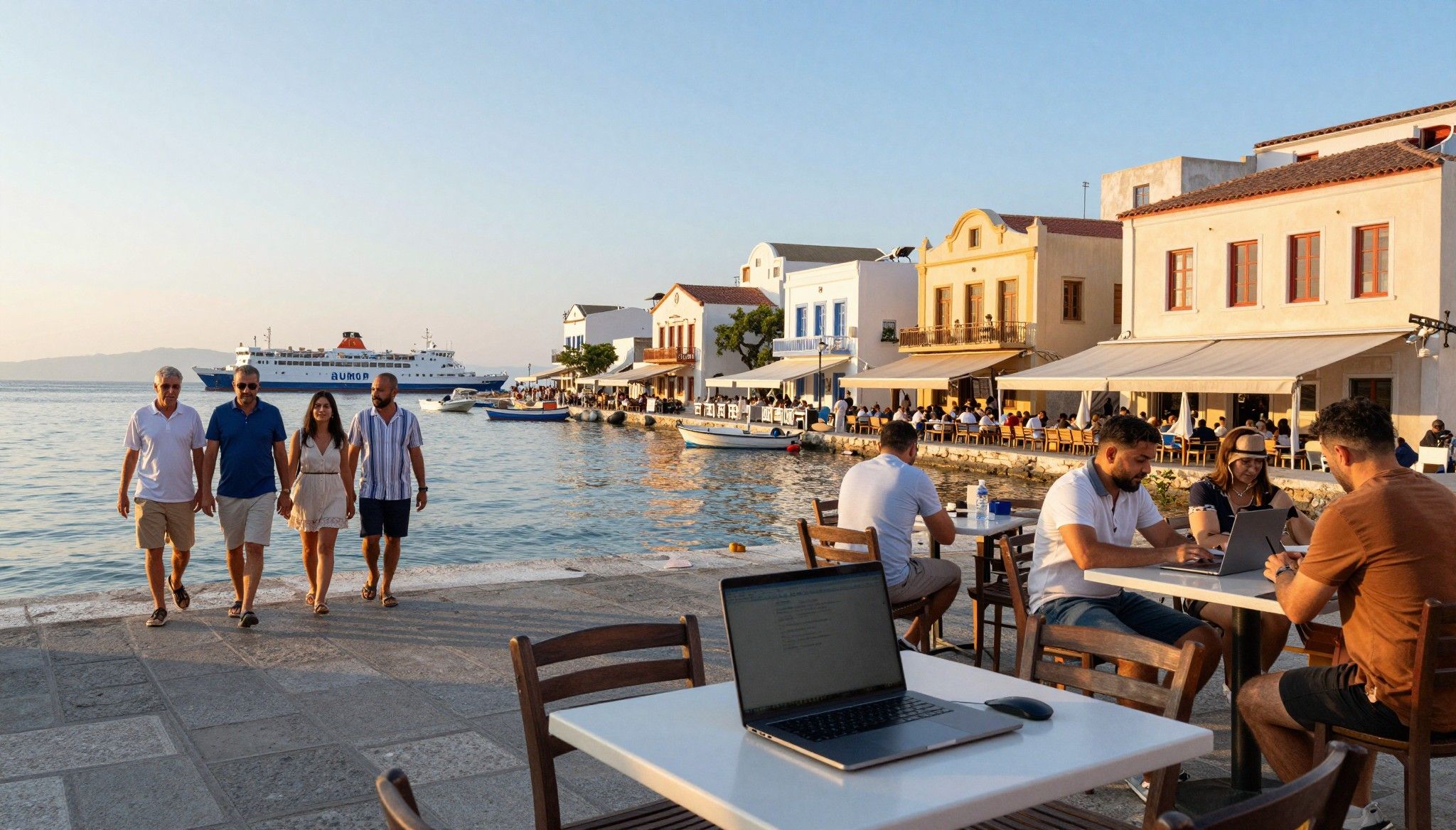
Imagine sipping a late-morning espresso on Split’s Riva while your laptop hums in a seaside café — the Adriatic sun warming the cobbled stones and a fisherman’s market two blocks away. That easy, sunlit life is why so many nomads and remote professionals fall for Croatia. But loving a place and buying property there are different conversations: banks, OIBs, transfer tax and the unexpected seasonal cash flows all shape whether that Riva apartment becomes reality.
Living Croatia: mornings, markets and the coast
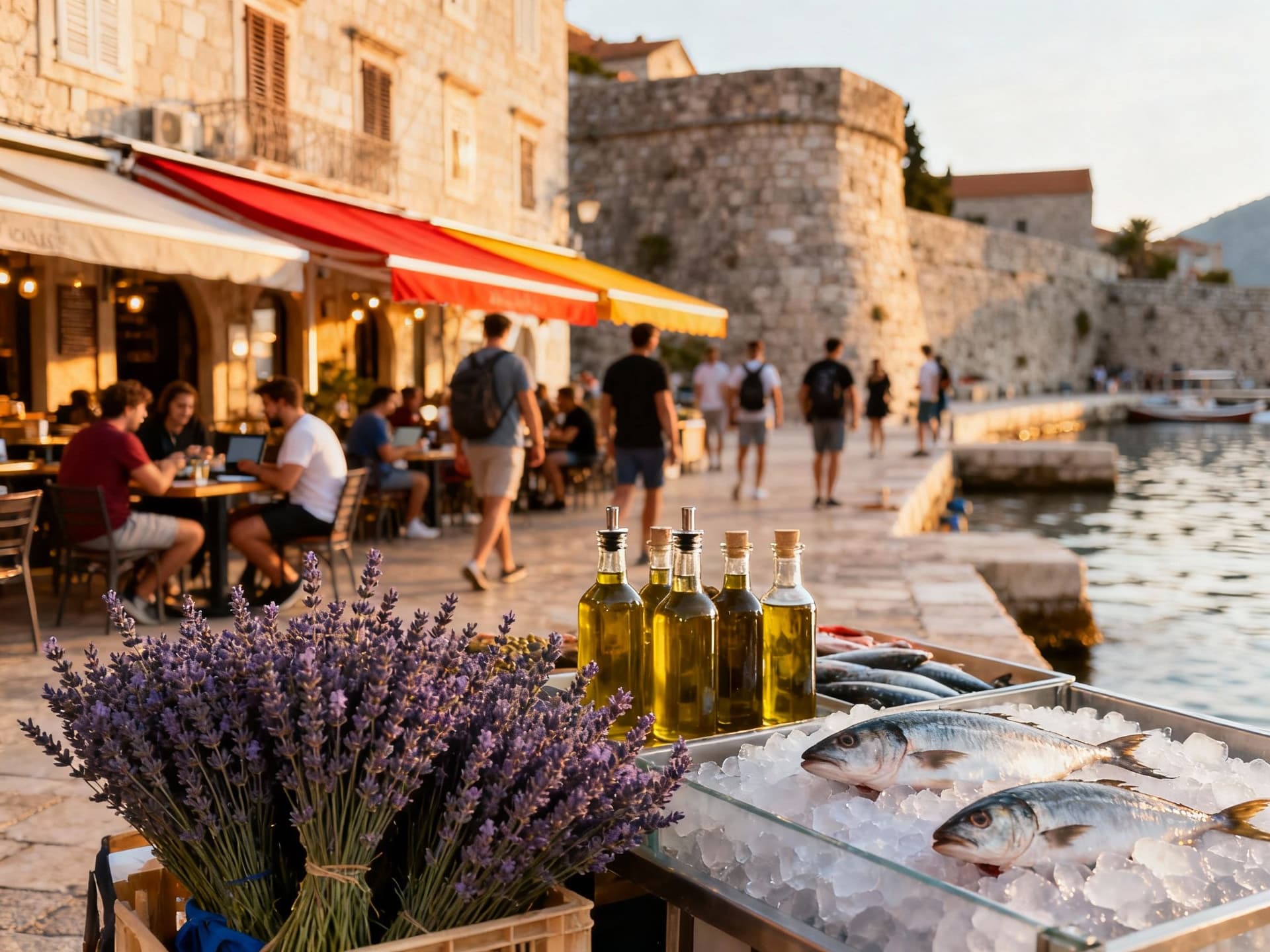
Croatia feels like a slow, stylish postcard. Mornings bring bakeries on every corner; afternoons stretch into beach swims along Zlatni Rat or hidden pebble coves near Vis; evenings are about green markets, grilled fish and long aperitifs. Cities vary wildly: Zagreb buzzes with cafés and coworking spaces, Split mixes Roman ruins with startup energy, while Istria’s hill towns are quiet havens for creative work blocks.
Neighborhood snapshots: where life actually happens
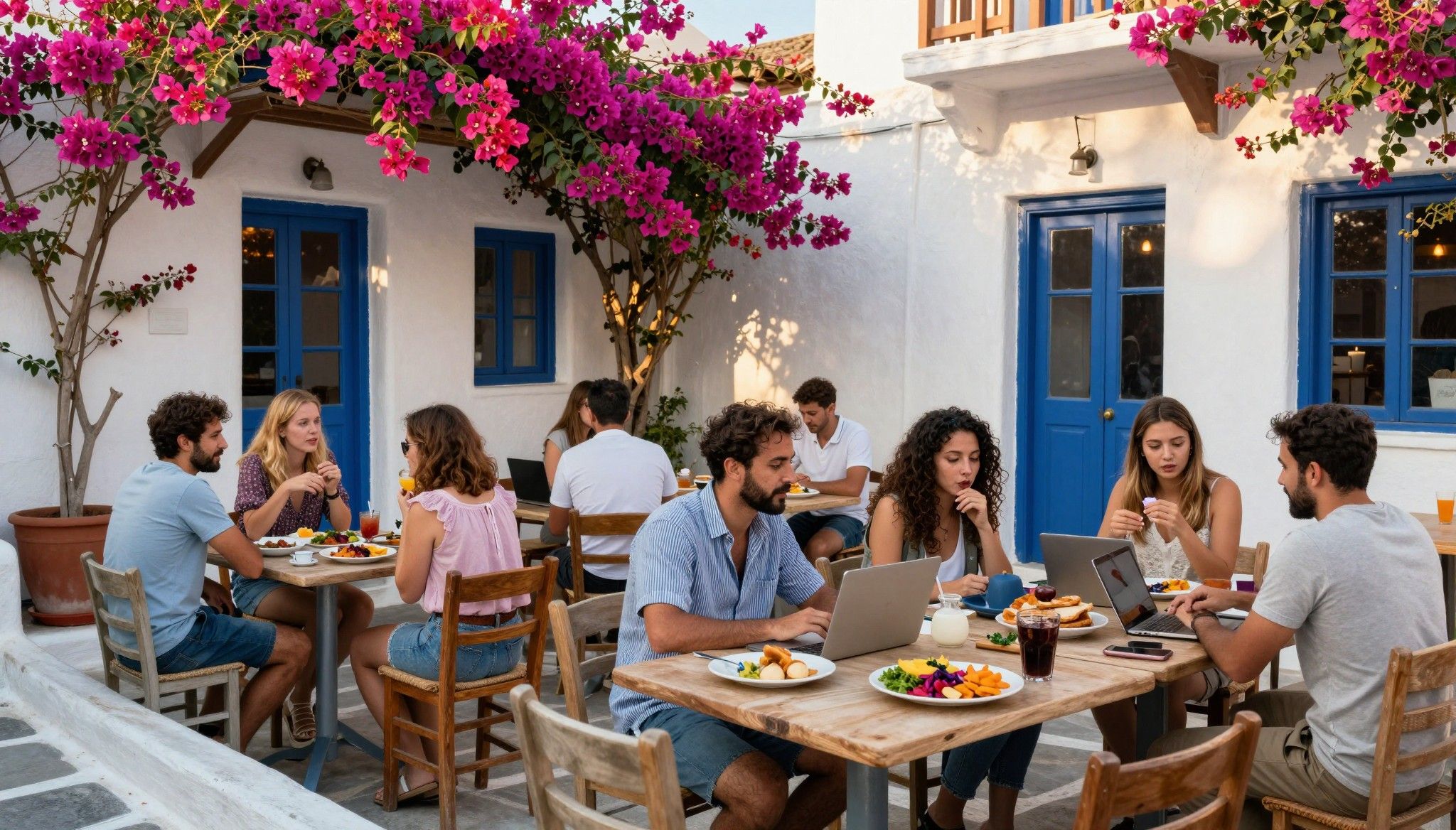
Want community? Try Varoš in Split — narrow lanes, local konobas and a few digital nomads who gather for sunset drinks. Prefer leafy cafés and galleries? Zagreb’s Tkalčićeva and Upper Town put you in walking distance of coworking and weekend markets. For island life, Hvar Town hums in summer but quietens to an intimate village feel in winter — perfect if you want seasonal contrast.
Food, festivals and ways to spend a weekend
Weekends here are sensory. Saturday morning markets smell of lavender, olive oil and fresh bread. Come autumn, truffle hunts in Motovun unfurl into long lunches. Summer brings open-air concerts and local fêtes; winter hushes the coast and reveals better bargaining power if you’re house-hunting. Your lifestyle choice should influence financing choices — a seasonal rental plan changes expected cashflows and mortgage strategy.
- Varoš (Split): narrow lanes, sunset culture, easy café life
- Tkalčićeva & Gornji Grad (Zagreb): coworking, galleries, year‑round services
- Istrian hill towns (Motovun, Grožnjan): truffles, vineyards, slow creative life
- Hvar & Vis (islands): summer buzz, off‑season calm — great for rental income if managed well
Making the move: money, banks and surprising rules

Love doesn’t pay conveyancing fees. Practical steps matter: get an OIB, check the land registry, decide if you need Ministry approval (non‑EU buyers), and choose local banking that supports cross‑border transfers. These are the plumbing of a move — boring but necessary, and they shape timelines and financing options. For a clear procedural run‑down, local agencies list the typical steps and timing you’ll meet when buying as a foreigner.
OIB and bank setup
Before signing big contracts you’ll need an OIB (Croatia’s tax ID). It’s quick to get at a Tax Office or via embassies; banks require it to open accounts. For nomads, a Croatian bank account simplifies mortgage payments, local utilities and tax filings — but many expats keep an international account and use local banking for domestic flows.
How mortgages work for internationals
Croatian banks will lend to non‑residents but expect higher down payments (often 30–40% for third‑country nationals), euro‑linked products and documentation proving income. Interest rates and terms vary — some banks offer euro‑indexed mortgages while others price in kuna. Locking exchange‑rate risk matters: if you earn in a different currency, consider a bank that offers FX mitigation or structure your payments to reduce volatility.
- Get your OIB and a local bank account to simplify payments and tax filings.
- For non‑EU buyers, factor Ministry of Justice approval into your timeline (add 1–2 months potential delay).
- If using a local mortgage, budget for 30–40% down or negotiate staged payments with developers to reduce cash up front.
- Protect against FX risk: match mortgage currency to your income currency or use forward contracts and multi‑currency bank accounts.
Insider knowledge: taxes, timing and the summer myth
Here’s a truth: Croatia’s summer glitter makes prices headline‑friendly, but policy and tax shifts (including property taxation reforms) are reshaping value and holding periods. The government signaled changes to how property is taxed to discourage short‑term speculation — meaning long‑term occupancy and responsible rentals may get preferential treatment. Also remember the standard transfer tax is 3% for resale homes; VAT (25%) can apply for new builds from developers, which alters the math for new‑build vs resale.
The summer illusion and negotiating power
Everyone pictures island sunsets and a bidding war. Reality: off‑season buyers get leverage. Sellers who rely on summer rentals reduce prices or accept contingencies in autumn/winter. If you want authentic lifestyle (not just tourist cashflow), search when beaches are quiet — you’ll see the true community and often uncover motivated sellers.
Hidden costs and the practical small print
- Notary, legal fees, agency commission (often 3–4% + VAT), translation and registration fees — these add up. Also budget for seasonal maintenance if you buy a coastal home, municipal utility updates on islands, and potential condominium levies. Always ask for recent utility bills and a breakdown of annual running costs before bidding.
In short: buy for how you want to live (weekly markets, coworking access, walkability), and layer finance around that lifestyle. A beach terrace is wonderful, but if you need reliable internet for full‑time work, prioritize fiber connectivity and backup options over a sunset view.
Next steps: how to turn the dream into a plan
Start local: arrange a short exploratory trip in your target season, meet two agents (one local boutique and one larger broker), and open an OIB while you’re there. Get pre‑approval philosophy from banks — even a soft quote will shape your realistic price range. Most importantly: test the daily life. If you can imagine a month living there, you’ll know if the neighbourhood feeds your lifestyle.
What agencies do best here
Good local agents translate culture into contracts. They’ll tell you about seasonal rental potential, municipal regulations on island renovations, and which neighborhoods have reliable fibre. Use an agency as a lifestyle filter — they should introduce you to cafés, meetups, lawyers and property managers who make living long‑term enjoyable, not just sell you a view.
Final thought: live first, buy smart
Croatia rewards those who buy with patience and an eye for life beyond the photo. Align your financing with your lifestyle (currency match, local account, realistic down payment) and lean on local experts. Do that, and your espresso on the Riva goes from daydream to daily habit.
Norwegian who has helped 200+ families relocate from Oslo to Spain; expert in relocation services and community integration.