Cyprus Money Moves: Seasons, Neighbourhoods & Mortgages
A lifestyle-first look at buying in Cyprus—how seasonal life, neighbourhood vibes and realistic mortgage rules shape smart financing for international buyers.

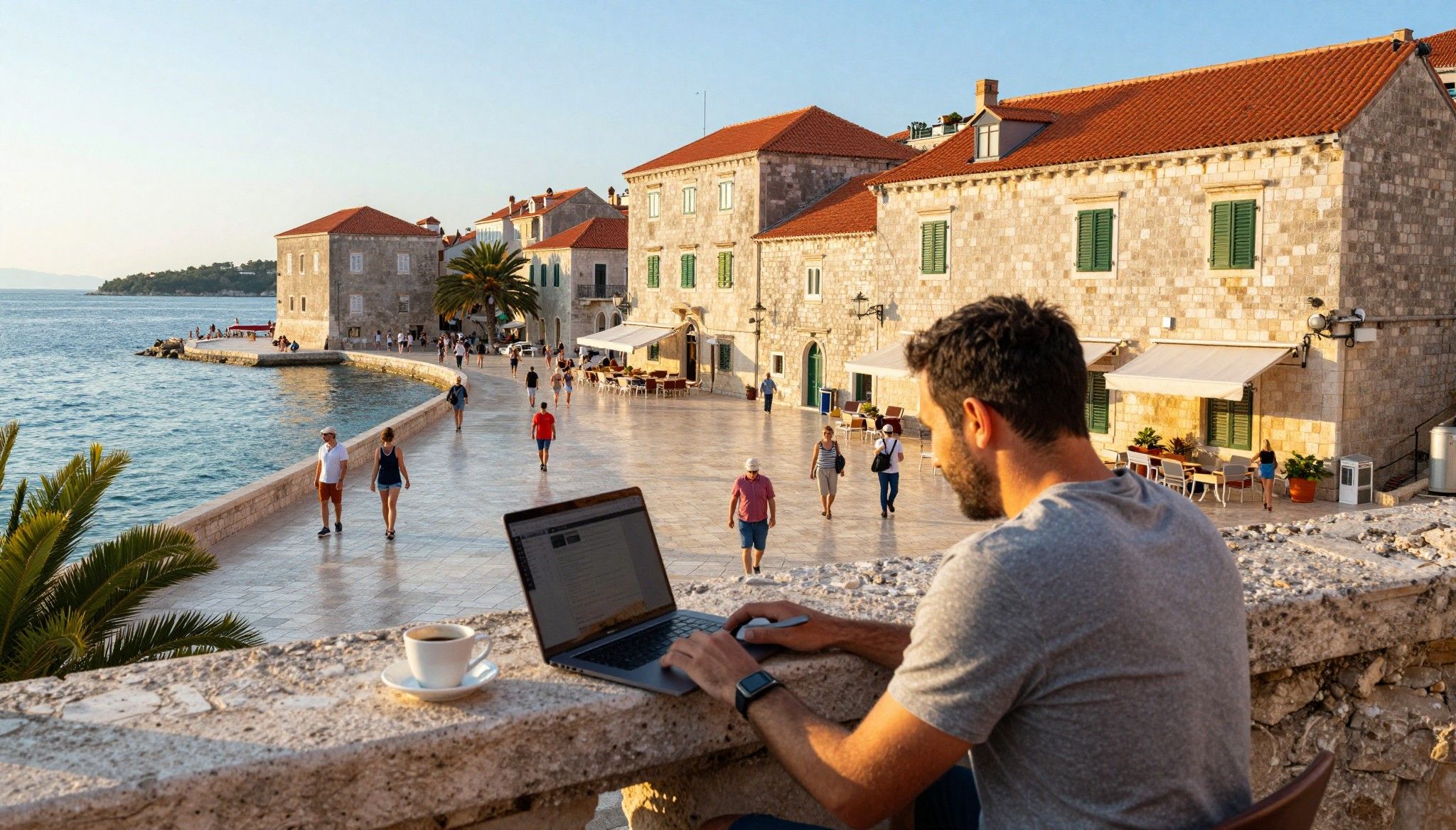
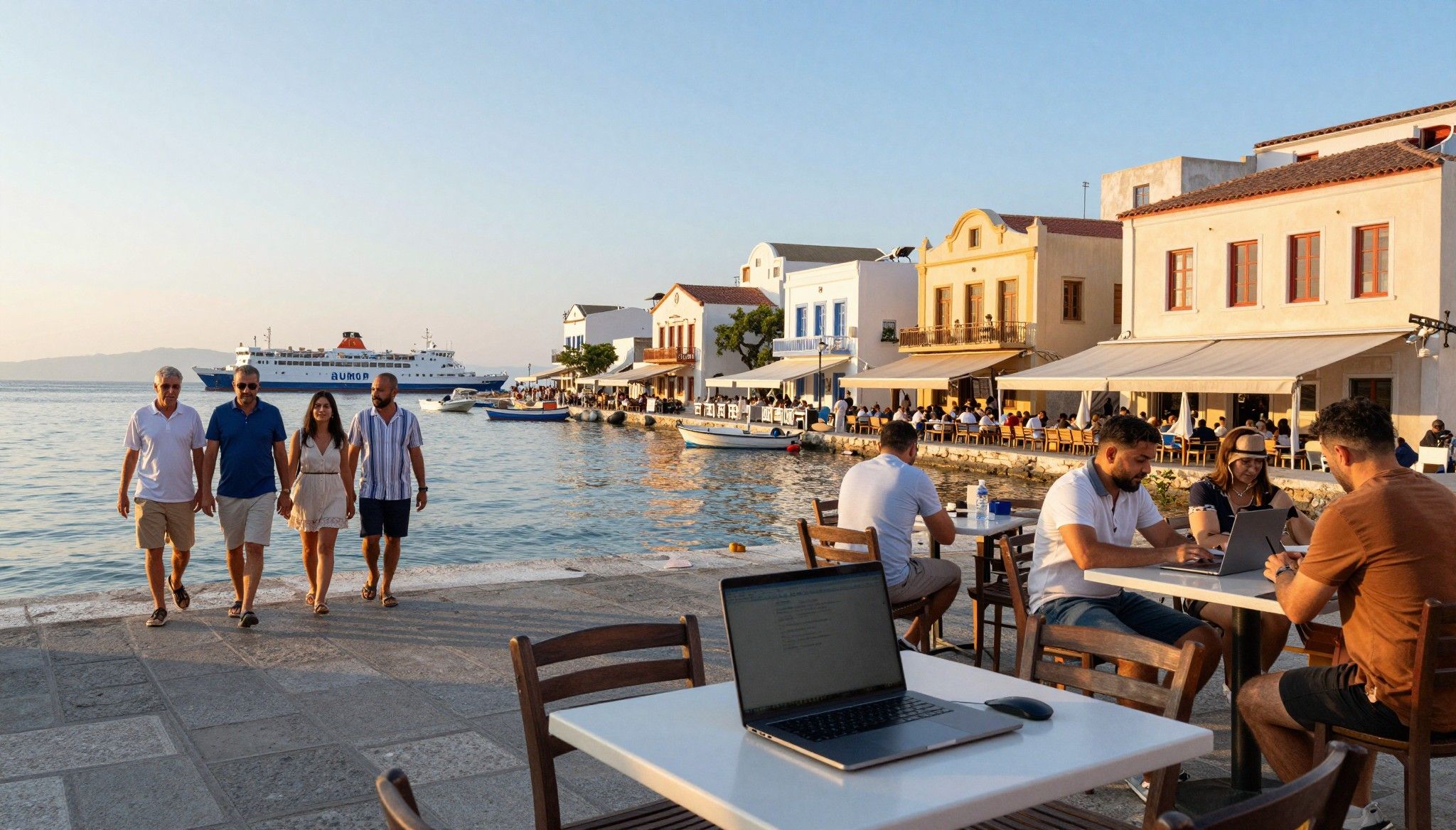
Imagine sipping espresso on a narrow Nicosia terrace as bougainvillea drips color over stone walls, then catching a late-afternoon flight to a Paphos beach where neighbours gather for grill nights and talk real estate like it’s local weather. Cyprus feels small and sun-worn, but its property market hides choices that matter to remote workers: solid internet in coastal towns, friendly coworking scenes, and surprisingly nuanced mortgage rules. This guide flips the usual finance-first spiel: we start with life—streets, cafés, and seasons—then link those rhythms to realistic ways to finance a move, including how banks treat non-residents and smart currency moves.
Living Cyprus: sunlit days, village evenings, and the pulse of neighbourhood life
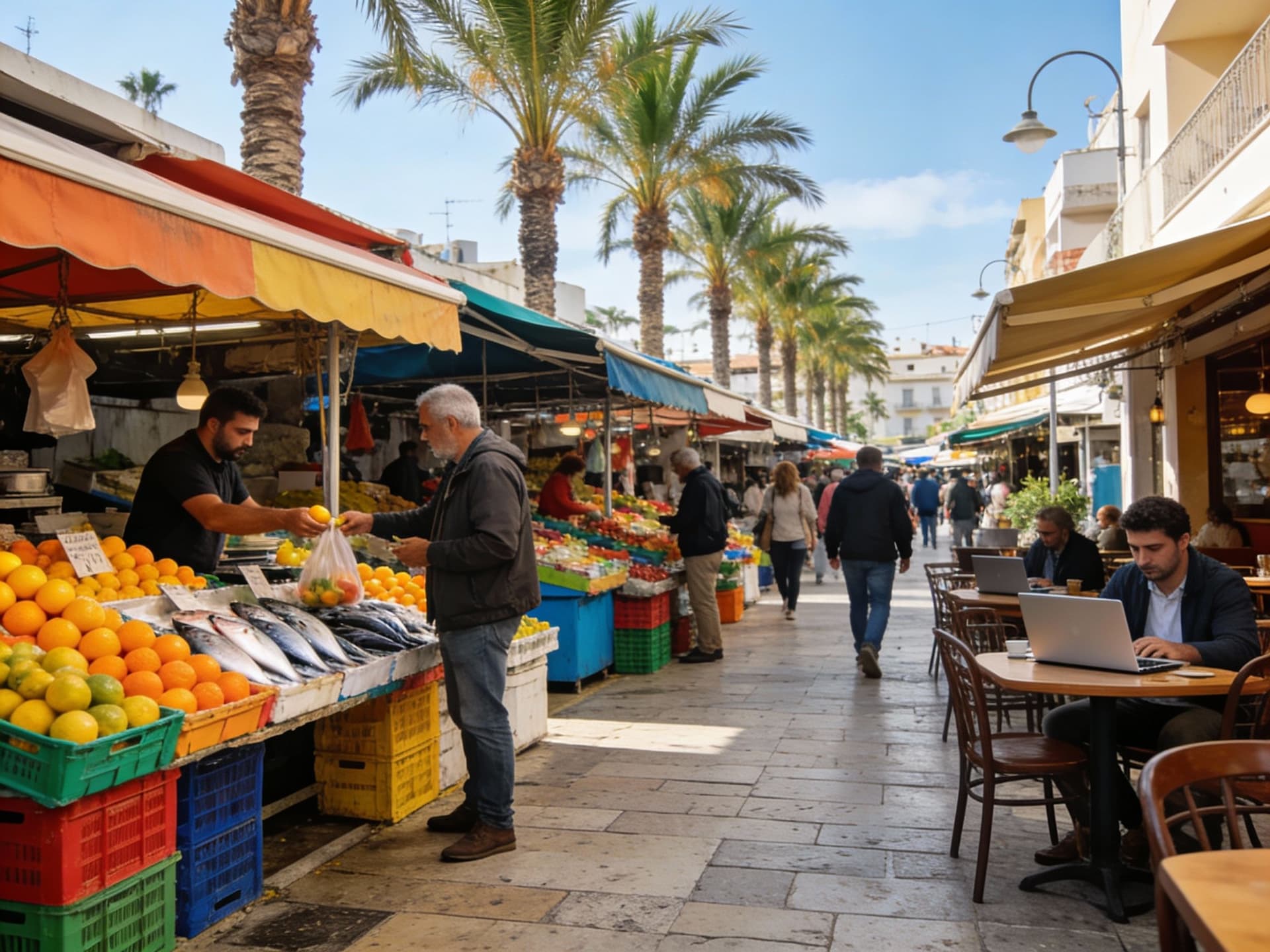
Cyprus is a study in contrasts: modern marinas and sleek apartments sit beside vineyards and Byzantine churches. Mornings open with market shouting in Limassol’s old town; afternoons drift to Larnaca’s palm-laced Finikoudes; evenings spill into tavernas in Protaras where fishermen share the day’s catch. Real estate here isn’t just returns—it's the rhythm of life you buy into. Yet the market is active: national indexes show steady price increases this year, which shifts how and when nomads finance purchases. For data, see the Statistical Service and Central Bank analyses cited below.
Neighborhood snapshots: where nomads actually plant roots
Pick your vibe and the island rearranges itself. Limassol’s Molos waterfront and Agios Tychonas are energetic—cafés, coworking, weekend food markets—great if you want a social hub. Polis and Peyia deliver slower pace, cliffs and olive groves, ideal for remote work sprints with long walks. Nicosia’s Strovolos keeps you inland but plugged into local life—excellent for families and people wanting a true community year-round. Each area has different financing norms: coastal developments attract developer finance, inland villages often rely on bank loans with stricter LTVs.
Food, festivals and seasons that shape where you’ll live
Food is the social currency here—halloumi breakfasts, mezze dinners, and village festivals where entire streets become communal kitchens. Harvest season (late summer–autumn) turns wine villages like Omodos into weekend magnets; expect demand—and sometimes prices—to spike after festivals. Winter is quieter but charming: island life slows, construction bargains emerge, and negotiation leverage improves. All of these seasonal rhythms should feed into your financing timeline: buying in off-peak months can ease competition and developer timelines.
From dream to deposit: practical money moves that match Cypriot life
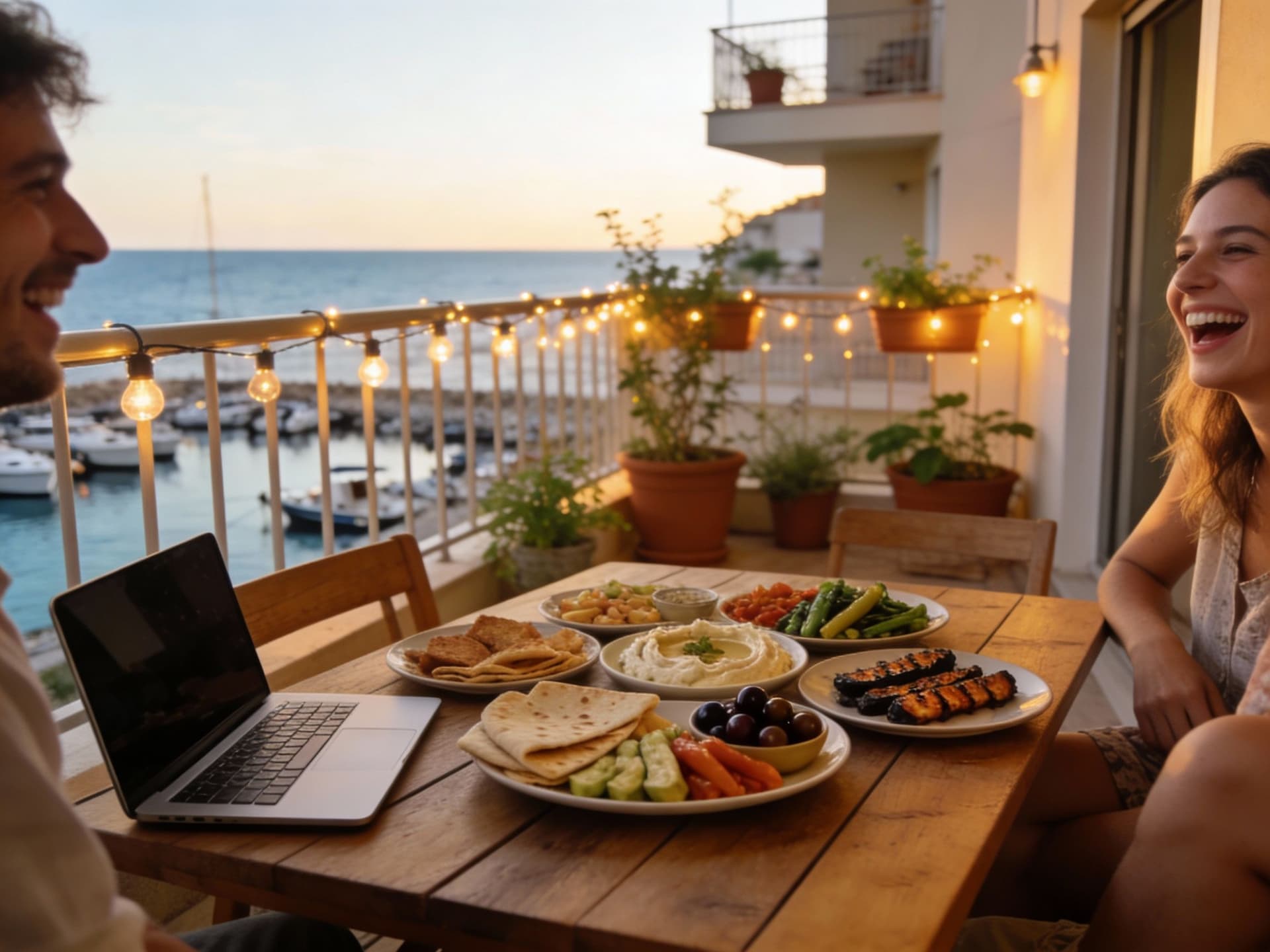
You’ve pictured days at the beach and evenings at a taverna—now let’s talk euros, banks, and timing. Cyprus allows foreign buyers, and local banks do lend to non-residents, but terms differ by nationality, residency status and property type. Recent national indices show modest annual house-price increases, so planning for at least a 20–40% down payment and realistic mortgage rates will keep your budget grounded. Below are neighbourhood-aware finance tips that fit the lifestyle you want.
How Cypriot mortgages actually work for foreigners
Major banks (Bank of Cyprus, Hellenic Bank, AstroBank and others) offer mortgages to foreign buyers but expect higher down payments and tighter underwriting than for locals. Typical non-resident LTVs range from 50–70% depending on bank and buyer profile, and interest rates recently hovered in the mid-single digits—higher than some Eurozone peers. Local practice often requires a Cyprus bank account, proof of stable income (preferably in euros), and a longer approval timeline—plan for 6–10 weeks from application to offer.
Developer finance, cross‑collateral and creative local options
Don’t assume bank loans are your only route. Many coastal developments offer staged payments or developer finance, which can be friendlier to international buyers—especially for off-plan units. Some expats use home-country mortgages or currency-hedged loans to get better rates; others bridge finance with equity from another property. Whatever path you pick, get an English-speaking lawyer to check repayment terms, penalties and whether the developer’s schedule matches your lifestyle plans.
Practical financing checklist
Open a local euro account and keep 3–6 months of living funds there to show stability.
Get pre-approval from at least two banks and compare effective APR, not headline rates.
Consider developer finance for off-plan deals to stagger payments across seasons.
Factor in seasonal demand (harvest and festival windows) when timing offers—off-season buys can give you negotiation power.
Insider knowledge: cultural and practical wrinkles expats often miss
Real talk from people who moved here: paperwork moves slow, relationships matter, and the island’s tiny size means local reputation affects deals. Expect more bureaucracy than a digital nomad forum thread suggests—title searches, municipal approvals and utility transfers take time. Market data points to steady but modest price growth this year, which means being patient and timing offers with local life cycles (post-festival, late winter) can save you money.
Language, civics and building culture
English works—every lawyer, agent and banker we met spoke it—but learning Greek unlocks deeper ties and better local negotiating power. Building standards vary: older stone homes require renovation budgets and an architect who knows Cypriot materials; new builds lean modern but confirm warranties and finish lists. Remember: neighbours are social assets here; attend village festivals and you’ll learn about off-market opportunities faster than any listing site.
Long-term lifestyle + money considerations
Plan currency flows. If your income isn’t in euros, factor in FX risk—use a dedicated FX provider for large transfers and consider holding a euro account for mortgage payments.
Prioritise internet and workspace. A fast, stable connection increases rental appeal and daily quality of life—test speeds in the exact building, not just the neighbourhood.
Budget for the unexpected: legal checks, finishing works, municipal connection fees and a buffer for seasonal living costs.
If you want a practical next move: book local viewings in quieter months (January–March), request bank pre-approvals before making offers, and hire a bilingual lawyer who will run title checks and confirm zoning. Local agents are lifestyle matchmakers—pick one who knows the cafés, coworking spots and weekend markets you care about, not just a price-per-square-metre spreadsheet.
Cyprus gives you weather, community and a slower, richer daily life. With realistic financing expectations—higher down payments for non-residents, careful currency planning, and a season-aware offer strategy—you can convert that fantasy into an address. Start by lining up a pre-approval, choosing two neighbourhoods (one social hub, one quiet refuge), and booking a lawyer to run early checks; then let local agents show you the pockets of the island that match how you actually want to live.
British expat who moved from Manchester to Mallorca in 2017. Specializes in market analysis and helping fellow Brit navigate local regulations.