Cyprus money moves: VAT, banks and mortgages for nomads
A lifestyle-led finance guide to buying in Cyprus: match beachside mornings and mountain weekends with bank realities, VAT rules, and non-resident mortgage steps.

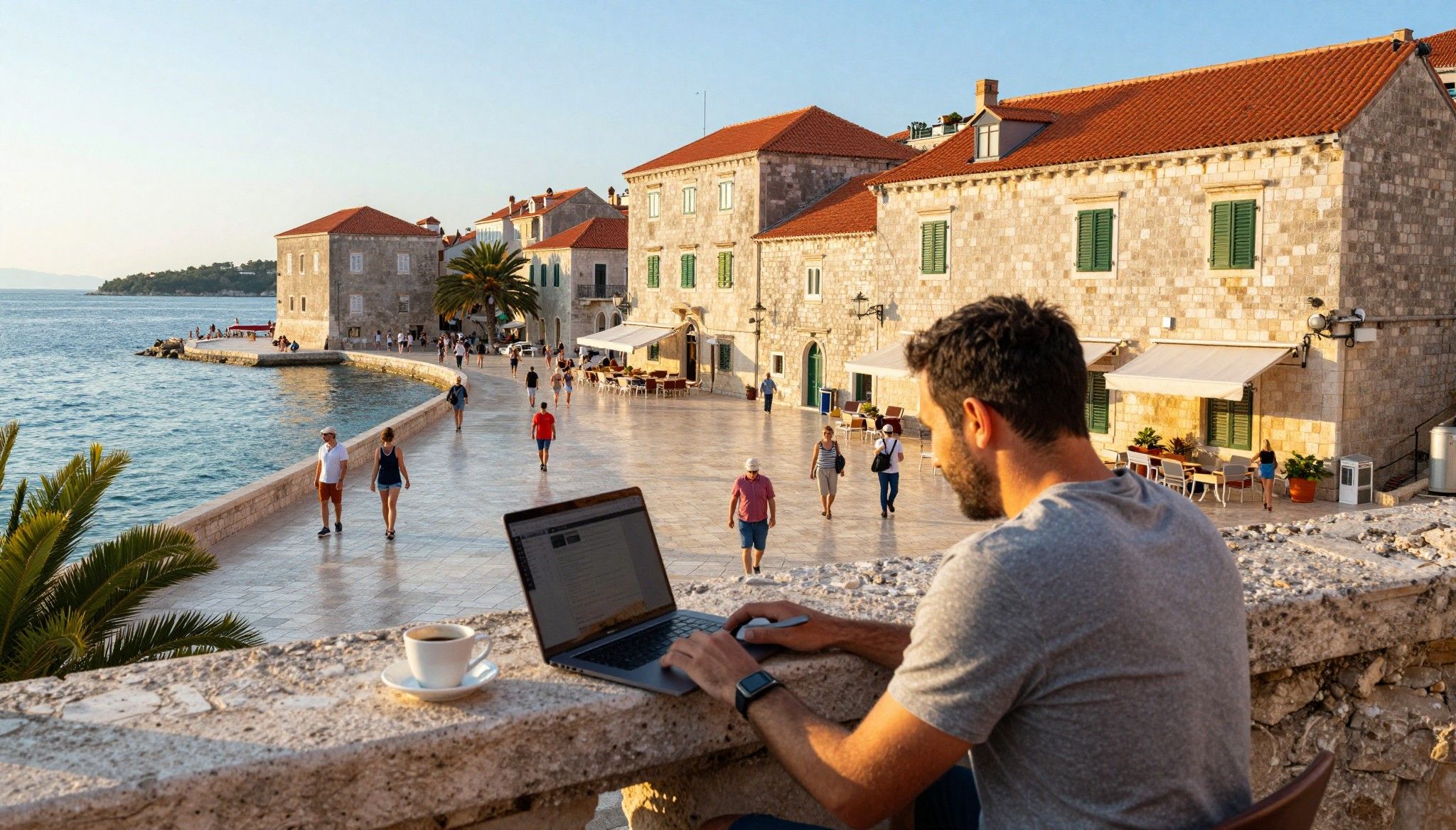
Imagine hitting a seaside café in Larnaca at 9am with a laptop, the scent of strong coffee and freshly baked halloumi in the air, and a two-minute walk to a beach perfect for a lunchtime dip. That everyday ease is Cyprus — sunlit mornings, olive trees, loud tavernas that start late and never feel rushed. But when it comes to money, mortgages, and which bank will actually lend to a non-resident, the island’s sunny surface hides practical puzzles worth solving. This guide pairs the lifestyle you dream about with the concrete financing steps you’ll need to make it real; we lean on local market data and bank practice so your move is as smooth as that espresso.
Living Cyprus: the rhythms that sell properties
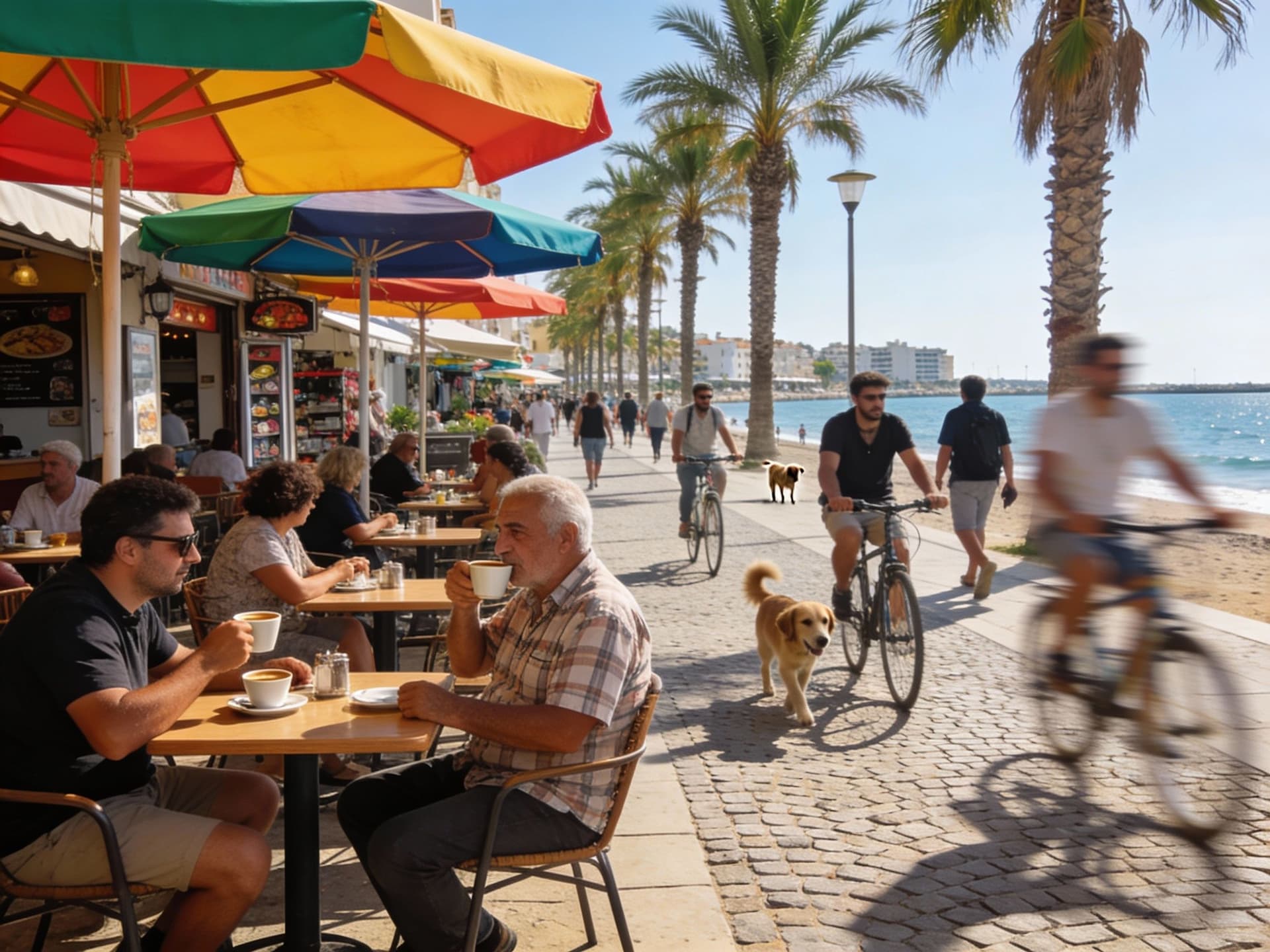
Cyprus moves at a warm, social pace. Weekends are for family lunches, Sundays for mountain drives to Troodos, and nights hum with seafood tavernas in Paphos and cocktail bars in Limassol’s old port. For nomads, the draw is simple: fast coastal pockets with reliable cafés, compact medieval cores where everything is walkable, and small villages where life is slower but kinder to the wallet. These rhythms shape what buyers look for — terraces for alfresco work, reliable fibre (not just promises), and neighbourhoods that feel like friends.
Paphos & Limassol: coastlines for seaside work-life
If you crave morning swims and evening mezze, Paphos and Limassol are magnetic. Paphos keeps a village-by-the-sea vibe around Kato Paphos and the harbour; Limassol’s Molos and old marina are buzzy and cosmopolitan. Foreign buyers are concentrated here, which means new developments, luxury towers, and expat communities — but also competition and rising prices. Recent government and industry reporting shows a notable share of purchases by non-residents in coastal districts, which is reshaping inventory and finance options for buyers.
Nicosia & the interior: quieter costs, strong community
Nicosia and hill towns like Troodos offer lower price-per-square-metre and a lifestyle built around local markets, bakeries, and real community. PwC notes residential transactions dominated the market recently, with interior districts offering value opportunities if you don’t need daily sea views. For nomads who can work anywhere, inland living buys space, slower mornings, and properties with character.
- Beach mornings at Mackenzie (Larnaca); espresso and coworking at Limassol’s old port; Sunday market in Nicosia’s Ledra area; sunset walks at Paphos harbour; mountain coffee in Platres.
Making the move: money, banks and smart timing

Dreams come cheaper when you match timing to financing. Cyprus has been attractive to foreign buyers for years, and while headline programmes like citizenship-by-investment are gone, demand remains strong. That affects lending: local banks set terms based on residency status, property type, and whether VAT applies. Before you make an offer, talk to lenders about non-resident mortgage policies, currency transfer logistics, and how VAT or transfer-fee status impacts your costs.
Property types, VAT and how they change your cash needs
New-builds often carry VAT (19% standard) while resales typically don’t. That matters because if VAT applies the buyer is usually exempt from transfer fees — a tradeoff that shifts upfront cash needs and mortgage-to-value math. Factor in stamp duty, lawyer fees, and typical closing costs (surveys, utility deposits). Knowing whether a developer’s price includes VAT or not will change whether you need extra liquidity or can lean on a mortgage.
Which banks and mortgages work for non-residents
Cypriot banks do lend to non-residents, but terms vary: expect lower LTVs (often 50–70% for non-residents), stricter income documentation, and higher interest rates than locals. Some international buyers use local accounts to receive rental income and manage utilities; others prefer euro accounts in their home bank and transfer funds when closing. Market reports show strong transaction volumes recently, which means lenders can be selective — bring clean paperwork and a clear source-of-funds trail.
- 1) Get pre-approval from a Cyprus bank or international bank with Cyprus presence. 2) Confirm VAT status of property and calculate extra cash for purchase. 3) Open a local euro bank account for deposits, standing orders and tax paperwork. 4) Budget for transfer fees, stamp duty, lawyer fees and utility set-ups (add 5–7% on top of price).
Insider knowledge: what expats wish they'd known
Here’s the real talk from people who moved here: infrastructure quality varies — fibre in city pockets is excellent, but rural broadband can be patchy; family-run sellers sometimes prefer cash deals; and festival seasons (summer religious festas) make areas buzz with life but can hide maintenance issues under fresh paint. Learning the cadence of local bureaucracy — translating documents early, booking Land Registry appointments yourself — saves weeks.
Language, community and making money life-friendly
English is widely spoken in business and real estate, so language rarely blocks transactions. Still, investing in a bilingual lawyer or agent pays dividends — they spot contract clauses and local norms that foreigners miss. For nomads, look for properties near coworking hubs in Limassol, Larnaca and Paphos; check mobile network coverage for video calls; and prioritise south-facing terraces for winter light so your home doubles as a workspace year-round.
Longer-term planning: rentals, resale and tax rhythm
If you plan to rent, factor in tourist-season swings and registering for VAT if you exceed local thresholds. Transfer fees and stamp duties affect resale math; so does the island’s growing appeal to foreign buyers — which can mean healthy demand but also sharper price cycles in coastal hotspots. Talk to an accountant about passive income rules and double-taxation treaties with your home country.
- Ask your agent about fibre availability, ask your lawyer for past utility bills, verify property registration at the Land Registry, check for planning permissions for terraces and pools, confirm whether the property is a resale or new-build (VAT implications).
Closing in Cyprus doesn’t have to feel like a leap. Fall in love with the cafés, the sound of church bells and the slow, sunlit afternoons — but balance that romance with a banker’s checklist. Get pre-approval, open a local account, hire a bilingual lawyer, and double‑check VAT and transfer-fee status. When you marry the island’s lifestyle with disciplined financing, the move becomes not just possible but joyful. Ready to see specific neighbourhoods that fit your work‑from‑anywhere life? Local agencies can match lifestyle needs to lender realities — and that’s the bridge between dreaming and signing.
Norwegian who has helped 200+ families relocate from Oslo to Spain; expert in relocation services and community integration.