Cyprus Money Plan: Mortgages, FX & Local Red Flags
Practical financing and banking advice for buying in Cyprus—balance seaside mornings with stricter lending, title checks and currency moves backed by official market data.

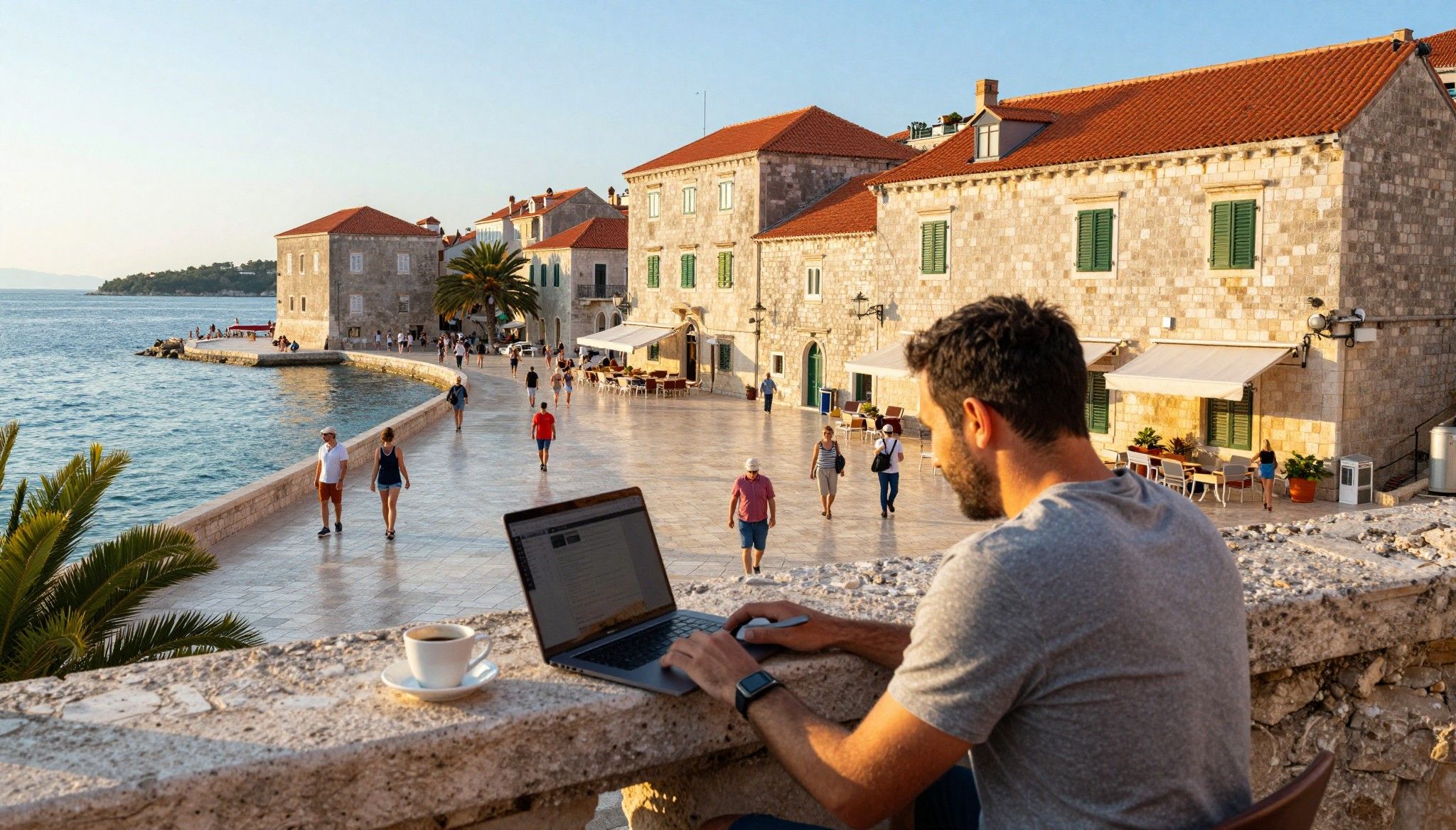
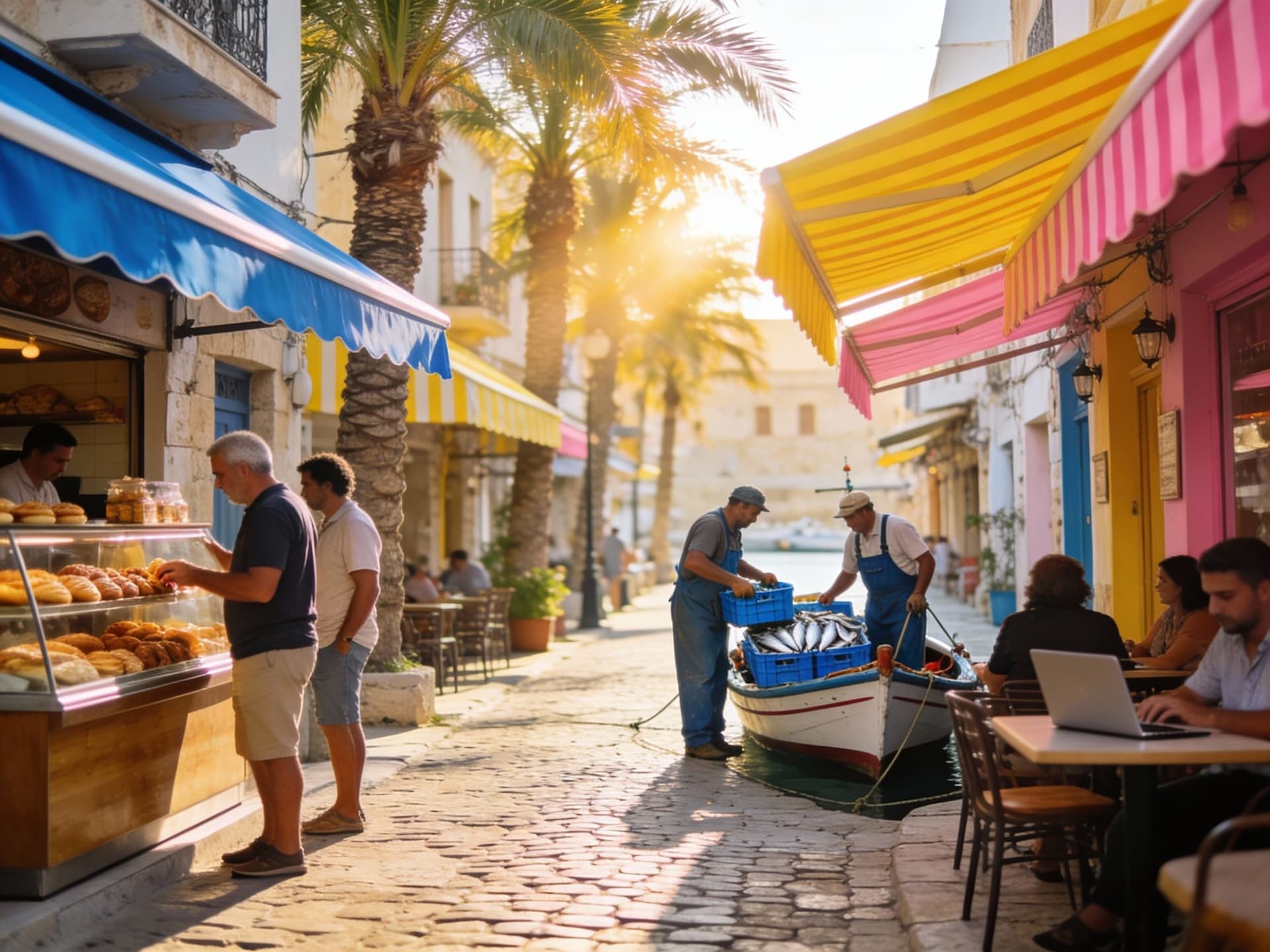
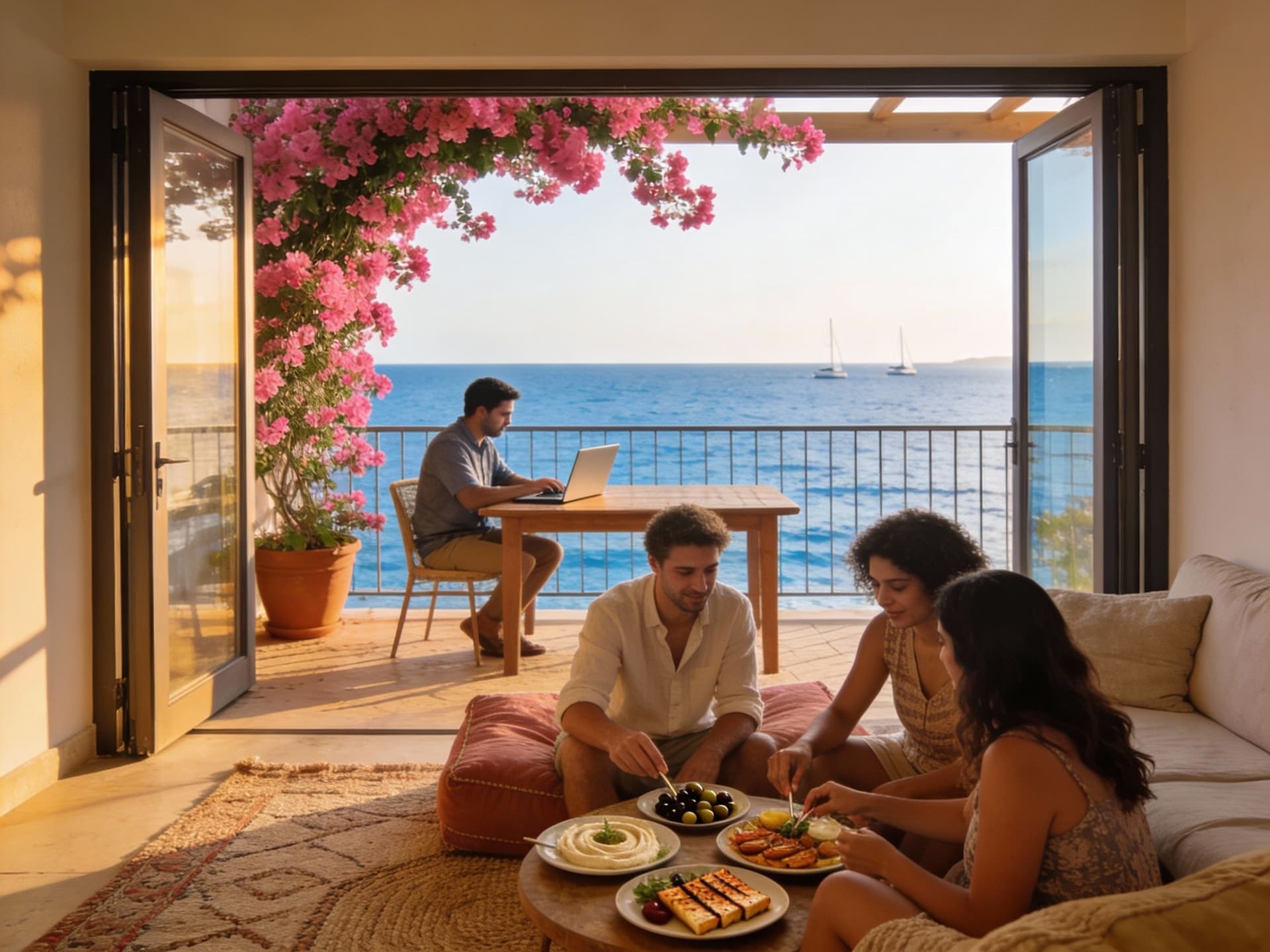
Imagine waking up to the thrum of a seaside market in Larnaca, walking past a bakery on Ermou Street for warm halloumi pies, then logging on from a sun-drenched balcony where the Wi‑Fi never skips. Cyprus feels like an island designed for slow mornings and productive afternoons — Mediterranean light, a friendly coffee culture, and neighbourhoods that still know your name. But the money side of buying here? It’s trickier than the postcard. Read on for honest, surprising financing and banking advice that pairs the island’s lifestyle with real steps to buy confidently.
Living Cyprus: streets, coffee, sea and work
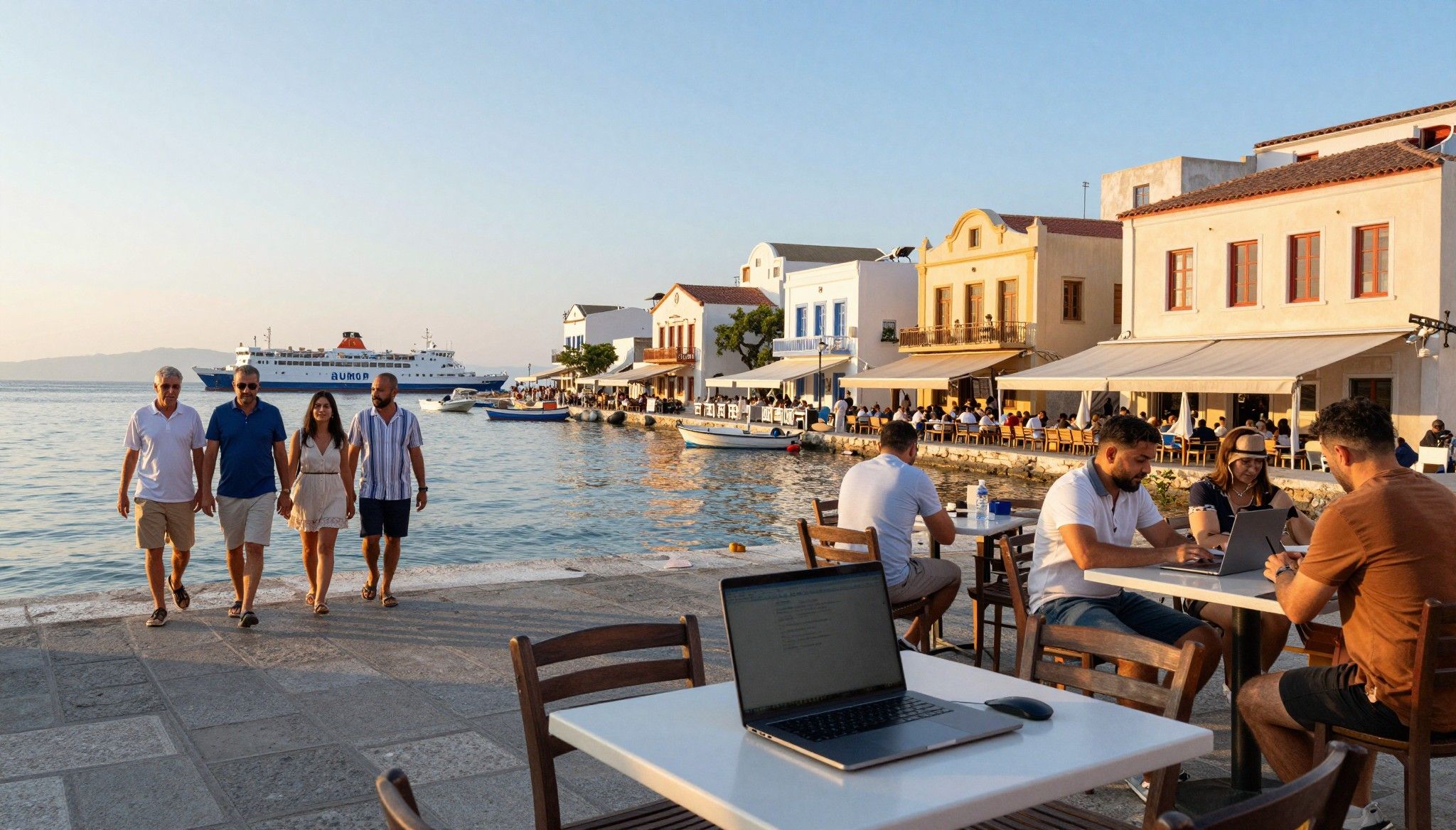
Cyprus is sun, but it’s also texture — pebble beaches, Ottoman‑era lanes, buzzy coastal promenades and quiet stone villages in the Troodos. Limassol hums with yacht culture and cafés on Gladstonos, Larnaca has a laid‑back shore life around Finikoudes, and Paphos mixes UNESCO ruins with family tavernas. For remote workers you’ll care about cafés with power sockets, short commutes to coworking spaces and fast fibre. Picture espresso-fuelled mornings, afternoon swims, then an easy video call from a quiet study — that combo influences the type of property you should actually finance.
Neighbourhood snapshots: where nomads actually move
If you want a friendly ex‑pat scene plus decent coworking, consider Limassol’s Germasogeia for beaches and cafes, or old Larnaca near Mackenzie Beach for slow mornings and cheaper rents. Paphos’ Kouklia area gives village vibes with quick airport access. Nicosia’s Strovolos is practical for longer stays, local services and better deal on interior space. Each area changes the financing math: coastal apartments often command premium prices and higher mortgage loan-to-value ratios from banks, while inland houses may need renovation budgets and different insurance.
Food, festivals and the seasons that shape life here
Weekends are market days — try the Nicosia Central Market for fresh fruit, or a fish lunch at Paphos harbour. Festivals (from wine harvest to local panegyria) pack neighbourhoods with energy and sometimes push short-term rentals during peak dates. That seasonality matters if you plan to rent out: small towns boom in summer while cities hold steadier occupancy across the year, which should influence expected rental yield assumptions when you calculate loan affordability.
Money matters: market signals and why timing feels contradictory
The headline is mixed: 2024 saw near‑record transaction value and a high number of sales, but price growth slowed in many districts late in the year. Official indices show pockets of rapid growth (Paphos, parts of Larnaca) and cooling in Limassol and Nicosia. That’s good news for buyers: cooling growth opens negotiation room, but banks have tightened lending after higher interest rates — so expect stricter affordability checks and lower LTVs for foreign applicants.
Why the ‘Cyprus is expensive’ myth misses the nuance
People lump Limassol’s luxury corridor and boutique marinas in with the whole island. But inland villages and parts of Larnaca offer much better value per square metre. If you move off the coast by 10–20 minutes, your euro stretches. Treat Cyprus as a collection of micro‑markets, not a single price. That mindset will help you choose a financing strategy that fits lifestyle, not just headline prices.
- Lifestyle‑meets‑money: financing factors to check before you sign
• Loan-to-value: non‑residents often see lower LTVs (expect 60–70% not 80–90%). • Currency: consider holding euros for purchases — FX swings can erode margin if you earn in another currency. • Interest rates: variable-rate loans mean seasonal budgeting for higher repayments. • Rental yield seasonality: coastal short-let peaks affect income projections. • Insurance & climate risk: coastal salt‑air needs specific clauses and running costs. • Title risk in the north: avoid properties in Turkish‑controlled areas without full legal clearance.
Practical steps: banking, mortgages and currency hacks
Start with a local bank chat before you make an offer. Cyprus banks will assess proof of income, tax residency, and often require translated documents. Many lenders price foreign applicants more cautiously. Bring clear documentation, and consider a joint application with an EU/EEA co‑applicant if possible to improve LTV and rate offers. Also: open a Cyprus euro account early — transfers and standing orders become far easier, and some sellers expect euro deposits.
Step-by-step money plan for buyers (numbered)
1) Get an up‑to‑date mortgage in principle from a Cypriot lender (ask about LTV for non‑residents). 2) Open a euro current account and set up a small transfer to establish standing order history. 3) Lock in FX for deposits if you’re converting from another currency — use forward contracts for large sums. 4) Factor in transfer taxes, stamp duty and legal fees (budget an extra 6–8%). 5) Use a local lawyer to clear title (especially for older houses) and check for planning/permits. 6) Keep a renovation contingency — stone houses often reveal hidden costs.
Working with local experts to protect lifestyle and money
A good local agent will show you how the area lives across seasons; a specialist lawyer protects title and navigates quirks (especially around properties near the UN buffer or in disputed zones). For currency planning, ask a payments broker about forward contracts — they can beat bank rates. And hire a local surveyor to avoid last‑minute surprise costs that wreck your renovation budget.
Insider knowledge: red flags, myths and expat truths
Real‑talk red flags every buyer should spot
- • Transfer documents sold without clear title (avoid properties with unresolved historic claims). • Listings that promise ‘instant residency’ — Cyprus’ residency rules changed and programs have been scaled back. • No permit or plan for sea‑view extensions — planning control is strict. • Sellers who insist on cash-only offshore transfers — insist on traceable euro payments.
What expats wish they'd known (short confessions)
We wish we checked broadband before we signed paperwork. We wish we'd budgeted for humidity‑proofing on the coast. And we wish someone had told us that a small inland renovation often gives bigger lifestyle returns than a tiny beachfront flat. Those small choices change day‑to‑day life: better router, a courtyard for summer, or a flexible workspace can be more life‑changing than extra square metres.
Cyprus gives you Mediterranean mornings and productive afternoons — and with the right banking and financing plan you can make the dreamy lifestyle last. Next step: talk to a local mortgage adviser, get a lawyer to run a title search, and plan FX transfers ahead of time. When you pair the island’s rhythm (bakery runs, sea swims, vibrant markets) with smart money moves, you don’t just buy a property — you buy a life. Ready to find the right neighbourhood to match your work rhythm?
Dutch investment strategist guiding buyers to Greece and Spain; practical financing, tax, and portfolio diversification.