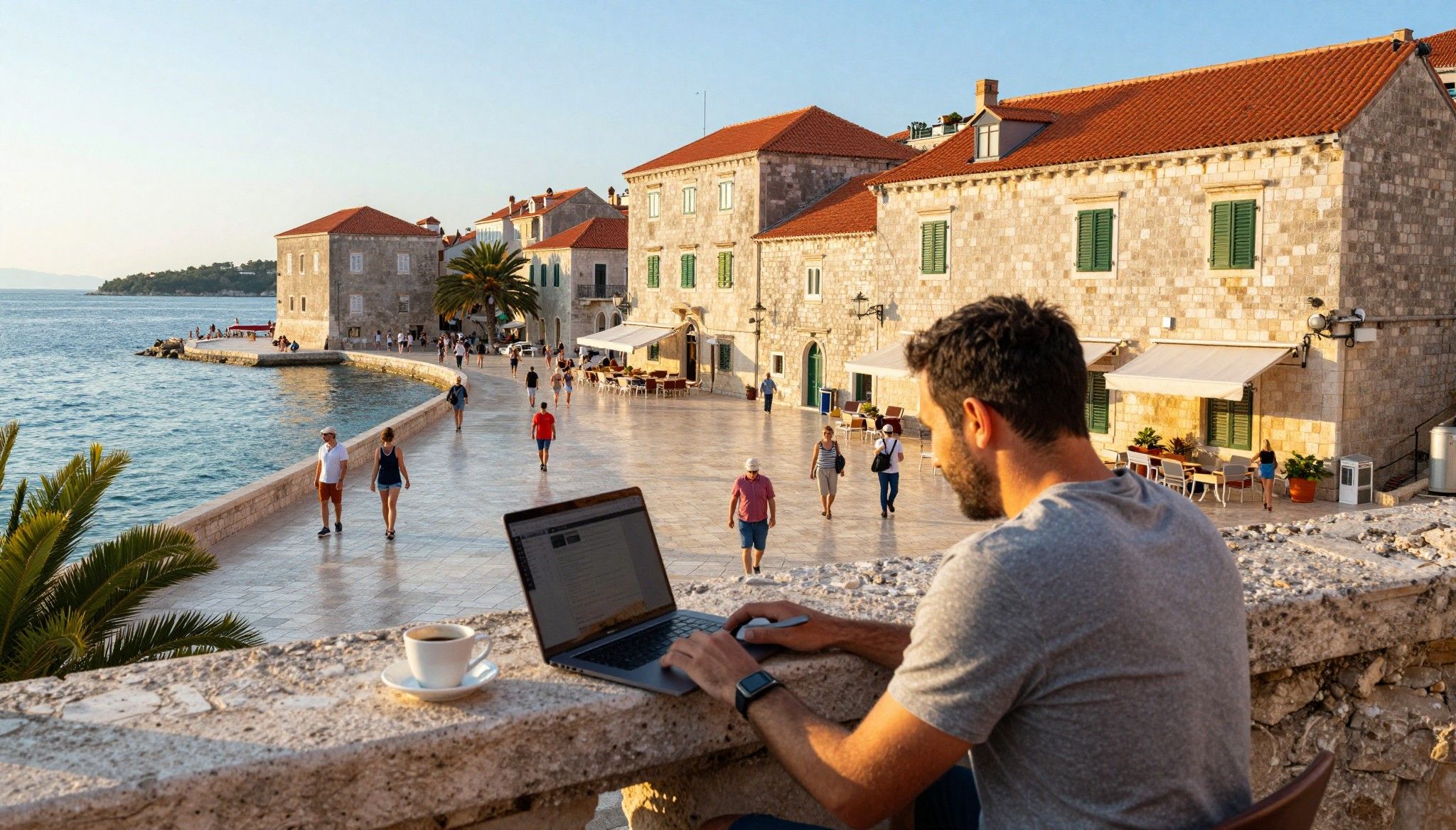
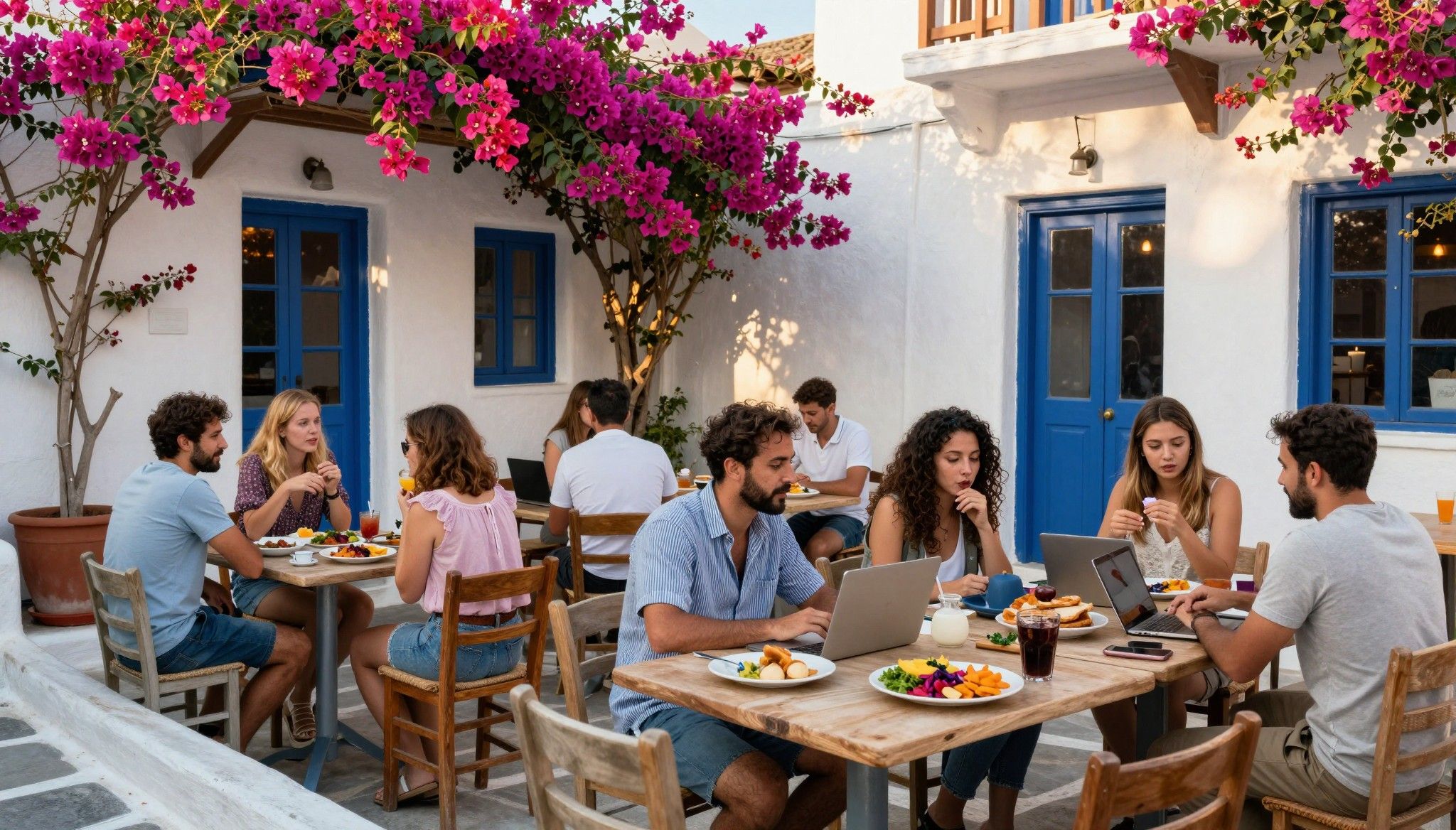
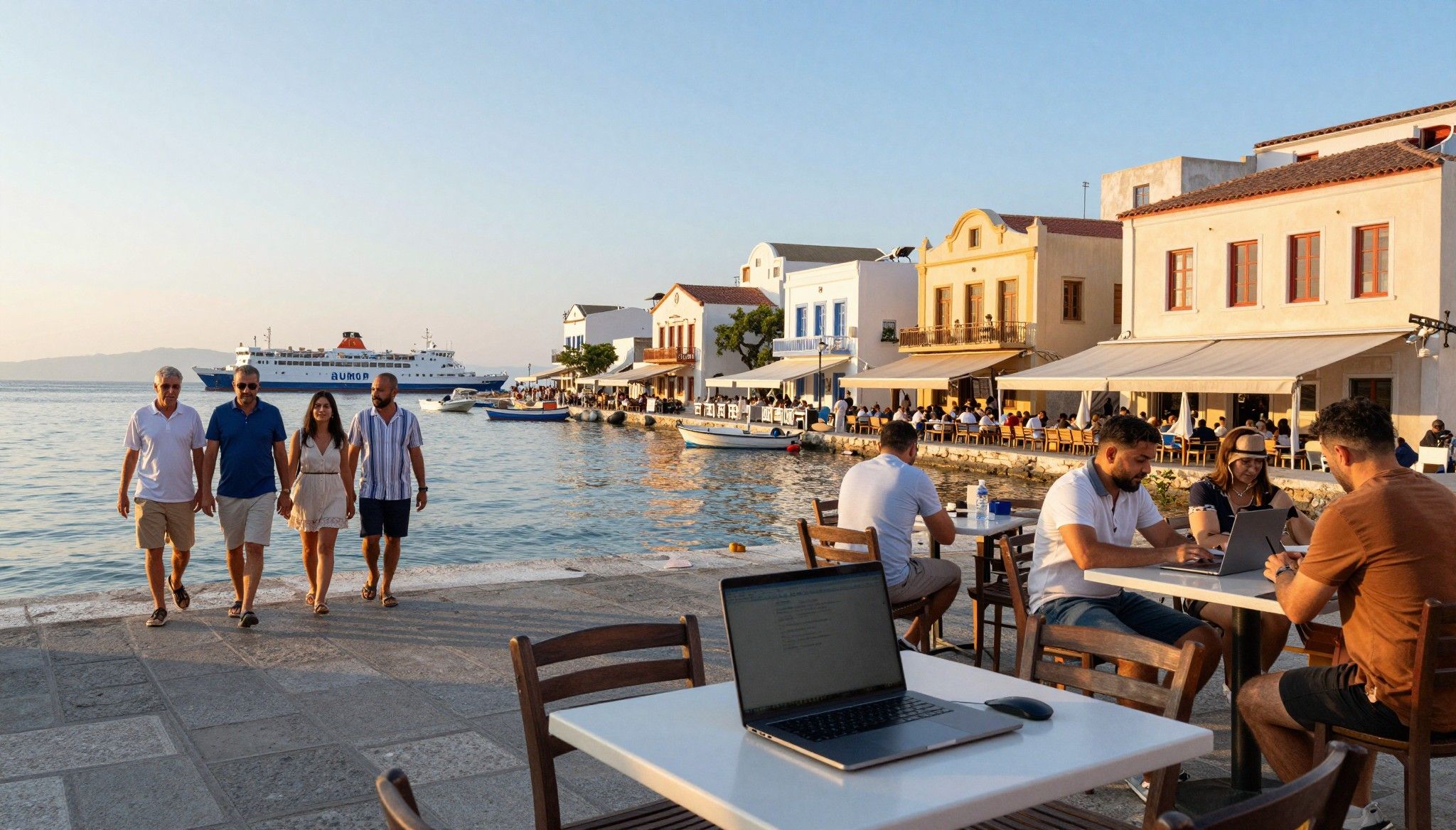
Imagine sipping espresso on a shaded table in Koukaki, Athens, your laptop open, a cobblestone street humming with bakeries and shared scooters. You think: I can afford this — Greek island sunsets, affordable living, euro stability. But the path from daydream to keys is littered with currency assumptions, mortgage surprises and a few very Greek quirks. This guide cuts through myths about Greece’s affordability, explains how euro mortgages and local banking actually work for non-residents, and gives concrete steps so you can buy with confidence.
Living the Greece lifestyle (and why money matters)
Greece feels like long lunches, vivid markets and morning swims. From Athinas Street’s fish stalls to Chania’s Venetian harbor, daily life is tactile and slow where you want it to be. But that same charm hides market momentum: prices have climbed in recent years and demand in hotspots is strong. Treat lifestyle romance and market reality as partners — the former tells you where you’ll be happiest; the latter tells you how much flexibility your budget needs.
Neighborhood spotlight: Athens — Koukaki, Psiri, Piraeus docks
Koukaki has rooftop bars and fiber lines; Psiri is buzzy with evening tavernas; Piraeus offers maritime life and quicker ferry hops. If you want a fast café Wi‑Fi morning and a quiet seaside afternoon, mix neighborhoods. Expect prices and rental demand to diverge sharply across these micro-markets — and factor that into financing choices (loan-to-value, rental income forecasts).
Food, seasons and the island trade-off
Picture late-summer fish markets on the Cyclades and winter fog over Thessaloniki’s waterfront. Seasonality shapes occupancy, maintenance costs and short-term rental income. Recent data show prices rising unevenly across regions — islands and big cities often lead. That affects financing: banks price loans on collateral risk and resale prospects, so an island cottage’s loan terms may differ from an Attica apartment’s.
- Lifestyle highlights you’ll want to budget for:
- Morning coffee at Little Kook or a Thessaloniki bakery; high-season ferry & flight costs; winter heating or seismic retrofits on older stone homes; fiber or 5G upgrades for remote work; property management for Airbnb or long-term rentals.
Making the move: practical financing & banking realities
Okay — you love the lifestyle. Now the money. Greece is in the eurozone, which removes FX risk for euro earners but not for dollar or sterling earners. Expect two big realities: mortgages for non-residents are available but conservative, and the Golden Visa rules (where relevant) now affect minimum investment levels in hotspot areas. Know the real costs beyond the price tag: stamp duties, notary fees, local taxes and realistic renovation budgets.
Property types and how lenders see them
Banks value liquidity and resale ease. New-build Athens apartments or Thessaloniki flats usually score better than remote island stone houses. If you plan to rent seasonally, lenders will stress-test rental income scenarios and may limit loan-to-value (LTV) below what locals get. For fixer-uppers, expect lower LTV and requests for renovation plans before approval.
Work with local experts who speak numbers and neighborhoods
A Greek mortgage broker, a bilingual lawyer, and an accountant who knows residency tax rules are your minimal team. Agencies that understand nomad needs — fiber, coworking proximity, low-maintenance terraces — find properties that match lifestyle and financing. They’ll also flag cadastral issues or permitted uses that affect loan eligibility.
- Step-by-step financing checklist (quick):
- 1) Open an EU bank account (some banks allow non-resident accounts remotely). 2) Get a preliminary mortgage eligibility letter — Greek banks will ask for proof of income, residency status, and a sizable down payment if you’re non-resident. 3) Ask for a full cost estimate including transfer taxes, notary, lawyer, and VAT where applicable. 4) Verify cadastre and building permits before committing. 5) Lock a currency strategy if you’ll transfer foreign earnings into euros regularly.
Insider knowledge: myths, red flags and smart currency moves
Myth: "Greek islands are always cheap." Reality: prime islands and Athens pockets have surged in price. Data show national house-price increases and regional hotspots. A contrarian move — buying in lesser-known ports or vibrant university towns like Patras — can give better value and steadier year-round rental demand.
Cultural red flags when dealing with money
Expect a slower cadence: paperwork may take longer, and personal relationships matter. Always insist on written timelines for searches, due diligence and notary appointments. Watch for mismatches between verbal promises and contract clauses, especially on renovation scopes or included fixtures.
Currency strategies that actually save you euros
- Use a specialist FX provider for large transfers; consider a euro‑denominated savings buffer to avoid spot conversions during volatile days; and time transfers when euro is favourable if you’re flexible. If you’re paid in a non-euro currency, hedge a portion of expected transfers for the first two years to stabilise mortgage payments and renovation costs.
A quick caution: some online lenders advertise easy mortgages for foreigners. Always verify KYC, ask for a full repayment schedule, and confirm early repayment penalties. Greek banks have tightened credit since 2020; don’t assume an easy cross-border loan.
What expats wish they’d known: expect seasonal income swings, legal paperwork that needs certified translations, and the joy of a local network. Finding a local notary who explains each line of the contract in English saved many buyers from surprises.
Long-term thinking: making Greece a lifestyle investment
Buying in Greece can be both a lifestyle upgrade and an investment, but success depends on aligning location with plan. Buy where your daily life will happen, not where tourists flood for two months. For remote workers, prioritize fiber, a sunny terrace for calls, and a neighborhood with a community — those things keep you happy and help rental appeal if you decide to let the place.
Practical next steps (actionable)
- 1) Choose three neighbourhoods and ask an agency for recent sold-prices. 2) Get a pre-approval or eligibility letter from a Greek bank or broker. 3) Budget 12–15% on top of purchase price for closing and immediate updates. 4) Open a euro bank account and set up an FX partner if needed. 5) Hire a local lawyer to run cadastral and permit checks before signing.
If you want help matching lifestyle to mortgage reality, a local MoveSettleGo partner can map budgets to neighbourhoods that fit fiber, cafés and community meetups — the trifecta for nomad life in Greece.
Conclusion: Greece is intoxicating — the food, sea and pace are a real draw. But fall in love with neighborhoods, not listings. Layer lifestyle choices with conservative financing: local mortgage pre-approvals, a euro safety buffer, and a team who know both the islands’ rhythms and Athens’ paperwork. Do that, and that Koukaki espresso will taste like a wise decision.