Smart money moves when buying in Cyprus
Fall in love with Cyprus’ sunlit rhythms, then lock a smart money plan: mortgages, local banking and FX steps that match lifestyle and market data.

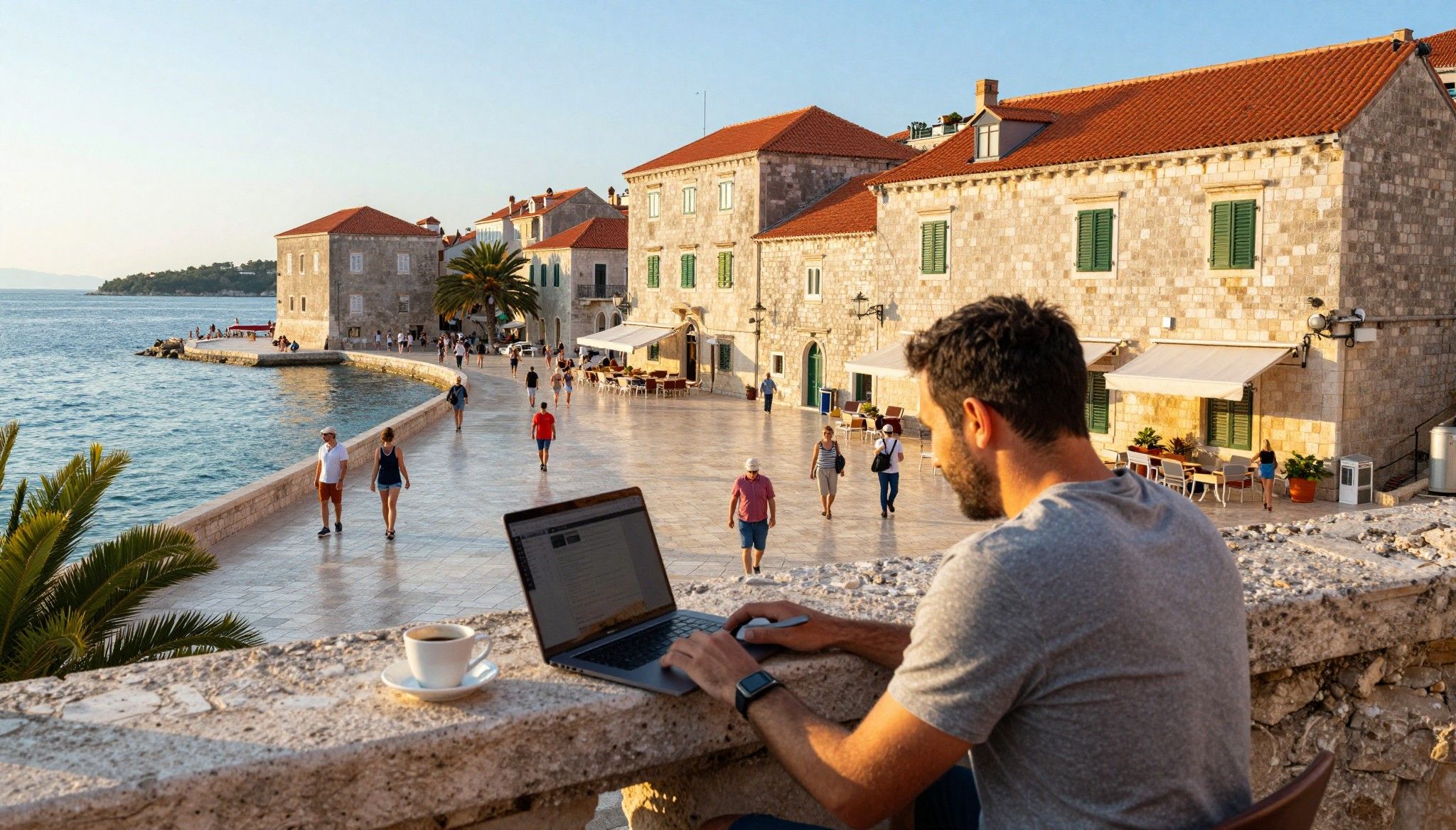
Imagine sipping espresso at a tiny table on Ledra Street, laptop open, the Mediterranean light pouring over limestone buildings. Cyprus moves slowly and brightly—afternoon coffees, sea swims at sunset, vibrant village markets on Saturdays. But beneath that warm rhythm are concrete money choices that shape whether your dream apartment stays a dream. According to recent Central Bank data, prices and borrowing conditions are shifting, so your financing plan matters as much as the view.
Living the Cyprus life: sun, sea, and neighborhood character

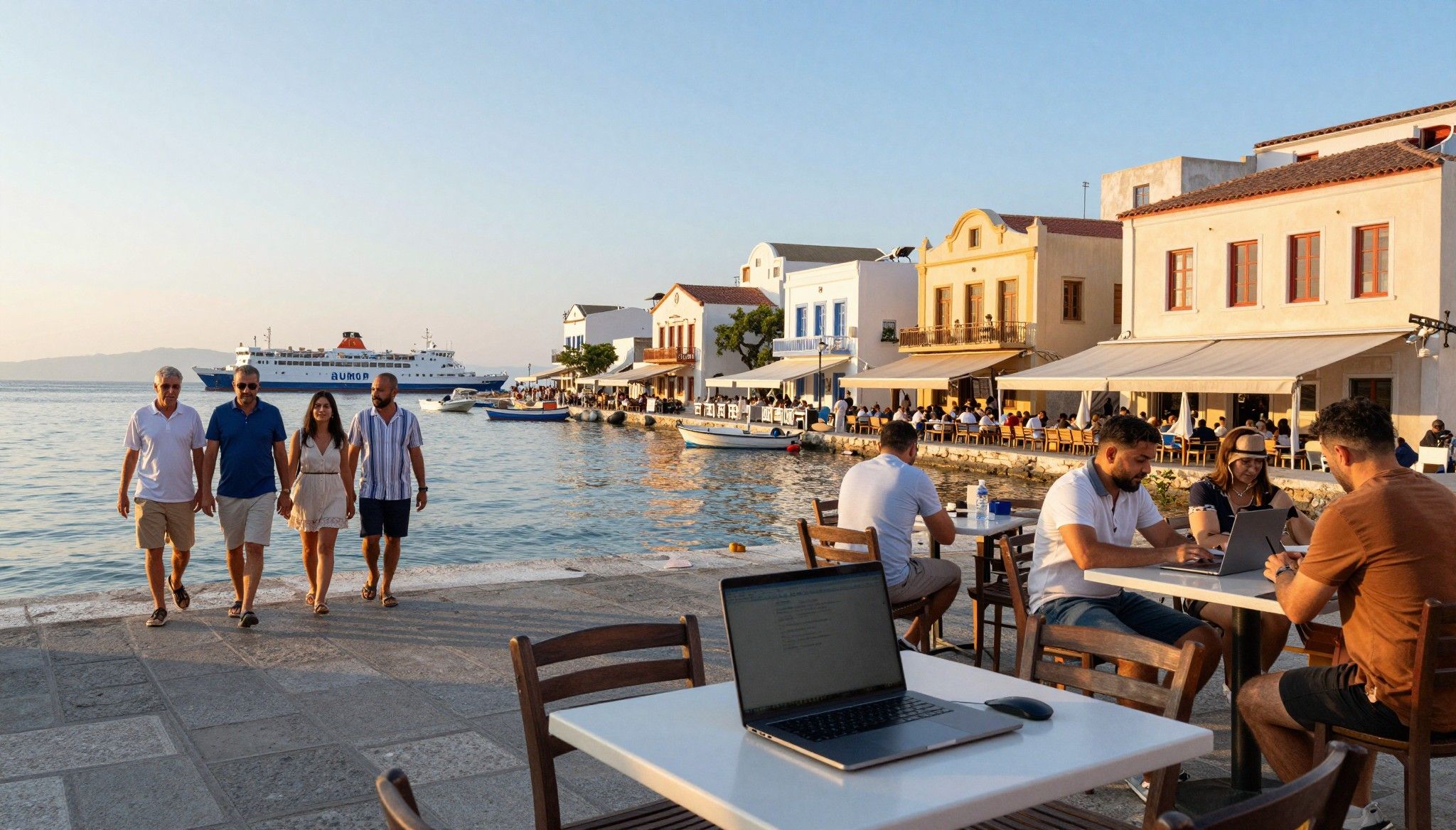
Life here is outdoorsy and social. In Limassol the seafront promenade hums with joggers and rooftop bars; Nicosia has laneways, late‑night meze and a calmer pace; Paphos mixes fishing-harbour mornings with quiet hill villages. The island’s seasonality—crowded beaches in July, quiet olive-harvest weekends in November—shapes values and rentals. House-price data from the Statistical Service shows regional variation that explains why a coastal apartment in Limassol carries a different financing story than a village house near Troodos.
Neighborhood pulse: Limassol, Paphos, Larnaca and Nicosia in feeling
Limassol: slick marinas and coworking cafés—expect higher per-sq‑m prices and stronger short‑let demand. Paphos: slower, more affordable, popular with retirees and families seeking space. Larnaca: compact airport access, growing digital‑nomad meetups; a sweet spot for remote workers. Nicosia: city life and stability, often better for long‑term rentals and local employment ties. Think about whether you want morning surf or evening souvlaki—each choice changes the mortgage, insurance and rental potential.
Food, markets and weekly rhythms that matter when buying
Picture Saturdays at the municipal market in Larnaca, smelling fresh halloumi and citrus. These scenes aren’t just romantic—they reflect demand cycles. Coastal tourist seasons push short‑let returns in summer; olive and grape harvests pull locals inland in autumn. Developers and banks watch these rhythms—expect different valuations and rental forecasts depending on the local calendar and market reports.
- Lifestyle highlights that shape buying choices: Limassol marina cafés; Paphos harbour walks; Larnaca’s Finikoudes boardwalk; Nicosia’s old‑town tavernas; Troodos mountain trails; Paralimni family beaches.
Making the move: practical financing, banks and currency choices
Dreams meet numbers here. Cyprus mortgage lending, interest rates and house‑price trends (reported by the Central Bank and local analysts) determine your real monthly cost. In recent quarters authorities report modest price growth and signs of slowing in some districts—meaning negotiating power can vary by region. That’s why an early chat with a local bank or broker informs whether you aim for a 60–70% loan-to-value as a non‑resident or a more conservative plan.
Mortgage realities: what non-residents should expect
Cypriot banks offer mortgages to foreigners but with caveats: higher deposit requirements (often 30–40% for non‑EU buyers), stricter income documentation, and variable interest rates tied to Euribor plus margin. Expect banks to stress-test for rental income if you plan to let the property. Recent Central Bank commentary highlights borrowing costs and construction prices as factors—so locking a favourable rate or arranging a fixed period can protect you from short‑term shocks.
Banking, currency and where to hold funds
Euro is the local currency—no exchange risk after purchase if you earn and spend in EUR. If you’re paid in another currency, plan FX transfers and consider a multi‑currency account with a Euro IBAN. Opening a local account speeds payments for utilities, taxes and agent fees; many banks let non-residents open accounts with passport and proof of address. Avoid moving large sums without preparing AML paperwork—the island’s recent reforms around residency and past investment schemes mean banks perform careful checks.
- Step-by-step money moves when buying in Cyprus: 1) Get a Euro-denominated plan: map your income, FX needs and target deposit. 2) Speak to two local banks for pre‑approval to compare LTV and margins. 3) Open a Cyprus account early and prepare ID/AML docs. 4) Lock rates or use short fixed periods and plan for refinance. 5) Budget for transfer fees, stamp duty and agent/legal costs.
Insider knowledge: what expats wish they'd known about money here
Real talk: locals and long‑term expats tell the same two things—do your paperwork early and don’t over-leverage because tourism cycles can throw rental projections off. The island has reformed its residency and investment rules since the controversial 'golden passport' era; that means stricter due diligence from banks and conveyancers but also more transparency for honest buyers.
Cultural money quirks and agency help
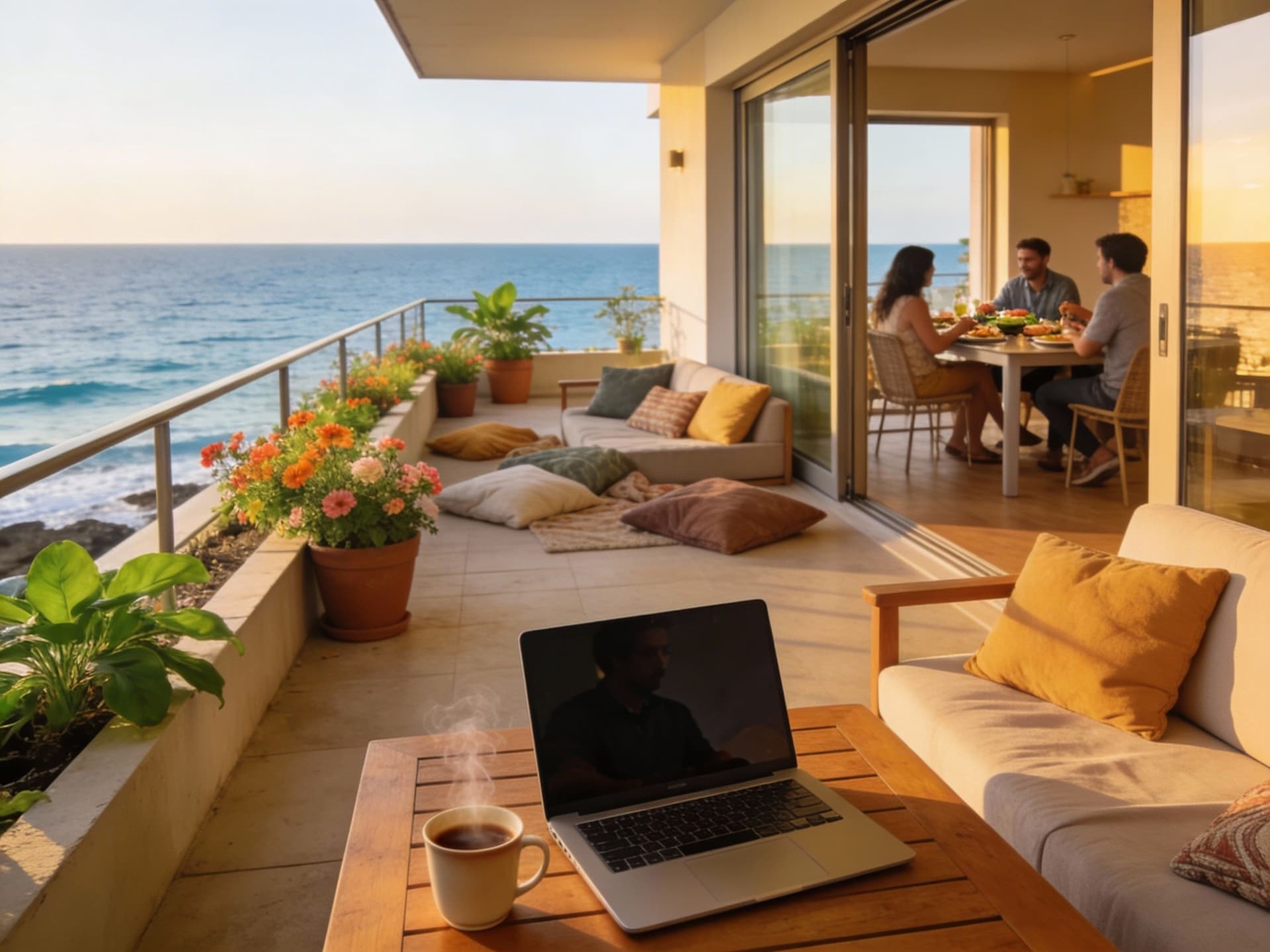
Cypriot sellers value quick, certain deals. A buyer who can show funds in a Cyprus bank and a pre‑approval often jumps ahead. Local agents and bilingual lawyers are your lifestyle translators: they’ll match a seaside flat to your remote‑work routine—fibre availability, quiet terraces for calls, and easy access to cafés with outlets—while structuring offers that local vendors respect.
- Red flags and smart checks before you sign: • No clear title or missing final plan approvals. • Developer delays on completion certificates (use escrow safeguards). • Overly optimistic short‑let income estimates without seasonality clarity. • Unexplained offshore ownership structures—ask for transparency.
Conclusion: Cyprus is a place you fall for if you match its tempo and money reality. Start with coffee‑table vision—the streets you'll walk—and pair it immediately with a three‑part plan: local market check, bank pre‑approval, and a trustworthy bilingual lawyer. That combo keeps the romance and removes the risk. Ready for a next step? Ask us for a short list of banks and bilingual agents by district and we’ll tailor the finance checklist to the neighborhood you love.
Norwegian who has helped 200+ families relocate from Oslo to Spain; expert in relocation services and community integration.