Why Winter House‑Hunting Pays in Cyprus (Money Tips)
Winter viewings, a euro bank account and local mortgage pre-approval are the underrated moves that save money and reveal the real Cyprus lifestyle.
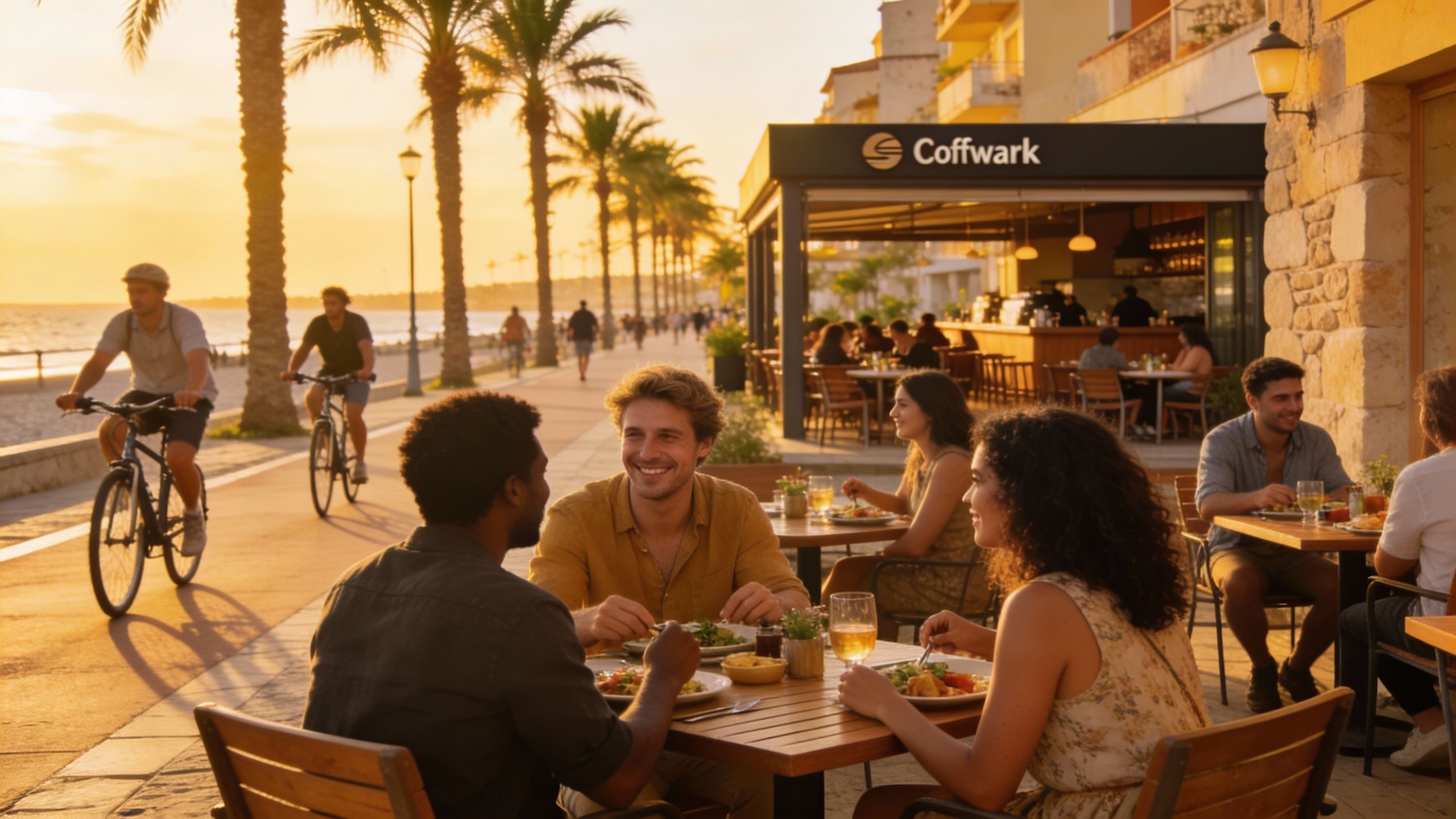
Imagine waking up to a slow Mediterranean morning in Limassol — espresso on a sunlit balcony, a short walk to a coworking café, and the sea on the horizon. Cyprus feels like that every day: long lunches, lively neighbourhood markets, and sunsets that make rooftop dinners compulsory. But for international buyers the dream has a practical side: when you time the market, pick the right banking setup and read seasonal quirks, you reduce stress and often save money. This guide mixes the warm, lived-in side of island life with hard finance tips so you’re as confident about mortgages and accounts as you are about where to take your next swim.
Living the Cyprus life
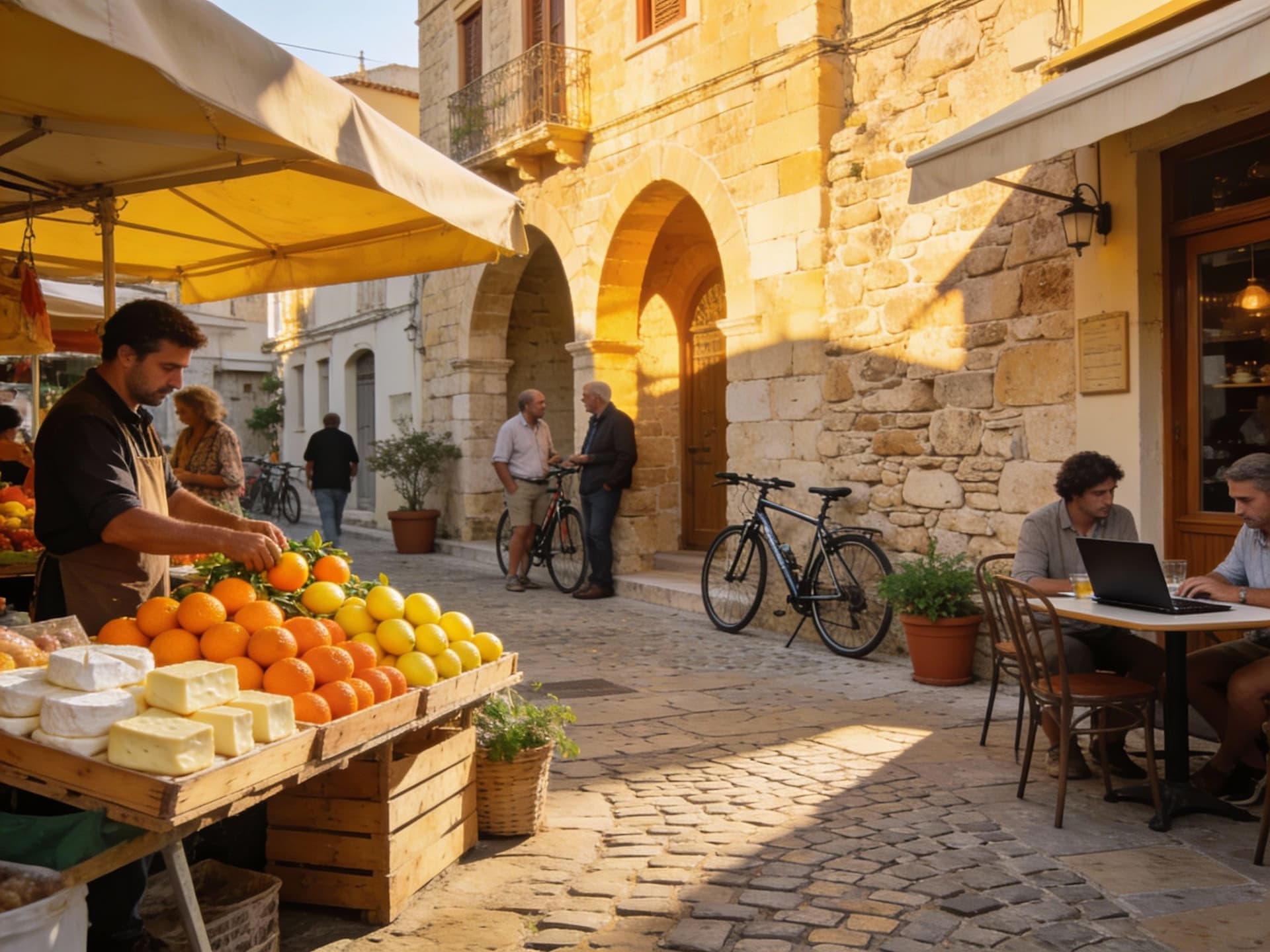
Cyprus moves at a sun-drenched, sociable tempo. In places like old town Nicosia you’ll hear Greek, English and the clink of cups in kafeneia; in Paphos the coast sets a slower, seaside rhythm for surfers and families. Weekends are market days — fresh halloumi, figs, and locals exchanging news — while evenings favor terrace dining and long walks along promenades in Larnaca. If you’re picturing productive remote days, think small apartments with big balconies, cafés offering reliable Wi‑Fi, and a handful of friendly coworking hubs in Limassol and Nicosia. Living here blends low-key luxury with community warmth, and those lifestyle choices shape the property you should buy.
Neighbourhood notes: where nomads settle
Limassol’s Molos and Germasogeia are top picks for expat social life: beachfront promenades, hip cafés, and short commutes to coworking spaces. Larnaca’s Finikoudes offers a gentler price point and easy airport access — a magnet for digital nomads who travel frequently. Paphos feels almost village-like in parts, with coastal villas and an unexpectedly strong year-on-year price surge that’s drawn both retirees and remote workers. Each district offers a distinct daily rhythm, so match streets to your day: morning runs, evening socialising, or quiet mornings with good internet.
Food, pace and seasonality — the real pull
Food is a front-row reason people fall in love with Cyprus: street souvlaki, village tavernas in Ayia Napa’s backstreets, and farmers’ markets stacked with citrus in winter. Seasons matter here — summers buzz with tourism (and noise), while winter shows the island’s calmer, more local face when you can negotiate better on price and view the community clearly. Festivals like Kataklysmos and local wine fairs bring neighborhoods alive, offering a quick test-drive of community fit before you sign a contract. If lifestyle sells the place to you, seasonality should shape when and where you buy.
Making the move: practical banking and financing

Dreams meet paperwork here. Cyprus property prices have shown steady growth but with regional differences — Paphos and Famagusta often outperform Nicosia — so the timing of your buy and the financing route you choose matter. Recent official data highlights modest overall price rises, but apartments and houses move differently across districts, which affects LTVs lenders will offer and how quickly your property could appreciate. Below are clear banking and mortgage realities to help you plan with confidence.
How mortgages work for non-residents
Local banks lend to non-residents but expect higher down payments — commonly 30–40% for foreign buyers — and thorough income checks. Interest rates vary; fixed and variable options exist, and many contracts tie rates to EURIBOR plus margin. Start with a pre-approval from a Cypriot bank to strengthen offers; consider both local lenders and international banks with a Cyprus presence to compare rates. Don’t forget to ask about early repayment penalties and whether the mortgage can be held in euros only — currency terms matter for your monthly cashflow.
Banking setup, transfers and currency tips
Open a local euro account early — it keeps utility bills, taxes and mortgage payments simple. For large transfers, use a regulated FX provider to avoid bank margins; locking a forward contract can protect you from EUR swings if your income isn’t in euros. Ask banks about international banking desks and online banking ease — many Cypriot banks offer English-language support and international card arrangements. Keep evidence of income, tax residency and source of funds handy; anti-money-laundering checks are strict and can delay purchases if documentation is incomplete.
- Practical money tips before you bid:
- 1) Get pre-approved by a Cypriot bank or lender to show sellers you’re serious.
- 2) Use an FX specialist for deposit transfers — you can save 0.5–2% versus banks on big sums.
- 3) Budget for 10–12% extra (taxes, notary fees, stamp duty, agent fees) even if the sticker price looks perfect.
Insider knowledge: season, negotiation and red flags
Here’s a contrarian tip many buyers miss: winter is often the smartest time to house‑hunt in Cyprus. Tourist noise drops, seller urgency rises and you get a clearer sense of neighbourhood life beyond high-season marketing gloss. Official sales data shows strong annual sales even outside summer months, meaning motivated sellers exist year-round. Use off-season viewings to test internet speed at different times, meet neighbours, and spot maintenance issues that summer crowds can hide.
Negotiation moves that actually work
Bring evidence: a bank pre-approval, comparable sales from the district, and quotes for any obvious repairs. Sellers in quieter months value certainty — a fast, clean offer with a modest deposit can beat a higher, conditional one. Work with an agency that knows local repair costs; a simple on-site estimate for a leaky terrace or outdated electrics gives you ammunition to negotiate a price reduction or a seller credit. Above all, be polite and local: Cypriots value relationship-driven deals and that goodwill goes a long way.
Red flags: title, planning and seasonal masks
Watch for properties with unclear title histories, missing building permits, or unregistered extensions — these often surface after high-season showings. Check the Department of Lands & Surveys records and insist on a lawyer who speaks English and knows local quirks. Also beware developments with unfinished communal works; a sunny summer visit won’t reveal an empty pool or landscaping debts. A little legal diligence saves big headaches later.
Step-by-step buying checklist (numbered)
- 1) Open a local euro bank account and gather proof of funds.
- 2) Get mortgage pre-approval if you plan to borrow; compare local and international lenders.
- 3) Make offers in the off-season where possible; include realistic timelines and a clear deposit term.
- 4) Commission a lawyer and a technical survey before signing the final contract.
- 5) Plan transfers with an FX provider and confirm tax/fee timing so cashflow’s smooth at closing.
What expats wish they'd known
The best buyers in Cyprus are the curious ones: they talk to neighbours, try local cafés, and check internet speed at different hours. Many regret not testing noise levels — coastal promenades are lively at night in summer — or underestimating maintenance on older stone houses inland. Another common surprise: utilities and council communication can be slow; expect some bureaucracy and be patient. But settle in and you’ll find community, excellent food and a pace of life that rewards presence and exploration.
Long-term outlook and resale cues
Official indices show steady but uneven growth — coastal apartment demand and Paphos gains stand out — and developers are still active in major districts. For resale potential, prioritise walkability, reliable internet, and proximity to airports or marinas; those features attract long-term renters and buyers. Keep documents organised from day one to smooth any future sale: tax receipts, renovation permits and warranties all add tangible resale value.
Conclusion: fall in love deliberately
Cyprus gives you sunny routines, neighbourly tavernas and a surprisingly modern banking scene — but the best moves blend romance with discipline. Test the lifestyle in different seasons, set up the right euro-banking foundation, and use winter viewings to find motivated sellers and real value. Work with an agency and lawyer who speak your language of lifestyle and finance; they turn the island’s charms into a home you can actually afford and enjoy. When you’re ready, start with a local account and a pre-approval — then go taste the halloumi on a street you could call home.
British expat who moved from Manchester to Mallorca in 2017. Specializes in market analysis and helping fellow Brit navigate local regulations.