Budget for a Greek Life: Hidden Costs & Seasonal Hacks
Plan for the life you want in Greece: seasonal income, statutory buying fees (~5–7% typical), renovation buffers and local-expert checks for confident budgeting.
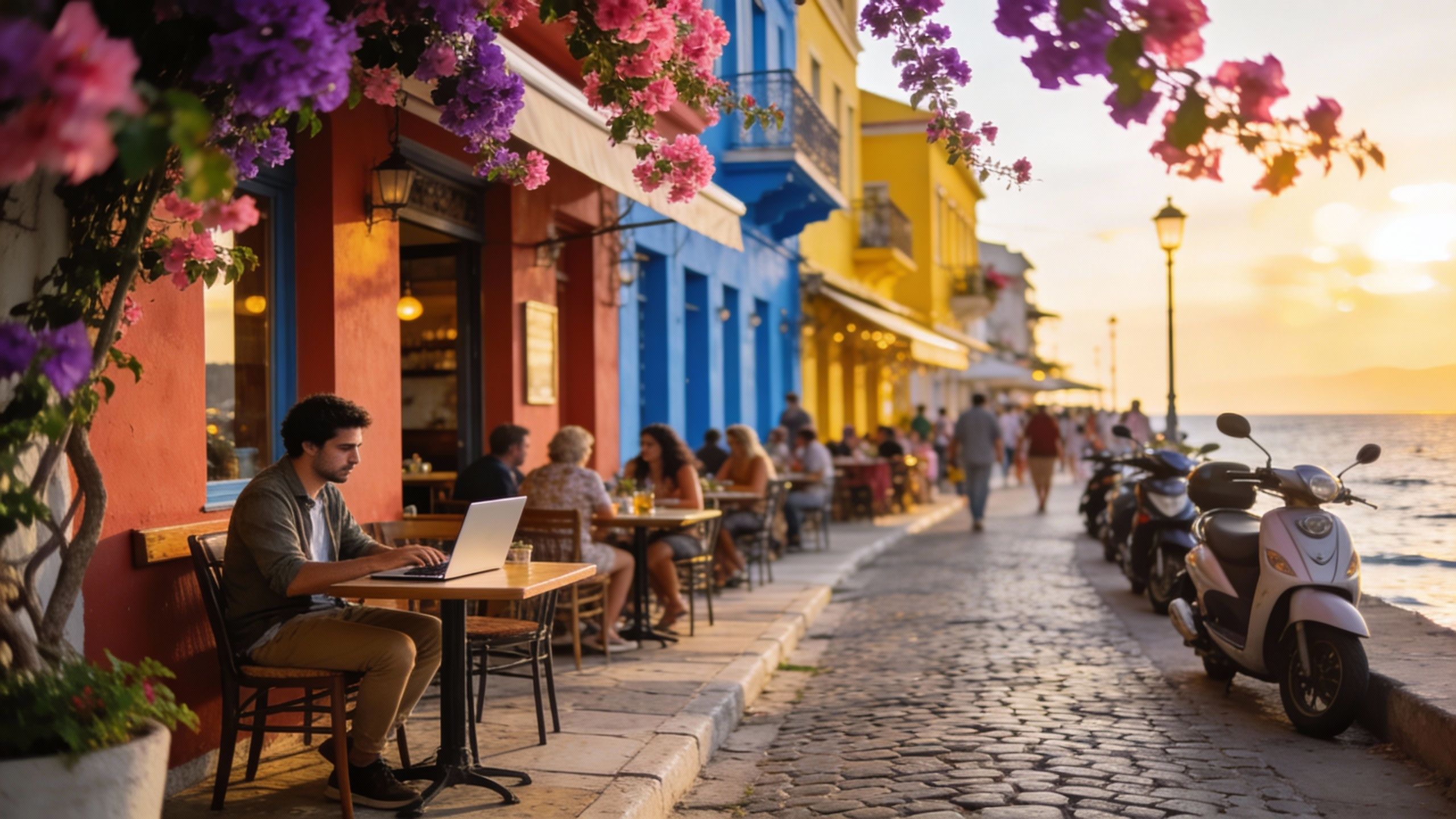
Imagine waking to a sea breeze in Chania, grabbing an espresso at a kafeneio on Halidon Street, then logging on to work from a sunlit balcony. That daydream is the Greece many of us chase — whitewashed alleys, markets that smell of oregano and lemon, and afternoons that bend toward the shore. But before you picture keys in your hand, you need a budget that matches this life. Start with the lifestyle first — then we'll map the real costs that make it possible.
Living the Greece life: sounds, streets, seasons
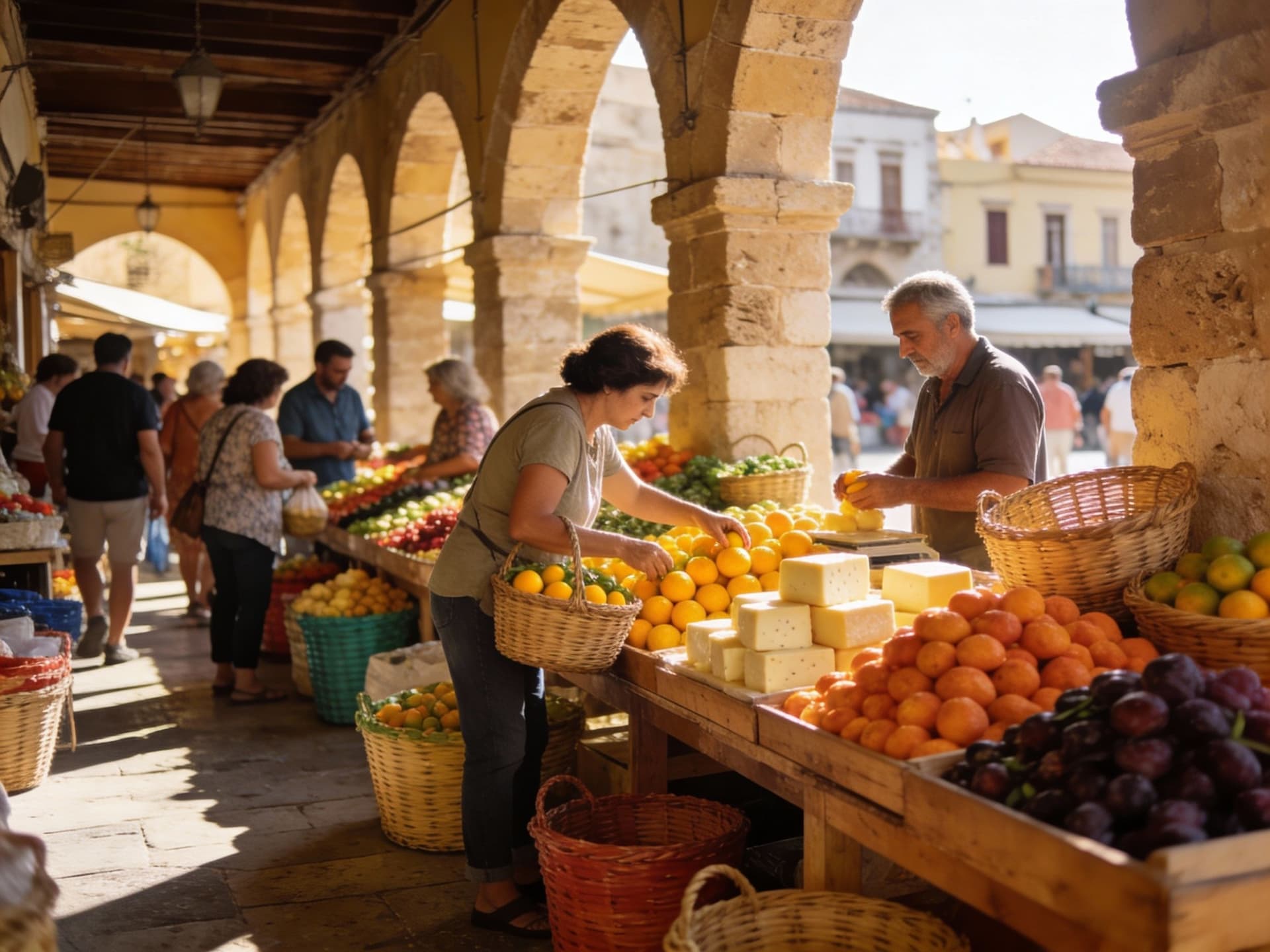
Greece moves at a rhythm that feels both slow and electric. Morning markets bustle in Exarchia and Ano Poli, ferries spill tourists into Santorini’s caldera by mid-morning, and small tavernas in Piraeus hum with families at dusk. The calendar — olive harvests in October, island festas in August, tiny neighborhood panigyria — shapes where locals live and how properties are used. If you crave a life where errands include buying freshly baked koulouri and afternoon swims, factor in seasonal flux when you plan your budget; some areas earn most of their income in a few summer months, which affects rental demand, maintenance cycles and even bargaining power.
Neighborhood spotlight: Athens pulse vs island calm
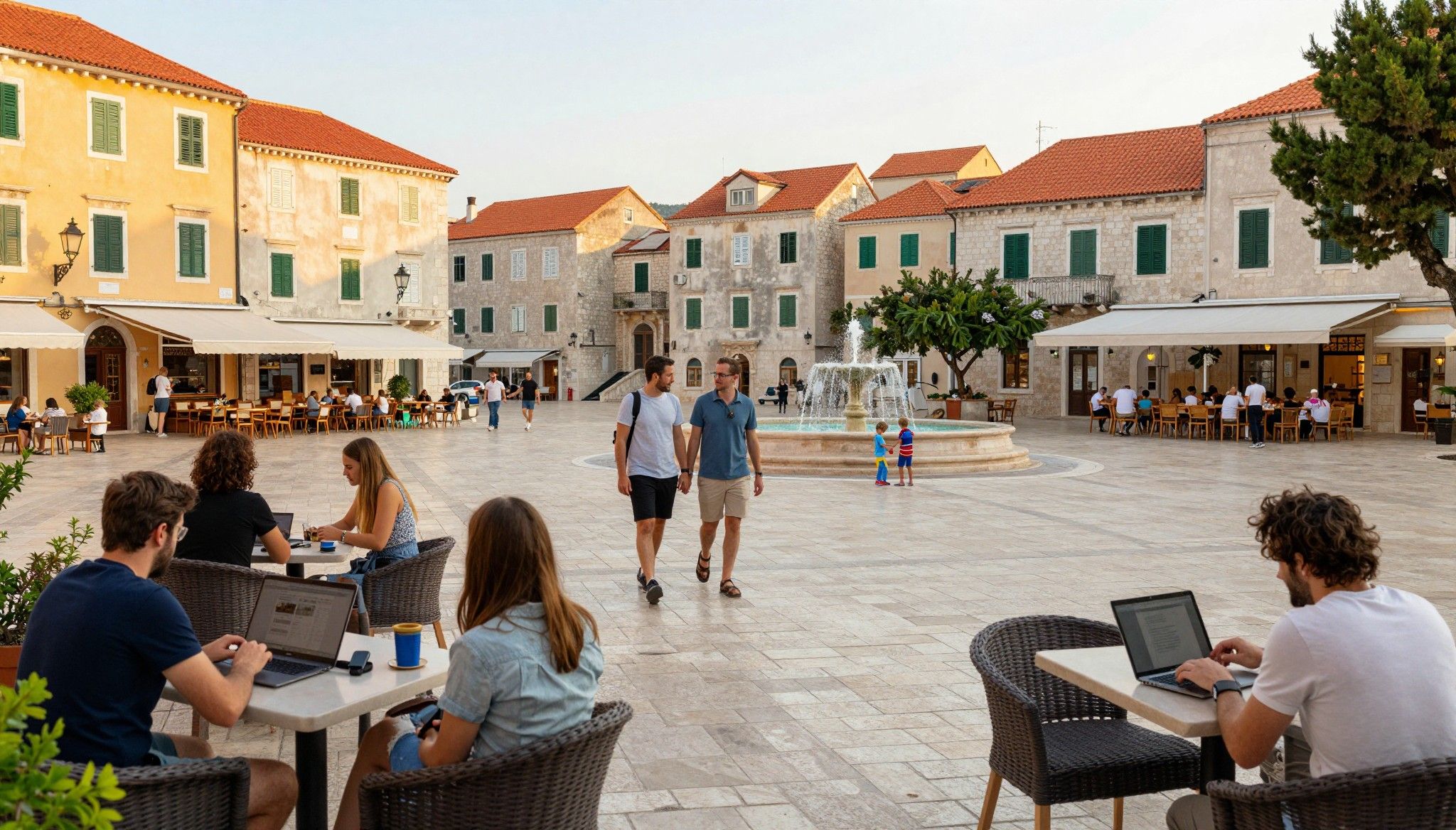
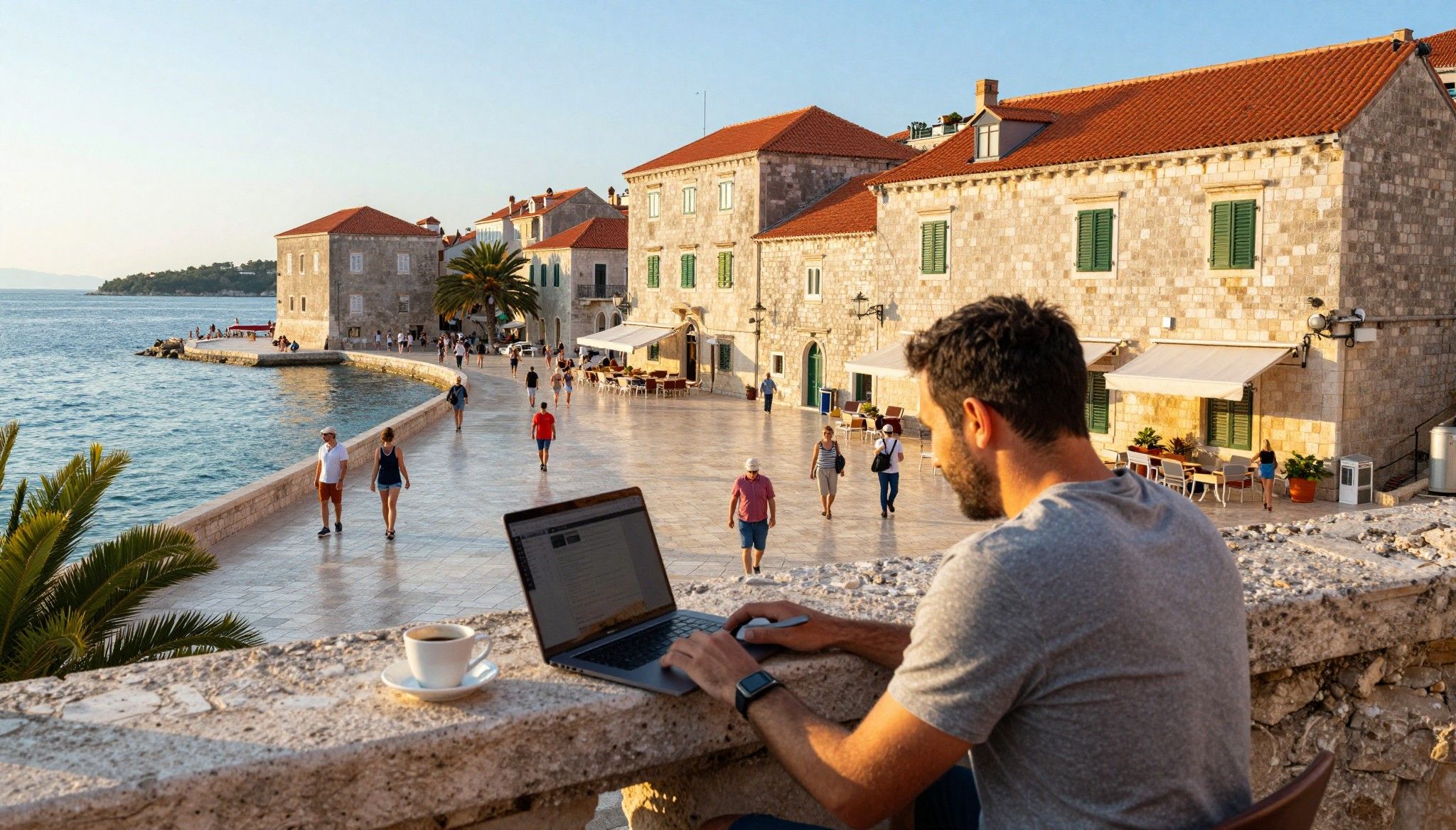
In Athens, Koukaki and Pangrati offer late-night tavernas, excellent fiber connections, and compact apartments perfect for remote work. Walkable streets and coffee shops with power sockets are everywhere. On the islands, look for Chania’s Old Town (stone lanes, Venetian harbour) or Naxos Hora (family-run markets) if you want community and slower seasons. For remote workers who love a social scene, lively neighborhoods often mean slightly higher rents but far better day-to-day life.
Food, markets and the weekly rhythm
Plan weekends around local markets: Varvakios Market in central Athens, Chania’s municipal market, or small island farmers’ markets where you’ll buy wild greens, local cheeses and fresh fish. Eating locally trims living costs and plugs you into community life — and it matters when you budget for food, utilities and leisure. Expect a mix of inexpensive daily meals and pricier tourist-season dining in hotspot neighborhoods.
- Lifestyle highlights to budget for
- Daily espresso and snacks at local kafeneia (€1.50–€4)
- Weekly market shopping (seasonal produce keeps costs low)
Making the move: practical costs to budget (beyond the listing price)

Dreams cost money — and in Greece that means more than the advertised price. Transfer taxes, notary fees, legal checks, cadastre registration and agent commissions typically add several percent on top of a purchase. National indexes show steady price growth in recent years, so build a buffer for rising market values if you’re not ready to move fast. Below are the major ticket items to plan for, with real examples so you can see how a budget stacks up.
Property styles and what they cost to run
A Cycladic island maisonette will charm you, but thin walls and summer tourist demand could push up maintenance and cleaning costs. A modern Athens apartment may have reliable heating, fiber and lower seasonality but higher purchase prices per square metre. Historic stone houses require specialist contractors and can carry cadastre/title complexities. Match the property type to your lifestyle: low-maintenance for a frequent traveler, or a project if you love restoration and have a renovation buffer.
Work with local experts who know neighborhoods and seasonality
A Greek lawyer (dikigoros) and a local agent who speaks your language are worth their fee. They’ll verify title, check municipal debts, and confirm whether VAT or transfer tax applies on a new-build. Ask agents about average annual utility bills, winter heating costs, and if the area has reliable broadband — crucial for nomads. Use professionals to translate contract clauses and explain local conventions like how common spaces are maintained and billed.
- A simple budgeting step-by-step
- 1. Pick 2–3 neighbourhoods you love and get recent comparable prices.
- 2. Add statutory costs: plan ~5–7% for transfer tax, notary, lawyer and registry on resale; new-builds may carry different VAT treatments — confirm with seller and legal counsel.
- 3. Build a 10–15% renovation/maintenance buffer for restoration, seismic upgrades or furnishing.
- 4. Forecast ongoing costs: utilities, community fees (condominium), property tax (ENFIA) and seasonal spikes if you plan to rent short-term.
Insider knowledge: expat truths, seasonal hacks and red flags
Expats tell the same stories: the first winter is a learning curve, and summer illusions hide off-season realities. Neighborhoods that feel empty in October can be vibrant community hubs by March. Price rises have been strong but cooling in 2024–25 in many areas, which means timing can change your negotiating power. Spot the red flags below and use seasonal cycles to your advantage.
Cultural integration: what actually builds a life here
Learn a few Greek phrases, join a local association, and show up to the weekly market. Greeks value personal relationships; the same local contractor or kafeneio owner will often become your go-to resource. Expect bureaucracy to be paper-heavy and sometimes slow — a patient, community-minded approach will save you stress and money in the long run.
Long-term thinking: maintenance, rental windows and resale
If you plan to rent, remember the tourist season concentrates income into a few months. That affects revenue forecasting and repairs scheduling. For resale value, proximity to fiber, ferry links or a reliable road matters more than a sea view in some areas. Invest in smart home upgrades (good insulation, efficient heating/cooling, fast internet) and keep receipts — they help with maintenance planning and resale transparency.
Conclusion: fall in love, then budget like a local
Greece gives you mornings that taste of lemon and olive oil, neighborhoods that feel lived-in, and summers that stage your best memories. Balance those joys with a disciplined budget: map expected purchase costs (transfer tax, notary, lawyer, registry), add renovation and seasonal buffers, and partner with local experts who translate lifestyle into numbers. When you budget for life — not just a listing price — you’ll buy a home that actually fits the Greece you fell in love with.
Dutch investment strategist guiding buyers to Greece and Spain; practical financing, tax, and portfolio diversification.