Budget Like a Local: Cyprus Lifestyle‑First Numbers
Fall for Cyprus’s beach‑to‑village rhythm — then budget correctly: use recent HPI and transaction data to set a purchase price plus a 10–20% buffer for taxes, fees and renovations.
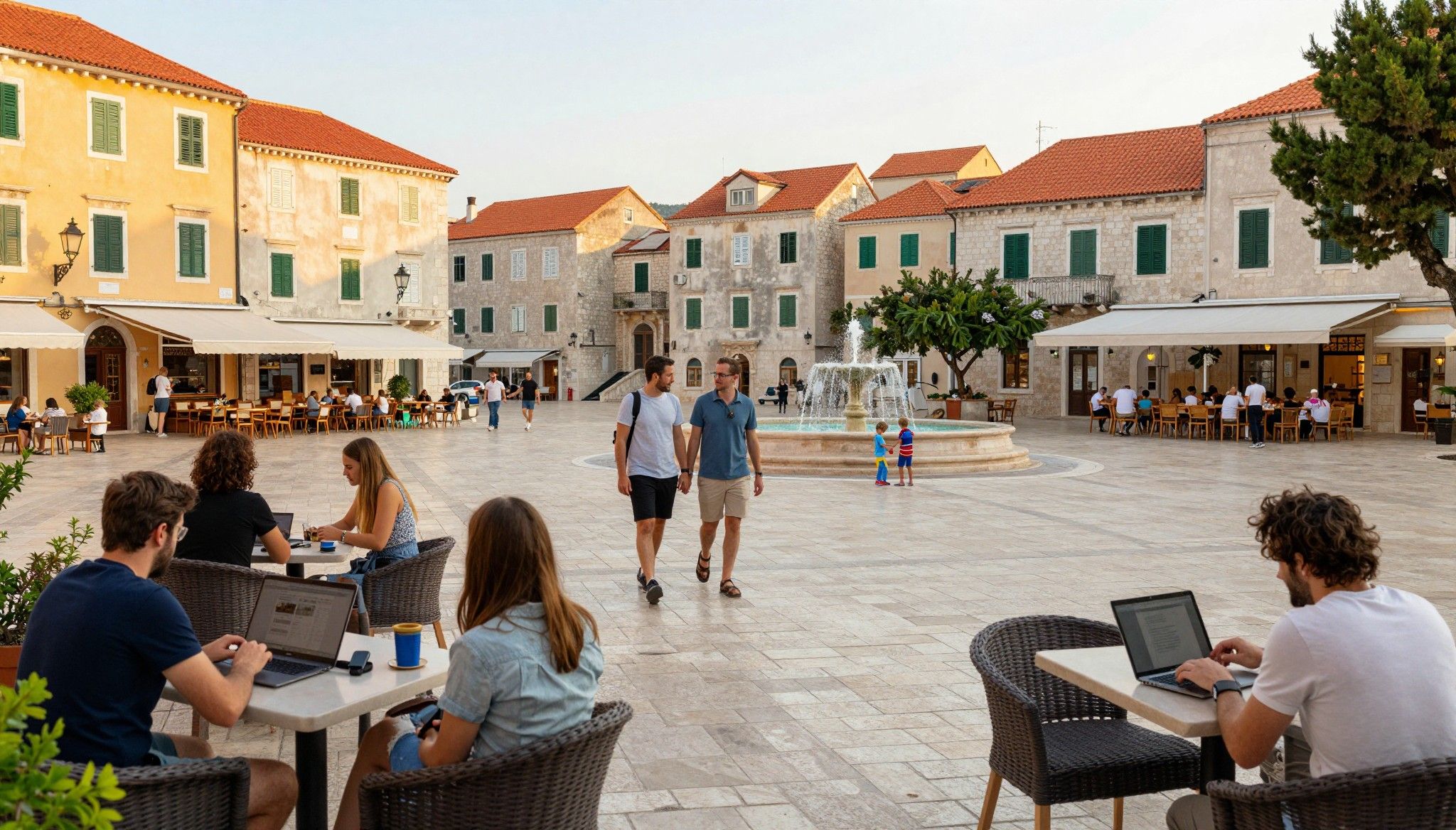
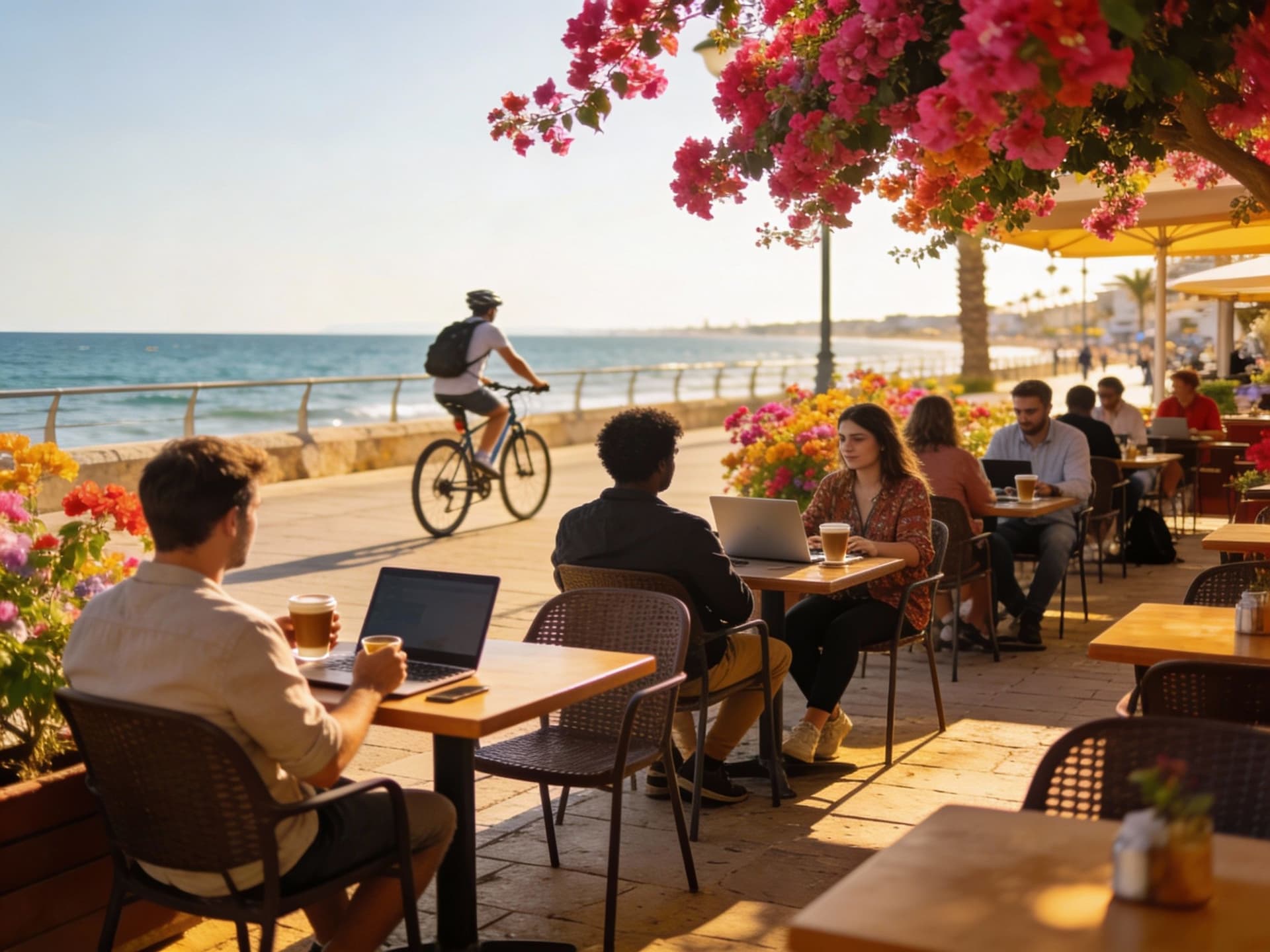
Imagine sipping espresso at Potamia’s tiny square, laptop open, then biking down to Fig Tree Bay for a sunset swim — all before dinner. Cyprus is that rare place where beach mornings and mountain afternoons fit into the same week. But if you’re dreaming of making that scene permanent, the first step is a budget that understands Cyprus’s neighbourhood rhythms, seasonal price swings, and the small costs locals treat as normal.
Living the Cyprus lifestyle
Cypriot days move at Mediterranean pace: long coffee breaks, late dinners, and markets that still smell of citrus and sea salt. In towns like Paphos and Larnaca you’ll find a mix of expats and families; Limassol hums with entrepreneurs and slick new developments; Nafplio-style charms appear in tucked-away stone villages inland. For budgeting, this matters — lifestyles here range from low-key village living to high-end coastal hustle, and each comes with different recurring costs and expectations.
Spotlight: Limassol’s dual personality
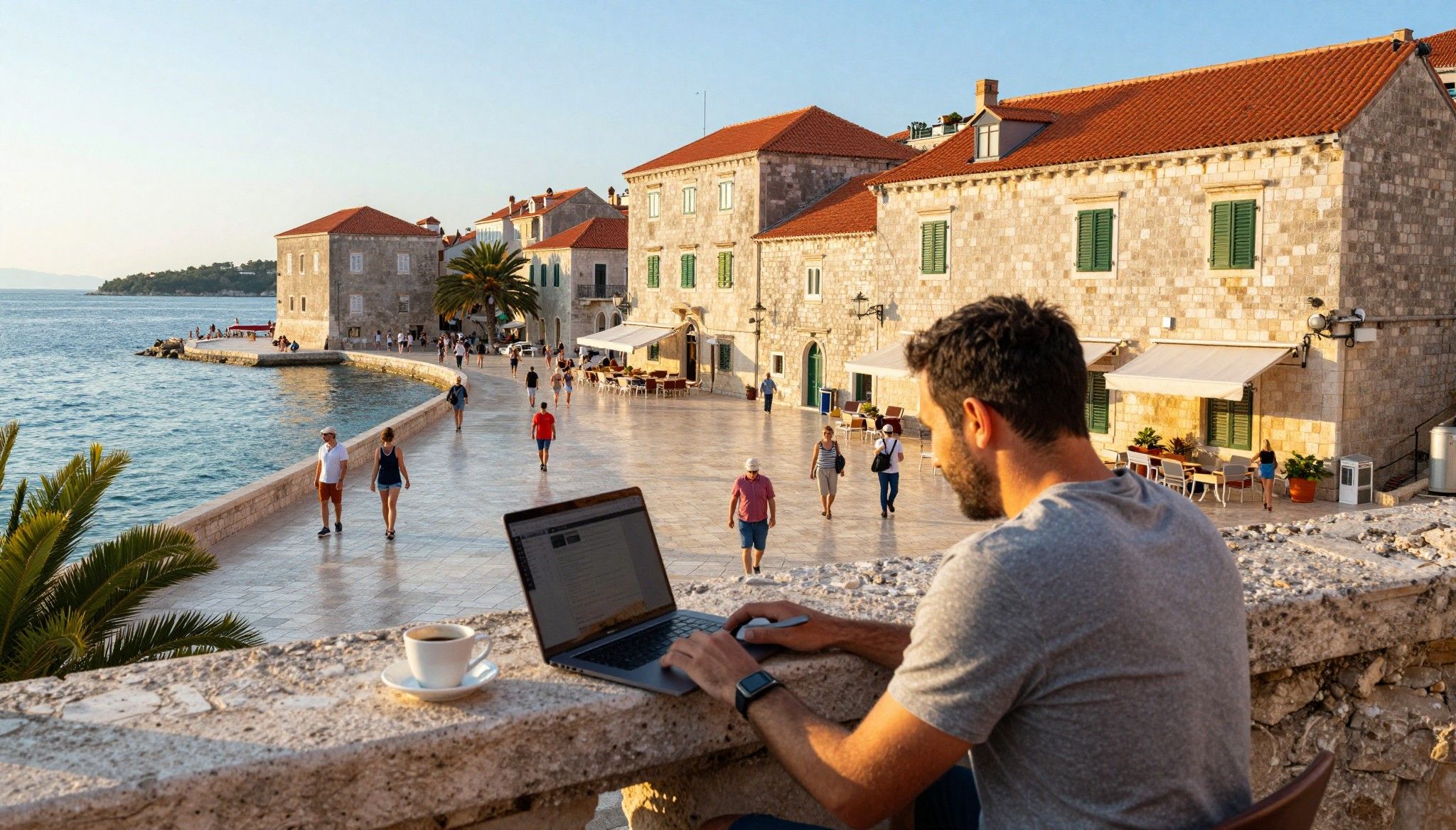
Walk the Molos promenade at golden hour and you’ll see yacht owners, joggers, families and remote workers on terraces. But head inland five minutes and you’ll hit quieter lanes with traditional bakeries. That contrast explains why a one-bed near the promenade commands a premium while a similar apartment in a neighbourhood off Anexartisias Street can be 20–30% cheaper — and why your budget should include a lifestyle premium if you want sea views and social cafés nearby.
Food, markets and weekend rhythms
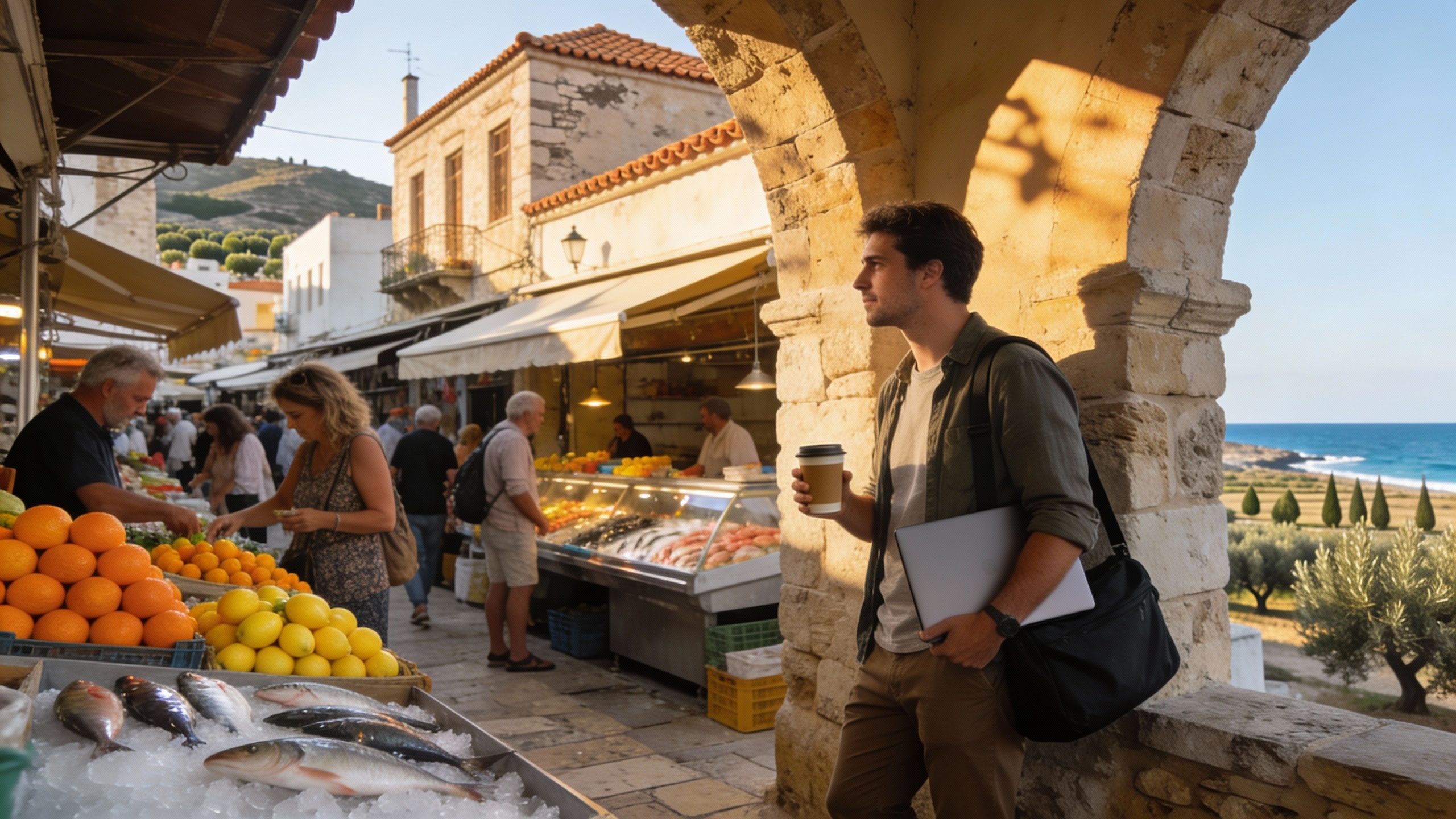
Weekends mean farmers’ markets, tavernas filling with families and festivals that bring whole villages alive. Shopping like a local—seasonal produce from Larnaca’s market or a fish stall at Paphos port—lowers living costs and doubles as social life. Factor these habits into your budget: frequent dining out in tourist hotspots adds up, while cooking from market finds keeps the lifestyle authentic and affordable.
- Lifestyle highlights to budget for:
- Weekly farmers’ market shopping and seaside meals
- Coworking membership or fast-home fibre for remote work (broadband often affordable but check building wiring)
- Seasonal travel: summer peak demands and winter quiet (use off-peak for viewings and bargains)
Making the move: practical considerations
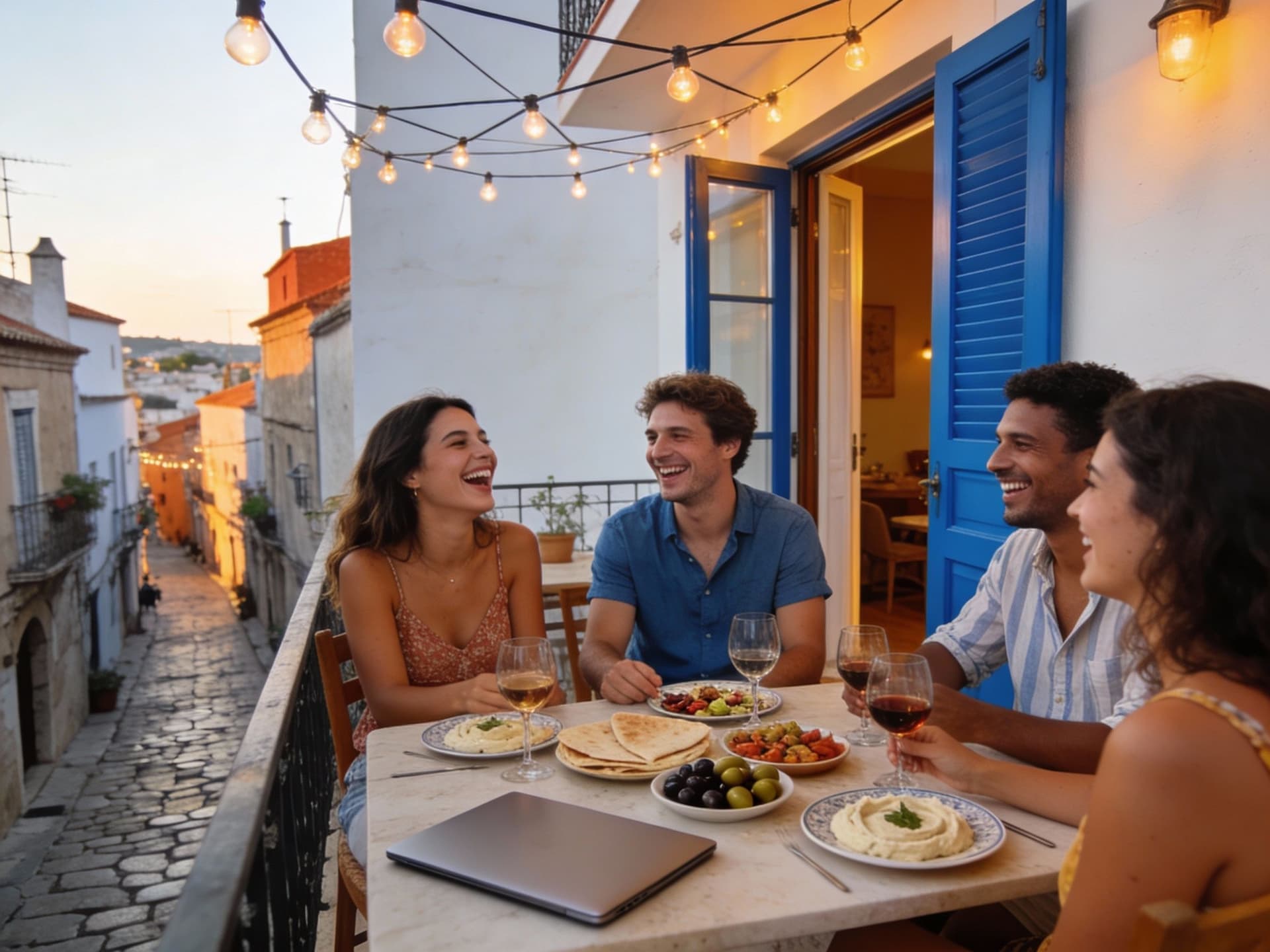
Dreams meet spreadsheets here — and that’s a good thing. Cyprus recorded strong transaction volumes in recent years, meaning inventory exists across price bands. But prices are stabilising, not spiralling. Start with a clear total-cost budget that goes beyond the listing price: permit checks, title search, stamp duty, agent fees, and a small renovation buffer for things locals expect (shutters, AC, drainage improvements).
Property styles and how they shape budgets
New-build coastal apartments often include warranties but come with community service charges; traditional stone houses inland are charming but can need rewiring or insulation. Decide early: do you want turnkey seaside convenience or a village fixer-upper with character? Each route needs different reserves — 5–10% closing costs for straightforward purchases, 15–25%+ if you plan renovations.
How local experts help you keep lifestyle promises
- Steps an agency or lawyer should take for you:
- 1. Verify title and any outstanding charges before you pay a deposit.
- 2. Check building permits and local council regs — some waterfront terraces have restrictions.
- 3. Confirm utility connections and internet options for remote-working reliability.
Insider knowledge: what expats wish they'd known
Real talk: locals prize covered terraces, shutters and a good roof more than contemporary open-plan living — because Mediterranean summers and sudden storms expose weak builds. Expats often overpay for seafront ‘Instagram’ listings without checking drainage, AC capacity, or winter heating. A small professional inspection saves money and heartache.
Cultural integration and practical daily life
English is widely spoken in Cyprus, which flattens the learning curve. Still, investing time in local markets, a few Greek phrases, and village festivals pays social dividends. For budgets, remember local norms: Mediterranean food culture leans on fresh produce, so your weekly groceries and social life often overlap — a pleasant way to reduce dining-out expenses while meeting neighbours.
Long-term thinking: resale, rentals and climate resilience
Plan for yearly maintenance (roof checks, AC servicing, pool upkeep) and expect summer rental demand if you want income. Areas like Paphos and Famagusta showed stronger recent gains, but coastal popularity cycles — diversify your expectations and budget for resilience rather than speculative flips.
- Red flags to budget for and avoid:
- Missing building permits, unclear title history, or incomplete utilities
- Excessive short-term rental traffic in a neighbourhood if you want quiet year-round living
- Under-insulated properties that spike electricity bills in rare cold snaps
Conclusion: fall for the life, budget for the details. Cyprus hands you beach mornings and village afternoons — but the lifestyle sticks only if your budget covers the small, local costs and a few surprises. Start with a total-cost number (purchase price + 10–20% buffer), pick an area that matches how you want to live, and work with a local agency and lawyer who actually know the streets, cafes and maintenance realities. Then book a winter viewing trip — quieter market, clearer negotiation power, and you’ll feel whether the rhythm fits.
Norwegian who has helped 200+ families relocate from Oslo to Spain; expert in relocation services and community integration.