Budget Like a Local: France’s Total Cost Playbook
Love France’s mornings, but budget the whole story: include departmental transfer duties, notaire fees and lifestyle-driven costs to avoid surprises when buying.
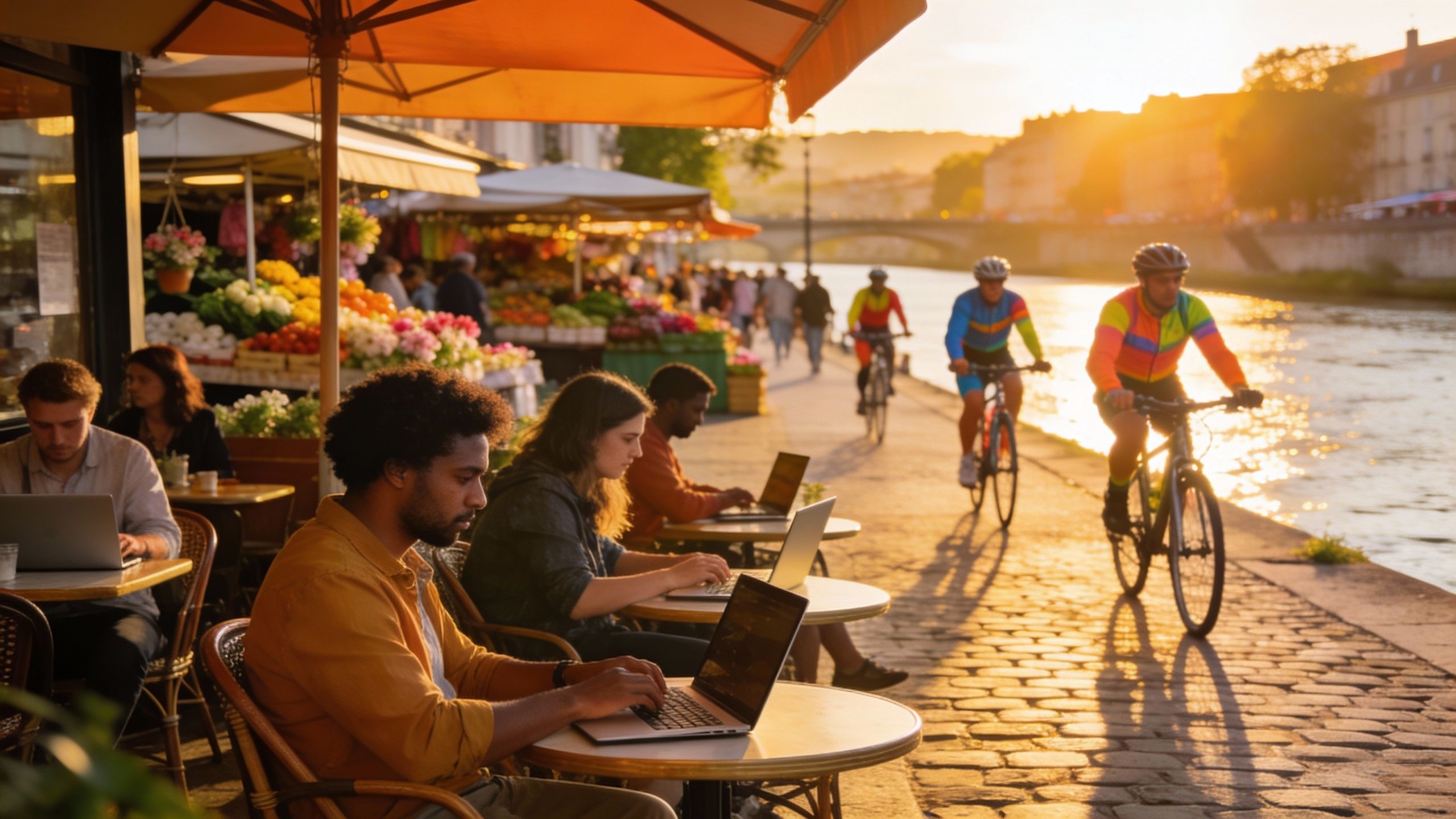
Imagine sipping an espresso on Rue Cler at 9am, then logging into a morning stand-up with a Parisian coworking view. France blends slow, sensory days — fresh bread, open markets and golden-hour riverside walks — with surprisingly modern remote-work rhythms. That duality is why international buyers fall in love here, but budgets that only count the purchase price often snap the spell. Build your dream around real costs: taxes, departmental quirks, and seasonality that change the numbers mid-process.
Living the France life: what actually feels like home
France is mosaic — a sleepy Dordogne lane, a sunlit Biarritz surf break, the narrow stairwells of Le Marais. Recent data shows national prices stabilising after a bumpy stretch, which matters: it means opportunity to buy without the panic of overheated bidding wars. But don’t assume every region behaves like Paris: provincial markets often move differently, and lifestyle choices (beach vs. hilltop village) rewrite budget math.
Paris lanes, provincial charms, and coastal corners
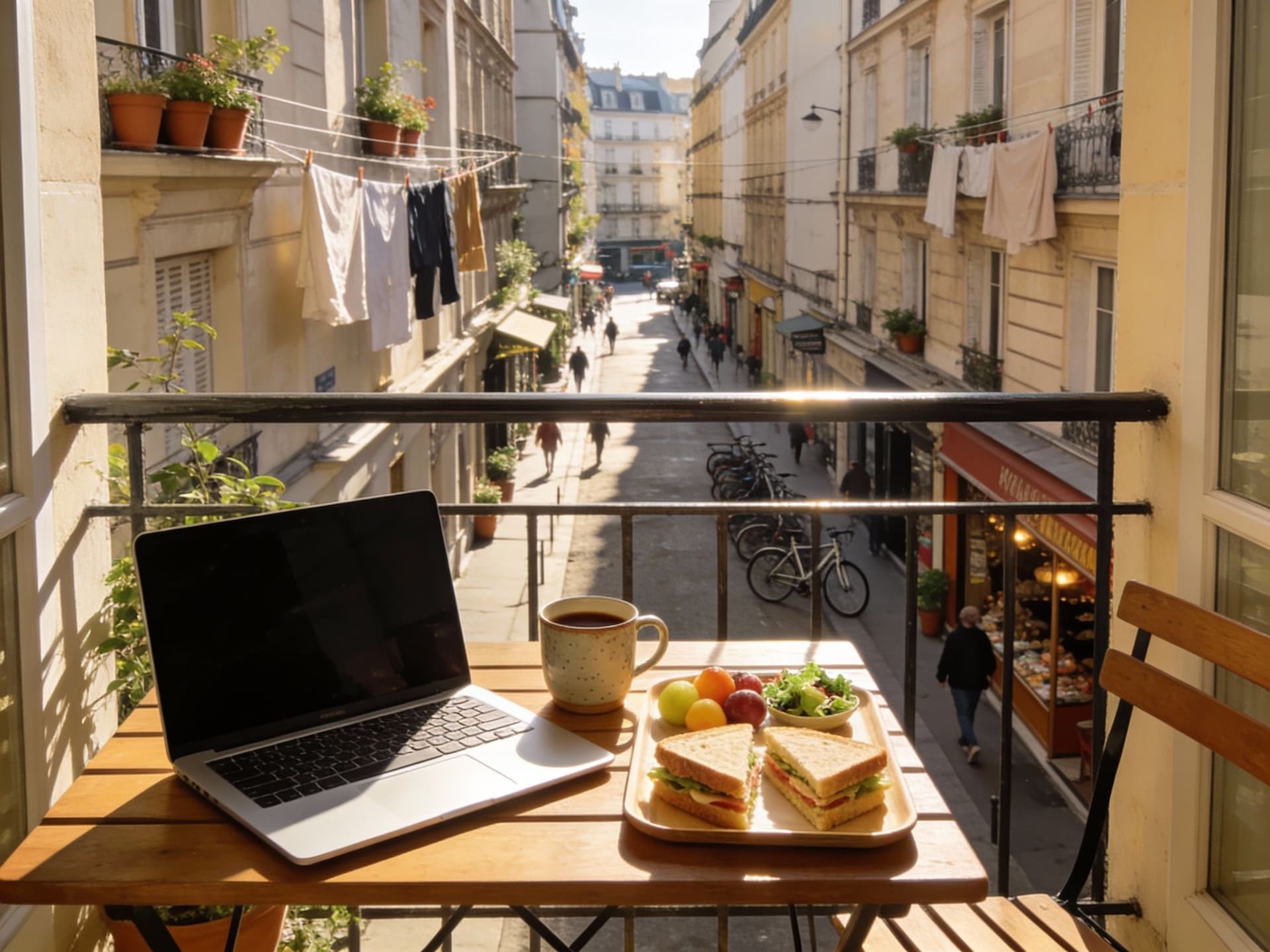
In Paris, expect stone streets, morning boulangeries, and compact apartments built for life on foot. Contrast that with places like Aix-en-Provence, where mornings smell of jasmine and afternoons drift into long terrace meals, or the Atlantic coast where surf towns prize parking and outdoor space. Each lifestyle changes the property type you want — a tiny, bright flat in the 3rd arrondissement feels very different from a renovated farmhouse outside Bordeaux.
Food, markets and the rhythm that shapes where you live
Weekends in France are built around markets: imagine weighing cheeses between stalls in Lyon or buying oysters on the Arcachon quay. That market rhythm affects everything — storage space in kitchens, a desire for a compact car to ferry fresh produce, and proximity to a square where you’ll meet neighbours. When budgeting, add the lifestyle extras: modest renovation to update a kitchen, a small car, or a scooter — all common investments that make daily life in France effortless.
- Lifestyle highlights to budget for (real examples)
- Morning market runs (Rue Cler, Marché Victor Hugo in Toulouse)
- Coworking memberships (Paris: WeWork/Local hubs; Nice: coworking terraces)
- Seasonal home upgrades (insulation for Brittany, shutters for Provence)
Making the move: practical budget steps that match the lifestyle
You can romanticise Provence and still get crushed by overlooked fees. Since April 2025 some departments can raise mutation duties; that directly nudges transaction costs up by a few tenths of a percent. The practical step? Start with a “total purchase budget” rather than a headline price: include transfer taxes, notary costs, and a renovation cushion. That simple reframe keeps the dream intact and the numbers honest.
Property types and what they actually cost to live in
Old stone houses look romantic but often need insulation, new roofs, and updated plumbing — costs that add up fast. New builds carry VAT and lower transfer duties but sometimes mean higher monthly charges for communal maintenance. Match the property type to how you plan to live: want a home office with reliable fibre? Prioritise towns and neighbourhoods with documented broadband investment and coworking hubs — not just prettier facades.
Work with local experts who understand lifestyle budgets
A local notaire, an estate agent steeped in the neighbourhood, and a mortgage broker who arranges euro-based lending are the trio that keeps surprises small. Agencies do more than show homes; they translate local customs (how offers are made in Bordeaux vs. Nantes), estimate real ongoing costs, and flag departmental tax quirks. Ask them for a line-by-line “all-in” budget tied to the exact address — it’s the single most effective way to avoid buyer’s remorse.
- Six budget-first steps to take now
- Set your absolute ceiling: include purchase price, 7–9% acquisition for resale properties, moving and a 10% renovation buffer.
- Get a preliminary estimate from a notaire for transfer duties at the property’s department rate (some may be up to 5% through 2028).
- Check mortgage options early — French banks, international lenders and porting rules change timelines.
- Budget for seasonal costs: heating in mountain towns, coastal insurance near the sea, and annual taxe foncière variations.
Insider knowledge: what expats wish they'd known before signing
Expats often learn the hard way that neighbourhoods change with seasons — tourist towns swell in summer and quiet in winter, affecting rental income and resale tastes. Another common surprise: departmental tax shifts and notaire fee changes can alter affordability mid-process. Staying flexible on timing and choosing an agent who tracks regional policy saves money and sleep.
Culture, language and the small things that affect budgets
Not speaking fluent French can add hidden costs: translated contracts, extra notaire explanations, or reliance on bilingual intermediaries. Also, renovation permits (permis de construire) and local architect requirements vary by commune and can mean extra months and budget—especially in historic zones. Factor time and a translator/advisor into your plan, and budget a small contingency for any admin translation or verification fees.
Long-term lifestyle choices and their financial echoes
Buying for rental yield versus buying to live changes renovation choices, insurance, and tax treatments. If you plan to rent, vet local tourist-season volatility and expected net yield after higher local taxes. If you’re buying to stay, prioritise insulation, quiet streets and reliable broadband — the conveniences that make everyday life richer and appreciation steadier.
Start here: fall in love with the morning, then budget like a pro. Visit in a low season to feel the rhythm, ask an agency for a full all-in cost sheet (including department-specific transfer duties), and get a notaire’s preliminary estimate before making an offer. With the lifestyle nailed down and the total budget honest, your French dream becomes not just possible but properly planned.
Danish investor and relocation advisor focusing on Portugal and the Algarve; loves coworking culture and expat networks.