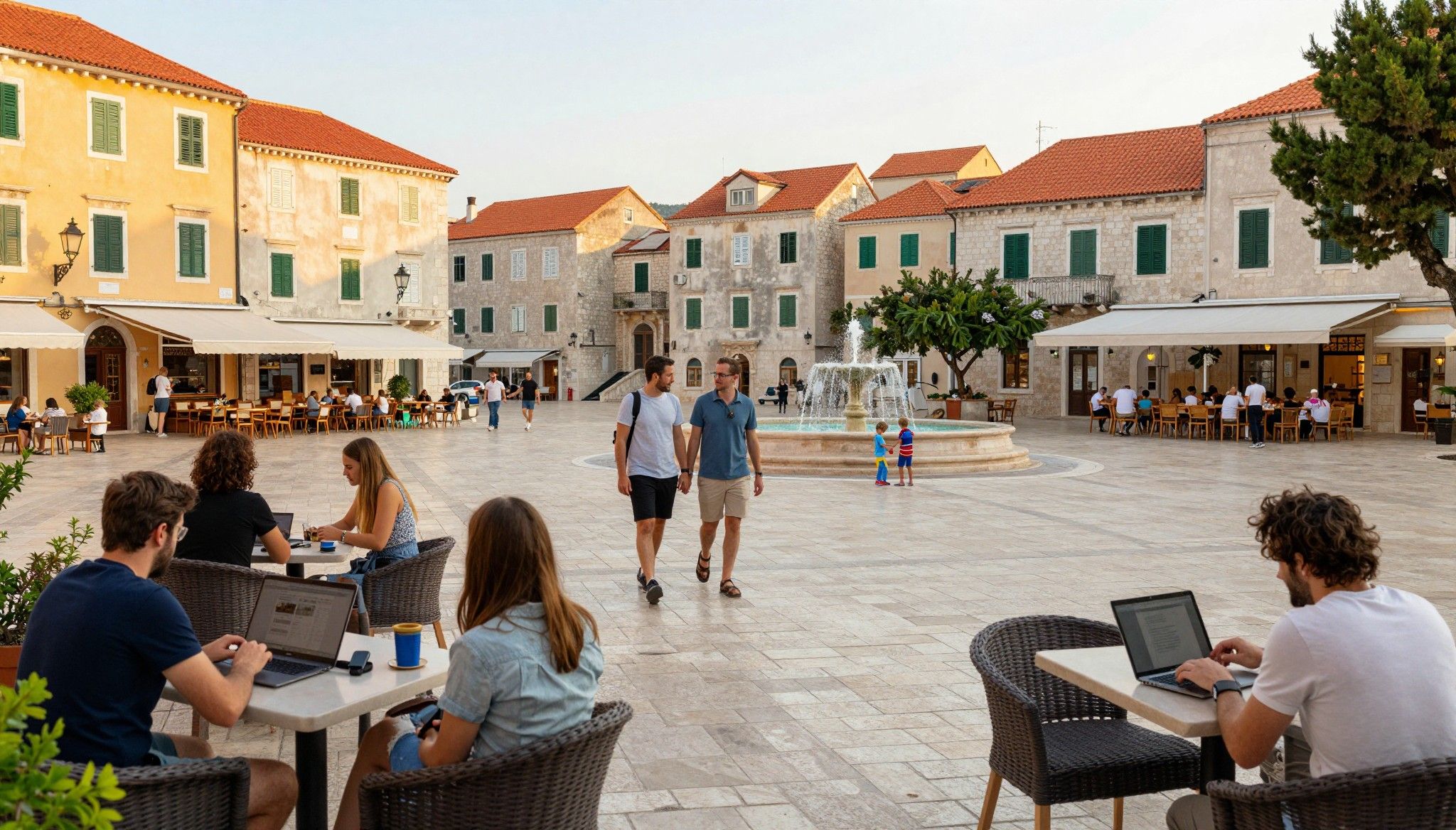
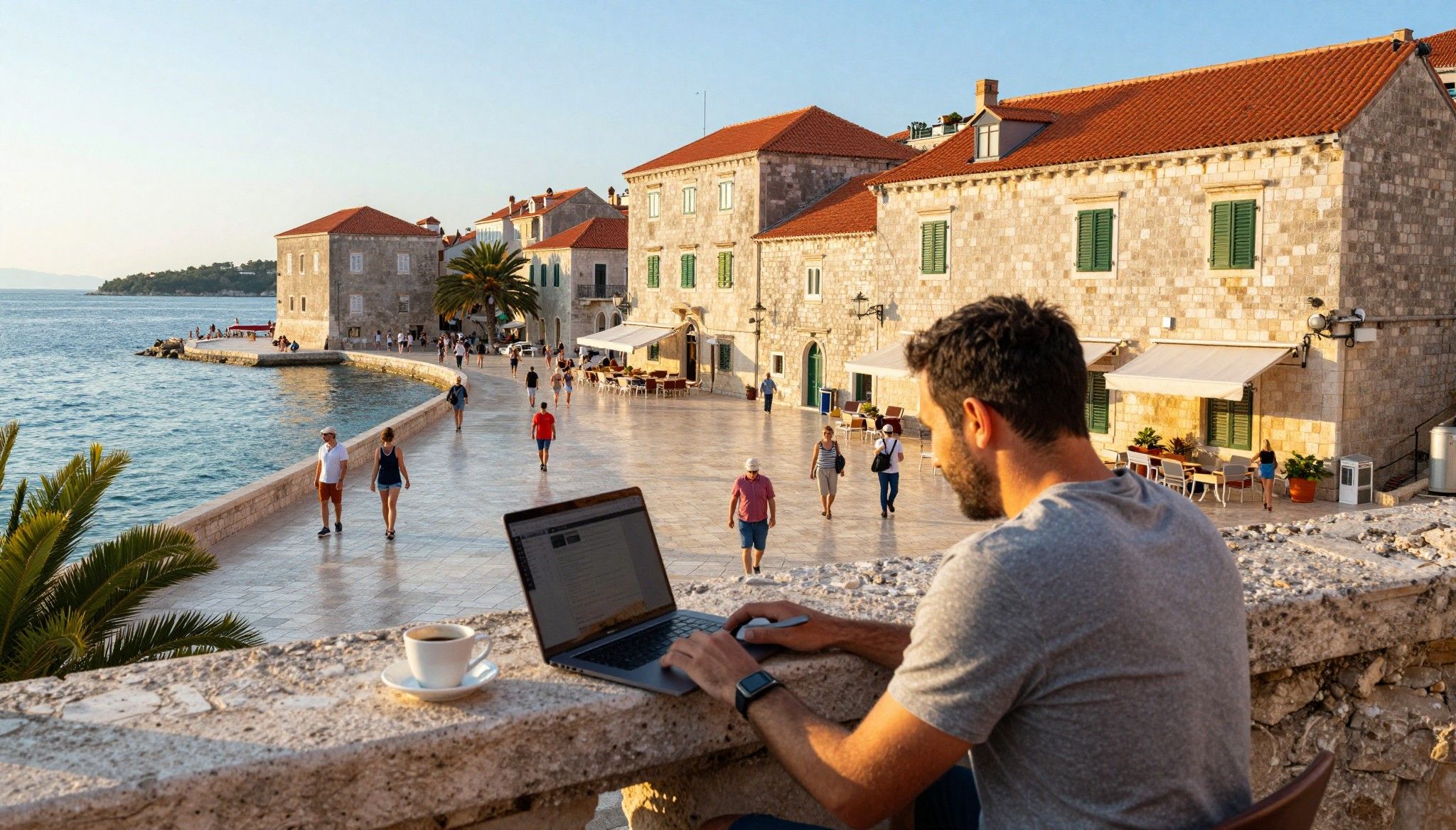
Budgeting Cyprus: Lifestyle Costs, Neighborhood Tradeoffs
Fall for Cyprus’s sunlit streets — and budget like a local. Practical steps, district tradeoffs and expert-sourced data to set a realistic buying budget.
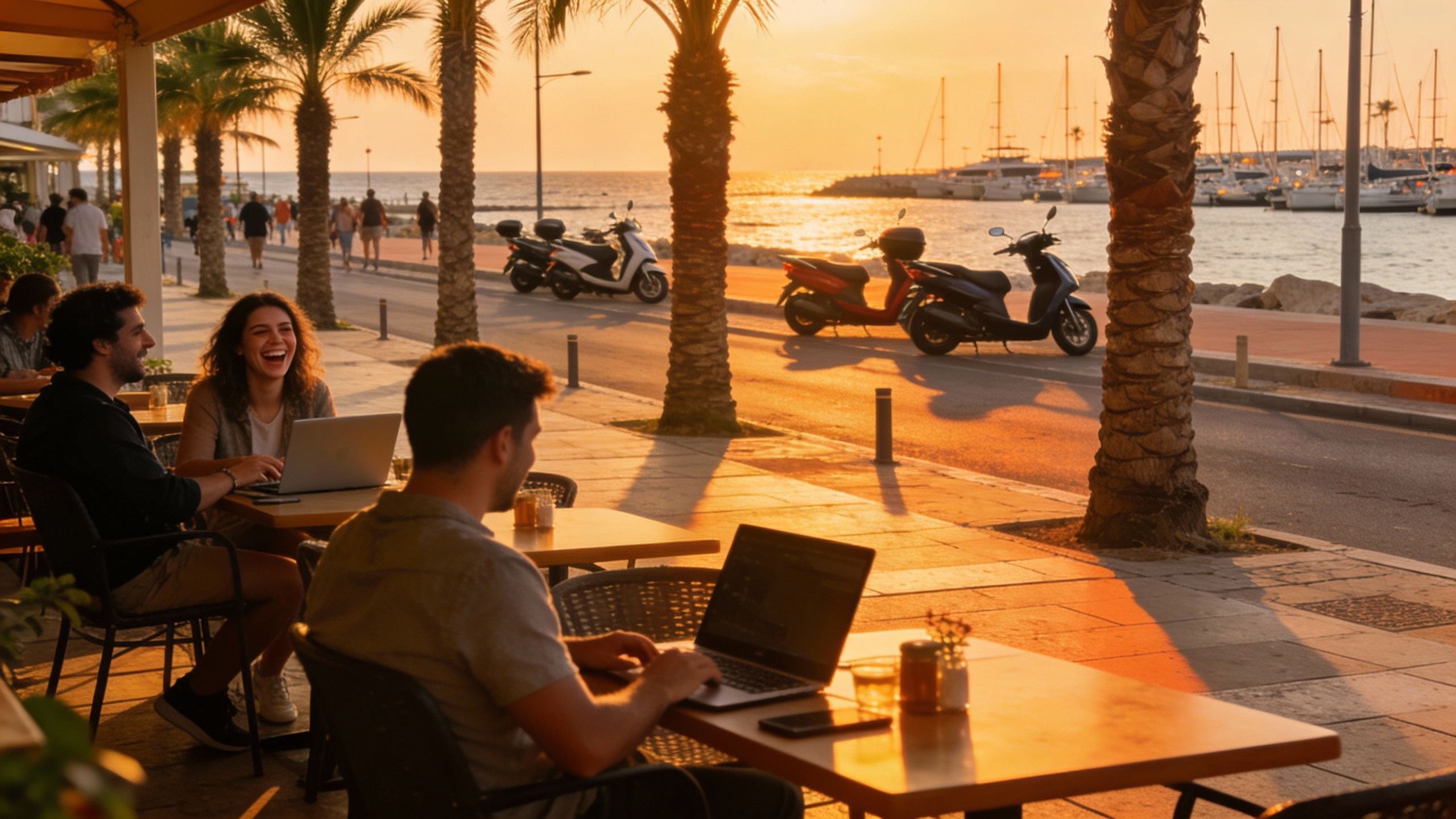
Imagine walking a narrow seaside street in Limassol at golden hour, espresso steam mingling with salt air, while a neighbour chats about renovations and rent yields. Cyprus feels like that — bright, social, a little slow and utterly liveable. For nomads who crave beach days, fast cafés with decent Wi‑Fi, and a local community that actually says "kalimera," this island is seductive. But falling in love with the lifestyle without budgeting right is how dreams become expensive lessons.
Living Cyprus: daily rhythms, neighbourhood colours
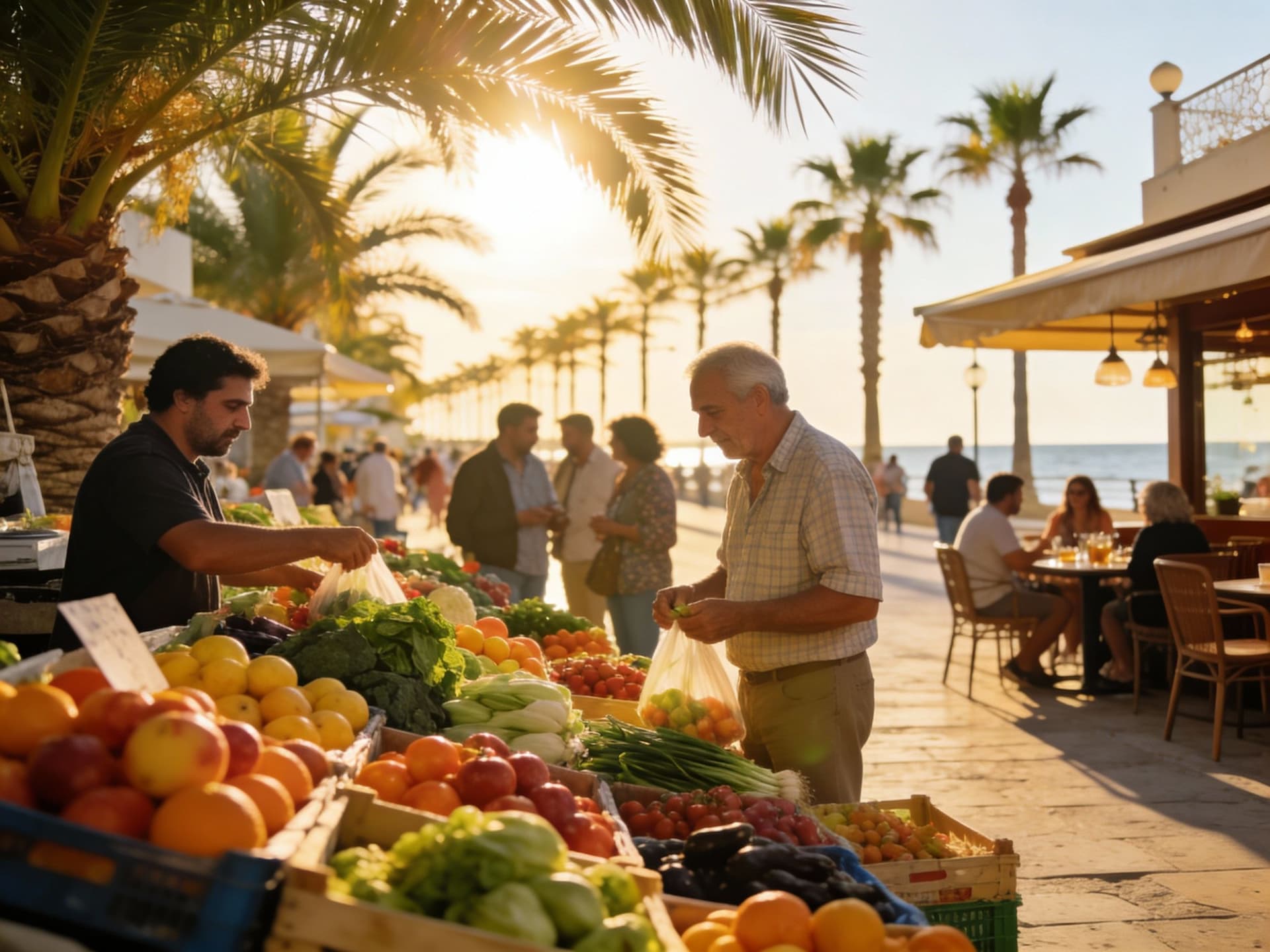
Cyprus is sunlit mornings and late dinners, where Saturdays mean market runs and Sunday is for family. The island’s life is shaped by the coast — Limassol’s slick marinas, Paphos’ old harbour charm, Larnaca’s palm-lined Corniche and Nicosia’s café-dotted warren. Seasonality is gentle: summers are busy and bright; winters are mild and social life moves indoors to tavernas and cultural events. That rhythm changes how you budget — utility peaks, short-term rental demand and renovation timelines all follow the seasons.
Limassol & the coast: energy, cafés, and price tags
Limassol is where trend-conscious nomads and expat families cluster. Think Michelin-adjacent dining, coworking near the promenade, and apartments with balconies you’ll use year-round. It’s also the island’s priciest market for a reason — proximity to finance, marinas and international schools pushes prices up. PwC reported Limassol accounted for a large share of transaction value in 2024, so expect higher entry costs but strong long-term liquidity if you plan to resell.
Paphos & Larnaca: value, village life and weekend escapes
If you want cheaper square metres and a slower pace, Paphos and Larnaca reward patience. Paphos mixes archaeological streets with new seafront developments, while Larnaca balances old-town charm and improving infrastructure. Cyprus Mail and market data show foreign buyer interest has been shifting toward these districts as buyers chase value. For budgeting, that often means you get more outdoor space and lower maintenance expectations for the same money compared with Limassol.
- Lifestyle highlights: local places that shape budgets and days — Limassol marina strolls, Paphos old harbour sunsets, Larnaca Finikoudes promenades, Nicosia’s Ledra Street cafes, Kato Paphos market mornings, Anarita hill village walks.
Making the move: practical budgeting that protects the lifestyle

You can romanticise evenings in a Paphos taverna — and still need a spreadsheet. Start by separating "home costs" (mortgage, transfer fees, stamp duty) from "life costs" (utilities, maintenance, insurance, internet). Market commentary suggests prices rose modestly in 2024–25, so assume gentle appreciation but budget for renovation and service charges if you buy in a complex. A realistic budget keeps the dream intact and prevents lifestyle compromise after moving.
Property types: what to expect from price and running costs
Apartments: lower heating bills, higher communal service charges. Great for social nomads who want walkable cafés and coworking nearby. Houses/villas: more outdoor space, higher maintenance and potential for rental income — but factor in pool upkeep and landscaping. Traditional village houses: cheaper to buy, often need renovation; budget extra for structural work and planning approvals. Match the property type to your routine: do you want a terrace office or a quiet courtyard for weekend barbecues?
Work with local experts who guard your budget
An experienced local agent and a bilingual lawyer will save you money. Agents spot overpriced listings; lawyers check titles and any outstanding debts. Ask agencies for sample budgets (transfer fees, VAT status, stamp duty, agent fees) and for references from recent international clients. The Central Bank’s housing trends help set price expectations, but locals decode nuance — like which apartment blocks have surprise sinking funds or which streets flood in heavy rain.
- Practical steps to set your Cyprus budget and stick to it: 1) Start with a total-price cap including 8–12% extra for taxes, fees and closing. 2) Add an annual running-cost line: utilities, internet, insurance, HOA. 3) Add a renovation contingency (10–25% depending on age). 4) Get pre-approval or cash-proof before bidding. 5) Compare three neighbourhoods for the same price to spot value.
Insider knowledge: things expats wish they'd known
Real talk: property on paper can look perfect, but the lived reality depends on neighbours, bureaucracy speed and internet reliability. Many expats tell us they underestimated communal costs and the time to process permits. Data shows foreign buyer demand softened slightly in 2024, which can be leverage for patient buyers — but prime coastal stock still commands premiums. Use that leverage to negotiate repairs, closing timelines or inclusion of appliances.
Language, social life and integrating without Greek fluency
You don’t need fluent Greek to live well here; many Cypriots speak English, especially in cities and tourist hubs. Still, learning basics opens doors — a few phrases smooth paperwork and greetings. Join meetup groups, weekend language cafés and local cooking classes to meet neighbours. Integration affects budget too: local friends will steer you to reliable tradespeople and cheaper markets, cutting renovation and living costs.
Long-term lifestyle: resale, rental incomes and future-proofing
If you plan to rent out your place when you're away, pick locations with year-round demand (Limassol for professionals, Paphos for tourism overlap, Larnaca for affordability). Recent reports indicate steady transaction values and regional shifts — factor that into expected rental yields and resale timing. Invest in fast fibre internet, a work-ready desk nook and simple maintenance plans; these small additions increase appeal to remote renters and buyers.
- Budgeting red flags to watch for before you sign: unclear title history, unusually low communal fees, sellers rushing you to pay, lack of recent energy or structural certificates, and properties listed well above municipal price comparables.
Picture yourself six months after moving: weekday coffee shops with friendly baristas, a rooftop you actually use for calls, a local Sunday market where you buy figs. That life is affordable if you plan—build buffers, work with local experts, and choose neighbourhood tradeoffs consciously. When the romance and the spreadsheet agree, you’ll arrive ready to live, work and belong.
Next steps: ask a Cyprus-experienced agent for a sample total-cost spreadsheet, get a local lawyer to outline transfer steps, and schedule a neighbourhood scouting trip during your preferred season. Small research trips pay off: time in person clarifies noise, light, and real commute times better than any listing.
British expat who moved from Manchester to Mallorca in 2017. Specializes in market analysis and helping fellow Brit navigate local regulations.