Budgeting for Croatia: Season, Tax Shifts & Connectivity
Fall in love with Croatia’s coast and cities — then budget smart: factor in new property taxes, seasonal income swings and connectivity checks for a sustainable remote‑work life.
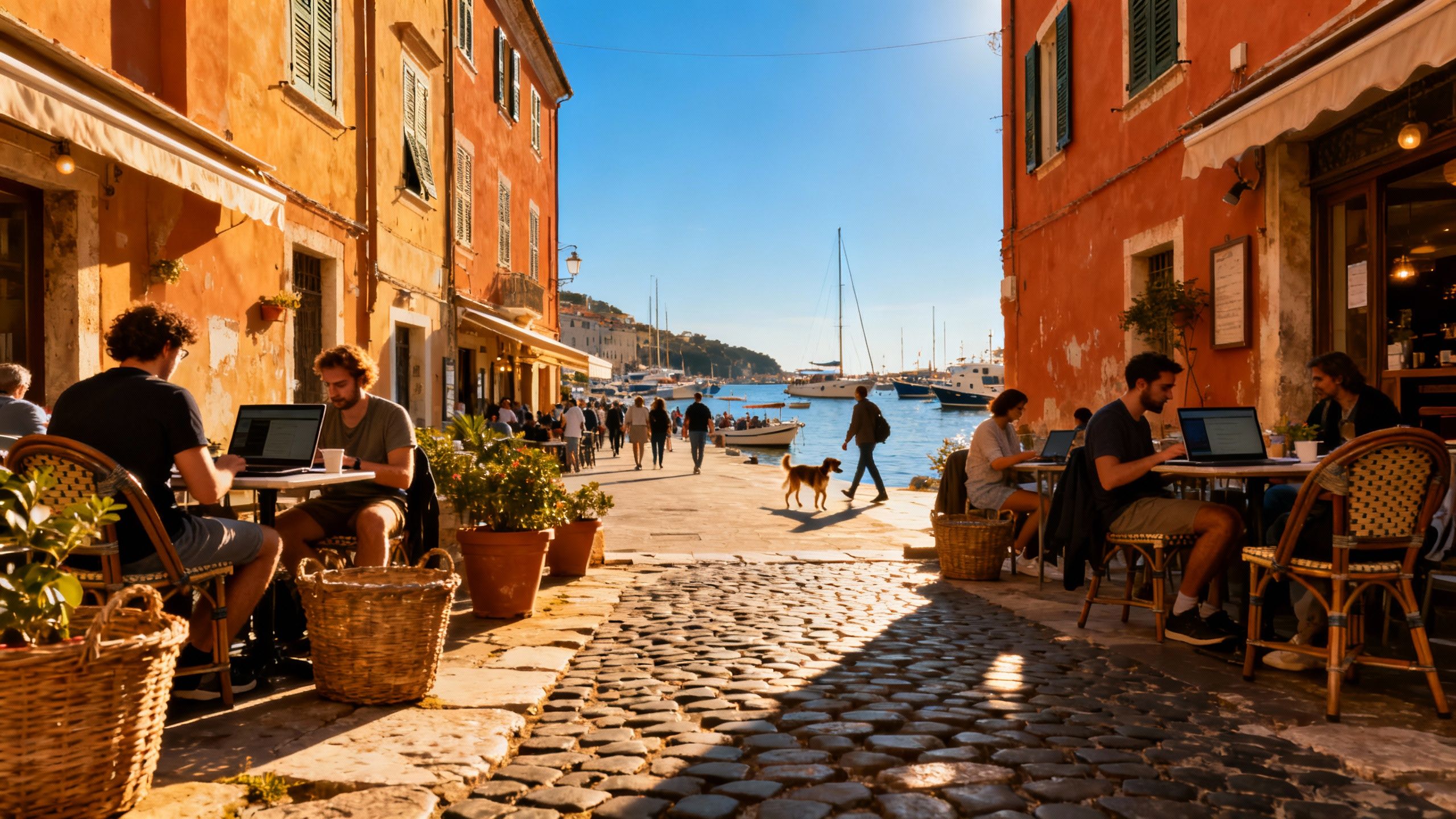
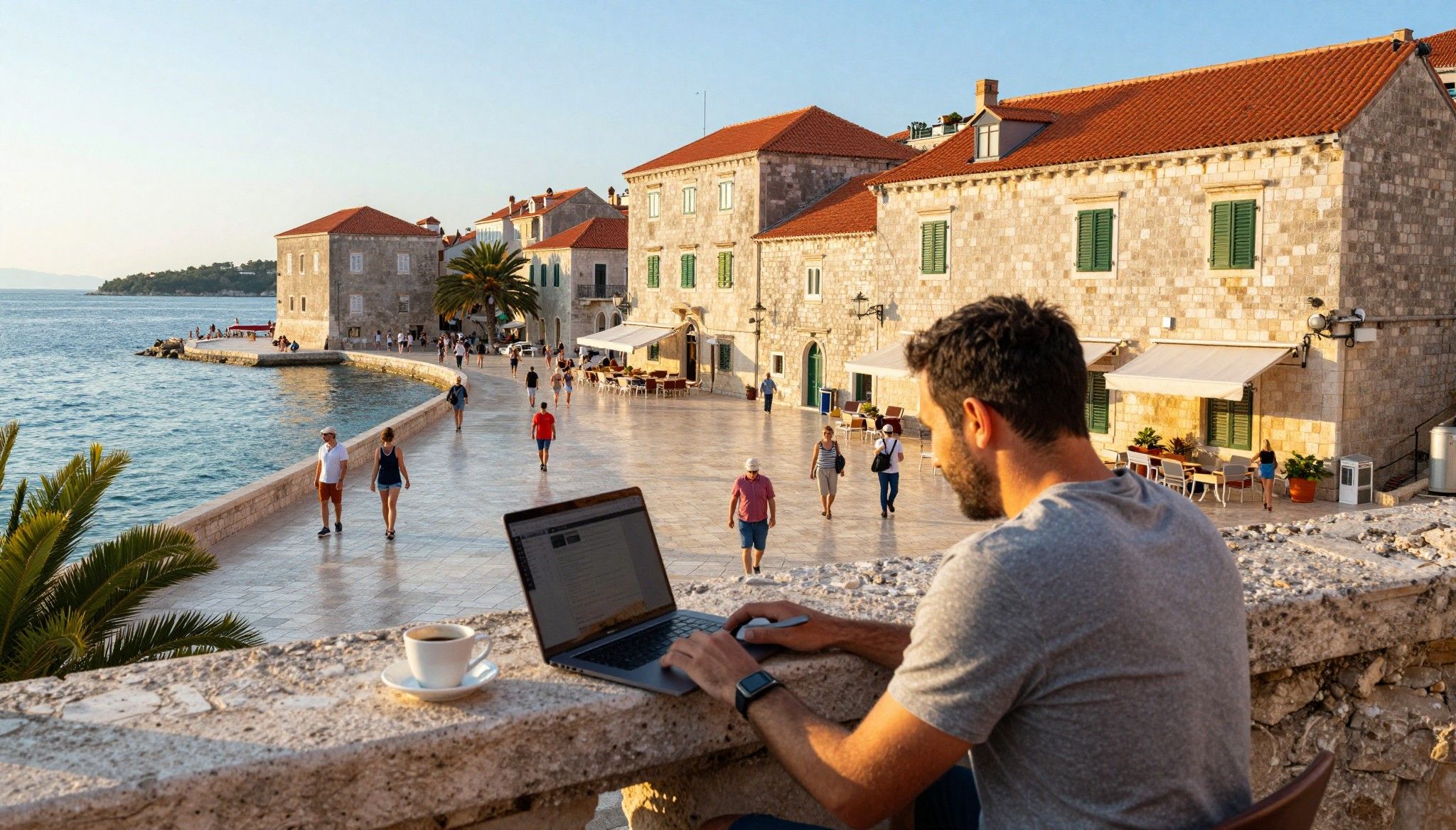
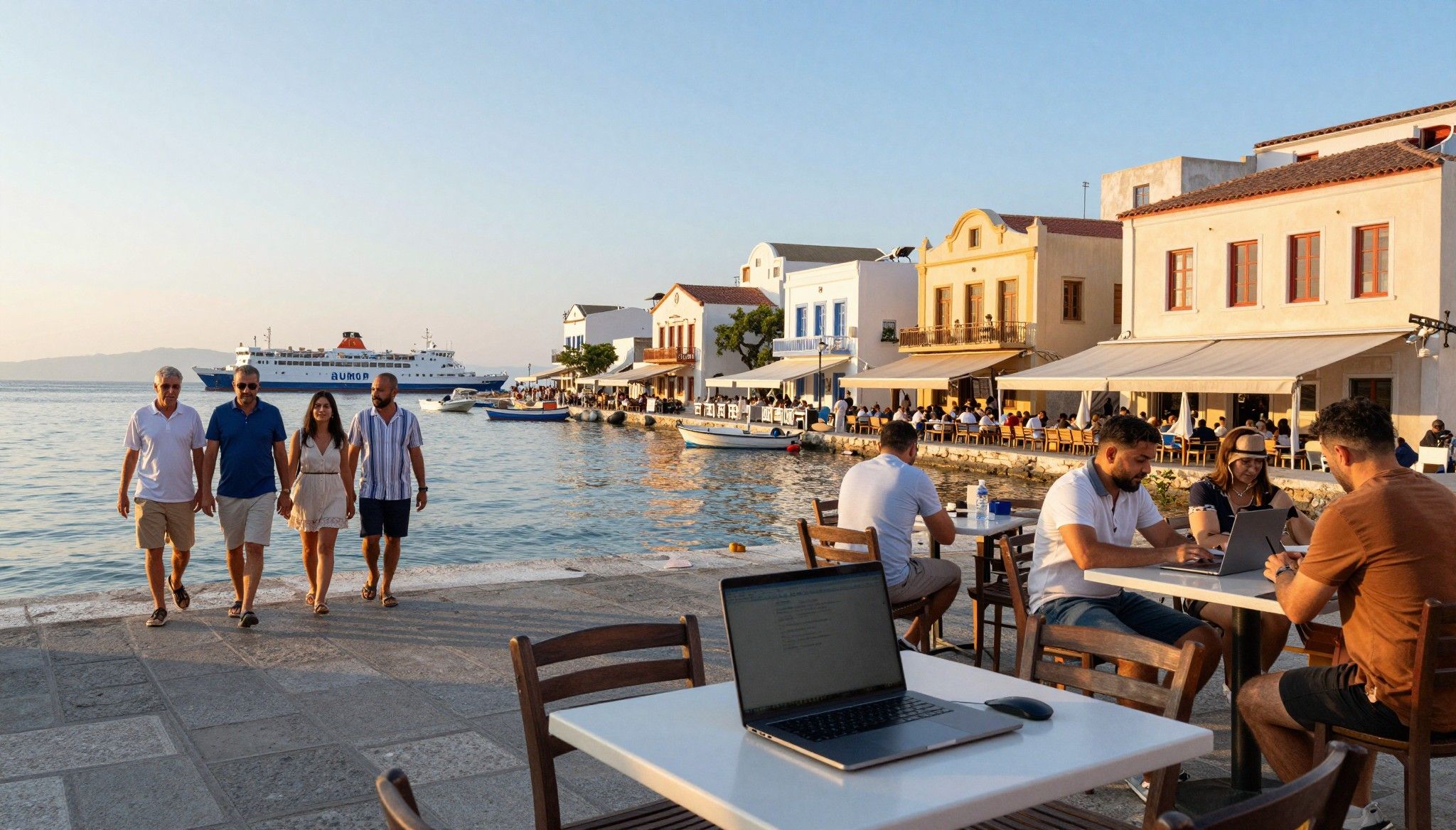
Imagine sipping a cortado at Luka Coffee on Split’s Riva while your laptop hums and ferries drift by — that’s a Tuesday afternoon in Croatia. The coffee is strong, the sea smells like pine and salt, and local life moves at a sunny, social pace. But that dreamy scene has a price picture behind it: buying in Croatia blends Mediterranean lifestyle with EU rules, seasonal markets and new local taxes — and getting your initial budget right changes the whole experience.
Living the Croatia lifestyle
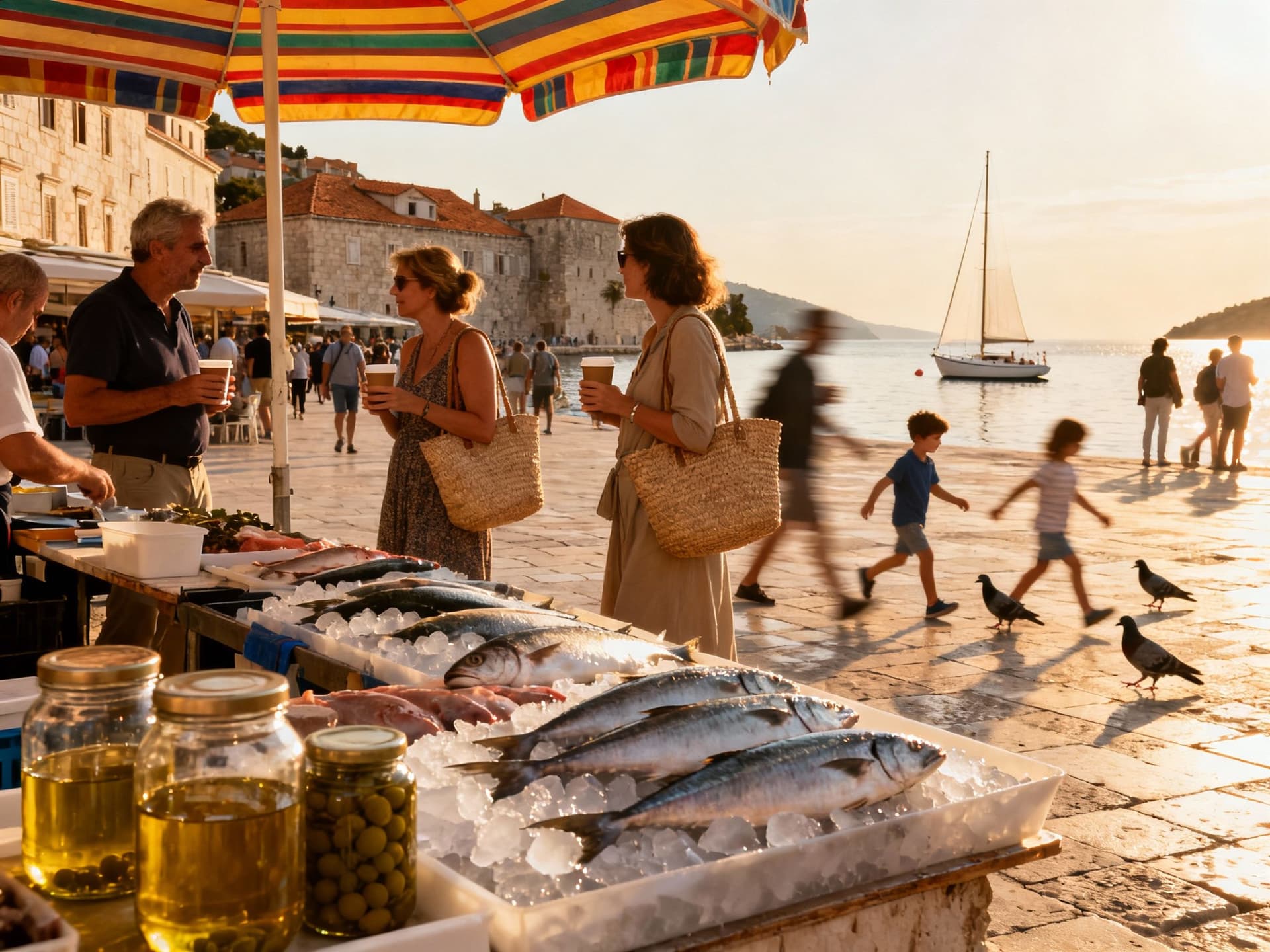
Croatia is a patchwork of coast and continental towns. Mornings in Dubrovnik’s Old Town mean narrow stone streets, bakeries perfuming the air and tourists trickling in; afternoons in Zagreb mean green parks, independent cafes on Tkalčićeva and a buzzing co‑working scene. Islands like Hvar and Brač flip between sleepy fishing-life and electric summer nights. Seasonality isn’t an abstract concept here — it reshapes neighbourhood life, rental demand and what your day-to-day will feel like.
Coast vs. city: pocketed neighbourhood personalities
Pick Split’s Veli Varoš and you’re a ten‑minute walk from Marjan Park and local konobas (family-run taverns). Choose Zagreb’s Šalata and you get leafy streets, weekend markets and easy access to coworking hubs. On the islands, look for local harbourside lanes rather than the touristy promenades — that’s where neighbors still barter fish and you’ll find more stable long-term rental markets.
Food, markets and the ritual of slow evenings
Weekend markets matter. In Rijeka you’ll buy Štrukli (cheesy pastry) for breakfast; in Istria, truffle season rewires restaurant menus and draws foodies from Italy. Evenings are for long meals — aperitifs, small plates, and conversation — and that social tempo affects when and where you want a home office (quiet alley vs. lively piazza).
- Lifestyle highlights: Veli Varoš (Split), Tkalčićeva (Zagreb), Old Town (Dubrovnik), Hvar Town harbour, Pula’s Roman sites, Istrian truffle routes
Making the move: practical considerations
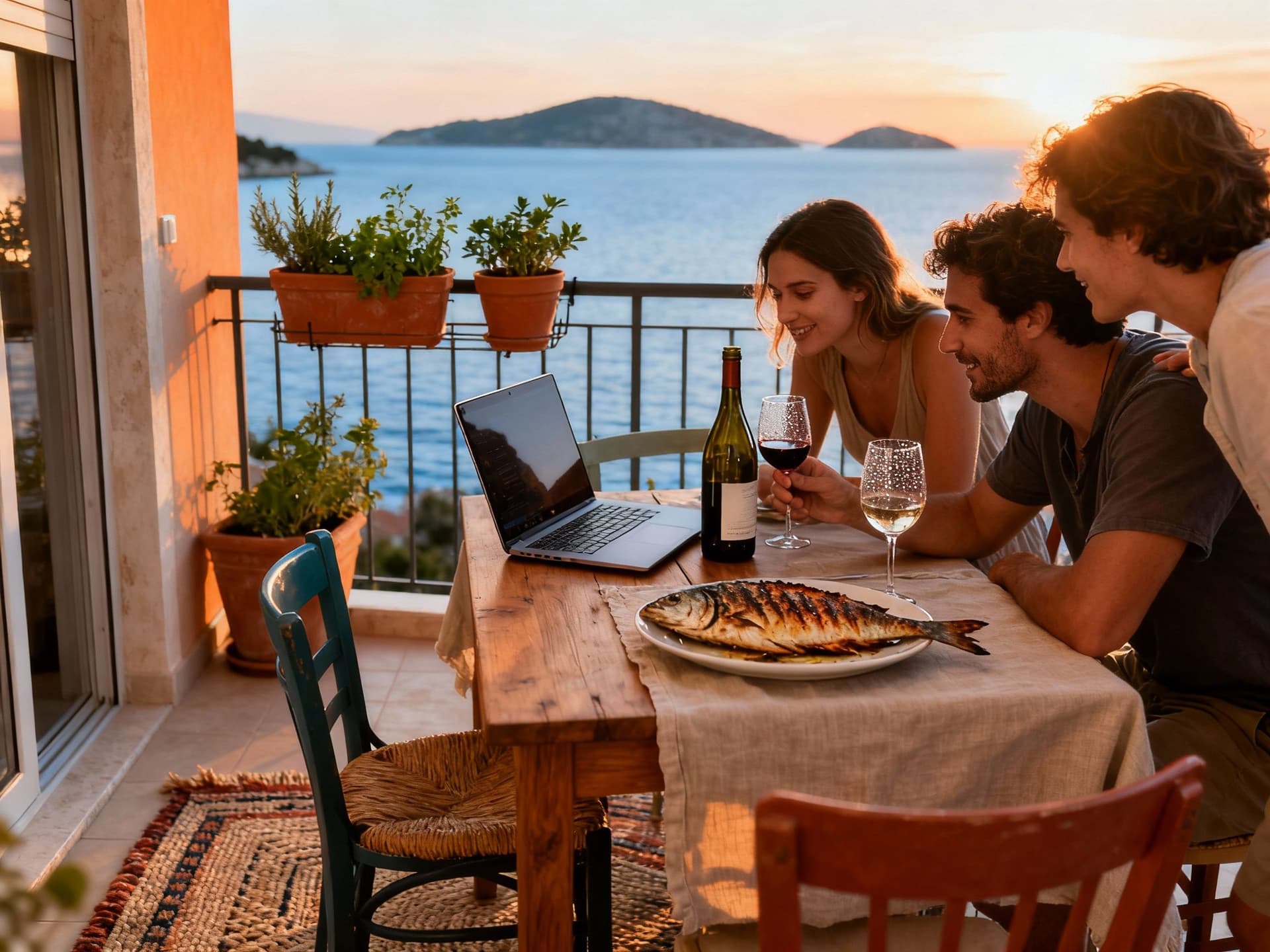
Your startup‑friendly life needs more than views: reliable broadband, predictable running costs, and awareness of changing policy. Recent reporting shows Croatia moved to shift taxes toward property to ease housing pressure — that matters to budgets and to whether a coastal buy is income‑producing or just a holiday home. Meanwhile, Croatia’s connectivity is strong by regional standards, easing remote work plans (median fixed speeds are in the tens of Mbps and rising).
Property styles and how you’ll live in them
Stone Adriatic houses give you terraces and thick walls that stay cool in summer — but they often need renovation and modern wiring for a true remote‑work setup. Newer inland apartments are cheaper, with reliable heating, plug-and-play internet, and easier long‑term rentals. Whatever you choose, budget for modernization: secondary glazing, an efficient heater or AC unit, and a wired fibre connection if you plan to work full‑time from home.
Working with local experts who know the lifestyle
A local agency will introduce you to specific neighbourhood rhythms — which streets are quiet in summer, which properties rent year‑round, and which owners accept long lets. Choose agents who show you utility bills, provide recent service records, and can connect you to local notaries and tax advisors who understand the new property tax landscape.
- Budget checklist (lifestyle + practical): 1) Purchase price + agent fee; 2) Notary/registration + local property tax changes; 3) Renovation and connectivity upgrade; 4) Seasonal running costs and short-term rental variability; 5) Emergency fund for slow tourist months
Insider knowledge: what expats wish they’d known
Real talk: the coast and cities have very different rhythms. A seaside village is magical but quieter eight months of the year; Zagreb and Rijeka offer steadier year‑round life and services. Internet and digital infrastructure are improving fast, but rural islands can lag — check fibre availability and mobile coverage before you commit. Expats who tested speeds and asked neighbours about winter life were far happier six months in.
Cultural integration and everyday rhythms
Croatians respect local rhythms: long lunches, late dinners and a slower Saturday. Learning a few phrases and showing up to market day or a neighbourhood konoba earns goodwill. Expat meetups and coworking spaces make integration fast in Zagreb and Split, but on islands, it’s the small gestures — recycling correctly, greeting the baker — that open doors.
Long-term lifestyle and financial sustainability
Think long-term: upcoming property‑focused taxes and seasonal rental dynamics can change net yields and running costs. If you rely on rental income, favour properties inside towns with year‑round tenants or choose renovations that make an apartment attractive off‑season. And confirm actual broadband and mobile speeds — published medians look good, but your street might differ.
- Red flags to avoid: undisclosed renovation needs; no proof of fibre or stable mobile signal; unclear ownership history; sellers who refuse a recent utility bill; agents who can’t produce a local tax advisor reference
Next steps: Do a neighbourhood recon trip in shoulder season, ask agencies for recent utility statements and tax advice, verify internet at the property at different times of day, and budget an extra 10–20% for renovations and seasonal shortfalls. With the right prep, buying in Croatia gives you both a stunning daily backdrop and a sustainable remote‑work life.
Danish investor and relocation advisor focusing on Portugal and the Algarve; loves coworking culture and expat networks.