Budgeting Greece: The Seasonal Cost Trap That Trips Nomads
Plan beyond the price: in Greece VAT vs transfer tax, notary, and seasonal property management can add 8–12% (or much more for new builds). Budget for the life you want.

Imagine waking to a small cafe in Koukaki, espresso steaming, the Acropolis catching morning light, then opening your laptop and signing off after a productive morning at a nearby coworking space. Greece sells that picture easily — sun-drenched streets, markets, seaside weekends — but the real decision isn’t just about which island you’ll spend summers on. It’s about budgeting for the seasons you don’t see in Instagram reels: taxes, notary fees, VAT quirks, and the timing traps that can add tens of thousands to your purchase. Here’s a candid, lifestyle-first look at how to plan your budget and avoid the seasonal cost traps that trip many international buyers in Greece.
Living the Greece lifestyle (and what it costs)

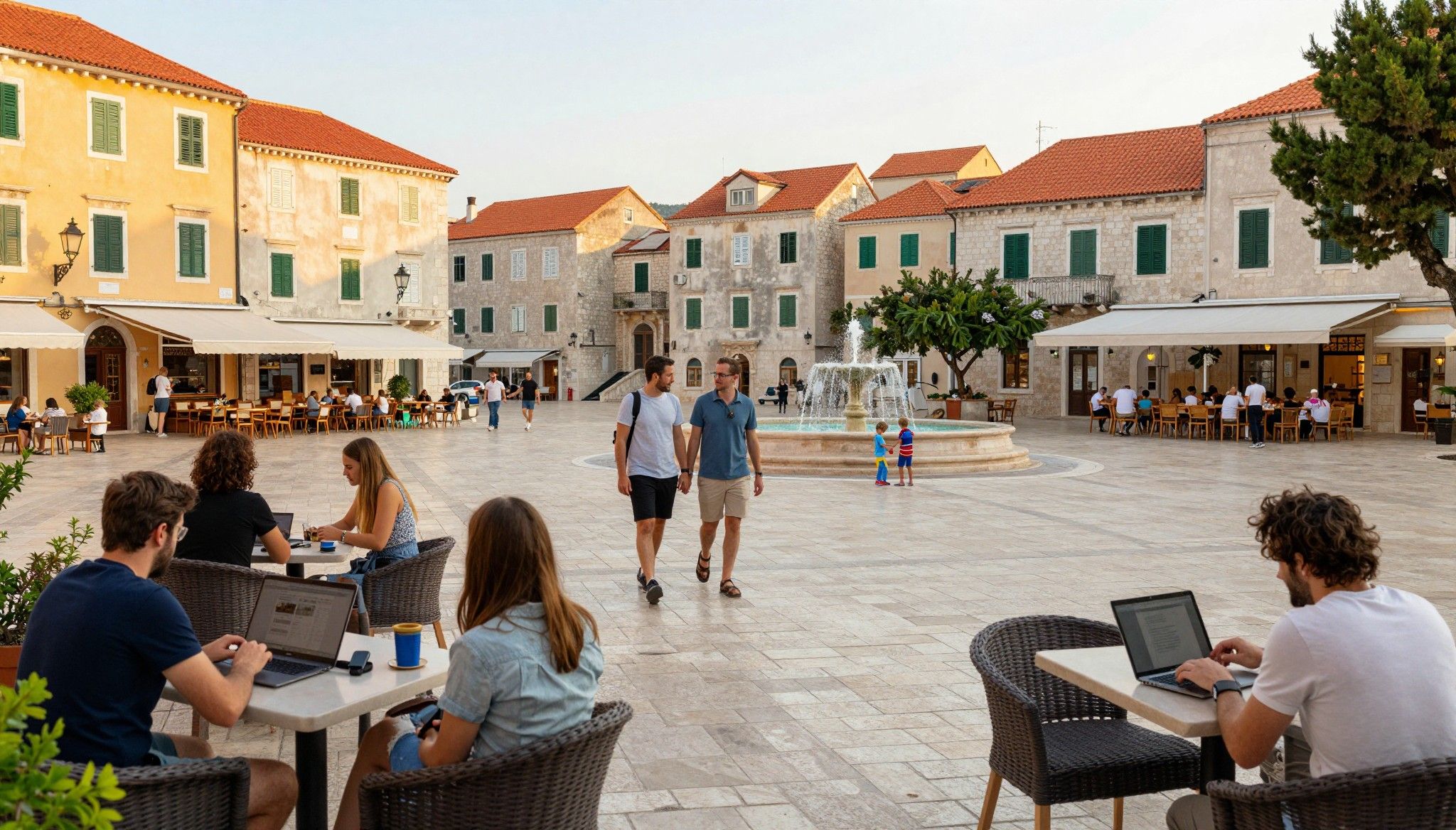
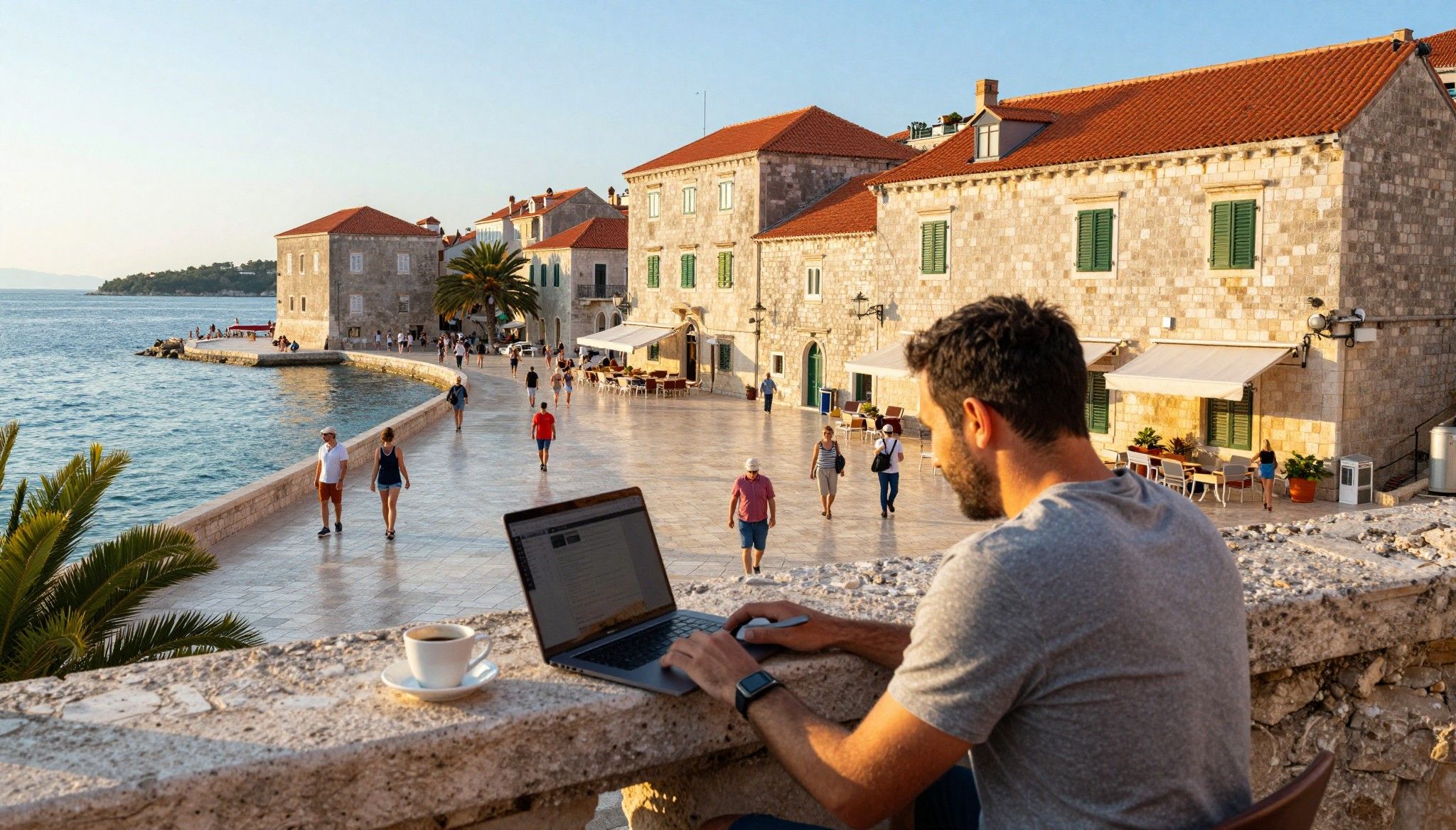
Greece moves at two speeds: lively, late-night coastal summers and calm, community-driven winters. Weekday life in Athens neighborhoods like Exarchia or Pangrati blends neighborhood bakeries, street markets, and compact apartments with rooftop terraces. On the islands — think Paros or Syros — cafes turn into coworking hubs by day and tavernas fill with music by night. That rhythm should shape your budget: seasonal utility use, property management costs for months you’re away, and peak-season renovation or moving costs.
Neighborhood spotlight: Koukaki, Piraeus & Plaka moments
Koukaki: walkable, coffee-rich, great fiber and fast access to central Athens — an excellent choice for nomads who want city energy. Piraeus: sea breeze, ferry access, and more affordable terraces; a week here feels Mediterranean but costs less per square metre. Plaka: history and tourists, beautiful but noisy — budget for higher short-term rental competition if you want rental income. Each area asks different financial trade-offs: insurance, short-term rental management, cleaning between seasons, and occasional tenant turnover.
Food, markets and the never-empty shopping bag
Sunday in Athens means bottegas and farmer markets — Varvakios Market buzzes with fishmongers and spice sellers, while island markets offer cherries and honey in season. Lifestyle expenses matter: eating local cuts food costs, but if you crave imported goods year-round your living budget changes. Also factor in transport seasonality: summer ferries are busy and pricier; winter flights to islands shrink, affecting both travel-for-viewings and hospitality income if you plan to rent.
Making the move: practical cost realities

The dream (rooftop terraces, seaside weekends) meets real bills: transfer tax, notary and lawyer fees, land registry costs, and — crucially — whether VAT applies to a new-build. Recent guides and local experts show resale transfer tax sits around 3.09%, while new builds can be subject to 24% VAT unless exemptions apply. That difference can reshape a budget overnight — ask early whether VAT is included or suspended for a development.
Property types and what they mean for your wallet
A restored stone house in the Peloponnese will have lower VAT exposure but higher renovation and energy retrofitting costs. A turnkey Cycladic villa may carry VAT and higher municipal fees but less immediate renovation. Decide which ongoing costs you’ll accept: higher annual maintenance and seasonal utilities for island living, vs. upfront VAT and developer guarantees for new builds.
- Steps to budget realistically before making an offer
1. Start with the advertised price, then add transfer tax (≈3.09% for resale) or check whether 24% VAT applies for new builds. 2. Get a lawyer to confirm the tax treatment and title — budget 1–1.5% for legal fees plus VAT. 3. Add notary and registration fees (0.8–1.5% + registration 0.47–0.7%). 4. Include agency commission, typically 2%–3% plus VAT. 5. Reserve 5–10% for initial repairs, furniture and seasonal property management setup.
Insider knowledge: real expat lessons and seasonal traps
Expats tell a common story: buy in summer when everything sparkles and you’ll underestimate both noise and short-term rental competition. Many who viewed in August found themselves paying premium for urgent notary or moving fees in peak season. Another surprise? Islands like Mykonos and Paros push luxury prices but also have concentrated high-season management costs — if your plan is rental income, model for 6–7 peak months, not 12.
Cultural & practical quirks worth budgeting for
- • Greek bureaucracy moves in seasons: expect slower cadastre work in August and December. • Power and water connection upgrades on islands can be expensive and seasonal — budget accordingly. • If you won’t live year-round, factor a property manager (cleaning, bookings, winter maintenance) at €150–€400/month depending on location. • Confirm building energy certificates and municipal tax bills before purchase; unpaid local taxes can land on the new owner.
Working with local experts who protect the lifestyle
Treat agents, lawyers and accountants as lifestyle matchmakers. A good Athens-based lawyer flags title oddities and unpaid municipal debts; a local agent knows which streets in Chania are quiet in winter; a property manager understands the seasonal wear of seaside villas. Budget for these advisors — their fees usually pay back in saved surprises and a smoother life once you’re living the dream.
Quick checklist: what to confirm before you sign
- • VAT vs transfer tax status (ask the seller/developer in writing). • Recent utility bills and local tax payment history. • Cadastre/land registry entries and any easements. • Expected seasonal costs (heating, generator, ferry logistics). • Property management quotes for off-season months.
Conclusion — budget for the life you want, not just the view. Greece gives you mornings at market stalls and long summers on terraces, but that lifestyle has rhythms and costs. Start with a realistic total-cost estimate (price + 8–12% standard purchase costs, more if VAT applies), lean on local advisors to avoid seasonal traps, and plan property management for months you won’t be there. Do that, and the espresso on a Koukaki balcony will feel like the smart choice it really is.
Dutch investment strategist guiding buyers to Greece and Spain; practical financing, tax, and portfolio diversification.