Budget Like a Local: Croatia’s Lifestyle-First Buying Numbers
Croatia’s coastal charm masks fast price growth and policy shifts — budget for taxes, seasonality, renovation and bilingual support to buy confidently.
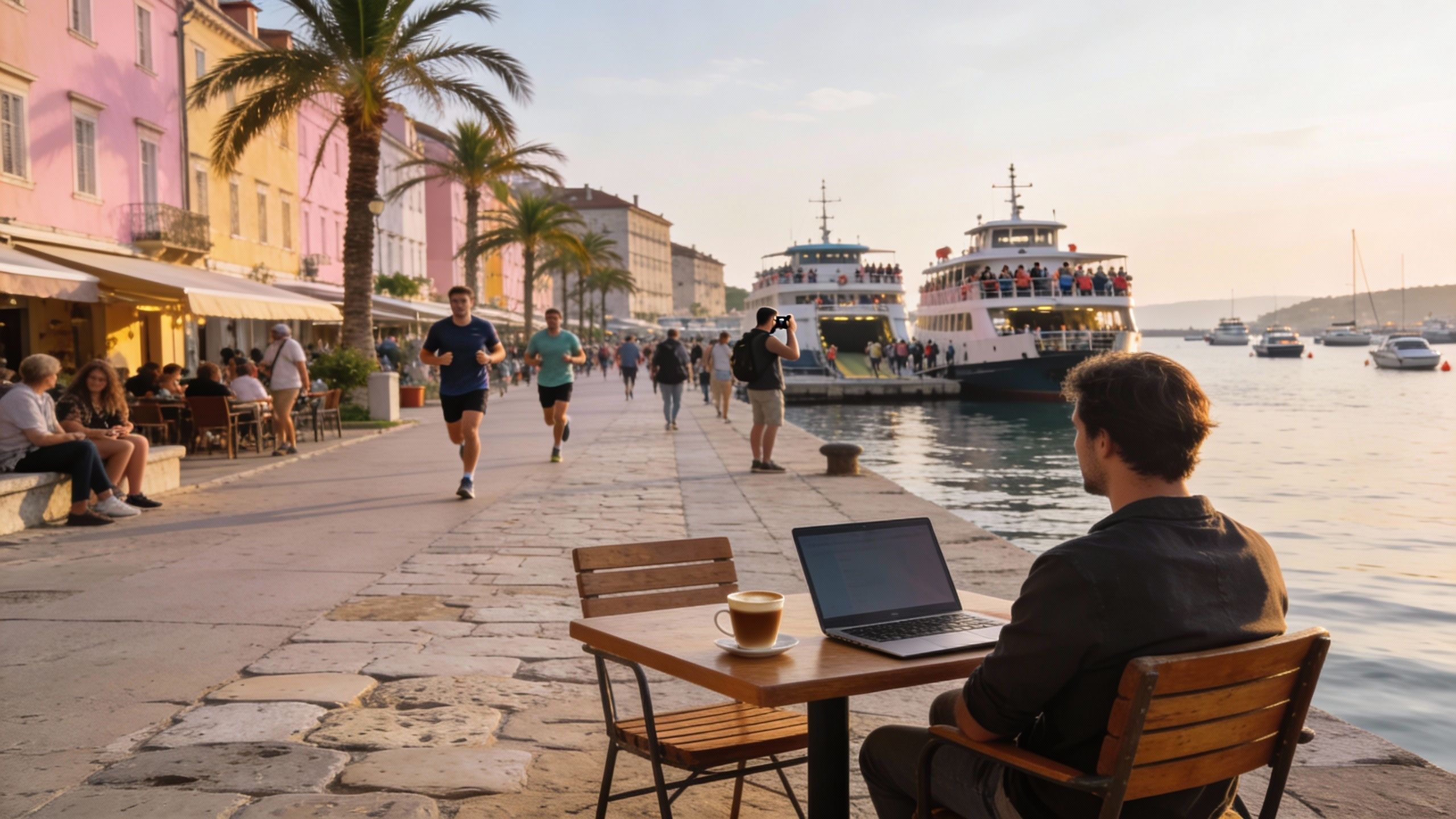
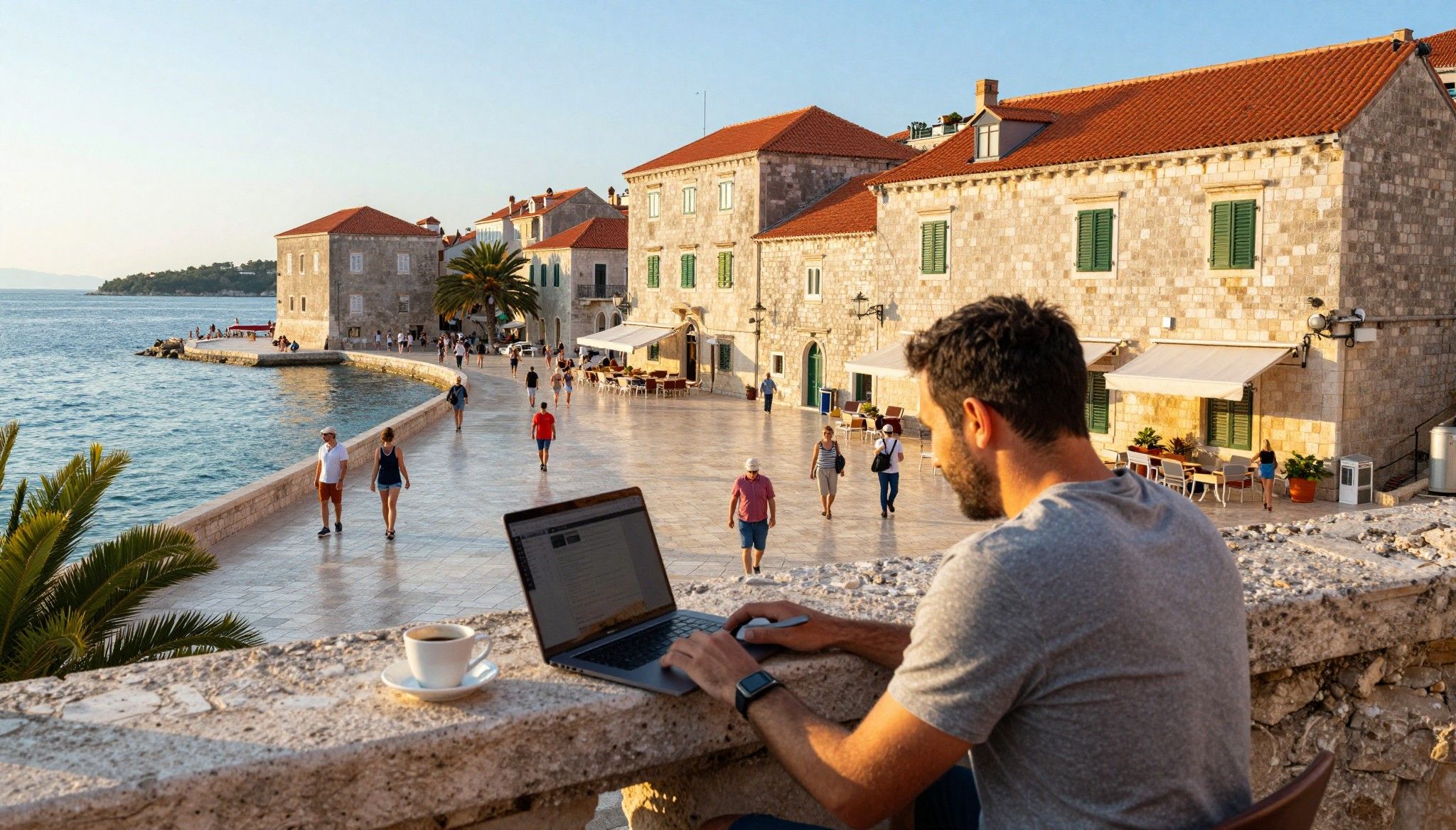
Imagine sipping an espresso on Split’s Riva at sunrise, then slinging your laptop into a bag and walking five minutes to a coworking space. In Croatia, that isn’t a postcard fantasy — it’s a weekday. But the island weekends, coastal summer buzz, and sudden spikes in buyer interest mean budgets here need a local-smart approach.
Living Croatia: daily rhythms that change how you budget
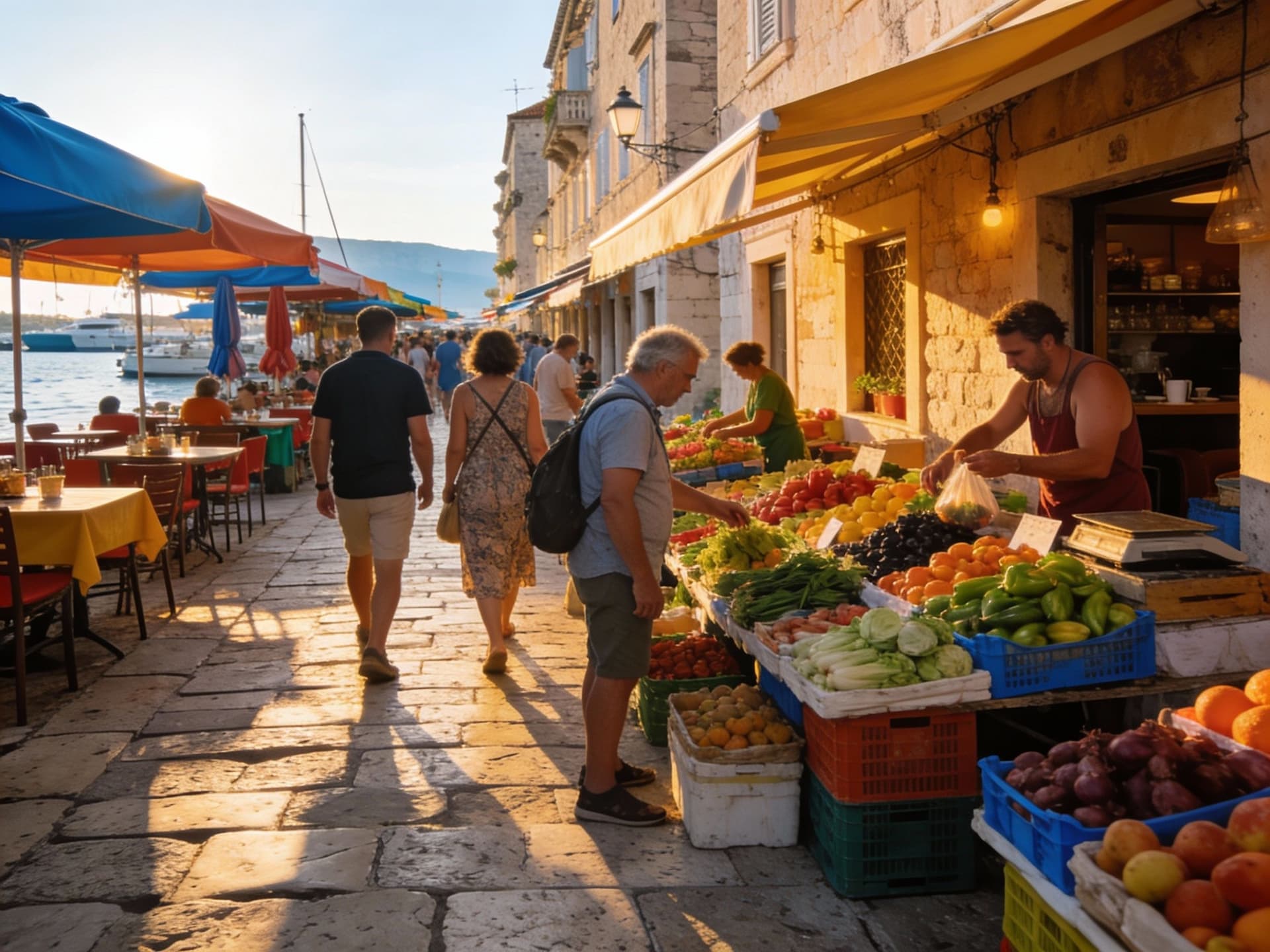
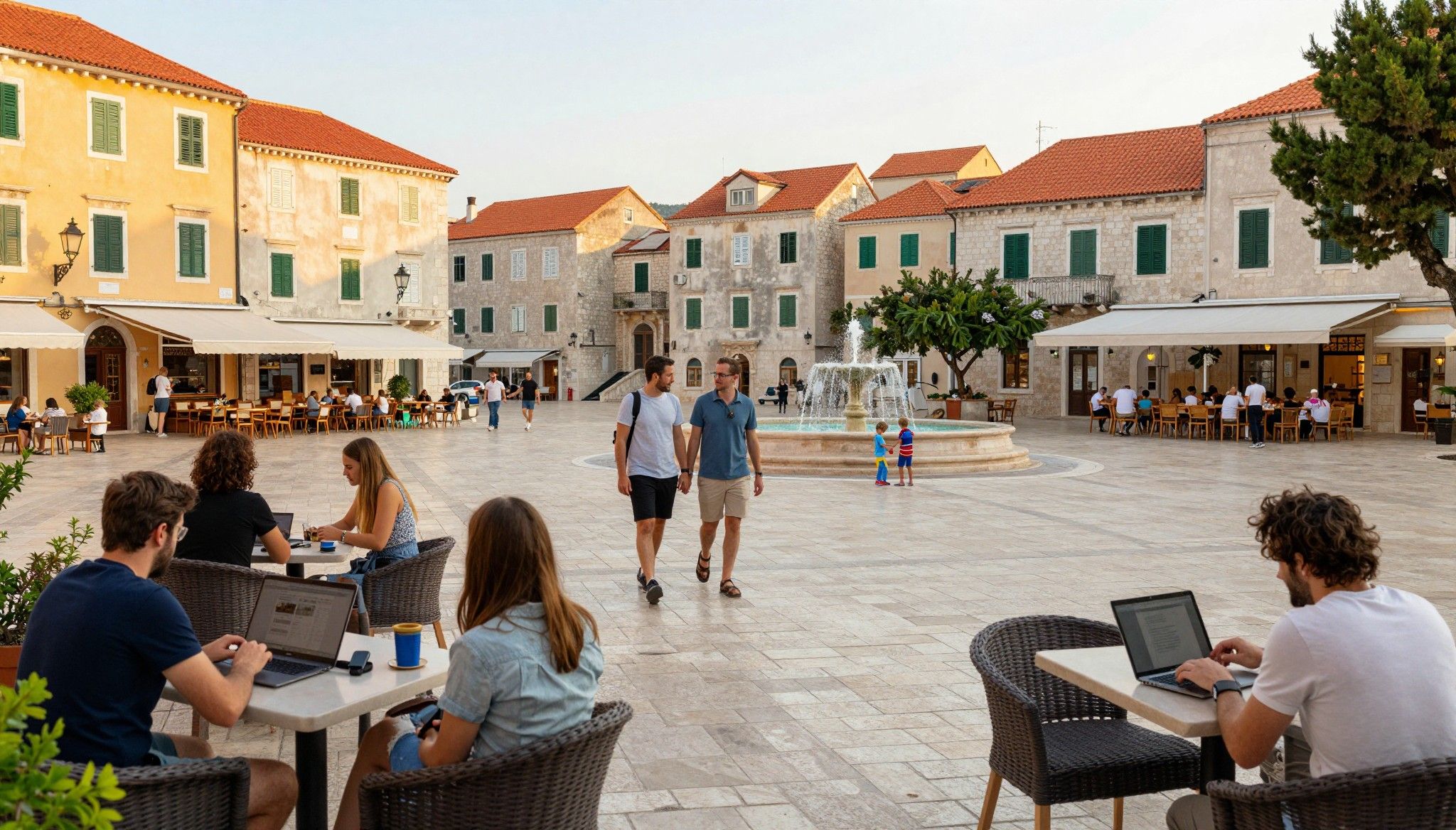
Croatia feels Mediterranean — café terraces, morning markets, and late-family dinners — but with northern-European efficiency in cities like Zagreb. That cultural mix shapes what buyers value: walkability and broadband in towns, sea views and insulation on the coast. Recent statistics show fast price growth along the Adriatic, a reality that should shift how you plan your deposit and contingency funds.
Coast vs inland: lifestyle costs you’ll actually pay
On the Dalmatian coast (Split, Hvar, Dubrovnik) expect premium for proximity to water and tourist-season rental potential. Inland and Istria towns trade off year‑round community life and lower seasonal swings. That means your operating budget (utilities, insurance, property management) will vary widely depending on whether you want a lived-in neighbourhood in Zagreb or a holiday-driven island property.
Neighbourhood spots that shape value and quality of life
Picture Makarska’s pebble beaches and bakeries, or Osijek’s green parks and slower pace. In Split, neighborhoods like Veli Varoš offer intimate seafront living; in Zagreb, Teslina and Ilica deliver cafes, coworking and fast fibre. Where locals buy — not just where tourists flock — often yields better long-term value.
Making the move: practical budgeting with Croatian quirks
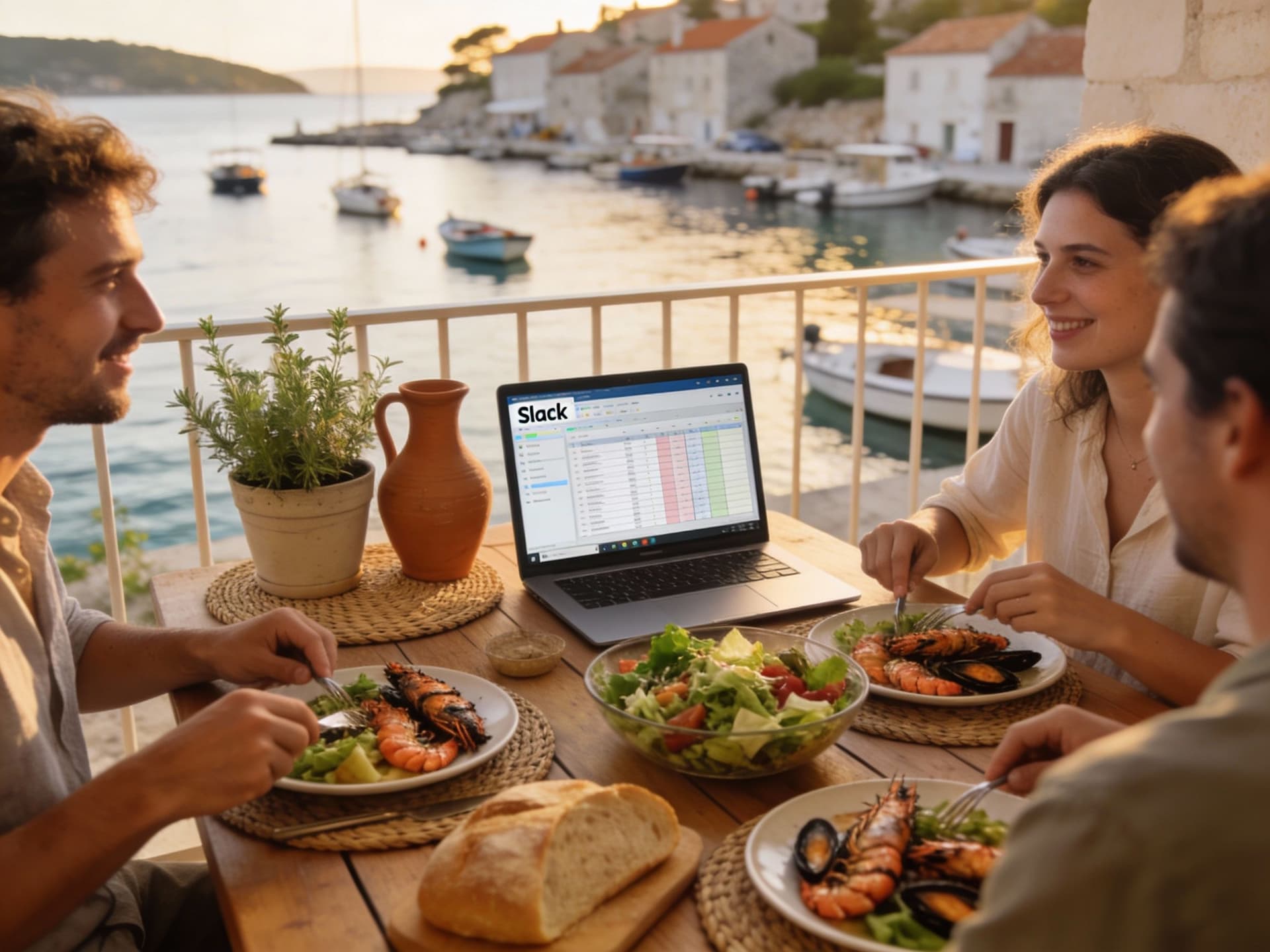
The dream is real — but so are policy shifts. Croatia has signalled tax changes aimed at rebalancing short-term rentals and speculation. That means buyers should budget for evolving property taxes and expect new rules that could affect carrying costs. Always model for a slightly higher annual cost than the seller suggests.
What to include in your initial budget
Start with purchase price, then add realistic figures for deposit, transfer taxes or VAT (depending on new-build vs resale), notary and land-registry fees, agency commissions, renovation buffer, short-term rental licensing if relevant, and at least 6–12 months of running costs. Don’t forget property management if you won’t live full-time.
Budget checklist — quick wins and red flags
Think of budgeting as lifestyle engineering: your numbers must support the life you imagine (daily grocery trips, scooters, weekend island ferries, or a winter in Zagreb). With fast regional price growth in 2024–2025, build in a higher renovation and contingency line — coastal stone houses often hide damp or insulation works.
- Practical items to budget for (real examples)
- Deposit and mortgage setup (if applicable): 10–30% depending on lender and residency status
- Notary, land registry and agency fees: expect several hundred to a few thousand euros depending on price
- Renovation & retrofit buffer: coastal properties often need insulation, mould work, or electrical upgrades — budget 10–20% of purchase price
- Annual ownership costs: property tax reforms, utilities, insurance and property management (factor new rules into year-one and year-two)
Insider knowledge: how locals think and what expats miss
Locals often avoid buying purely tourist-facing apartments; they prefer mixed-use streets that work year-round. Many expats initially chase views, then discover that broadband, neighbourly cafes, and a reliable greengrocer define daily happiness. That shift should change your spending priorities when you plan finances.
Language, bureaucracy and the friendly workaround
Croatia’s officials are efficient but formal. Contracts, utility setups, and registry work usually require some Croatian-language paperwork; budgeting for a bilingual lawyer or agency liaison saves weeks. Many buyers tell us paying for a good translator was the best money spent during closing.
The seasons that affect your wallet (and why timing matters)
Summer listings inflate coastal asking prices; winter viewings reveal heating and insulation issues. If your budget is tight, look in shoulder seasons to negotiate — sellers are less pressured when the boats go quiet. That timing can save you on price and expose hidden costs before you commit.
- Step-by-step initial budgeting process
- 1. List lifestyle priorities (work-from-home needs, walkability, island access).
- 2. Collect market comparables from the neighbourhood (recent sales, asking prices).
- 3. Add transaction and running costs (notary, registry, tax changes, utilities).
- 4. Create a 12–24 month cashflow scenario including seasonal rental income if applicable.
- 5. Keep a renovation/contingency fund and a local-expert retainer (lawyer/agent/architect).
Why these steps matter: official data from 2024–2025 show Croatia among the fastest-growing markets in the EU, especially on the Adriatic. That means competition and policy shifts can rapidly change carrying costs — plan as if prices and taxes might move while you’re checking inspectors.
Final notes: fall in love, but budget like a local
Move here for the mornings, the food, the community — but buy with a spreadsheet. Work with a bilingual lawyer, pick an agency that knows which streets are quietly family-run (and which are tourist lean), and budget for policy shifts and seasonality. Do that, and the Croatian life you imagine becomes an affordable, sustainable reality.
Norwegian who has helped 200+ families relocate from Oslo to Spain; expert in relocation services and community integration.