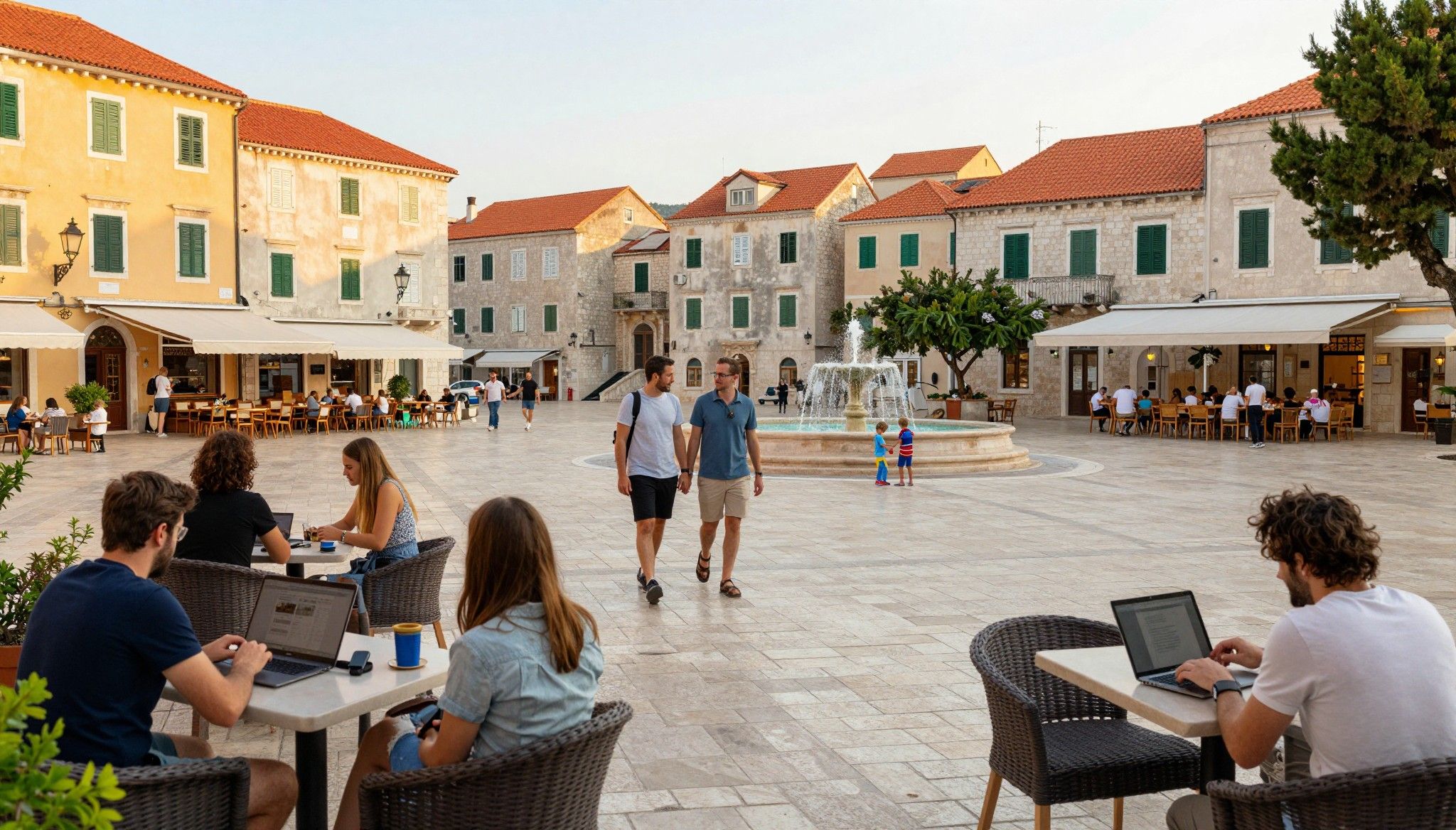
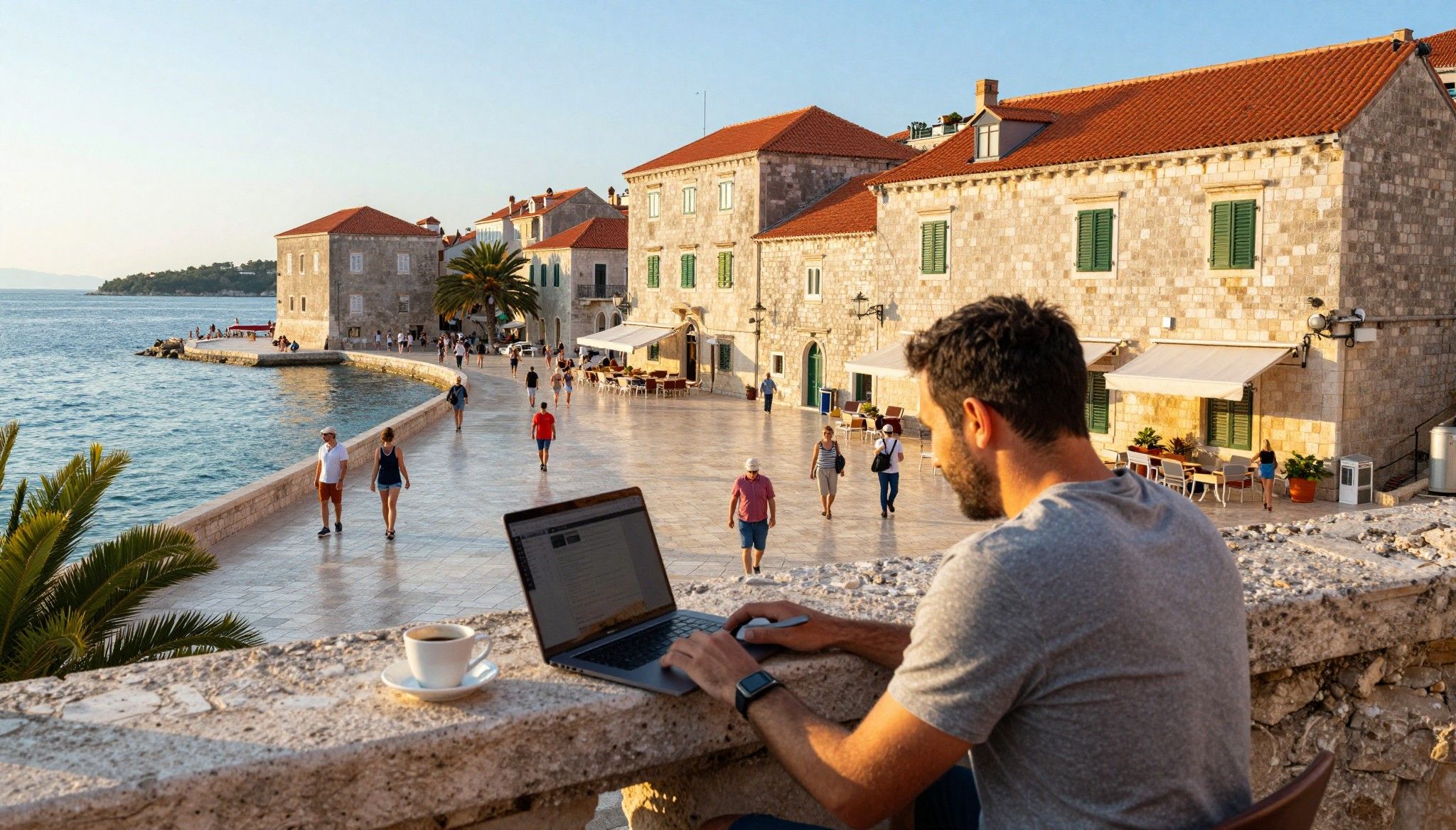
Budgeting for Croatia: Lifestyle Costs, Prices & Real Steps
Fall in love first, budget second: Croatia’s coast delivers lifestyle magic but recent data shows strong price rises — plan with realistic per‑m² figures, permissions, and seasonal costs.
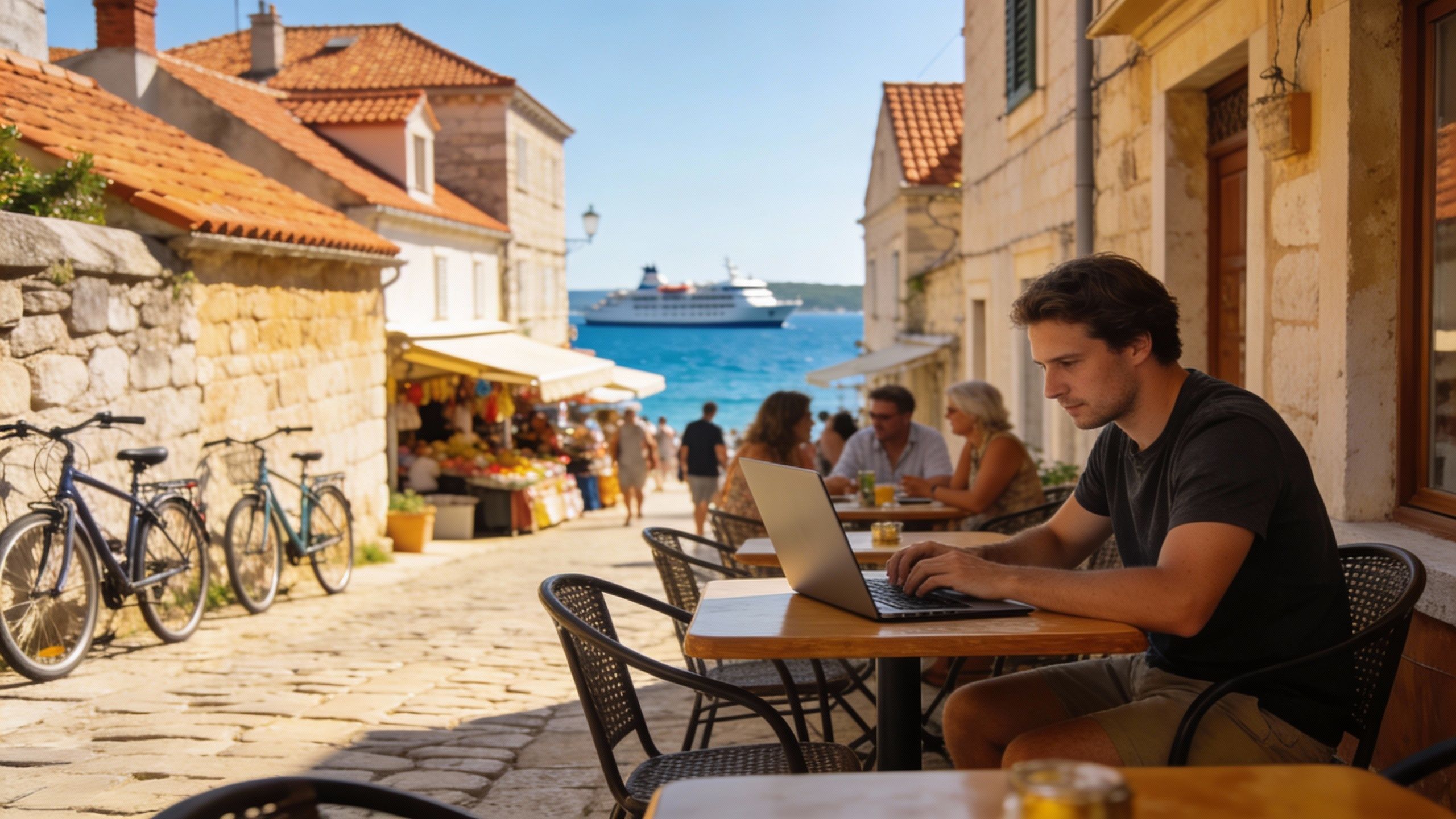
Imagine sipping an espresso under plane trees on Split’s Marmont, then strolling back to a sunlit apartment where the Adriatic is a postcard outside your window. Croatia moves at two tempos: the slow, social rhythm of coastal towns and the efficient pulse of Zagreb’s cafés and coworking spaces. For nomads and remote workers dreaming of a life by the sea or a city base with fast internet, that image is magnetic — but it needs a budget that matches reality. This guide blends the lifestyle you crave with hard numbers and local rules so you plan a buy that actually fits the Croatian way of life.
Living the Croatia lifestyle

Croatia is coastal cafés, late-night konobas, island ferries and a calendar full of small-town festivals. Days often begin with markets — fish, figs, freshly baked burek — and end with family-style plates shared over rakíja. Life here leans outdoors: morning swims, lunchtime terraces and weekend drives to hidden coves on Brač or Istria’s truffle roads. That rhythm affects what you buy: terraces and storage for summer gear matter as much as square metres and plug sockets.
Coast vs capital — two different hearts
Pick Split or Dubrovnik and you’ll live in a postcard: cobbled streets, a tourist buzz and high-season hospitality. Choose Zagreb and you get year-round jobs, coworking culture and a calmer rental market. On the coast, expect seasonal swings in prices and demand; inland, stability and better value. For budgeting, that means higher per-metre prices and premium for sea views on islands and Dalmatian hotspots — but also stronger short‑season rental income if you plan to let.
Food, markets and community rituals
Living in Croatia is rooted in local markets — Stari Plac in Split, Dolac in Zagreb, Pula’s little fish stalls — and small rituals: lengthy coffee breaks, summer fish feasts and town saint days. These daily pleasures shape neighbourhood choice; proximity to a market or a favourite konoba can trump an extra bedroom for many buyers. When budgeting, factor in second‑home upkeep and seasonal utilities — water and electricity use spike in July and August when homes fill up.
- Market and lifestyle highlights: Stari Grad market (Split), Dolac market (Zagreb), Zlatni Rat (Brač) beach, Trogir’s old town evenings, Istrian truffle festivals.
Making the move: practical considerations
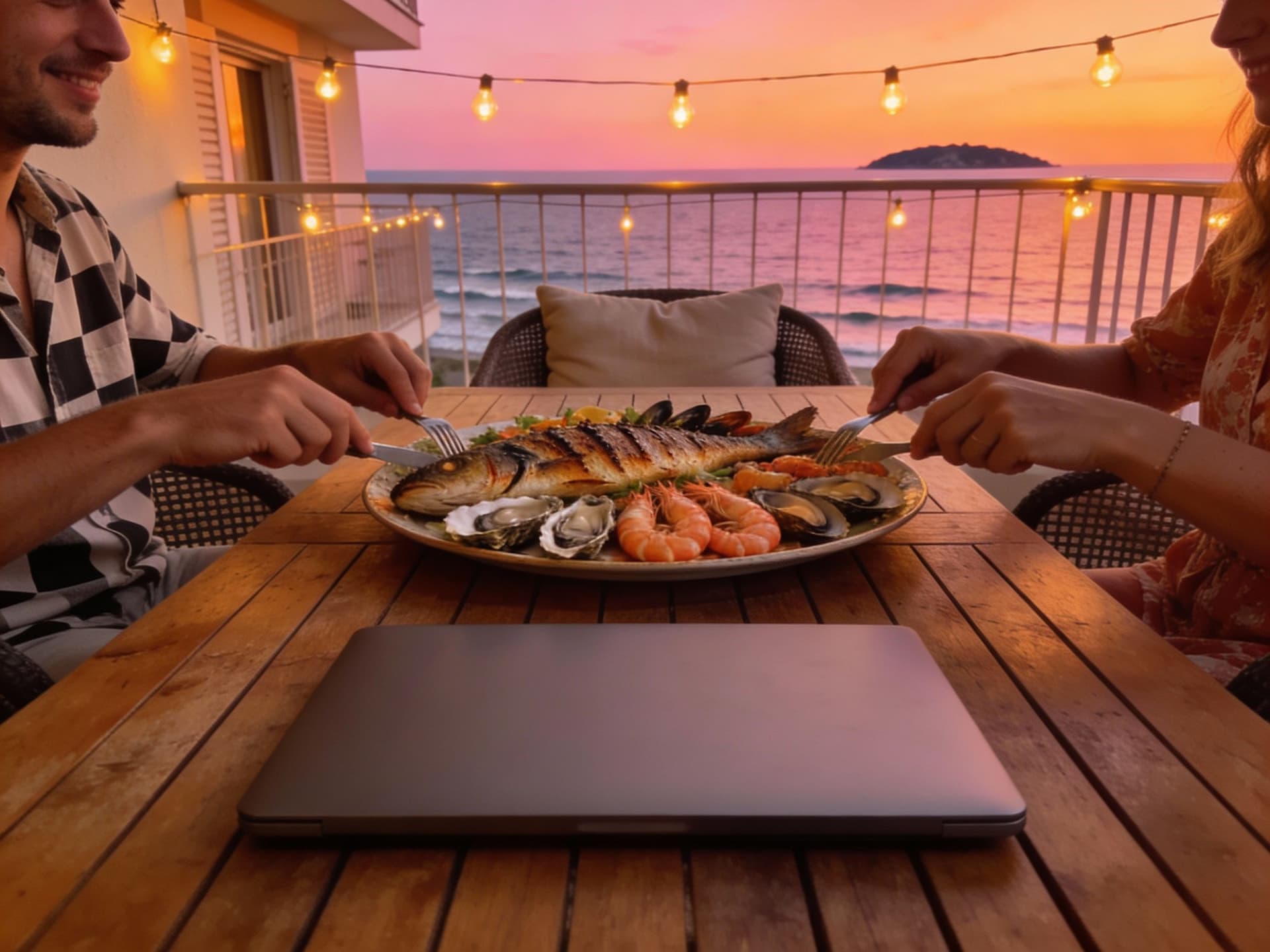
Dreams need budgets. Croatia’s housing prices have been climbing — national indices show double‑digit annual growth in recent quarters — so your initial budget should include realistic purchase-price expectations, seasonal running costs, and fees. The Croatian Bureau of Statistics and market reports show notable coastal and regional differences; plan for higher per‑m² costs in Dubrovnik, Hvar and prime Istria, and better bargains inland. That data helps set sensible offer ranges and avoids emotional overspend.
Property styles and how you’ll actually live
Stone townhouses, new-build blocks, seaside apartments and renovated rural houses all come with different invisible costs. A stone house in a Dalmatian village charms with thick walls and cool summers but often needs electrical upgrades and insulation. New builds bring warranties and modern systems but less character. Match the property type to how you work: if you need quiet Zoom calls, prioritise soundproofing and reliable internet; if you want indoor‑outdoor life, budget for shaded terraces and exterior maintenance.
Working with local experts who know the lifestyle
A savvy local agent, a bilingual lawyer and an accountant who gets Croatian tax rules are non‑negotiable. Agents translate neighbourhood vibe into practical criteria — which streets are lively after 8pm, where ferries run frequently, which flats have stable internet — while lawyers check titles and permits. For non‑EU buyers, permission procedures still exist in some cases; confirm early whether the property requires government approval to transfer ownership.
- Step-by-step budgeting & planning:
- 1) Set a firm purchase ceiling including purchase price, 3% transfer tax, notary and registration fees, and a 5–10% buffer for renovations or surprises.
- 2) Add running costs: utilities, municipal waste fees, insurance, and seasonal utility spikes — coastlines can cost more in summer months.
- 3) Check financing: compare Croatian bank mortgages vs cash purchase; mortgage availability and terms differ for residents and foreigners, and local banks will require documentation and possibly higher down‑payments.
Insider knowledge: what expats wish they'd known
Real talk from buyers: coastal buys often mean ferry timetables, limited off‑season services and community-driven expectations. Many expats underestimated maintenance on older stone houses (think damp treatment, roof tiles, septic vs sewer). Others wished they'd prioritised internet checks before signing: Croatia’s major cities and many coastal towns have excellent connectivity, but stray to smaller islands or remote hinterlands and options narrow. Small, practical checks save big headaches later.
Cultural integration and daily life
Croatians value personal relationships — a friendly landlord, local kafana owner or neighbour can make life. Learning a few phrases of Croatian opens doors; showing up at market stalls or local festivals builds trust fast. Expect bureaucracy to be more paper heavy than your home country; patience and a translator make the process far smoother. For long‑term plans, connect with local expat groups in Split, Dubrovnik or Zagreb to get realistic advice on schools, healthcare and neighbourhood life.
Long-term lifestyle and financial considerations
If you see Croatia as more than a holiday home, plan for longevity: property taxes are modest, but inheritance rules and local community expectations around renovation matter. Market data shows that prices have risen significantly in recent years, so consider holding periods and exit strategies if buying for investment. Work with an accountant to model rental seasonality if you plan short-term lets — coastal towns can generate high summer income but require more management.
- Budget-backed checklist before you bid:
- • Confirm up-to-date market price per m² in your target area (coast vs inland).
- • Get a written internet speed test for the property and nearby coworking options.
- • Ask for recent utility bills and a summary of seasonal cost swings (electricity/water).
- • Commission a local lawyer to confirm title, building permits, and whether foreign‑buyer permissions apply.
- Closing steps and reasonable timelines:
- 1) Offer to contract: once price agreed, expect 2–4 weeks for preliminary contract and deposit while lawyer checks documents.
- 2) Notary and registration: final deed signing and land registry entry usually complete within 2–6 weeks, depending on whether permissions or translations are needed.
Conclusion: Croatia is easy to fall in love with — and wise to budget for. Start with a lifestyle map (which towns, which vibe), back it with recent market data and a realistic price range, then add a buffer for seasonal costs and renovation surprises. Pair a local agent who understands neighbourhood life with a lawyer who protects your purchase. Do that, and you’ll move from dreaming under plane trees to actually living there — with your finances intact and your mornings full of market coffee.
British expat who moved from Manchester to Mallorca in 2017. Specializes in market analysis and helping fellow Brit navigate local regulations.